Effective partner involvement plays a pivotal role in helping mothers achieve successful breastfeeding outcomes, fostering confidence and addressing common hurdles from pregnancy through the early months.
Understanding the Impact of Partner Involvement
Research consistently shows that partners significantly influence a mother’s decision to breastfeed and her ability to sustain it. For instance, educating fathers prenatally can increase the likelihood of initiation by up to 1.8 times, while ongoing support correlates with higher continuation rates at six months. This support extends beyond encouragement, encompassing practical actions that alleviate the physical and emotional demands on new mothers.
Breastfeeding demands time, patience, and practice, often challenging for first-time parents. Partners who actively participate help create a supportive environment, reducing stress and enhancing the mother-baby bond. Studies highlight that paternal encouragement boosts maternal self-efficacy, enabling better problem-solving during difficulties like latching issues or low supply concerns.
Preparing Together Before Birth
Prenatal preparation sets the foundation for smooth breastfeeding. Couples should discuss goals early, such as aiming for exclusive breastfeeding for the first six months as recommended by pediatric guidelines.
- Attend breastfeeding classes: Online or in-person sessions through hospitals, WIC programs, or community centers teach positioning, latching, and troubleshooting.
- Read reliable resources: Books and articles on lactation basics equip partners to reinforce knowledge during key moments.
- Align on hospital practices: Research facility policies to ensure they support immediate skin-to-skin contact and on-demand feeding.
This proactive approach ensures partners are ready to advocate effectively from the delivery room onward.
Navigating the Hospital Experience as a Team
The immediate postpartum period is critical for establishing breastfeeding. Partners can champion skin-to-skin contact right after birth, which promotes latching and milk production when safe.
If challenges arise, request lactation consultants promptly. Partners might assist by changing diapers between breasts to rouse the baby or preparing for pumping sessions if needed.
| Partner Action | Benefit to Mother and Baby |
|---|---|
| Advocate for skin-to-skin | Enhances bonding and feeding cues |
| Summon lactation support | Resolves early latching issues quickly |
| Handle non-feeding tasks | Allows mother rest and focus on nursing |
These steps minimize disruptions and build early confidence.
Daily Practical Assistance at Home
Once home, the workload intensifies. Partners become essential caretakers, managing household chores to free mothers for frequent feedings.
- Prepare easy, nutritious meals: Stock quick options like fruits, yogurt, and nuts to sustain milk production.
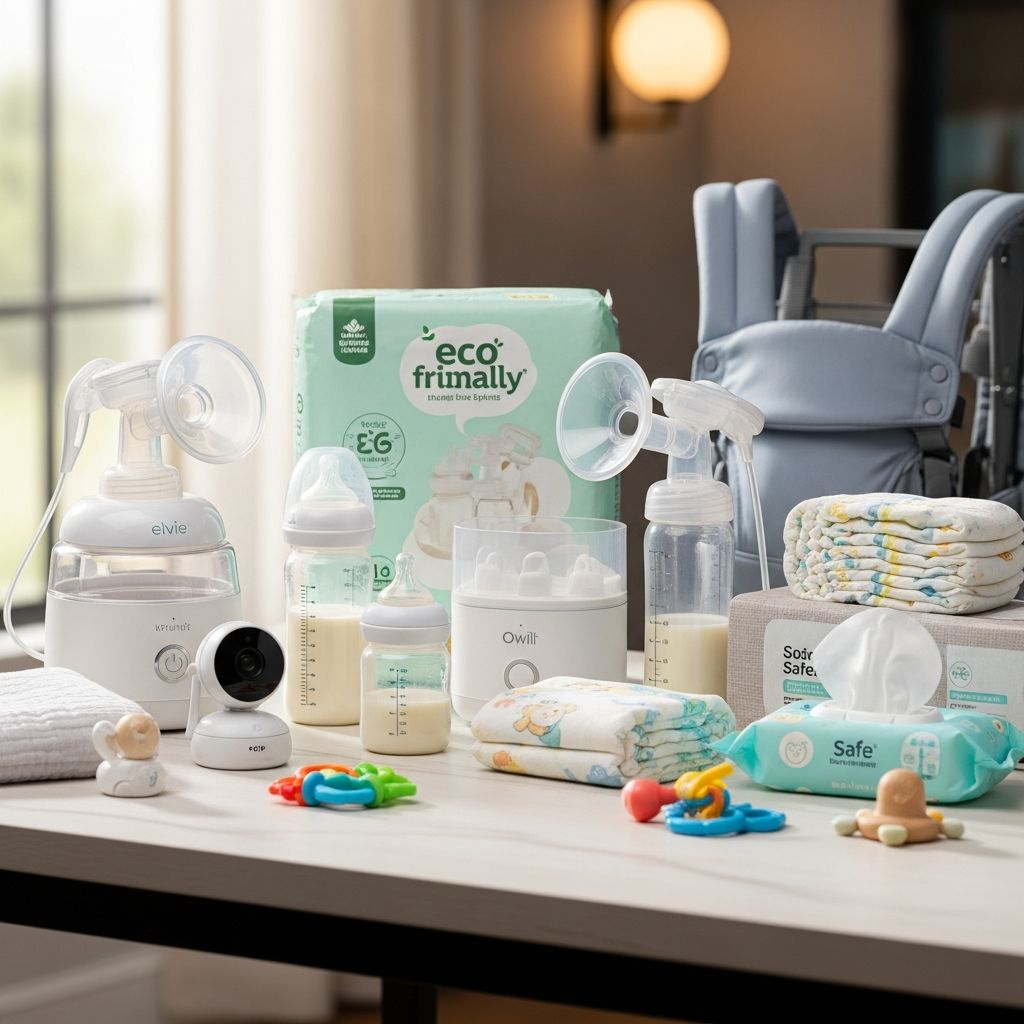
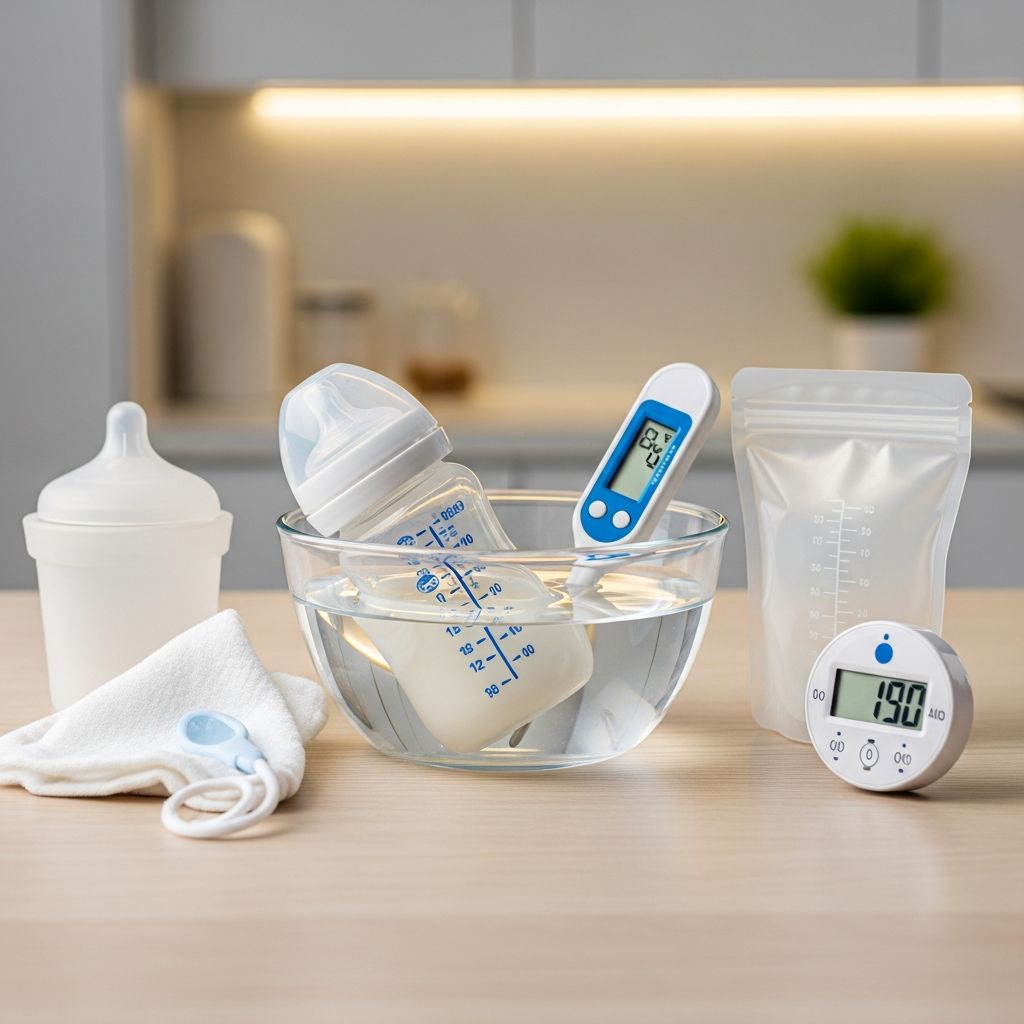
- Assist with pumping: Clean parts daily and store milk properly, especially if mother and baby are separated.
- Care for older siblings: Supervise play and routines to prevent maternal overload.
- Perform night duties: Burp baby post-feed, change diapers, or resettle for sleep.
Such help prevents exhaustion, a common reason for early weaning.
Boosting Emotional Confidence and Resilience
Verbal affirmation is powerful. Regularly express pride in her efforts, saying things like “You’re doing an amazing job feeding our baby.” This counters self-doubt during growth spurts or sore nipples.
Partners should also defend breastfeeding choices against unsolicited advice from family or friends, explaining benefits like reduced illness risk and economic savings over formula.
Mental health ties closely to breastfeeding success. Supportive partners lower depression risks by validating struggles and facilitating professional help when needed.
Strengthening Family Bonds Through Involvement
Partners aren’t sidelined; skin-to-skin holding calms babies and fosters paternal bonds equivalent to maternal ones in promoting security.
Teamwork in chores and play reinforces unity. Fathers sharing housework report higher relationship satisfaction, mitigating resentment from uneven loads.
Addressing Intimacy and Relationship Dynamics
New parenthood shifts priorities, often reducing libido due to fatigue and hormonal changes, not just breastfeeding.
- Explore non-sexual intimacy: Cuddling, massages, or date nights rebuild connection.
- Respect healing timelines: Consult providers on resuming relations and contraception, as lactational amenorrhea isn’t foolproof.
- Communicate openly: Discuss feelings of exclusion to prevent buildup of frustration.
Maintaining couple closeness sustains long-term support.
Overcoming Common Breastfeeding Obstacles
Challenges like engorgement, mastitis, or perceived low supply test resolve. Partners aid by:
- Encouraging hydration and rest.
- Monitoring baby output (6+ wet diapers daily signals adequacy).
- Connecting to peer counselors via WIC or La Leche League.
Acknowledging progress, however small, builds perseverance.
Long-Term Benefits for the Family
Sustained breastfeeding protects against allergies, infections, and chronic diseases while aiding maternal recovery from diabetes risks and cancers. Partner-facilitated success yields healthier families and stronger partnerships.
Frequently Asked Questions
What if my partner faces breastfeeding pain?
Encourage proper latch checks by experts and offer comfort like warm compresses. Persistent issues warrant medical evaluation.
How can I bond if I can’t nurse?
Skin-to-skin, diaper changes, and playtime create deep connections rivaling nursing bonds.
Does breastfeeding affect our sex life permanently?
No, hormones normalize post-weaning; focus on communication and patience during adjustment.
What about formula if issues persist?
Supplementation may be needed medically, but prioritize support to maximize breastfeeding first.
How long should we aim for exclusive breastfeeding?
Pediatric guidelines suggest six months exclusively, then continued with solids for a year or more.
References
- A partner’s role in breastfeeding — Mayo Clinic Community Health. 2023-02-09. https://communityhealth.mayoclinic.org/featured-stories/partner-role-breastfeeding
- Breastfeeding – a survey of fathers’ support needs and preferred — PMC (NCBI). 2024. https://pmc.ncbi.nlm.nih.gov/articles/PMC11256481/
- Breastfeeding/Bodyfeeding Facts for Partners — University Hospitals. Accessed 2026. https://www.uhhospitals.org/services/obgyn-womens-health/patient-resources/pregnancy-resources/breastfeeding-guide/breastfeeding-bodyfeeding-facts-for-partners
- Breastfeeding and Maternal Mood: Exploring a Complex — MGH Center for Women’s Mental Health. 2024. https://womensmentalhealth.org/posts/breastfeeding-and-maternal-mood-exploring-a-complex-bidirectional-relationship/
- Saving Relationships and Marriages: One Breastfeeding Baby at a — Totville. Accessed 2026. https://totville.com/saving-relationships-and-marriages.html
- How Dads Can Support Their Breastfeeding Partner — USDA WIC Breastfeeding Support. Accessed 2026. https://wicbreastfeeding.fns.usda.gov/how-dads-can-support-their-breastfeeding-partner
- Fathers’ experiences of supporting breastfeeding: challenges for — PMC (NCBI). 2015-01-15. https://pmc.ncbi.nlm.nih.gov/articles/PMC4282396/