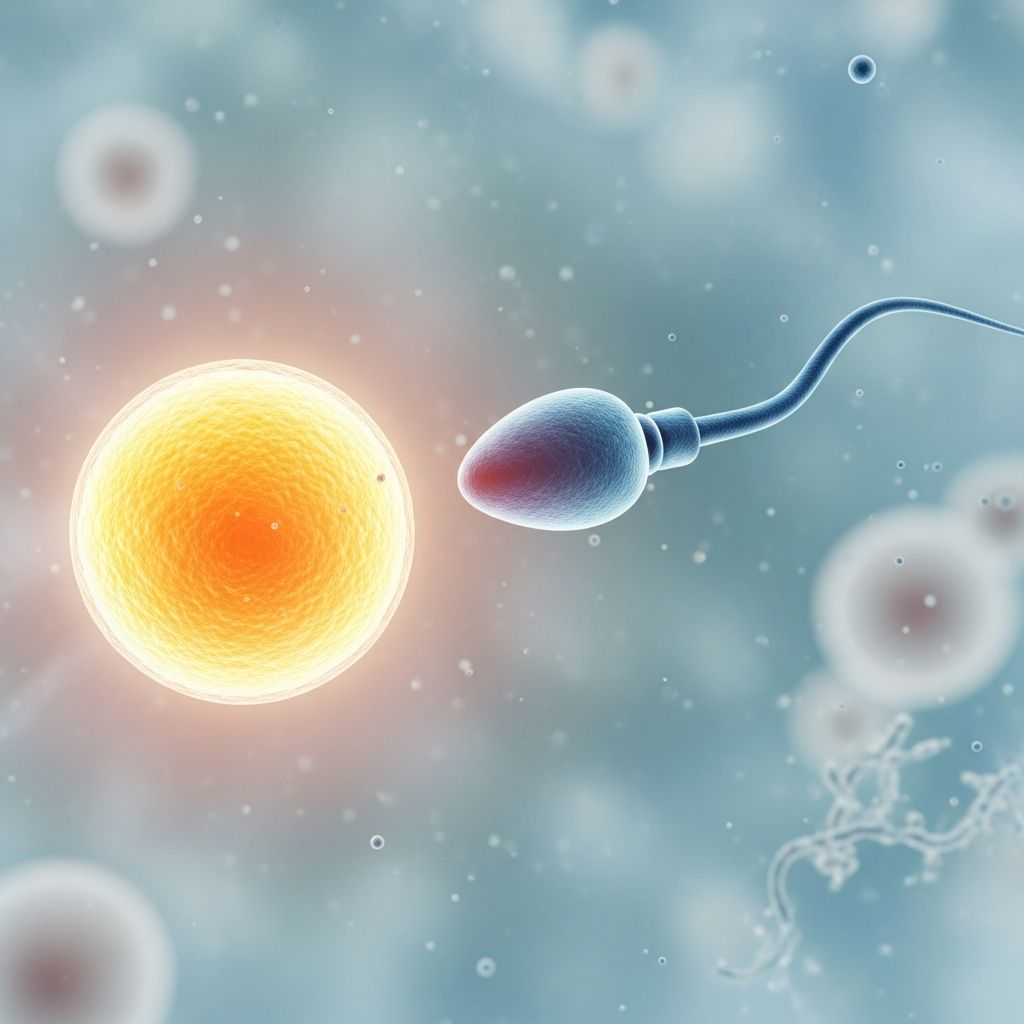
Male fertility plays a crucial role in conception, with sperm quality directly influencing success rates. Factors like count, motility, and morphology can be optimized through targeted lifestyle adjustments and medical interventions, potentially improving outcomes for couples planning a family.
Understanding Sperm Parameters and Their Importance
Sperm health is evaluated by several key metrics: concentration (number of sperm per milliliter), motility (ability to swim effectively), morphology (normal shape for fertilization), and vitality (percentage alive). Healthy parameters increase the likelihood of egg fertilization. Suboptimal sperm contributes to about 40-50% of infertility cases, making proactive steps essential.
Improving these parameters requires a multifaceted approach. Lifestyle modifications often yield noticeable changes within 3 months, aligning with the sperm production cycle. Tracking progress via semen analysis helps measure effectiveness.
Nutritional Strategies to Enhance Sperm Quality
Diet profoundly impacts reproductive health. Nutrient-rich foods supply antioxidants and fatty acids vital for sperm development.
- Antioxidant-packed produce: Leafy greens, berries, and cruciferous vegetables like broccoli combat oxidative stress, boosting concentration and motility.
- Healthy fats from fish: Omega-3s in salmon support membrane integrity and movement.
- Nuts and seeds: Walnuts provide omega-6s for better morphology; Brazil nuts offer selenium for DNA protection.
Avoid processed meats, trans fats, added sugars, and excessive soy, which correlate with poorer parameters. The Mediterranean-style eating pattern—emphasizing whole grains, legumes, fruits, and vegetables—shows consistent benefits in studies.
| Foods to Prioritize | Benefits | Foods to Limit | Risks |
|---|---|---|---|
| Leafy greens, berries | Higher concentration, motility | Processed meats, trans fats | Reduced count, DNA damage |
| Salmon, walnuts | Improved morphology | Soy products, sugary foods | Lower motility |
| Whole grains, legumes | Overall vitality | High-fat dairy | Impaired quality |
Supplements like zinc, folic acid, vitamin D, CoQ10, vitamin C, and selenium can fill gaps but should be doctor-approved to avoid interactions. Moderate coffee (2-3 cups daily) may aid motility.
Optimal Exercise Regimens for Reproductive Health
Physical activity enhances hormonal balance and reduces obesity-related fertility issues. Moderate routines outperform extremes.
- Moderate cardio: Walking or jogging 30-60 minutes, 4-6 times weekly, yields the best gains in count, motility, and shape.
- Strength training: Builds muscle, regulates testosterone without overtaxing the body.
- Avoid excesses: Cycling >5 hours/week or marathon running lowers concentration by up to 34%.
Obese men saw significant improvements after 16 weeks of treadmill sessions. Aim for 150 minutes of moderate activity weekly, combining aerobic and resistance for balanced benefits.
Lifestyle Habits That Protect Sperm Production
Daily choices safeguard sperm from damage.
- Maintain ideal weight: 5-10% loss improves hormones and parameters.
- Quit smoking and limit alcohol: Tobacco halves count; excess drinking impairs motility.
- Minimize heat exposure: Skip saunas, hot tubs; opt for loose underwear.
- Reduce toxins: Avoid pesticides, heavy metals, BPA in plastics.
- Manage stress: High levels disrupt hormones; incorporate relaxation.
Sitting less and screening for STIs or chronic conditions like diabetes also supports health.
Medical and Advanced Interventions
When lifestyle falls short, treatments address root causes.
- Hormonal therapies: Clomiphene citrate boosts testosterone and spermatogenesis; anastrozole lowers estrogen. hMG drugs like Pergonal stimulate FSH/LH.
- Surgery: Varicocelectomy fixes scrotal veins; vasoepididymostomy clears blockages.
- Sperm retrieval: PESA, TESA, TESE for low/no sperm cases.
- ART: IVF with ICSI injects sperm directly into eggs, ideal for poor quality.
Consult specialists for personalized plans, as results vary.
Tracking Progress and When to Seek Help
Semen analyses every 3 months gauge improvements. Normal ranges: 15 million/ml count, 40% motility, 4% normal forms. Persistent issues warrant fertility evaluation.
Frequently Asked Questions (FAQs)
How long do changes take to improve sperm?
Sperm renews every 74 days; expect results in 2-3 months with consistent habits.
Can supplements alone fix low sperm count?
They support but work best with diet and lifestyle; consult a doctor.
Does age affect male fertility?
Yes, quality declines after 40, increasing DNA fragmentation risks.
Is moderate exercise safe for fertility?
Yes, it enhances parameters; avoid overtraining.
What if lifestyle changes don’t help?
Seek medical evaluation for hormonal, structural, or genetic issues.
References
- Guide to Sperm Quality and Motility Improvement — Legacy. 2023. https://www.givelegacy.com/guides/sperm-improvement-guide/
- 5 Low Sperm Count Treatment Options for Men — PFCLA. 2024. https://www.pfcla.com/blog/low-sperm-count-treatment
- Diet and male fertility: Foods that affect sperm count — UChicago Medicine. 2018-12-01. https://www.uchicagomedicine.org/forefront/health-and-wellness-articles/2018/december/dont-make-the-mistake-of-letting-a-diet-kill-sperm
- 5 Tips To Ensure Healthy Sperm — UCLA Health. 2023. https://www.uclahealth.org/sites/default/files/documents/5-Tips-To-Ensure-Healthy-Sperm.pdf
- Healthy sperm: Improving your fertility — Mayo Clinic. 2024. https://www.mayoclinic.org/healthy-lifestyle/getting-pregnant/in-depth/fertility/art-20047584