Enhancing natural fertility involves targeted lifestyle adjustments that support reproductive health for both partners. By focusing on nutrition, physical activity, and cycle awareness, couples can significantly improve their chances of conception without relying solely on medical interventions.
Understanding Your Fertile Window
The fertile window represents the optimal days for conception, typically spanning five days before ovulation and the day of ovulation itself. Reproductive efficiency peaks with intercourse every one to two days during this period, as sperm can survive up to five days in fertile cervical mucus while the egg remains viable for about 24 hours.
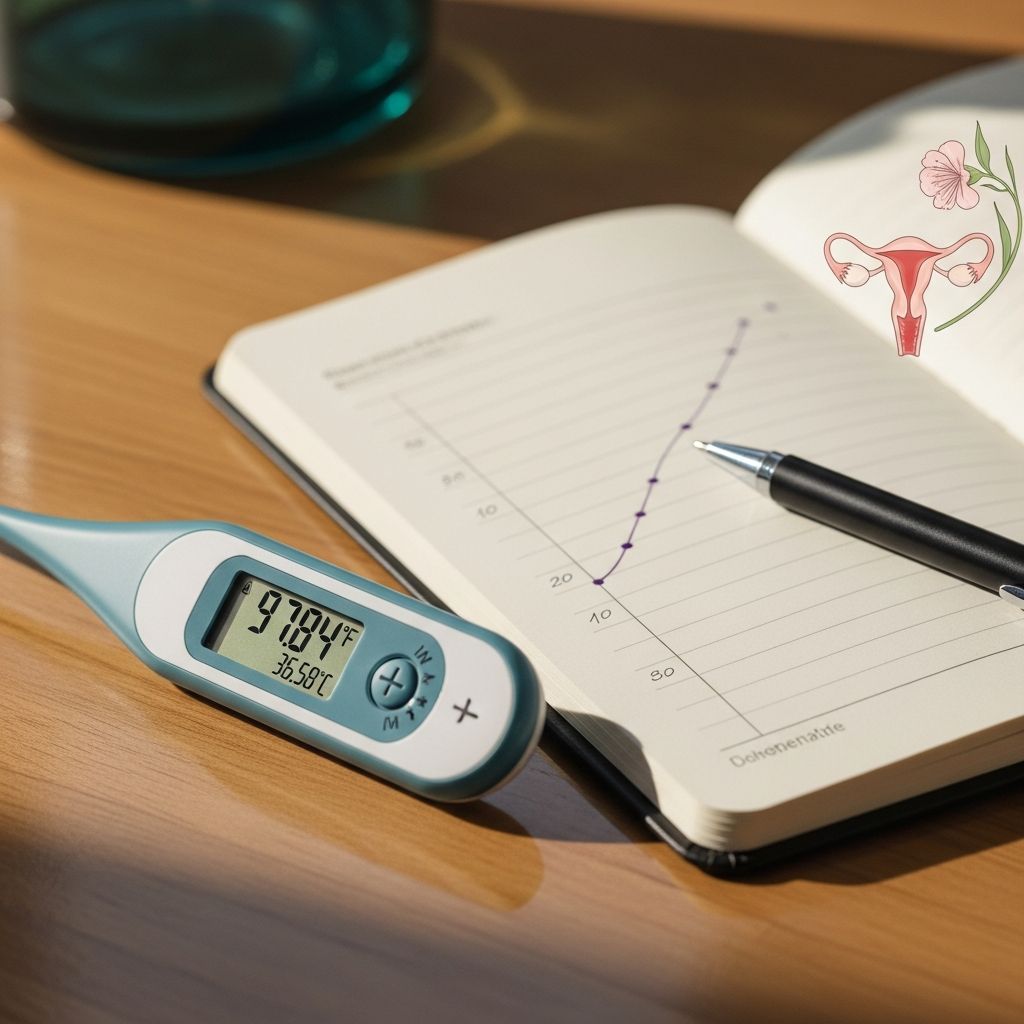
To pinpoint this window accurately, track ovulation using methods like basal body temperature charting, cervical mucus observation, or ovulation predictor kits. Consistent monitoring helps identify patterns, especially for women with irregular cycles. Couples should aim for intercourse on alternate days starting from cycle day 10 to cover the fertile phase effectively.
Nutrition for Optimal Reproductive Health
A fertility-supporting diet emphasizes whole foods rich in antioxidants, healthy fats, and key micronutrients. Research links adherence to Mediterranean-style eating—high in vegetables, fruits, fish, olive oil, and whole grains—to higher pregnancy rates and improved semen quality.
Key nutrients include:
- Folate: Essential for egg quality and neural tube development; found in leafy greens, beans, lentils, and fortified cereals. Higher doses than standard prenatal levels may reduce infertility risk.
- Omega-3 Fatty Acids: Regulate inflammation and support hormone balance; prioritize low-mercury fish like salmon, sardines, and anchovies.
- Zinc and Selenium: Crucial for sperm motility and count; sourced from nuts, seeds, and shellfish.
- Vitamin C and Antioxidants: Protect reproductive cells; abundant in citrus fruits, berries, and colorful vegetables.
Incorporate full-fat dairy for vitamins A, D, E, and polyamines, which correlate with lower ovulatory infertility risk. Plant-based proteins from beans and lentils provide spermidine and folate, boosting implantation rates.
Top Fertility-Boosting Foods Table
| Food | Key Benefits | Sources |
|---|---|---|
| Walnuts | Omega-3s for ovulation and sperm health; vitamin E boosts sperm motility | Handful daily (42g) |
| Tomatoes (cooked) | Lycopene enhances sperm quality; absorption increases with heat | Sauce, paste |
| Citrus Fruits | Vitamin C and polyamines support reproduction | Oranges, grapefruit |
| Salmon/Sardines | Omega-3s reduce time to conception; low mercury | 8+ servings per cycle |
| Leafy Greens | Folate, iron for egg/sperm health | Spinach, kale |
Minimize processed foods, red meat, and trans fats, opting for organic produce and poultry when possible to avoid endocrine disruptors.
Supplements to Consider
While food-first is ideal, targeted supplements can fill gaps. Folic acid (beyond standard 400mcg) links to lower miscarriage and better IVF outcomes. Vitamin D aids implantation, myo-inositol benefits PCOS, and CoQ10 may improve egg quality in women over 35.
Consult a healthcare provider before starting, as interactions with medications or conditions vary. Men may benefit from zinc and omega-3s for semen parameters.
Lifestyle Habits That Enhance Conception
Beyond diet, daily choices profoundly impact fertility. Maintaining a healthy BMI regulates hormones and ovulation; both underweight and overweight states disrupt cycles and sperm production.
- Exercise Moderately: Aim for 30 minutes daily of walking, yoga, or swimming to boost circulation without overtaxing the body. Excessive intensity can suppress ovulation.
- Quit Smoking and Limit Alcohol: Tobacco reduces fertility in both sexes; heavy alcohol impairs ovulation and sperm.
- Stay Hydrated: 8-10 cups of water daily thins cervical mucus for sperm transport and supports semen volume.
- Prioritize Sleep: 7-9 hours nightly balances reproductive hormones disrupted by poor rest.
Stress Management for Better Fertility
Chronic stress elevates cortisol, interfering with estrogen, progesterone, and sperm quality. Practices like mindfulness, meditation, deep breathing, or yoga lower stress hormones and improve outcomes.
Couples practicing stress reduction report higher conception rates. Combine with partner support for emotional resilience during the journey.
Age-Specific Fertility Tips
Fertility declines after 35 due to egg quantity and quality. Women over 35 should track ovulation diligently, optimize nutrition, and consider preconception checkups. Men’s sperm quality also wanes; antioxidants help counteract oxidative damage.
Common Myths Debunked
- Myth: Daily intercourse is best. Every 1-2 days optimizes sperm count without depletion.
- Myth: Low-fat diets aid fertility. Full-fat dairy supports ovulation better than low-fat.
- Myth: Coffee harms fertility. Moderate intake (1-2 cups) shows no strong negative link.
Frequently Asked Questions
How long should we try naturally before seeking help?
Under 35: 12 months; 35-40: 6 months; over 40 or with issues: consult sooner.
Does weight loss improve fertility?
Yes, achieving healthy BMI enhances ovulation and sperm parameters for both partners.
Can men improve fertility too?
Absolutely; diet, exercise, and avoiding toxins boost sperm count, motility, and DNA integrity.
Is organic food necessary?
Not strictly, but it reduces pesticide exposure that may affect hormones.
What if cycles are irregular?
Use apps, kits, or professional tracking; address underlying issues like PCOS.
Integrating these strategies creates a synergistic effect, optimizing the body’s conception readiness. Track progress monthly and seek personalized advice from fertility specialists for tailored plans.
References
- Optimizing natural fertility: a committee opinion (2022) — ASRM Practice Committee. 2022-01-01. https://www.asrm.org/practice-guidance/practice-committee-documents/optimizing-natural-fertility-a-committee-opinion-2021/
- How to Improve Your Fertility Naturally — PNW Fertility. 2023-01-01. https://pnwfertility.com/post/how-to-improve-your-fertility-naturally
- 6 foods that boost fertility — UCLA Health. 2023-01-01. https://www.uclahealth.org/news/article/6-foods-boost-fertility
- Getting Pregnant After 35 – 10 Ways To Help Boost Your Fertility — Fertility Academy. 2023-01-01. https://www.fertility-academy.co.uk/blog/getting-pregnant-after-35-10-ways-to-help-boost-your-fertility/
- Boost Natural Fertility: A Fertility Doctor’s Tips to Get Pregnant — Fertility NJ. 2023-01-01. https://www.fertilitynj.com/blog/boost-natural-fertilitya-fertility-doctors-tips-to-get-pregnant
- Female fertility: Why lifestyle choices count — Mayo Clinic. 2024-07-10. https://www.mayoclinic.org/healthy-lifestyle/getting-pregnant/in-depth/female-fertility/art-20045887