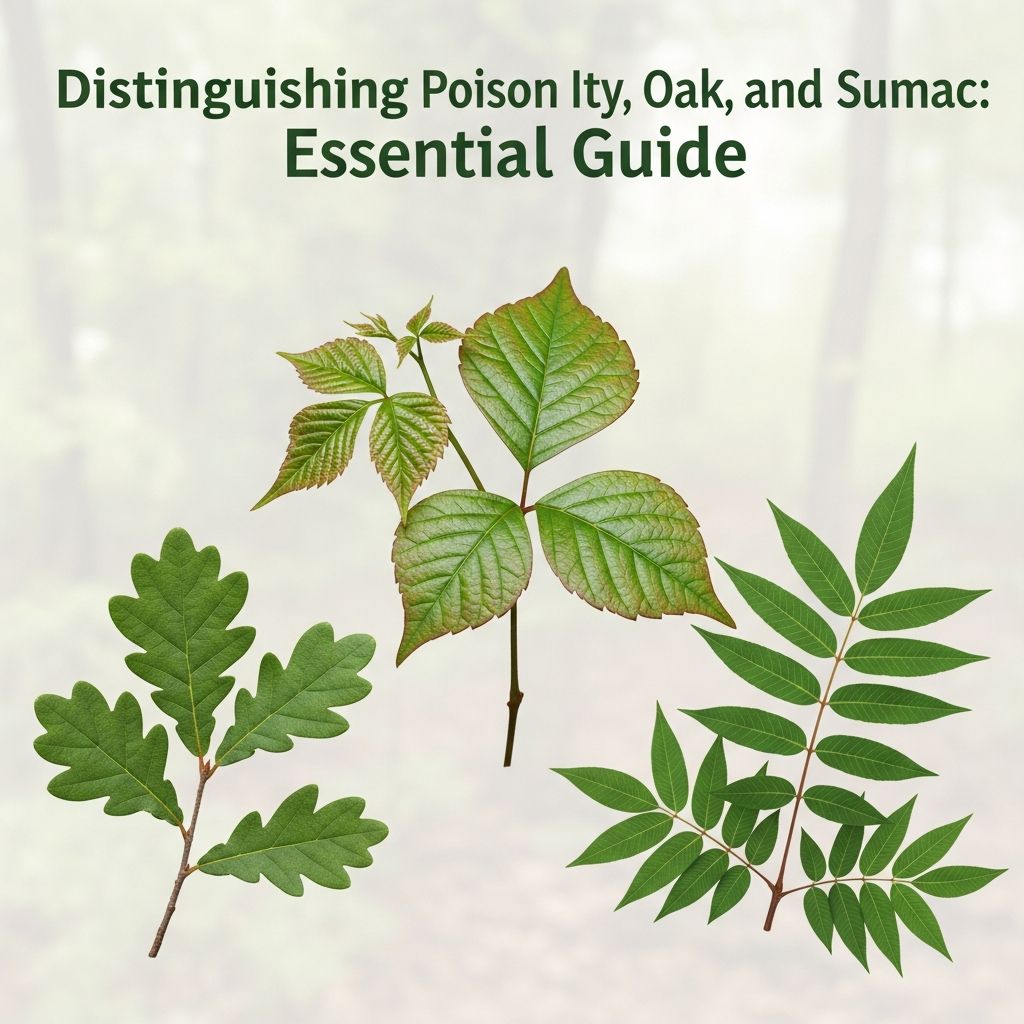
Outdoor exploration brings joy to families, but hidden dangers like toxic plants can lead to uncomfortable rashes. Poison ivy, poison oak, and poison sumac all contain urushiol, an oil that triggers allergic reactions in most people, causing itchy, blistering skin issues. Recognizing these plants is crucial, especially for parents with young children who may unknowingly touch them during play.
Understanding the Common Culprit: Urushiol Oil
The key to the danger lies in urushiol, a colorless, odorless resin found in every part of these plants—from roots and stems to leaves, flowers, and berries. This potent allergen binds to skin proteins, prompting an immune response that results in dermatitis. About 85% of people are sensitive to it, with reactions worsening upon repeated exposure. Even dead plants or smoke from burning them can carry the oil, making year-round vigilance necessary.
Spotting Poison Ivy: The Versatile Vine
Poison ivy is widespread across the U.S., thriving in diverse environments from urban edges to wild forests. It grows as either a ground-hugging vine or a climber scaling trees and structures, sometimes reaching impressive diameters over 2 inches with hairy aerial roots.
- Leaf Structure: Classic “leaves of three, let it be”—three leaflets per stem, almond-shaped, 2-4 inches long, glossy green in summer, turning vibrant red or orange in fall.
- Edges: Pointed, jagged teeth; can vary from smooth to lobed.
- Berries: Small, white or tan clusters in late summer.
- Regional Variations: Shrub-like in northern areas, vining in southern and western regions.
Young shoots may appear reddish, and vines feel fuzzy to the touch. Avoid anything matching this profile during hikes or backyard play.
Recognizing Poison Oak: The Shrubby Impostor
Less ubiquitous than poison ivy but equally hazardous, poison oak favors dry, sunny spots. It forms low shrubs up to 3-6 feet tall or vines in western states.
- Leaf Structure: Three leaflets, resembling oak leaves—rounded lobes, dull green above, fuzzy white below.
- Edges: Rounded teeth or smooth; leaflets often cluster at stem tips.
- Berries: White to yellowish-green.
- Growth Habit: Shrubby in East/South, vining in West.
In fall, leaves shift to red hues. The short stalk on the middle leaflet distinguishes it from harmless look-alikes.
Identifying Poison Sumac: Swamp Dweller
Poison sumac stands apart, confined to wet, boggy areas in the eastern and southeastern U.S., growing as shrubs or trees up to 20 feet.
- Leaf Structure: 7-13 smooth, oblong leaflets (2-4 inches), arranged oppositely in pairs along a red stem, with pointed tips.
- Edges: Entire or slightly wavy, no teeth.
- Berries: Smooth, greenish-white, drooping clusters—key differentiator from safe sumacs with red, upright fruits.
- Other Features: Bright red stems and stalks year-round.
Its rarity outside swamps offers some solace, but encounters demand caution.
Look-Alike Plants: Safe Alternatives to Know
Misidentification leads to unnecessary fears. Here’s a comparison table of common mimics:
| Plant | Leaflets | Key Differences from Toxic Plants | Fruit Color |
|---|---|---|---|
| Virginia Creeper | 5 leaflets | Less hairy vines, disk-like rootlets; rarely causes rash | Blue-black |
| Fragrant Sumac | 3 leaflets | Single attachment point, no short stem on middle leaflet | Red |
| Smooth Sumac | 11-31 leaflets | Toothed edges, red berries | Red |
| Winged Sumac | 11+ leaflets | Leafy wings on rachis | Red |
| Boxelder | 3 leaflets | Opposite leaves (vs. alternating in poison ivy) | N/A |
| Skunk Bush Sumac | 3 leaflets | Waxy, soft texture; red hairy berries | Red |
Rule of thumb: If unsure, steer clear. Non-toxic sumacs boast red berries, while poison sumac’s are pale.
Symptoms of Exposure: What to Expect
Urushiol penetrates skin in minutes, with reactions peaking in 1-3 days. Initial signs include redness, intense itching, swelling, and linear blisters from brushing against plants. Rashes spread via oil transfer, not fluid. Severe cases involve widespread coverage or facial swelling.
- Mild: Localized itch, bumps.
- Moderate: Blisters, oozing.
- Severe: Fever, infection risk if scratched.
Babies may show fussiness, drooling from mouth blisters. Reactions vary; some experience none initially but sensitize over time.
Immediate Prevention Strategies for Families
Proactive steps safeguard little explorers:
- Wear long sleeves, pants, gloves during high-risk activities.
- Teach kids: “Leaves of three or more, leave them on the floor.”
- Wash pets, gear, clothes in soapy water post-outing—urushiol lingers.
- Use barrier creams like those with bentoquatam before exposure.
- Avoid burning plants; smoke carries toxins to lungs.
For babies, babywear or strollers keep them elevated from ground cover.
First Aid: Washing Away the Danger
Act fast—within 30 minutes—for best results:
- Rinse with lukewarm running water; avoid hot water that opens pores.
- Clean under nails; use alcohol wipes if available.
- Launder clothes separately in hot water.
- Apply cool compresses to soothe.
For infants, use fragrance-free baby soap gently.
Treatment Options: Relieving the Itch
No cure speeds healing (1-3 weeks), but symptom relief helps:
- Topicals: Calamine lotion, hydrocortisone (1% for kids over 2), oatmeal baths.
- Oral: Antihistamines like diphenhydramine for sleep-disrupting itch (consult pediatrician for babies).
- Natural Aids: Aloe vera, baking soda pastes.
Avoid scratching to prevent bacterial infections like staph.
When to Seek Medical Help
Monitor closely; escalate if:
- Rash on face/genitals, eyes, mouth.
- Breathing issues, hives (anaphylaxis rare but possible).
- Blisters ooze pus, fever, red streaks.
- Covers >25% body or persists beyond 2 weeks.
Children under 2 or with compromised immunity need prompt evaluation. Steroids may be prescribed for severe cases.
Frequently Asked Questions
Can you get a poison ivy rash from someone else?
No, rashes don’t spread person-to-person via fluid, only unwashed urushiol on skin/tools.
Is poison ivy rash contagious to babies?
Not directly, but transfer oil before washing. Isolate and clean promptly.
How long does poison sumac rash last?
Typically 1-3 weeks, like others; severity dictates duration.
Are there plants more toxic than these?
Poison hemlock is ingestible poison, not contact rash; far deadlier if eaten.
Can pets get rashes from these plants?
Dogs/cats fur protects, but oil carries to humans; bathe pets ASAP.
Seasonal Awareness and Long-Term Safety
These plants persist year-round. Spring: Tender new growth. Summer: Lush leaves. Fall: Colorful but oily. Winter: Bare vines/stems still hazardous. Educate via apps or local extension services for region-specific ID.
For families, integrate plant safety into outdoor routines—picnic checklists, trail apps. With knowledge, nature remains a playground, not a hazard zone.
References
- Touch-Me-Nots: Poison Ivy, Poison Oak, and Poison Sumac — Alabama Cooperative Extension System (ACES). 2023-05-15. https://www.aces.edu/blog/topics/forestry/touch-me-nots-poison-ivy-poison-oak-and-poison-sumac/
- Poison Ivy, Poison Oak, Poison Sumac – What’s the Difference? — Integrity Urgent Care. 2024-06-20. https://integrityuc.com/poison-ivy-poison-oak-poison-sumac-whats-the-difference/
- Poison Ivy, Poison Oak and Similar Plant Identification — Oklahoma State University Extension. 2022-08-10. https://extension.okstate.edu/fact-sheets/poison-ivy-poison-oak-and-similar-plant-identification.html
- Recognizing Poison Ivy, Oak and Sumac — Children’s Hospital of Philadelphia (CHOP). 2023-11-05. https://www.chop.edu/news/health-tip/recognizing-poison-ivy-oak-and-sumac
- Poison Ivy Rash, Poison Oak, Poison Sumac — Cleveland Clinic. 2025-03-12. https://my.clevelandclinic.org/health/diseases/10655-poison-plants-poison-ivy–poison-oak–poison-sumac