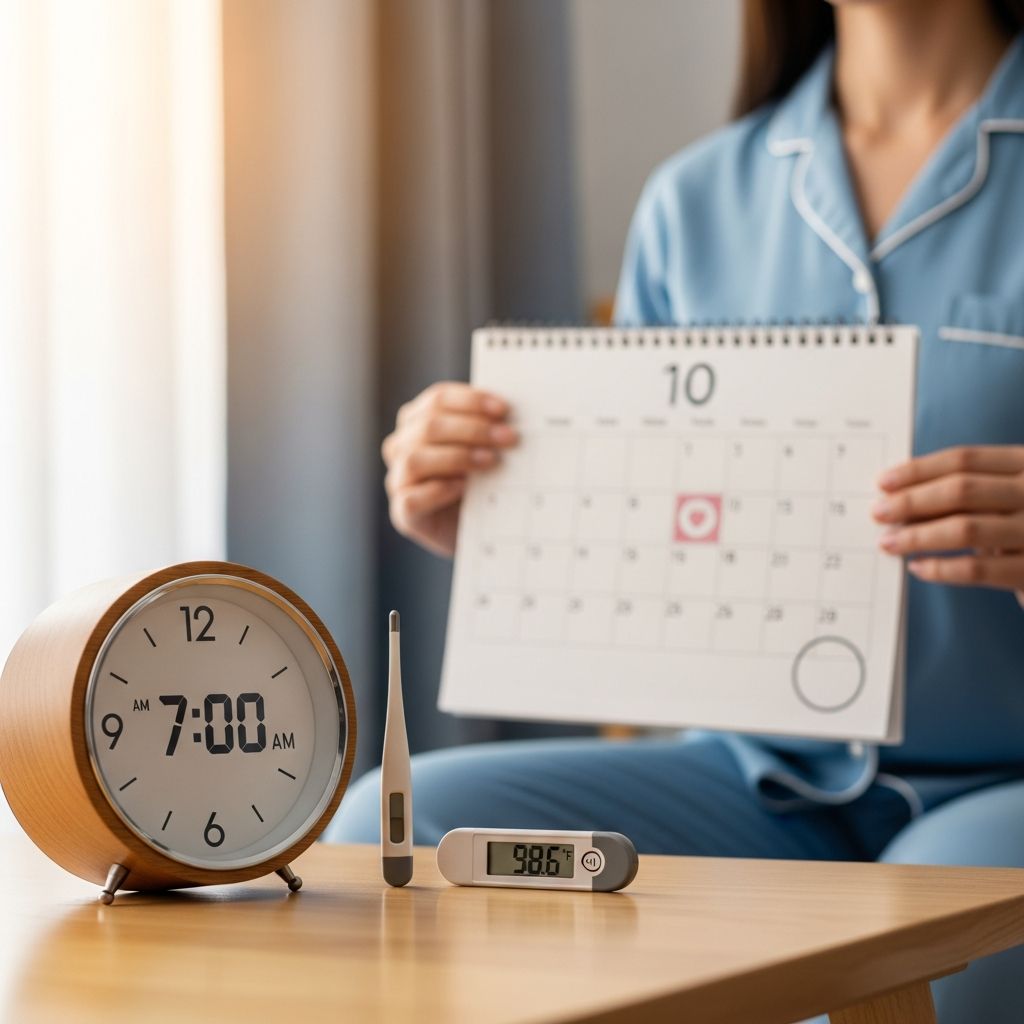
Timing intercourse not just to your menstrual cycle but also to specific times of day can significantly enhance conception probabilities. Research indicates that sperm quality, including motility and count, fluctuates with circadian rhythms, peaking in the morning hours for many individuals.
Understanding Circadian Rhythms and Sperm Performance
The body’s internal clock governs hormone levels, including testosterone, which directly impacts sperm production and vitality. Studies show higher sperm concentration and motility in early morning samples compared to evening ones, potentially due to overnight recovery periods. This natural peak aligns with rested reproductive systems, offering a biological advantage for couples aiming to conceive.
Male fertility experts recommend morning intimacy because testosterone levels surge after sleep, optimizing sperm parameters. Evening intercourse, while viable, may involve fatigued sperm from daily activities, slightly reducing efficacy. However, the fertile window—spanning five days before ovulation plus the ovulation day—remains the primary determinant, with daily timing as a complementary factor.
Mapping Your Personal Fertile Window
The core to successful conception lies in identifying the **fertile window**, typically days 10-16 in a 28-day cycle for many women. Ovulation occurs roughly 14 days before the next period, creating a six-day opportunity where sperm can meet the egg.
- Day 1-5 pre-ovulation: Sperm survival up to five days allows early timing success.
- Day before ovulation: Peak probability, as fresh sperm awaits the egg release.
- Ovulation day: Highest odds, with the egg viable for 12-24 hours.
Irregular cycles complicate predictions; track multiple months to average lengths. Subtract 14 from shortest and longest cycles for window estimates—for a 25-30 day range, target days 11-16.
Proven Methods to Detect Ovulation Precisely
Combine natural signs with tools for accuracy:
| Method | How It Works | Pros | Cons |
|---|---|---|---|
| Basal Body Temperature (BBT) | Track slight post-ovulation rise (0.5-1°F) | Inexpensive, confirms ovulation | Retrospective; misses pre-ovulation timing |
| Cervical Mucus Observation | Clear, stretchy “egg white” signals fertility | Free, real-time indicator | Requires practice; infections interfere |
| LH Surge Tests | Detects hormone spike 24-36 hours pre-ovulation | Predictive, user-friendly | Costly for frequent use |
| Apps and Wearables | Integrate cycle data, symptoms, BBT | Convenient tracking | Less accurate without inputs |
Intercourse every 1-2 days during this window ensures optimal sperm presence without depletion. LH tests shine by forecasting the two most fertile days.
Why Morning Intercourse May Hold the Edge
Delving deeper, morning sessions leverage peak sperm motility—up to 20-30% higher than afternoons in some analyses. Post-sleep hydration and hormone balance contribute, while evening stress or alcohol can diminish quality. Couples report higher success aligning peak fertility days with mornings.
That said, consistency trumps perfection. Daily or alternate-day relations throughout the window suffice, as viability hinges more on cycle timing than hours. For shift workers, adapt to personal rhythms via consistent tracking.
Lifestyle Factors Enhancing Timing Success
Beyond timing, optimize conditions:
- Avoid hot tubs/saunas: Heat impairs sperm.
- Limit caffeine/alcohol: Excess reduces motility.
- Maintain healthy weight: Balances hormones.
- Manage stress: Cortisol disrupts ovulation.
Women note heightened libido near ovulation, naturally aiding frequency.
Common Myths About Conception Timing Debunked
Myth 1: You can only conceive mid-cycle. Reality: Fertile days shift; early cycles ovulate sooner.
Myth 2: Sex post-ovulation works. Reality: Egg viability ends quickly; pre-timing is key.
Myth 3: Nighttime is romantically superior. Reality: Biology favors mornings for sperm metrics.
Advanced Strategies for Persistent Challenges
For irregular cycles, consult fertility specialists. Blood tests or ultrasounds pinpoint ovulation precisely. Apps like those integrating BBT and LH data improve predictions over calendars alone. Couples over 35 or after 6-12 months trying should seek evaluation per ACOG guidelines.
Frequency matters: Every other day avoids sperm exhaustion while maintaining supply.
Frequently Asked Questions
What’s the absolute best time of day for conception?
Mornings, due to superior sperm motility and testosterone peaks post-sleep.
How long is the fertile window exactly?
Five days before ovulation plus the day of, totaling six days.
Can I conceive outside my fertile window?
Rarely; probabilities plummet post-ovulation.
Do ovulation tests guarantee pregnancy?
No, they optimize timing; success rates ~20-25% per cycle.
How often should we have sex when trying?
Every 1-2 days in the fertile window.
Real Couples’ Success Stories
Many share breakthroughs after morning shifts and tracking: One couple conceived after 4 months by targeting days 12-16 mornings, using LH strips. Emphasizes persistence and data-driven adjustments.
Expand tracking to 3-6 months for patterns, especially irregular cycles. Patience yields results—85% conceive within a year.
References
- Which is the best time to conceive morning or night — Dr. Aravind IVF. Accessed 2026. https://www.draravindsivf.com/blogs/which-is-the-best-time-to-conceive-morning-or-night
- How to Best Time Intercourse When Trying to Conceive (TTC) — Progyny. Accessed 2026. https://progyny.com/education/how-to-best-time-intercourse-when-trying-to-conceive-ttc/
- Ovulation: When Is the Best Time to Get Pregnant? — University of Utah Health (.edu). Accessed 2026. https://healthcare.utah.edu/fertility/patient-education/ovulation
- Getting Pregnant: When is the BEST time to have sex — Women’s Health Melbourne. Accessed 2026. https://www.womenshealthmelbourne.com.au/blog/getting-pregnant-when-is-the-best-time-to-have-sex
- Best time to get pregnant – Clearblue — Clearblue. Accessed 2026. https://www.clearblue.com/how-to-get-pregnant/best-time-to-get-pregnant
- The timing of the “fertile window” in the menstrual cycle — PMC (NCBI, peer-reviewed). 1998 (seminal study). https://pmc.ncbi.nlm.nih.gov/articles/PMC27529/
- When is the best time to conceive? — Sanford Health News. Accessed 2026. https://news.sanfordhealth.org/womens/when-is-the-best-time-to-conceive/
- Trying to Get Pregnant? Here’s When to Have Sex — ACOG (.org, official). Accessed 2026. https://www.acog.org/womens-health/experts-and-stories/the-latest/trying-to-get-pregnant-heres-when-to-have-sex