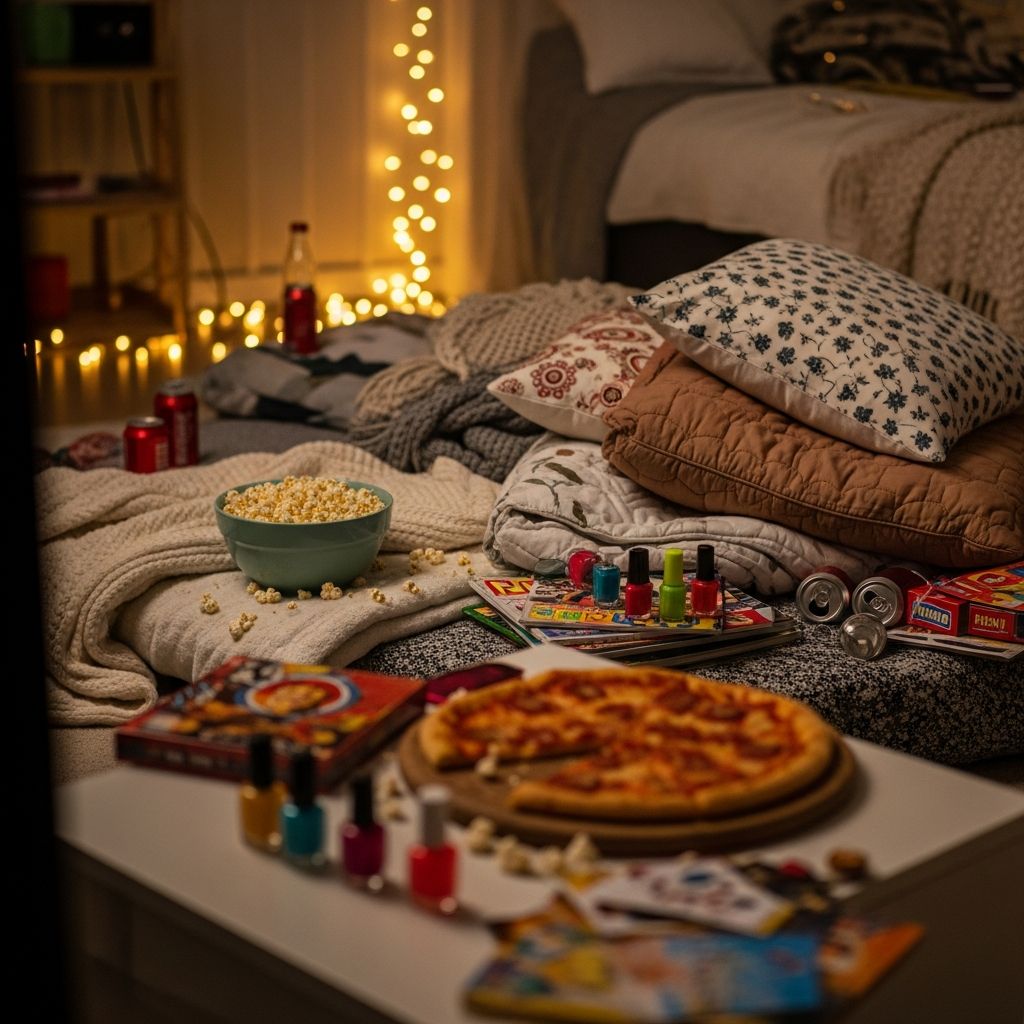
Hosting the Perfect Slumber Party: A Complete Guide for Parents
Planning a slumber party can feel overwhelming, but with the right preparation and strategies, you can create an unforgettable experience for your child and their friends. Whether this is your first time hosting or you’re a seasoned party planner, this comprehensive guide covers everything you need to know to execute a successful sleepover from start to finish.
Understanding the Basics of Slumber Parties
A slumber party is more than just kids sleeping over at your house—it’s an opportunity to create lasting memories, strengthen friendships, and give children independence in a safe, supervised environment. Before diving into the planning process, it’s important to understand what makes a slumber party successful and what challenges you might face.
The key to a great slumber party is balancing structured activities with downtime, maintaining clear expectations with both children and parents, and creating an environment where every guest feels included and comfortable. With proper planning and organization, you can minimize chaos and maximize fun.
Determining the Right Age and Group Size
Not all children are ready for their first sleepover, and the timing matters. Most experts recommend waiting until children are at least 7 years old before hosting a slumber party, as younger children may struggle with being away from home and understanding rules. At this age, children typically can communicate their needs, follow instructions, and handle minor homesickness.
When deciding on group size, consider your home’s capacity and your comfort level. A smaller group of 4-6 children is generally easier to manage than a large gathering, but larger parties of 8-10 are certainly possible with adequate preparation. Factors to consider include the number of bedrooms, bathrooms, and your ability to supervise and entertain multiple children simultaneously.
Sending Invitations and Getting RSVPs
The invitation is your first communication tool with both children and parents, so make it clear, detailed, and appealing. Send invitations at least 2-3 weeks in advance to give families time to plan and respond.
Your invitation should include:
- Your child’s name and the event title (e.g., “Sarah’s Birthday Sleepover!”)
- Date and day of the week (Saturdays are ideal to avoid school-day fatigue)
- Drop-off time (3 PM or later is recommended to allow for other Saturday activities)
- Pick-up time (between 10 AM and 12 PM the next day)
- Your full address and phone number
- RSVP date and contact information
- Directions (optional, but helpful for guests unfamiliar with your area)
- Any special instructions or what to bring
Send a friendly reminder to parents about one week before the party with finalized details and any last-minute information. This ensures nothing is forgotten and gives parents a chance to address any concerns.
Planning Sleeping Arrangements
One of the biggest logistics challenges of hosting a slumber party is figuring out where everyone will sleep. Before the party, work with your child to determine the best sleeping arrangements for your home.
Modern slumber parties often involve air mattresses, which is more comfortable than the pallets and sleeping bags of previous generations. Make sure you have enough sleeping surfaces for all guests, even if some don’t attend. Air mattresses are easier to manage than traditional sleeping bags and take up less space. If you don’t have enough air mattresses, consider renting or borrowing them from friends.
When planning the bedroom layout, keep children in common areas or adjacent rooms so you can hear them and check on them easily. Designate a specific space for sleeping to keep the rest of your house undisturbed. Ensure all sleeping areas have adequate blankets, pillows, and comfortable bedding. Ask guests to bring their own pillows and sleeping bags as backup or comfort items.
Prepare a quiet, dark sleeping area with minimal distractions. Consider using drapery or room dividers to separate the sleeping space from activity areas, creating a designated “sleep zone” that signals bedtime when it’s time to wind down.
Creating a Party Schedule and Timeline
Structure is essential to keeping a slumber party running smoothly. Develop a rough timeline that provides flexible structure and allows for natural flow throughout the evening and night. Your timeline should guide activities without being so rigid that it prevents spontaneity.
A typical slumber party timeline might look like:
- 3:00 PM – Arrival: Welcome guests, show them where to put belongings, and start an arrival activity like decorating or music
- 3:30 PM – First Activity: Engage in a structured activity such as crafts, games, or outdoor play
- 5:00 PM – Snack Time: Provide snacks and drinks for sustained energy
- 5:30 PM – Second Activity: Continue entertainment with movies, games, or group activities
- 7:00 PM – Dinner: Serve the main meal, preferably something casual and kid-friendly
- 8:00 PM – Free Time/Third Activity: Allow for relaxation, free play, or another structured activity like DIY spa treatments
- 9:30 PM – Wind-Down Activities: Transition to calmer activities like movies, storytelling, or quiet crafts
- 10:30 PM – Bedtime Routine: Send kids to brush teeth and get ready for bed
- 11:00 PM – Lights Out: Enforce the non-negotiable bedtime
- Next Morning – Breakfast and Departure: Serve breakfast and have parents pick up between 10 AM and 12 PM
Having a timeline helps manage energy levels and ensures kids are tired enough to sleep at bedtime. It also gives you a framework for making decisions throughout the evening.
Planning Engaging Activities and Entertainment
The success of a slumber party hinges on keeping guests entertained and engaged. Plan 2-3 structured activities, but also leave plenty of free time for relaxation, spontaneous fun, and bonding.
Excellent activity options include:
- Crafts: Tie-dye shirts, jewelry making, decoration projects, or DIY spa items like bath bombs and lip gloss
- Games: Board games, card games, charades, MASH, or video games depending on age and interests
- Pool Activities: Swimming, pool games, and water balloon fights (if weather permits and you have a pool)
- Outdoor Games: Nerf gun wars, scavenger hunts, or flashlight tag
- Spa Party: Manicures, pedicures, facials, and relaxation activities that prepare kids for sleep
- Movie Marathon: Watch age-appropriate films with snacks and blankets
- DIY Projects: Blanket forts, decorating t-shirts, or group art projects
- Special Events: TikTok video creation, lip-sync battles, or talent shows
Rotate between high-energy and calm activities to manage excitement levels. Include at least one activity that allows kids to express creativity or showcase their talents. This keeps everyone engaged and prevents boredom.
Planning and Preparing Food and Drinks
Food is a central element of any slumber party. Keep meals and snacks simple, kid-friendly, and easy to manage with minimal cleanup.
Dinner Ideas: Pizza is the quintessential slumber party food and incredibly practical. You can order it, make it yourself with pre-made crusts, or have older kids build their own pizzas as an activity. Other easy options include hot dogs, tacos, pasta, or sandwich platters.
Snacks: Offer an abundance of snacks throughout the evening, including popcorn, chips, pretzels, candy, fruit, cheese and crackers, and baked goods. Consider letting older girls make and decorate cupcakes as part of the party activities, as long as they clean up afterward.
Beverages: Stick with juice boxes or pouches and clear juices rather than soda or caffeinated drinks. Caffeine will overstimulate children and make bedtime nearly impossible. Offer plenty of water as well. Set up drink stations so kids can help themselves without spills.
Breakfast: The next morning, serve a simple breakfast like cereal, toast, bagels, fruit, or pancakes. This keeps kids satisfied until parents pick them up and allows for an easier morning.
Ground Rules for Food: Establish clear rules about where eating is allowed (typically only the kitchen or dining room) and enforce a no-sneaking-food rule to prevent messes throughout your house.
Establishing Ground Rules and Expectations
Before the fun begins, communicate clear, non-negotiable ground rules to all guests. These rules should cover safety, respect, and appropriate behavior while allowing room for fun and spontaneity.
Essential ground rules include:
- No running or rough-housing inside the house
- Designated rooms that are off-limits (parents’ bedroom, valuable collections, etc.)
- Non-negotiable bedtime (even if kids aren’t sleeping, they must stay in the sleeping area)
- No eating outside the kitchen or dining area
- No sneaking out or leaving the property
- Phones collected after a certain time (no texting after 9 PM, for example)
- Respectful treatment of others (no bullying, exclusion, or mean behavior)
- Bathroom etiquette and privacy rules
- Quiet voices during quiet hours
Explain these rules calmly and matter-of-factly when kids arrive. You might even make a fun sign or poster to remind them. Reinforce the Golden Rule—treat others how you want to be treated—to encourage kindness and respect.
Preparing Your Home for Guests
Before guests arrive, prepare your home to make it comfortable, safe, and welcoming for sleeping children and activities.
Sleeping Area Preparation: Set up all air mattresses or beds with fresh sheets, blankets, and pillows. Ensure adequate spacing between sleeping surfaces. Test air mattresses beforehand to confirm they hold air throughout the night.
Bathroom Setup: Stock bathrooms with extra toilet paper, soap, towels, washcloths, and a trash can. Have a nightlight in the bathroom for nighttime use. Consider having a basket for collecting phones after a certain time.
Common Area Setup: Arrange the living room or family room with comfortable seating for movies and games. Ensure the entertainment center (TV, gaming systems, stereo) is easily accessible. Keep board games, crafts, and activity supplies organized and visible.
Safety Considerations: Clear walkways and ensure adequate lighting, especially in hallways and bathrooms. Remove any breakable items from common areas. Secure any hazardous materials or valuables in locked areas.
Ambiance: Consider decorating the party space with balloons, streamers, or themed decorations. Play music during arrival and throughout activities to set a fun, festive mood.
Managing the Sleepover: What to Expect and How to Handle It
Even with perfect planning, sleepover situations will arise that require flexibility and problem-solving. Here are common scenarios and how to handle them:
The Homesick Guest: Some children, especially on their first sleepover, may get upset or want to go home close to bedtime. Have a phone readily available for a parent call, but try comfort strategies first—extra attention, a favorite activity, or a call to a parent who reassures them they’re safe. Many times, the feeling passes quickly.
Special Needs: Communicate with parents beforehand about any special needs or sensitivities. If a child wears pull-ups overnight or has other private concerns, do everything you can to maintain their dignity and keep the situation confidential.
The Shy or Left-Out Guest: In larger groups, some children may feel left out or disinterested. Subtly integrate them into activities by finding their interests, assigning them a buddy, or creating opportunities for one-on-one interaction.
Too Much Energy at Bedtime: If kids are overstimulated at bedtime, transition to calmer activities earlier—dim lights, turn down volume on movies, and encourage quiet crafts or reading. Avoid sugar and caffeine in the hours before bed.
Conflicts Between Guests: Have a strategy for handling disagreements or hurt feelings. Listen to all sides, help kids problem-solve, and remind them of the Golden Rule and respect for others.
Alternative Option: The “Sleepunder”
If you or your child are hesitant about a full sleepover, consider hosting a “sleepunder” instead. This is a party where kids enjoy all the fun activities and excitement but go home before bedtime, typically around 8-9 PM. This option works well for younger children, first-time sleepover attendees, or families with early-morning commitments. It removes the stress of managing sleeping children while maintaining the party atmosphere.
Post-Party Responsibilities
Before guests leave, make sure their belongings are organized and ready to go. If you’ve washed bathing suits or other items overnight, have them dry and packed. Do a quick walkthrough to ensure no personal items are left behind.
Send a thank-you message to parents within a day or two, letting them know their child was wonderful and thanking them for allowing them to attend. Include a photo or two from the party if you took any.
Frequently Asked Questions
What is the minimum age for a slumber party?
Most experts recommend waiting until children are at least 7 years old before hosting a sleepover. At this age, children typically can understand and follow rules, communicate effectively, and handle being away from home without excessive homesickness.
How many kids should I invite?
The ideal group size depends on your home and comfort level, but 4-8 children is generally manageable. Smaller groups are easier to supervise, while larger parties create more excitement but require more organization.
What if a child wants to go home during the party?
Have a plan in place. Try comfort strategies first, but be prepared to call a parent for pick-up if the child is genuinely distressed. Don’t force a child to stay if they’re truly homesick.
Should I stay up all night with the kids?
No. Once kids are settled and asleep, you can retire to your bedroom. However, stay alert and available if a problem arises. You don’t need to supervise every moment, but you should be nearby and responsive.
What should kids bring to a sleepover?
Parents should send their child with pajamas, a change of clothing for the next day, a toothbrush, toiletries, and a sleeping bag or pillow for comfort. Include any medications or special items the child might need.
How can I manage bathroom time with multiple kids?
Establish a bathroom schedule or rotation system, especially for bedtime routines. Having multiple bathrooms helps. Remind kids to keep showers quick and to respect others’ privacy.
What if I don’t have enough beds?
Air mattresses are an affordable and practical solution. Alternatively, you can use sleeping bags on padded floors or pallets. Make sure every child has a comfortable sleeping surface.
Is it okay to collect cell phones during the sleepover?
Yes, collecting phones after a certain time (like 9 PM) is a smart strategy. It reduces distractions, encourages sleep, and minimizes drama between kids. Parents appreciate knowing their children aren’t glued to screens during the sleepover.
How do I prevent the house from getting destroyed?
Clear ground rules, consistent enforcement, and advance preparation are key. Keep valuables secured, establish no-eating-outside-the-kitchen rules, and supervise activities. Involve kids in cleanup as part of the experience.
What makes a slumber party successful?
A successful slumber party balances structured activities with free time, includes engaging entertainment, maintains clear expectations, provides comfort and safety for all guests, and creates an inclusive environment where everyone feels welcome and valued.
References
- A Sleepover Guide for Parents — Little Dreamers Sleepovers. 2024. https://littledreamerssleepovers.com/a-sleepover-guide-for-parents/
- The Parent’s Ultimate Guide to Sleepovers — Familius.com. 2024. https://familius.com/the-parents-ultimate-guide-to-sleepovers/
- Slumber Party Dos and Don’ts — San Diego Family Magazine. 2024. https://www.sandiegofamily.com/resources/san-diego-party-planner/slumber-party-dos-and-donts
- A Step-by-Step Guide for Hosting A Tween Birthday Party Sleepover — Grace Hamlin. 2024. https://www.gracehamlin.com/sleepover-guide/
- 9 Things to Look For in a Sleepover Party Company (Parents’ Guide) — UpParties. 2024. https://upparties.com/www-upparties-com-blog-sleepover-party-company/
- Sleepover Guidelines That All Parents Should Know — ParentMap. 2024. https://www.parentmap.com/article/sleepover-guidelines-all-parents-should-know