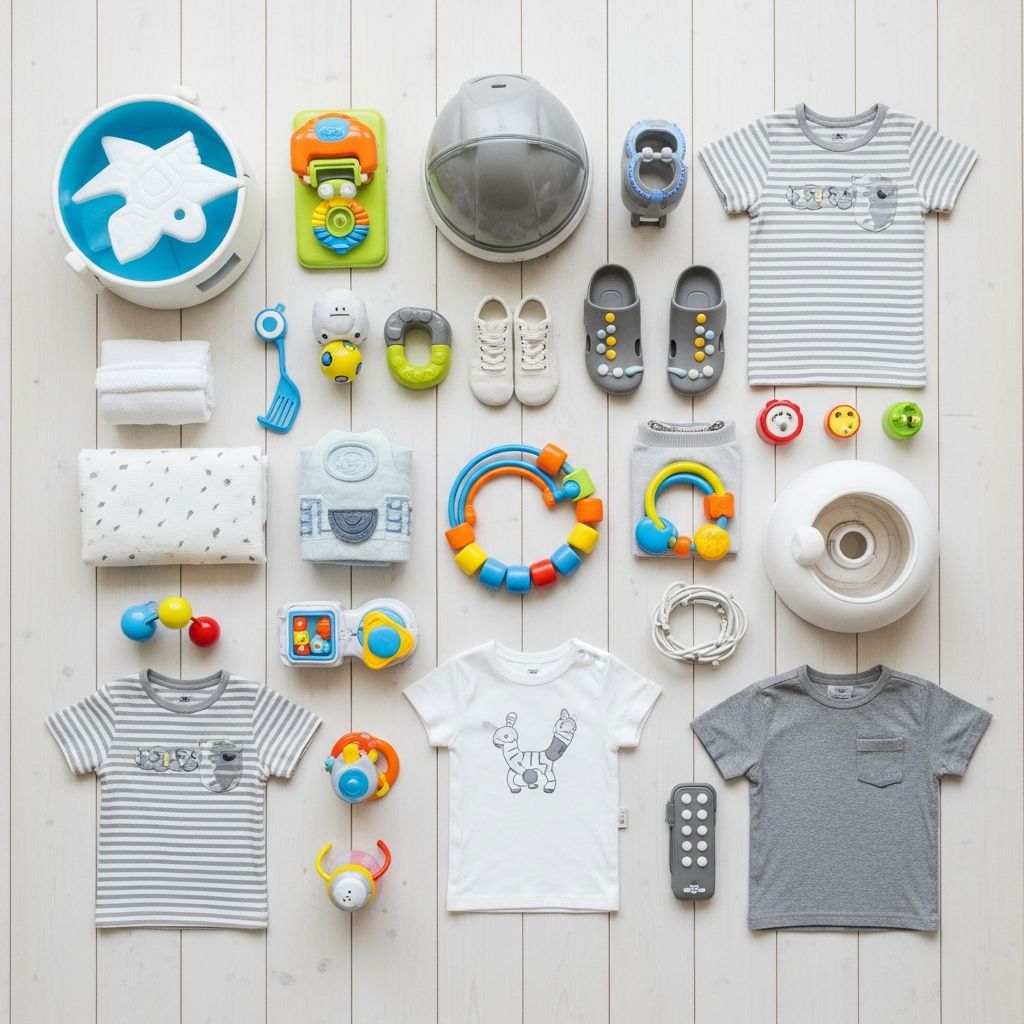
Parenting comes with endless stuff—tiny shoes, outgrown onesies, forgotten toys, and baby gear that barely gets used before it’s obsolete. A well-organized swap party turns that clutter into community, giving families a chance to trade what they no longer need for items they will actually use.
This guide walks you through how to plan, host, and enjoy a toy, gear, and clothing swap that feels fun, fair, and stress-free, whether you’re inviting three close friends or filling a community hall.
Why Swap Instead of Shop?
Swap events are more than frugal alternatives to shopping sprees; they offer a smart, sustainable, and community-building way to keep up with kids’ constantly changing needs. Before diving into logistics, it helps to be clear on the benefits so you can communicate them to your guests.
- Save money: Trade items your child no longer uses for things they need now, without spending a cent.
- Reduce waste: Keep clothes, toys, and gear in circulation instead of sending them to the landfill.
- Build community: Create a relaxed space for parents to connect, share tips, and support one another.
- Declutter mindfully: Let go of excess while knowing your items are going to a family who will appreciate them.
Choosing Your Swap Style
Not every swap needs to look the same. The right style depends on your space, your guest list, and how structured you want the event to feel. Start by choosing the general theme and scope.
Focus Areas to Consider
- Toy swap: Best for playgroups and preschool families; think puzzles, games, dolls, building sets, and books.
- Clothing swap: Ideal for fast-growing babies and toddlers; group items by size and season.
- Baby gear exchange: Strollers, carriers, bouncers, high chairs, and more—works well with a slightly smaller group for easier coordination.
- Mixed family swap: A little of everything. Great for neighborhoods or parent networks with kids of different ages.
Format Options
Once you know what you’re swapping, pick a format that fits your group’s personality and your tolerance for structure.
- Open table browsing: Everyone lays items out on tables and browses freely. Guests take what they need and are encouraged to be considerate and not hoard.
- Ticket or token system: Guests earn a ticket for each item they bring and use tickets to “buy” new items at the swap.
- Round-by-round selection: Participants stand or sit in a circle, and each round everyone chooses one item until the tables are mostly cleared.
- Theme-based stations: Separate tables for clothing, books, toys, and gear, allowing guests to focus on what matters most to them.
Planning the Perfect Parent Swap
A bit of planning makes the event smoother and more enjoyable for everyone. Use this as a checklist when mapping out your day.
1. Decide on Guest List and Location
- Guest list size: 6–12 families works well for home-based swaps; 20+ families may require a larger community space.
- Location ideas: Living room and dining room, community center, church hall, school gym, or shared courtyard.
- Accessibility: Consider stroller access, parking, and a spot for kids to play safely.
2. Pick a Date and Duration
- Day and time: Late morning on a weekend or early afternoon on a weekday can work well for families.
- Length: Plan for 2–3 hours total, including setup and cleanup.
- Schedule structure: Allow 30–45 minutes for item drop-off and setup before the actual swapping begins.
3. Set Simple Ground Rules
Clear guidelines keep expectations aligned and help prevent awkward moments during the swap.
- All items must be clean, in good condition, and free from major stains, tears, or damage.
- No broken toys, missing pieces, or recalled/unsafe gear.
- Participants understand that items are traded as-is, with no guarantees.
- Everyone agrees to be respectful, share popular items, and prioritize fairness over scoring the “best deal.”
Crafting Invitations That Get a Yes
Your invitation sets the tone. It should make the event sound appealing, clear, and easy to join. You can send invitations through group chats, email, social media events, or printed flyers in local parenting spaces.
Information to Include
- The focus of the swap (toys, clothing, baby gear, or a mix).
- Date, time, and exact address or location details.
- How many items guests should bring (for example, 10–20 pieces).
- Quality and safety expectations (clean, gently used, age-appropriate, safe).
- Whether kids are welcome, and if snacks or drinks will be provided.
- RSVP instructions and a contact for questions.
Tips for a Compelling Message
- Highlight benefits like “clear out your closets,” “refresh your toy shelf,” and “meet other local parents.”
- Reassure reluctant guests that there’s no pressure to bring a huge number of items.
- Use friendly, inclusive language so new parents feel comfortable joining even if they don’t know others well.
Prepping Items: What to Bring and What to Skip
Good swaps depend on good contributions. Help guests understand what types of items belong at your event and what is better donated elsewhere or recycled.
Great Items for a Family Swap
- Clothing: Clean baby and kids’ clothing, coats, pajamas, and shoes in good condition.
- Toys: Puzzles with all pieces, building sets, dolls, cars, pretend play items, and educational toys.
- Books: Board books, picture books, early readers, and parenting books in readable shape.
- Gear: Carriers, bouncers, high chairs, strollers, playpens, diaper bags, and nursing pillows.
- Extras: Maternity clothes, breastfeeding covers, pregnancy pillows, or gently used baby monitors.
Things to Avoid
- Items with strong odors, heavy wear, or visible damage.
- Outdated car seats, expired safety equipment, or items with unclear history.
- Stuffed animals or textiles with signs of pests or allergens.
- Items that are heavily personalized (names, monograms) unless someone has requested them.
Setting Up Your Space Like a Pro
Thoughtful setup helps parents find what they need quickly and keeps chaos to a minimum. Think like a small boutique, with simple categories and clear paths for browsing.
Basic Layout Suggestions
| Area | Purpose | What You Need |
|---|---|---|
| Check-in table | Guests drop items, sign in, and receive tickets (if used) | Sign-in sheet, pens, tickets or tokens, labels |
| Clothing zone | Display baby and kids’ clothes by size and type | Tables, bins or baskets, size labels (0–3m, 4T, etc.) |
| Toy and book zone | Showcase puzzles, games, and reading material | Shelves or tables, signs by age or category |
| Gear section | Designated spot for bulky items | Floor space, wall signs, safety note reminders |
| Kid corner | Safe area where children can play while adults browse | Blanket or mat, a few toys, basic supervision plan |
| Refreshment area | Snacks and drinks for guests | Water, simple snacks, napkins, trash bag |
Visual Organization Tips
- Use simple signs with large text to label sections clearly.
- Fold clothing neatly and group by size; rolling baskets or crates help keep piles tidy.
- Display toys so pieces are visible—use bins for blocks and a separate area for games and puzzles.
- Keep large gear against walls or in a dedicated corner to maintain walking space.
How to Run the Swap Smoothly
Once guests arrive, your job shifts from planner to gentle guide. A few simple steps keep things moving and ensure everyone has a fair chance to find something they love.
Suggested Flow of the Event
- Arrival and drop-off: Greet guests, collect items at the check-in table, and point them to the snack or play area.
- Sorting period: While people chat, a few volunteers sort items by category and size.
- Ground rule reminder: Briefly explain how the swap works, including any ticket system or round-by-round format.
- Swapping time: Open the space for browsing and choosing items.
- Final browse: Offer a last call round so guests can pick remaining items or snag extras.
- Wrap-up: Pack leftovers for donation and thank everyone for coming.
Managing Fairness and Expectations
- Consider a brief “browse only” window before anyone is allowed to pick items.
- Limit high-demand items (like large gear) to one per family initially.
- Encourage guests to think in terms of needs versus wants when choosing items.
- Remind parents that the goal is to help each other, not to walk away with the most stuff.
Safety, Hygiene, and Peace of Mind
Parents are understandably cautious about secondhand items, especially baby gear. Addressing safety and hygiene upfront builds trust and helps everyone feel comfortable participating.
Basic Safety Guidelines
- Encourage guests to check for product recalls and avoid bringing items with known safety issues.
- Ask that batteries be removed from electronic toys if they are corroded or unreliable.
- Remind parents to personally inspect car seats, helmets, and any protective gear before using them.
- Offer a “question table” where participants can ask the previous owner about an item’s age or history.
Hygiene Best Practices
- Provide hand sanitizer near entrance and toy tables.
- Ask guests to launder clothing and wipe down toys before bringing them.
- Have a small “repair/clean” basket for things that need minor TLC, clearly marked as such.
- Encourage families to wash or sanitize swapped items again at home before use.
What to Do with Leftover Items
No matter how well you plan, there will likely be items left on the tables at the end. Deciding ahead of time what happens to leftovers prevents awkward lingering and makes clean-up faster.
Smart Options for Extras
- Donate to charity: Partner with a local shelter, family resource center, or community closet.
- Offer a “free for all” round: Let guests grab extra items before you pack up for donation.
- Set aside for the next swap: If you plan to host regularly, store a small selection of versatile items.
- Online neighborhood groups: List quality leftovers on community platforms to reach families who couldn’t attend.
Making It Fun for Kids and Adults
The best swap events feel more like a playdate than a shopping trip. Add a few simple touches to make the experience enjoyable for little ones and relaxing for caregivers.
Kid-Friendly Touches
- A small play area with blocks, coloring pages, or a sensory bin.
- A separate table with a few “ready to play” toys kids can test out (and maybe adopt).
- Stickers or small non-food treats as a thank-you for child helpers who assist in tidying.
For the Grown-Ups
- Light snacks and drinks such as fruit, crackers, tea, and coffee.
- Soft background music to ease any initial awkwardness.
- A few conversation starters posted on the wall (“Best parenting hack you’ve tried this month?”).
- Space to sit and chat for those who finish browsing early or come primarily to socialize.
Hosting Swaps Regularly
Once you’ve successfully hosted one event, it’s easy to turn swaps into a regular tradition that keeps clutter under control year-round. Recurring swaps also deepen friendships and build a dependable local support network.
Ideas for Ongoing Swap Traditions
- Seasonal clothing swap: Rotate twice a year—spring/summer and fall/winter.
- Pre-holiday toy refresh: Swap in late fall to clear space before new gifts arrive.
- Back-to-school swap: Focus on backpacks, lunchboxes, and school-age clothing.
- Parent resource exchange: Include parenting books, craft supplies, and learning materials.
Quick Checklist for Hosts
Use this checklist as a quick reference while planning and setting up your event.
- Define the swap type (toys, clothes, gear, or mixed).
- Choose a date, time, and location.
- Create invitations with clear rules and RSVP details.
- Gather tables, signs, bins, labels, and basic supplies.
- Plan a simple flow: drop-off, sorting, swapping, wrap-up.
- Decide what to do with leftovers and identify donation options.
- Set up a small play area and refreshments, if possible.
Frequently Asked Questions
Do guests have to bring items to participate?
Participation guidelines are up to you. Many hosts prefer that guests bring at least a few items so the selection stays varied and everyone contributes, but it is also possible to allow first-time parents or families in a tight spot to come as “browsers only.” If you use a ticket system, you can give a small number of starter tickets to those who come empty-handed so they still feel welcome.
How many items should each person bring?
A typical range is 10–20 items per family, depending on your space and the number of guests. More than that can make sorting overwhelming. You can also set separate guidelines by category, such as up to 10 clothing pieces, 5 toys, and 2 larger gear items per household.
What if someone brings low-quality items?
Setting expectations in the invitation is the best prevention. If lower-quality items appear, place them in a clearly marked “well-loved / play clothes” section or gently suggest that some pieces might be better suited for donation or textile recycling. Aim to protect the swap’s overall quality without shaming any participant.
Can I host a swap outdoors?
Outdoor swaps can be wonderful in good weather, especially if you have access to a backyard, park shelter, or courtyard. Be sure to plan for shade, secure displays against wind, and have a backup plan in case of rain. Keep safety in mind by placing small or delicate items on stable tables rather than on the ground.
How do I handle very popular items like strollers or fancy toys?
You can set special guidelines for high-value pieces. Options include a separate raffle, a first-round limit of one large item per family, or drawing names from a hat if several people want the same thing. Announce these rules briefly at the start so everyone knows what to expect.
Is it okay to invite both close friends and strangers?
Absolutely. Many successful swaps combine a core group of friends with neighbors, coworkers, or parents from local groups. Clear rules, a friendly welcome, and a bit of structure help new guests feel at ease quickly and create opportunities for new friendships.
From Clutter to Connection
Hosting a toy, gear, and clothing swap is more than a clever way to declutter. It is an invitation to share resources, lighten financial pressure, and build a circle of support around your family. With a little planning and a spirit of generosity, your next “shopping trip” could happen right in your living room—powered by the families you already know and the ones you are about to meet.