Masculinity is often treated as a fixed script: be tough, stay in control, never show fear, and never let anyone see you hurt. Yet for decades, feminist thinker bell hooks argued that this script does not simply privilege men; it also wounds them, starting in boyhood, by demanding that they cut themselves off from their deepest feelings. This article reimagines her insights in a new structure, asking what it would mean for men to step out of that script and into a more honest, loving way of being.
From Cute Kid to ‘Tough Guy’: How Boys Learn to Shut Down
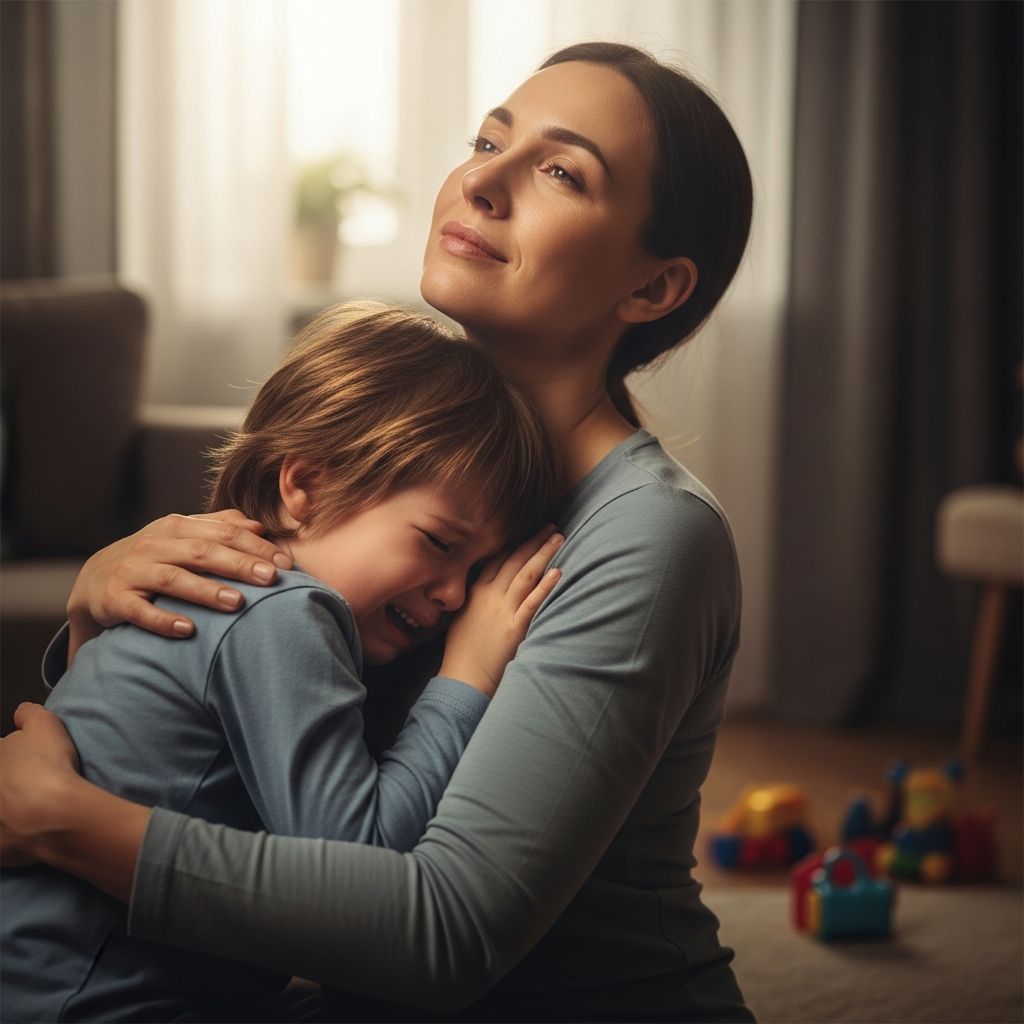
Boys are not born afraid of their emotions. In early childhood, many express sadness, fear, tenderness, and affection as freely as any other child. Over time, however, they are repeatedly shown—through comments, punishments, and social pressure—that certain feelings are off-limits if they want to be seen as “real” boys.
That conditioning usually happens in small, everyday moments that add up:
- When a crying boy hears, “Stop being a baby,” he learns that vulnerability invites shame, not comfort.
- When a gentle boy is pushed toward aggression in sports or play, he learns that soft traits are risky to display.
- When affection is mocked as “weak,” he learns that emotional closeness can threaten his social standing.
These repeated lessons tell boys that being fully themselves is not acceptable. To be accepted, they must filter their feelings and present a hardened version of who they are. What looks like maturity from the outside—less crying, more “control”—is often emotional retreat.
The Emotional Mask: Masculinity as Performance, Not Self
One of the most powerful ideas in bell hooks’s work is that, under patriarchy, masculinity functions less as an authentic identity and more as a lifelong performance. Boys learn to put on a mask that hides fear, loneliness, and tenderness behind a practiced toughness. The mask becomes a kind of armor, but it is also a cage.
This performance has recognizable rules:
- Control above all. Men are expected to control themselves, others, and circumstances, even when they feel powerless.
- Restriction of feeling. A narrow band of emotions—anger, pride, competitive excitement—is permitted, while grief or anxiety is seen as suspect.
- Constant proving. A man’s worth is presented as something he must win, defend, and re-win, rather than something he inherently possesses.
Because this mask is socially rewarded—boys are praised for being “tough,” men are admired for being “unshakeable”—many never receive permission to take it off. Over years and decades, the gap between the performed self and the inner self grows, producing a chronic sense of alienation: others know the mask, but not the person underneath.
What Patriarchal Masculinity Really Costs Men
Conversations about patriarchy often center on how it harms women and non-men, which is essential. Yet hooks insisted that systems of male dominance also demand a steep psychological price from men themselves. When boys are trained to disown their emotional lives, they do not become more powerful; they become more fragile, less able to cope with distress, and more likely to lash out or shut down.
Some of the key costs include:
- Emotional illiteracy. Men who are never taught to name and process complex emotions may experience everything as either anger or numbness.
- Isolation. If intimacy depends on sharing inner life, then a man who cannot access his feelings struggles to form close, sustaining bonds.
- Shame and self-betrayal. When a man continuously acts against what he truly feels in order to fit a role, he learns to see his authentic self as unworthy.
- Inability to seek help. The demand to be self-reliant at all times makes it difficult for men to ask for support, even in crisis.
The tragedy is that these wounds are so normalized that many men assume they are just “how life is.” They might describe themselves as “not emotional” rather than recognizing that they were trained to suppress their emotions for survival.
How This Wounds Relationships with Everyone Else
The harm does not stop with the internal lives of men. A masculinity built on control, emotional restriction, and constant proving spills into every relationship a man has—partners, children, friends, coworkers. When tenderness is seen as weakness, and power as the measure of worth, relational dynamics are likely to skew toward distance or domination.
Common relational patterns that flow from this training include:
- Fear of vulnerability with partners. Even in loving relationships, a man may hold back his fears or hurts, fearing they will make him less desirable or respectable.
- Authoritarian parenting. Fathers who were shamed for their own vulnerability can feel threatened by emotional expression in their children, especially sons, and respond with harshness instead of understanding.
- Performative friendships. Male friendships may revolve around activities, teasing, or competition, leaving little room to discuss pain, confusion, or mental health without ridicule.
In this way, patriarchal masculinity becomes a cycle passed from one generation to the next. Boys absorb the model from fathers, coaches, and cultural images, and then reproduce it unless they are taught that another way is possible.
Patriarchal vs. Liberated Masculinity
One of the most transformative contributions of bell hooks’s work is the insistence that masculinity itself is not the problem; it is the patriarchal version of masculinity that does the damage. Men do not need to become less themselves—they need a new framework for what being a man can mean, one rooted in integrity, empathy, and love rather than dominance and denial.
The following table contrasts familiar features of patriarchal masculinity with key traits of a more liberated, emotionally healthy masculinity:
| Patriarchal Masculinity | Liberated Masculinity |
|---|---|
| Values dominance, control, and hierarchy. | Values mutual respect, collaboration, and shared power. |
| Equates emotional expression with weakness. | Sees emotional honesty as courage and a basis for connection. |
| Defines worth through status, income, and external success. | Defines worth through character, integrity, and capacity to love. |
| Encourages stoicism, suppression, and anger as default responses. | Encourages a full emotional range, including sadness, joy, fear, and tenderness. |
| Frames relationships as arenas for control or performance. | Frames relationships as spaces for mutual growth and vulnerability. |
This shift does not mean discarding every trait associated with masculinity. Courage, responsibility, and protectiveness can be powerful forces when rooted in empathy rather than entitlement. The goal is to move from a model that demands emotional self-erasure to one that welcomes full humanity.
Why Many Men Resist Letting Go of the Old Script
If the patriarchal model of manhood is so painful and limiting, why do so many men cling to it? Part of the answer is that it still comes with concrete advantages in many societies: higher pay, automatic authority, and freedom from some forms of scrutiny that women face. Giving up that model can feel like surrendering power.
There is also a deep psychological fear: if men stop performing toughness and invulnerability, will they still be respected, desired, or safe? Many have never seen a widely accepted example of a man who is both emotionally open and socially valued. Without living models, change can feel like leaping into the unknown.
- Some fear that exploring their inner life will open floodgates they cannot control.
- Others worry that naming their pain will be interpreted as self-pity rather than growth.
- Many have internalized the belief that their feelings are dangerous or irrelevant, especially when compared with the suffering of others.
Hooks’s work challenges that fear by insisting that men are capable of transformation without losing their strength. The question is not whether men can change, but whether families, communities, and institutions will support and reward that change.
Raising Boys Differently: Practical Shifts at Home and Beyond
Transforming masculinity begins long before adulthood. Parents, caregivers, teachers, and mentors play a crucial role in whether boys learn to armor up or grow into emotionally fluent men. Small, consistent changes in how adults respond to boys can make a major difference over time.
Supportive practices for raising emotionally healthy boys include:
- Normalize all feelings. Instead of minimizing a boy’s hurt (“It’s nothing”), help him name it (“You seem really disappointed”) and sit with it.
- Challenge gendered language. Replace “Man up” or “Boys don’t cry” with, “It’s okay to feel sad,” or, “Everyone cries sometimes.”
- Model vulnerability as adults. When men in a boy’s life speak honestly about their own fears, failures, and sadness, they show that masculinity and emotional honesty can coexist.
- Value cooperation over domination. Praise boys not just for winning or being tough, but for kindness, fairness, and the ability to apologize.
- Create spaces for reflection. Regular check-ins at home or in classrooms—asking, “How are you really doing?”—teach boys that inner life matters.
These strategies do not make boys weak; they equip them with the inner tools to navigate conflict, grief, and intimacy without collapsing into rage or withdrawal. In that sense, they build resilience of a deeper and more sustainable kind.
What Men Can Do to Heal Themselves
Men who grew up under the old rules often reach adulthood sensing that something is off but not knowing how to begin changing. The task is not to condemn themselves for being shaped by patriarchy, but to take ownership of how they will live now. Healing is a process, not a destination, and it is easier when framed as learning new skills rather than abandoning identity.
Men who want to loosen the grip of the harmful script can start by:
- Expanding emotional vocabulary. Practice naming feelings beyond “good,” “fine,” or “angry.” Words like “lonely,” “overwhelmed,” or “hurt” create space for more accurate self-understanding.
- Building honest friendships. Choose at least one trusted person and commit to talking about more than surface-level topics. Start with small disclosures and grow from there.
- Seeking therapy or support groups. Professional spaces where men can explore their histories of shame and silence can be transformative.
- Reflecting on power and responsibility. Ask how learned patterns of dominance or withdrawal may have harmed others, and consider what repair can look like.
- Practicing new behaviors in daily life. Try saying, “That really hurt my feelings,” or, “I’m scared about this,” even when it feels awkward. Repetition gradually rewires habits.
Hooks emphasized that men are not fixed in place by their upbringing. The willingness to do inner work, to listen, and to change behavior in relationships is a powerful expression of courage—not its opposite.
How Partners, Friends, and Families Can Support Men’s Growth
Men cannot transform in isolation. The communities around them—especially intimate partners, friends, and family members—can either reinforce old patterns or nurture new ones. Supporting a man’s emotional growth does not mean doing his work for him, but it does mean creating conditions where vulnerability is not punished.
Helpful approaches include:
- Responding to openness with care, not ridicule. If a man shares something tender and is met with mockery or dismissal, he receives a clear message that his risk was a mistake.
- Holding boundaries with love. Supporting men does not mean tolerating harmful behavior. It means being clear about what is unacceptable while still believing in their capacity to change.
- Sharing one’s own inner life. When others speak openly about their experiences and feelings, they model the kind of reciprocal vulnerability that deep relationships require.
- Encouraging resources, not shaming need. Suggesting that a man talk to a therapist, read certain books, or join a group can be framed as a sign of respect for his growth, not proof of failure.
Supporting men in this way is not a favor granted to them; it is an investment in healthier, more reciprocal relationships for everyone involved.
FAQs: Masculinity, Men, and Emotional Healing
Is the problem masculinity itself?
The issue is not that being a man, or identifying with masculine traits, is inherently harmful. The problem is a specific, rigid version of masculinity that demands emotional shutdown, dominance, and constant proving of worth. A healthier masculinity leaves room for strength and sensitivity, for responsibility and interdependence.
Does focusing on men’s pain erase the harm men cause?
No. Recognizing that men are harmed by the same system that grants them advantages does not cancel out their responsibility for how they use power. Both truths can coexist: men can be shaped by damaging norms and still be accountable for their actions. Addressing male pain is not a distraction from justice; it is part of preventing future harm.
Can men change if those around them still expect the old script?
Change is more difficult when institutions and peer groups reward the old patterns, but it is still possible. Many men begin by building small circles—friends, partners, communities—where vulnerability and honesty are welcomed, and then gradually bring those values into wider spaces. Structural change and personal change can reinforce each other over time.
What role do fathers and male mentors play?
Male role models who show that care, accountability, and emotional openness are compatible with being a man are extraordinarily influential. When boys and younger men see older men apologize, ask for help, and show affection without shame, they gain a living example of a different future. That modeling can sometimes be more powerful than any abstract lesson.
Where can someone begin if this feels overwhelming?
Starting small is often most sustainable. That might mean reading a book about men and emotions, journaling about experiences that shaped one’s view of manhood, or having a single deeper conversation with a trusted friend. The important thing is not to do everything at once, but to keep moving, however slowly, toward greater honesty with oneself and others.
Reimagining Manhood as Love in Action
When bell hooks wrote about men and masculinity, she refused both demonization and romanticization. She saw clearly that patriarchal manhood harms women, children, and marginalized people—and also that it leaves many men emotionally maimed, unable to give or receive the very love they long for. To honor her vision is to treat men not as fixed problems, but as human beings capable of unlearning, choosing, and changing.
Reimagining manhood in this way is not a tidy project. It involves grief for what was lost in boyhood, accountability for past harm, and a willingness to experiment with new ways of relating. Yet the reward is enormous: a world in which masculinity is no longer a mask hiding pain, but a way of being that supports connection, justice, and genuine freedom for everyone.