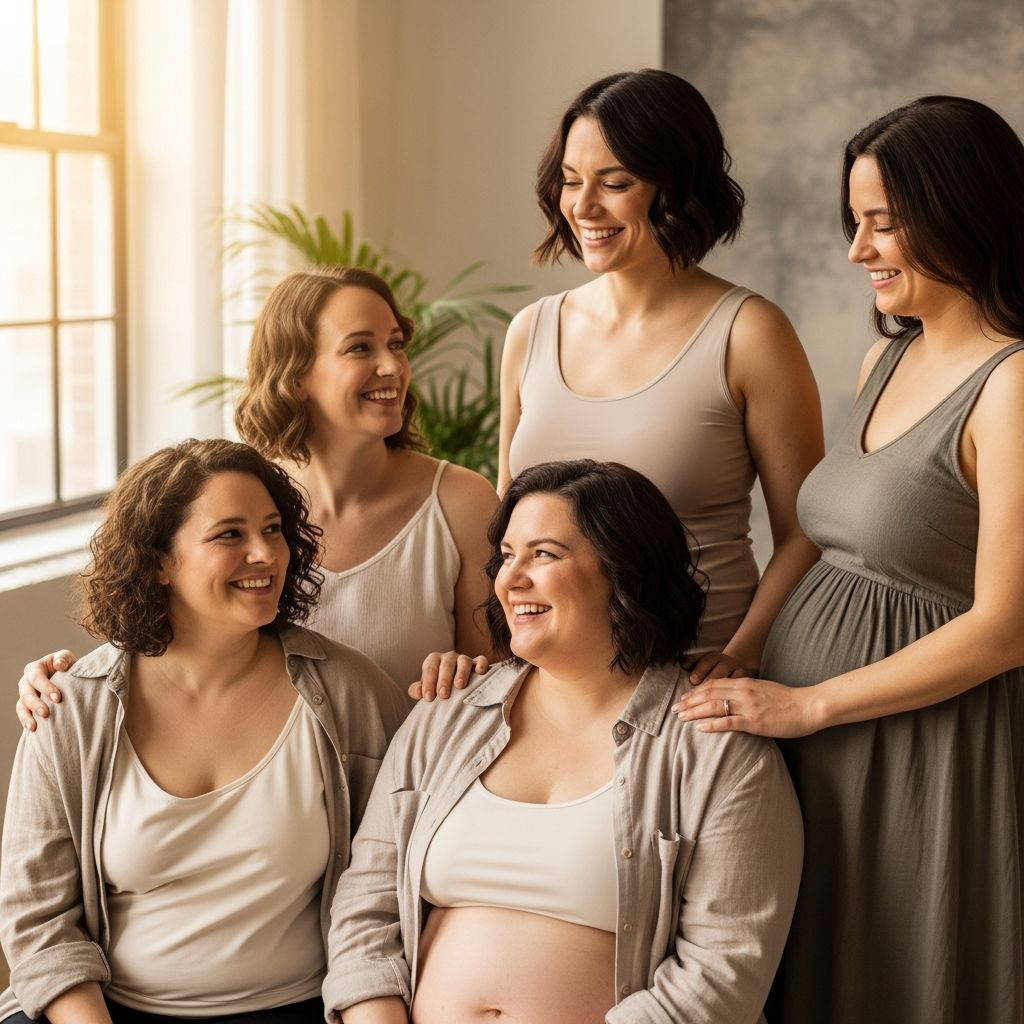
The postpartum period marks a profound transformation, where a woman’s body has accomplished the extraordinary feat of creating and nurturing new life. Yet, societal pressures often push new mothers toward an impossible ideal of immediate recovery, dubbed ‘snap back’ culture. This article delves into the movement to honor postpartum bodies, inspired by initiatives like personal care brand Billie’s Mother’s Day campaign, which featured striking portraits of mothers proudly displaying their changed forms. Photographed by acclaimed artist Camila Falquez, these images highlight the intersection of power and authentic beauty, countering narratives that demand perfection post-pregnancy.
The Power of Visual Storytelling in Redefining Motherhood
Visual campaigns play a pivotal role in shifting cultural perceptions. Billie’s series places mothers on literal pedestals, symbolizing the reverence they deserve. These portraits capture stretch marks, softened curves, and the visible signs of birth as emblems of strength rather than flaws. By doing so, the brand addresses a common sentiment: ‘Too often mothers are told they need to lose XYZ to gain their bodies back,’ emphasizing relief from such pressures.
This approach resonates deeply because it mirrors real experiences. New mothers frequently face a barrage of media images showing celebrities in pre-pregnancy shape mere weeks after delivery. In contrast, campaigns like this validate the natural timeline of recovery, where the uterus takes weeks to contract and fat stores gradually diminish. Such storytelling fosters a community feeling, reminding women they are not alone in their journeys.
Understanding Postpartum Physical Changes
Postpartum recovery is multifaceted, involving hormonal shifts, physical healing, and emotional adjustments. The body, having expanded to accommodate a growing baby, doesn’t revert overnight. Key changes include:
- Uterine involution: The organ shrinks from roughly the size of a watermelon to a pear over 6-8 weeks.
- Weight fluctuations: Pregnancy fat serves as energy for breastfeeding and recovery, burning extra calories naturally for lactating mothers.
- Skin and tissue adaptations: Stretch marks, diastasis recti (abdominal separation), and pelvic floor weakening are common and often improve with time and targeted care.
Health experts stress that rushing recovery can be unsafe. The American College of Obstetricians and Gynecologists (ACOG) recommends waiting for medical clearance before intense exercise, typically 4-6 weeks postpartum, depending on delivery type. Ignoring this risks injury, particularly after cesarean sections or complicated births.
Cultivating Self-Love in the Early Weeks
Self-acceptance begins with mindset shifts. Start by honoring what your body achieved: sustaining life through 40 weeks of growth and labor. Practical steps include:
- Standing before a mirror daily, speaking words of affirmation like ‘My body is powerful and capable.’
- Journaling gratitudes for bodily functions, from healing wounds to producing milk.
- Curating social media feeds to feature diverse postpartum representations, reducing comparison traps.
Research from the National Institutes of Health underscores that positive body image correlates with better mental health outcomes in new mothers, lowering risks of postpartum depression. Loving your current form isn’t denial; it’s acknowledgment of ongoing strength.
Nutrition Strategies for Sustainable Postpartum Wellness
Fuel your recovery with nutrient-dense foods rather than restrictive diets. The postpartum body, especially if breastfeeding, requires an additional 300-500 calories daily. Focus on:
| Food Group | Benefits | Examples |
|---|---|---|
| Proteins | Repairs tissues, sustains energy | Lean meats, eggs, legumes, Greek yogurt |
| Whole Grains | Provides sustained energy, fiber for digestion | Oats, quinoa, brown rice |
| Fruits & Vegetables | Vitamins for healing, antioxidants | Berries, leafy greens, citrus |
| Healthy Fats | Supports hormone balance, baby brain development | Avocados, nuts, olive oil |
Avoid fad diets, which often lead to yo-yo weight cycling. Instead, adopt lifelong habits: eat mindfully, stay hydrated (aim for 13 cups daily if nursing), and listen to hunger cues. The World Health Organization advises balanced nutrition to replenish depleted stores from pregnancy.
Safe Movement and Exercise Post-Birth
Physical activity boosts mood via endorphins and aids gradual toning. Begin with gentle practices:
- Weeks 1-4: Pelvic floor exercises (Kegels), walking, deep breathing.
- Weeks 4-8: Post-clearance, add yoga, swimming, or light strength training.
- Ongoing: 150 minutes weekly of moderate cardio plus resistance twice a week, per CDC guidelines.
Consult your provider first. For instance, vaginal births may allow earlier walking, while C-sections need caution to avoid incision strain. Apps and postpartum fitness classes tailored for new moms can provide structure and community.
Navigating Emotional and Mental Shifts
Beyond the physical, emotional healing is crucial. Hormonal dips can trigger ‘baby blues,’ affecting 80% of mothers. Persistent sadness warrants screening for postpartum depression, impacting 10-15%. Strategies include:
- Building a support network: Join mom groups or online forums.
- Prioritizing sleep: Nap when baby naps, enlist help.
- Mindfulness practices: Meditation apps reduce anxiety.
Billie’s campaign indirectly supports this by normalizing varied body experiences, combating isolation from perfectionism.
Real Stories: Mothers Sharing Their Journeys
Consider anonymized insights from new moms: ‘My stretch marks are tiger stripes from growing my son,’ shares one. Another: ‘Embracing my softer belly freed me to enjoy motherhood fully.’ These echo the campaign’s models, who exude confidence in their natural states. Such narratives inspire, proving beauty lies in resilience.
Challenging Societal Narratives Long-Term
Sustained change requires collective action. Brands like Billie lead by featuring unretouched images, while individuals can amplify by sharing authentically online. Advocate for inclusive media and workplace policies supporting maternal recovery, such as extended leave.
Health data shows diverse representation improves self-esteem across demographics. As movements grow, expect more campaigns celebrating all motherhood phases.
Frequently Asked Questions (FAQs)
When can I start exercising after giving birth?
Typically after 4-6 weeks with provider approval, starting gently to rebuild strength safely.
Is it normal not to ‘snap back’ immediately?
Absolutely; full recovery takes 6-12 months or longer, varying by individual factors like breastfeeding and genetics.
How does breastfeeding affect weight loss?
It burns extra calories (up to 500 daily), aiding gradual loss, but prioritize nutrition over rapid dieting.
What if I struggle with body image postpartum?
Practice affirmations, seek therapy if needed, and connect with supportive communities for perspective.
Are stretch marks permanent?
They often fade over time; embrace them as badges of honor while using moisturizers for comfort.
By prioritizing holistic wellness, new mothers can thrive. Your postpartum body is a testament to life’s miracle—cherish it.
References
- Billie Celebrates the Beauty of Postpartum Bodies in Mother’s Day Campaign — Hypebae. 2021-05-12. https://hypebae.com/2021/5/billie-mothers-day-campaign-postpartum-bodies-beauty-moms-portraits-camila-falquez-info
- For Mother’s Day, Billie Honors Postpartum Bodies — Adweek. 2021-05-01. https://www.adweek.com/brand-marketing/billies-mothers-day-campaign-puts-postpartum-bodies-on-a-much-deserved-pedestal-literally/
- Celebrating Your Postpartum Body — Diana Health. 2023-10-15. https://heydianahealth.com/celebrating-your-postpartum-body/
- Physical Activity and Exercise During Pregnancy and the Postpartum Period — ACOG. 2020-04-01. https://www.acog.org/clinical/clinical-guidance/committee-opinion/articles/2020/04/physical-activity-and-exercise-during-pregnancy-and-the-postpartum-period
- Postpartum Care — CDC. 2023-11-20. https://www.cdc.gov/reproductivehealth/maternalinfanthealth/postpartum-care.htm
- Postpartum Depression — NIH. 2024-02-14. https://www.nimh.nih.gov/health/topics/postpartum-depression
- Nutrition in the Postpartum Period — WHO. 2022-06-10. https://www.who.int/tools/elena/postpartum-nutrition