Bullying frightens many parents because it touches the most vulnerable part of the job: knowing your child could be hurt in ways you cannot immediately fix. You cannot control every playground, classroom, or chat thread, but you can give your child something even more powerful—an inner sense of safety, resilience, and support at home.
This guide offers a calm, practical approach to bullying that centers on connection rather than punishment or panic. You will learn how to recognize bullying, how to respond when your child is involved, and how to raise children who are both strong and kind.
What Bullying Really Looks Like Today
Bullying is more than a one-time argument, rude comment, or disagreement between children. It is a repeated pattern of behavior in which one child or group uses power—physical strength, social status, or emotional intimidation—to hurt, control, or exclude another child. Understanding this difference helps parents respond wisely instead of reacting to every conflict as if it were bullying.
Modern bullying shows up in many forms: on the playground, in group chats, in online games, and even inside families or close friend groups. Some children are targeted openly; others experience subtle, ongoing humiliation or exclusion that slowly wears down their confidence.
Common Forms of Bullying
- Physical bullying: Hitting, kicking, tripping, taking or damaging belongings.
- Verbal bullying: Name-calling, teasing, mocking, threats, or insults about appearance, ability, or identity.
- Social or relational bullying: Spreading rumors, excluding someone on purpose, turning friends against a child, silent treatments.
- Cyberbullying: Hurtful messages, group chats that target one child, posting embarrassing photos or comments, using anonymity to harass.
Every child can be drawn into this dynamic in different ways. Your child may be on the receiving end, may act aggressively toward others, or may be a quiet bystander unsure of how to help. Each role deserves your attention and guidance.
Reading the Early Warning Signs
Most children do not begin a conversation with, “I’m being bullied.” Instead, they show you through changes in mood, behavior, and body. The earlier you notice and respond, the less time shame and fear have to grow.
Because kids often feel embarrassed or afraid to talk, parents need to become sensitive observers. Look for patterns rather than one-off off days, and stay curious instead of jumping to conclusions.
Possible Signs Your Child May Be Targeted
- Sudden reluctance to go to school, sports practice, or certain social events.
- Frequent headaches, stomachaches, or vague physical complaints with no clear medical cause.
- Changes in sleep or appetite, including nightmares or difficulty falling asleep.
- Unexplained loss of belongings, torn clothing, or damaged school supplies.
- Withdrawal from friends, increased irritability, or tearfulness after screen time.
- Comments like “No one likes me,” “They’re just joking,” or “It doesn’t matter” that carry a heavy emotional tone.
Possible Signs Your Child May Be Bullying Others
- Frequent conflicts with peers and siblings, often centered around control or winning.
- Dismissive attitude toward others’ feelings, including laughing at others’ mistakes or pain.
- Bragging about being “in charge,” making rules for games, or deciding who is allowed to join in.
- Blaming others for problems and refusing to take responsibility for hurtful behavior.
- Using harsh, mocking, or threatening language in person or online.
Seeing your child in any of these lists can be painful, but it is also an opportunity. Children’s behavior is shaped by stress, unmet emotional needs, and the models around them. With support and guidance, both kids who are targeted and those who act aggressively can grow in healthier directions.
Why Connection Is Your Most Powerful Tool
When parents hear the word “bullying,” panic is a natural response. Yet fear rarely leads to wise action. The most protective factor in a child’s life is not a perfect school or flawless peer group; it is a strong, warm, reliable relationship with a caring adult.
Children who feel emotionally safe at home are more likely to tell parents what is happening, ask for help, and believe they deserve to be treated well. They also learn, by daily example, how to treat others with respect and how to repair when they make mistakes.
Elements of a Protective Parent–Child Relationship
- Emotional availability: Your child believes you will listen without immediately judging, lecturing, or minimizing.
- Predictable boundaries: Clear limits communicated calmly, with consistent follow-through.
- Respectful communication: No name-calling, shaming, or ridicule inside the family—especially in conflict.
- Repair after conflict: Apologies, reconnection, and reflection after blowups show kids that relationships survive mistakes.
How to Talk So Your Child Will Open Up
Many parents want to help but feel unsure how to start the conversation. Questions that feel like interrogations shut kids down; open, warm curiosity invites them to share. The goal is not to drag out details but to help your child feel less alone and more understood.
Regular, low-pressure conversations about school, friends, and online life create a foundation. When something bigger happens, your child will already know you care about their inner world, not just their grades or performance.
Helpful Communication Habits
- Ask broad, open questions like “Who did you spend time with today?” instead of “Did anyone bother you?”
- Reflect what you hear: “It sounds like you felt left out when they all went to play and didn’t invite you.”
- Resist the urge to instantly fix: give space for feelings before leaping to solutions.
- Validate emotions, even if the story seems small to you. To your child, these experiences feel huge.
- Thank them for trusting you and make it clear they did the right thing by speaking up.
Responding When Your Child Is Being Bullied
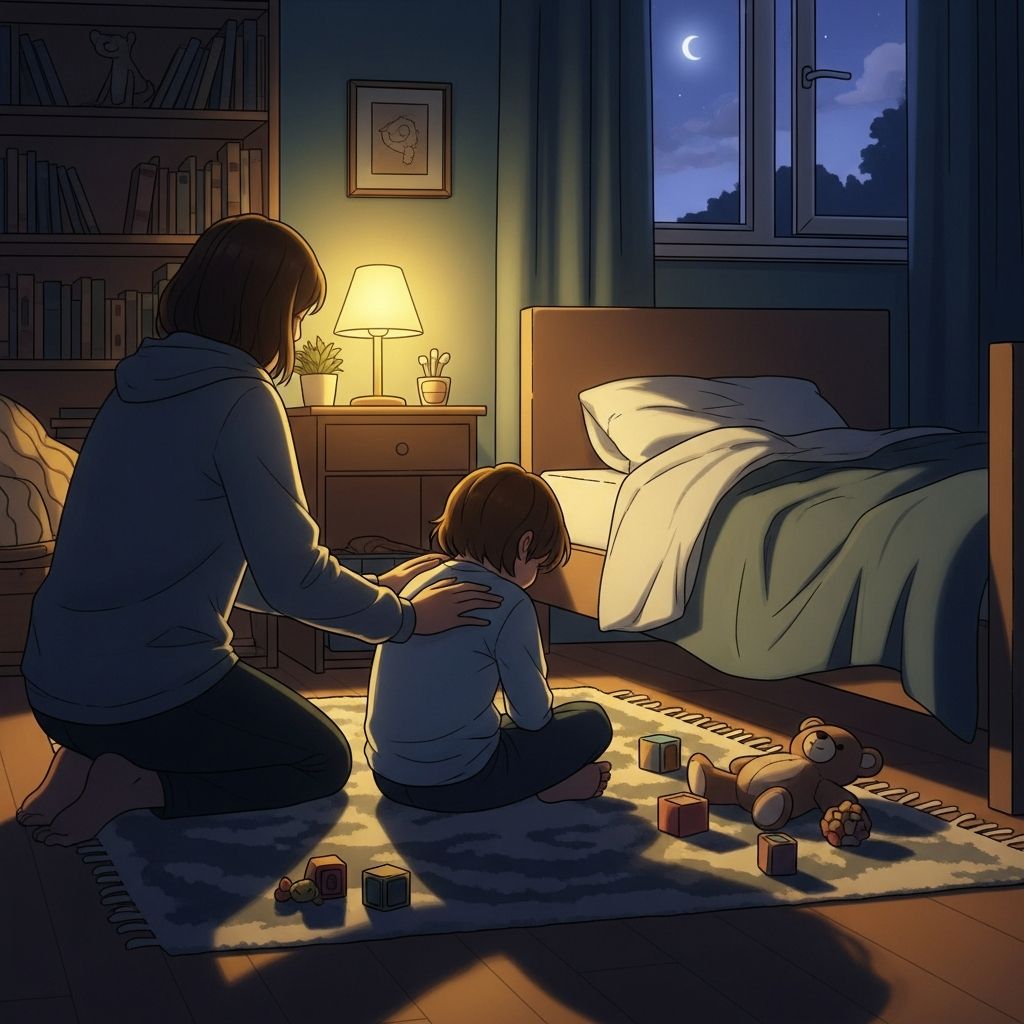
When your child reveals they are being bullied, your first job is not to investigate; it is to steady the emotional ship. Children watch your face and voice to decide whether it is safe to keep talking. A calm, grounded response communicates, “You are not alone. We will handle this together.”
Only after your child feels heard and comforted does it make sense to gather more details and think through next steps. This slower pace actually leads to better solutions and fewer impulsive reactions that may make your child feel worse.
Emotional First Aid Steps
- Stay physically close—sit beside them, offer a hug if they want one, or simply be present.
- Name and normalize feelings: “Anyone would feel hurt and scared in that situation.”
- Reassure them that what is happening is not their fault and that no one deserves to be treated that way.
- Let them know you will work with them to create a plan; they do not have to solve this alone.
Planning Practical Next Steps
- Clarify what exactly is happening, where, how often, and who is involved.
- Ask your child what they most hope will change—do they want the behavior to stop, feel safer in a certain place, or get help from a specific adult?
- Brainstorm possible actions together, such as changing seating, involving a teacher, practicing assertive responses, or adjusting online settings.
- Decide what you will handle (such as speaking to the school) and what they feel ready to do themselves.
- Follow up regularly to see what is working and what still feels hard.
When Your Child Is the One Bullying
Discovering that your child has been cruel to others can trigger shame, anger, or denial. It helps to remember that labeling a child as a “bully” does not solve the problem. Your child is a developing human making harmful choices, and those choices can change with firm guidance and emotional support.
Children who bully often feel powerless, anxious, or disconnected themselves. They may be copying behavior they see in adults or peers, or using aggression to try to gain status. Addressing the root causes is far more effective than simply punishing the behavior.
Guiding a Child Who Has Hurt Others
- Stay calm and factual as you describe what you have learned, without name-calling or character judgments.
- Ask what was going on inside them at the time—fear, jealousy, wanting to fit in, or seeking attention.
- Help them see the impact on the other child, using age-appropriate language and gentle questions.
- Require meaningful repair, such as an apology, restitution, or a change in behavior supervised by adults.
- Look at your family routines and discipline style to ensure that respect, empathy, and problem-solving are being modeled consistently.
Building Everyday Resilience and Social Skills
Prevention does not start with an anti-bullying assembly; it begins at home in the small, daily ways you respond to frustration, conflict, and mistakes. Children who know how to name their feelings, set boundaries, and seek help are less likely to be trapped in bullying dynamics.
Resilience does not mean that hurtful events stop affecting your child. It means they have internal resources and external support to move through pain without losing their sense of worth.
Key Skills That Protect Children
- Emotional literacy: Regularly name feelings—yours and theirs—and talk about healthy ways to handle strong emotions.
- Assertiveness: Practice simple phrases like “Stop, I don’t like that” and body language that shows confidence.
- Problem-solving: Involve your child in finding solutions instead of always telling them what to do.
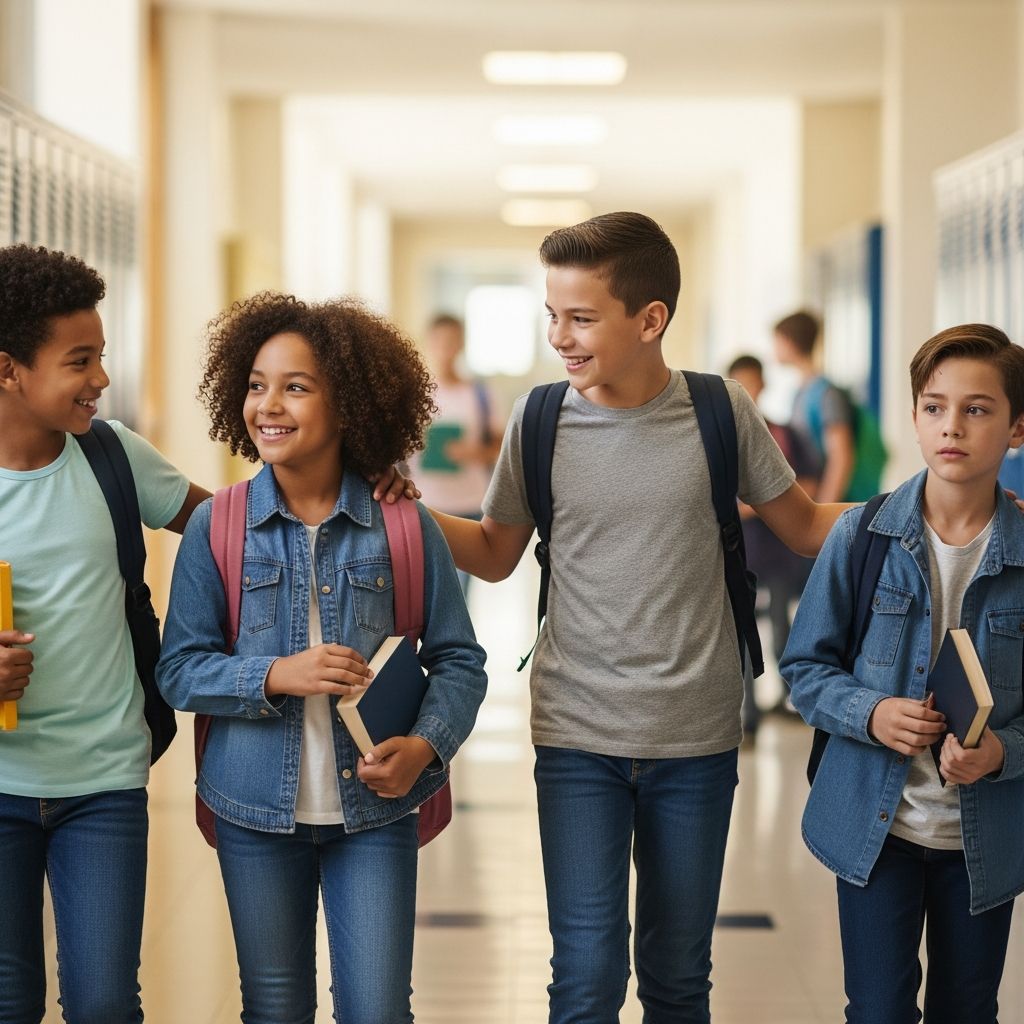
- Friendship skills: Teach how to join games, deal with disagreements, and recognize when a friendship is unhealthy.
- Help-seeking: Normalize going to adults when something feels unsafe or overwhelming.
Working With Schools and Other Adults
Parents sometimes feel powerless once their child walks into school, but teachers, counselors, and administrators are important allies. Approaching them as partners—rather than adversaries—creates more space for constructive solutions.
Your goal is to help the system protect all children, including yours, while maintaining your child’s trust. That means involving them appropriately in decisions and letting them know what you plan to do before you do it.
Steps for Effective Collaboration
- Gather clear examples of what has been happening: dates, locations, people involved, and your child’s description.
- Request a calm, scheduled meeting rather than confronting staff in a rush or at pickup.
- Describe your concerns in terms of safety, learning, and well-being, not just discipline or punishment.
- Ask what policies and supports are already in place and how they can be applied to your child’s situation.
- Agree on specific steps and follow-up times so the plan does not fade once the meeting ends.
Online Spaces: Guiding Kids in the Digital World
Many children experience their social world through screens long before adults realize how intense those interactions feel. Online comments, group chats, and games can create 24/7 access to both friendship and cruelty.
Simply banning technology rarely works for long and may drive behavior underground. A better approach combines age-appropriate limits, shared expectations, and ongoing supervision with open conversations about digital citizenship.
Healthy Digital Habits for Families
- Keep devices in shared spaces for younger children and set screen-free times for everyone in the home.
- Discuss what respectful behavior looks like online and make clear that the same rules apply as face-to-face.
- Review privacy settings together, including who can contact your child and what can be posted.
- Encourage your child to screenshot or save hurtful interactions and bring them to you or another trusted adult.
- Model your own healthy technology use, including taking breaks and not engaging in online arguments.
Parental Reactions That Help Versus Hurt
Good intentions are not always enough. Certain automatic reactions—like rushing to solve everything or minimizing your child’s feelings—can unintentionally add to their distress. Becoming aware of these patterns allows you to choose responses that truly support your child.
The following table highlights common reactions and healthier alternatives that keep the focus on connection, learning, and safety.
| Unhelpful Reaction | Why It Backfires | More Helpful Alternative |
|---|---|---|
| “Just ignore it, it’s not a big deal.” | Minimizes your child’s pain and discourages them from sharing in the future. | “This sounds really painful. Tell me more so we can figure out what you need.” |
| Immediately calling another parent in anger. | Escalates conflict and may embarrass your child or damage trust. | Calmly gather details, then plan a thoughtful approach with the school or other adults. |
| Blaming your child for being targeted. | Reinforces shame and can make them believe they deserve mistreatment. | Affirm that no one deserves cruelty while still helping them build skills and boundaries. |
| Only focusing on punishment when your child bullies others. | Stops behavior temporarily without addressing underlying emotions or beliefs. | Combine consequences with empathy, reflection, and concrete steps to repair harm. |
| Doing nothing to avoid making it worse. | Leaves the child feeling helpless and unprotected, and may allow harm to continue. | Work with your child to create a plan that prioritizes their safety and sense of agency. |
Taking Care of Yourself So You Can Care for Them
Parenting through bullying situations is emotionally draining. Fear, anger, and helplessness can build up quickly, especially if your own childhood included similar experiences. Looking after your own nervous system is not selfish; it is a core part of protecting your child.
When you regulate yourself—through rest, support, and healthy coping—you become a steadier anchor. Children in stormy seas do not need a perfect captain; they need one who can keep the ship from capsizing.
Simple Self-Care Strategies for Parents
- Talk with a trusted friend, partner, or professional about your feelings so they do not spill over onto your child.
- Use grounding practices such as deep breathing, short walks, or journaling before difficult conversations.
- Set realistic expectations; you are learning alongside your child, and progress may be gradual.
- Celebrate small victories—like your child opening up or making a tiny step toward asserting themselves.
FAQs About Bullying and Parenting
1. How do I know if it is bullying or just normal conflict?
Look for patterns and power differences. Normal conflict tends to be occasional, more balanced, and followed by some kind of repair. Bullying is repeated, one-sided, and focused on control or humiliation. Trust your instincts; if something feels off, it is worth exploring more closely with your child and, if needed, with school staff.
2. Should I tell my child to fight back?
Encouraging physical retaliation usually increases risk and can lead to injuries or disciplinary consequences for your child. Instead, focus on assertive communication, seeking help from safe adults, and changing the situation so your child is not isolated with the aggressor. Every child deserves to learn how to stand up for themselves without resorting to violence.
3. What if my child refuses to talk about it?
Some children need time and indirect approaches. Keep daily check-ins short and predictable, share your own feelings and stories in age-appropriate ways, and create warm moments of connection that are not about problems—like reading together or going for a walk. Make it clear you are ready to listen whenever they are, and that they will not get in trouble for sharing hard truths.
4. When is it time to seek professional help?
Reach out to a mental health professional if your child’s mood, sleep, school performance, or relationships change dramatically; if they talk about self-harm or hopelessness; or if the bullying has been severe or long-lasting. Therapy can offer a safe space to process experiences, build coping skills, and restore a sense of safety.
5. Can bullying ever be completely prevented?
No environment can be made perfectly safe, because children are still learning how to handle power, emotions, and relationships. However, strong family connections, emotionally healthy schools, clear policies, and a culture that values empathy can dramatically reduce both the frequency and impact of bullying. Your daily choices as a parent play a powerful role in that larger picture.
Bullying challenges both children and adults to grow in courage, compassion, and clarity. You cannot erase every painful experience from your child’s path, but you can walk beside them with open eyes and a steady heart. With connection, guidance, and practice, children can emerge from these experiences not broken, but wiser, stronger, and more committed to kindness—both toward others and themselves.