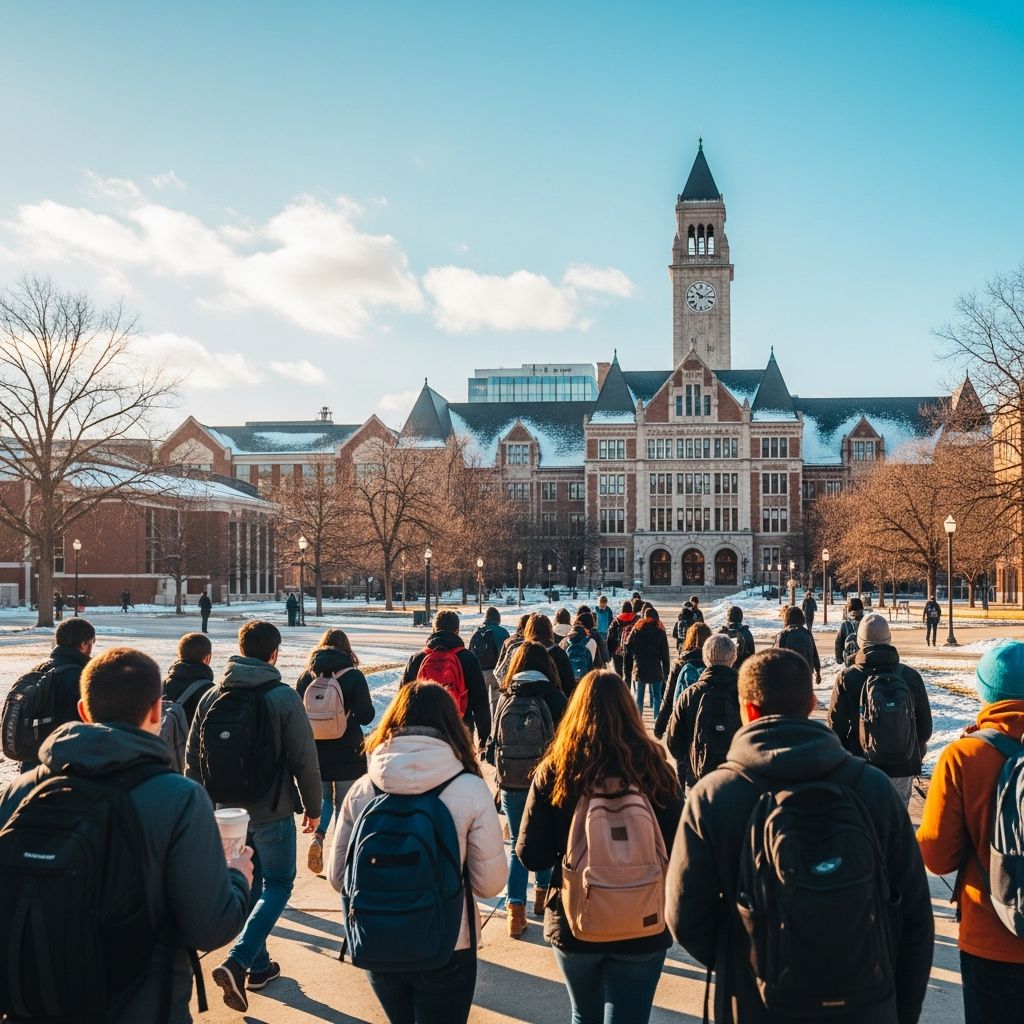
The end of winter break marks a pivotal shift from holiday relaxation to structured school days. This transition challenges students of all ages, disrupting sleep patterns, study habits, and social dynamics. Parents and educators play crucial roles in facilitating a smooth readjustment, helping children regain focus and enthusiasm for learning. By implementing targeted strategies, families can minimize stress and maximize productivity throughout the semester.
Understanding the Post-Break Adjustment Challenges
Winter breaks often involve late nights, irregular meals, and unstructured time, which clash with school demands. Children may experience fatigue, reduced attention spans, and reluctance to resume routines. Younger students might forget classroom procedures, while teens face mounting academic pressures. Recognizing these hurdles allows for proactive planning.
- Disrupted circadian rhythms from altered sleep schedules.
- Loss of academic momentum after weeks without homework.
- Emotional shifts from family gatherings to peer interactions.
Early intervention prevents these issues from escalating into longer-term struggles.
Rebuilding Daily Routines at Home
Parents set the foundation for success by reinstating consistent home schedules a few days before school resumes. Begin with bedtime adjustments, aiming for 9-10 hours of sleep for school-aged children. Prepare the night before by packing bags and laying out clothes, reducing morning chaos.
| Age Group | Ideal Bedtime | Morning Prep Tips |
|---|---|---|
| Elementary (5-10) | 8-9 PM | Pack lunch, choose outfit together |
| Middle School (11-13) | 9-10 PM | Review homework planner |
| High School (14+) | 10-11 PM | Set alarm, organize backpack independently |
Leave home 10-15 minutes early to buffer against delays, fostering a calm start to the day.
Strategies for Teachers to Rekindle Classroom Energy
Educators can transform the first week back into an engaging reset. Start with low-pressure activities that reconnect students, such as sharing break highlights in pairs or small groups. Review classroom rules through interactive games rather than lectures, reinforcing expectations without overwhelming learners. Provide frequent movement breaks and shorten initial academic sessions to rebuild stamina gradually.
- Initiate with favorite past activities to boost confidence.
- Incorporate music and mingling for socialization.
- Adjust schedules: extend playtime, limit long tasks.
Praise efforts and practice patience, acknowledging that full adjustment takes time.
Goal Setting for Academic Momentum
The post-break period is ideal for establishing fresh objectives. Guide students to set specific, achievable goals like “complete math homework daily” or “participate in class three times weekly.” Use planners or apps to track progress, breaking larger tasks into daily steps. Class-wide goals, such as collective reading targets, build community accountability. Regular check-ins celebrate milestones, sustaining motivation.
Fostering Emotional Well-Being and Connections
Breaks can evoke mixed emotions—joy from vacations or stress from family issues. Cultivate empathy by listening actively and validating feelings. Allocate time for peer reconnection through structured sharing circles or collaborative projects. Parents should communicate with teachers about any home changes, ensuring holistic support. Self-care practices, like short mindfulness exercises or hobby time, help manage anxiety.
Practical Study and Organization Hacks
Reignite study habits gently: begin with 15-20 minute sessions reviewing prior material, gradually increasing duration. Organize assignments using color-coded folders or digital tools. High schoolers benefit from semester calendars plotting exams and projects. Incorporate active breaks—stretching or quick walks—to enhance focus and mood.
Nutrition and Physical Activity Integration
Fuel the body for mental sharpness with balanced meals: prioritize proteins, fruits, and whole grains over sugary treats. Pack nutrient-dense lunches to combat mid-day slumps. Daily physical activity, even 20 minutes of play, elevates endorphins and sharpens concentration. Families can establish post-dinner walks as a routine.
Leveraging Technology and Resources
Digital calendars and reminder apps streamline scheduling. Educational platforms offer review modules tailored to grade levels. Parents can join school apps for real-time updates on assignments and events, strengthening home-school partnerships.
Overcoming Common Hurdles
Resistance is normal; counter it by highlighting positives like reuniting with friends. For persistent issues, consult counselors. Track patterns—if sleep lags, enforce stricter wind-downs sans screens.
Frequently Asked Questions
What if my child resists the morning routine?
Use positive reinforcement: stickers for young ones, privileges for teens. Prep evenings thoroughly and arrive early to ease pressure.
How long does readjustment typically take?
Most students settle within 1-2 weeks with consistent support. Patience and structure accelerate the process.
Should I enforce strict study hours immediately?
No—ease in with short sessions to avoid burnout. Build up as habits reform.
How can teachers handle diverse break experiences?
Practice empathy, offer private check-ins, and focus on inclusive activities.
What role does exercise play?
It boosts energy, reduces stress, and improves focus—aim for daily movement.
By prioritizing routines, goals, and empathy, the post-winter break transition becomes an opportunity for growth. Families and schools collaborating yield resilient, motivated learners ready for semester triumphs.
References
- How to Get Back on Track After Winter Break: Tips for High School Students — Texas School for the Deaf. 2023-01-10. https://www.tsd.texas.gov/apps/news/article/2012776
- 7 Tips to Get Back into School Mode After Winter Break — ExploreLearning Reflex. 2023-01-05. https://reflex.explorelearning.com/resources/insights/back-from-winter-break-classroom-tips
- Helping Students Cope With Returning to School After Winter Break — Learning Disabilities Association of America. 2022-12-20. https://ldaamerica.org/helping-students-cope-with-returning-to-school-after-winter-break/
- Tips to Help Families Get Back Into the School Routine After Winter Break — Sallie B. Howard School. 2023-01-02. https://salliebhowardschool.com/tips-to-help-families-get-back-into-the-school-routine-after-winter-break/
- Seven Tips for the Transition Back to School From Winter Break — Responsive Classroom. 2022-12-28. https://www.responsiveclassroom.org/seven-tips-for-the-transition-back-to-school-from-winter-break/