Bringing children outdoors fosters physical health, creativity, and family bonds, but prioritizing safety transforms potential risks into joyful experiences. This comprehensive guide draws from pediatric and public health recommendations to equip parents with practical strategies for worry-free adventures.
Building a Secure Foundation for Play
Creating a safe outdoor environment starts with proactive assessment. Before any activity, scan the area for common dangers like uneven ground, protruding roots, or discarded sharp items that could cause trips or cuts. Designate a clear play zone free from traffic, water hazards, or toxic vegetation such as poison ivy, which can trigger severe skin reactions.
- Remove or mark obstacles like rocks, stumps, or low branches to prevent falls.
- Secure loose items such as grills or tools away from play areas to avoid burns or punctures.
- Opt for soft surfacing under climbing structures, like mulch or sand, which absorbs impact during falls.
Regular inspections of backyard setups or public parks reveal wear and tear early. Look for rusting hardware, frayed ropes, or unstable platforms that might collapse under weight. These steps not only comply with safety standards but also build children’s confidence in exploring freely.
Active Supervision: The Cornerstone of Safety
Constant, engaged oversight is non-negotiable, especially for young explorers driven by curiosity. Position yourself within arm’s reach for toddlers and maintain visual and auditory contact for older kids, actively scanning for emerging risks while participating in their play.
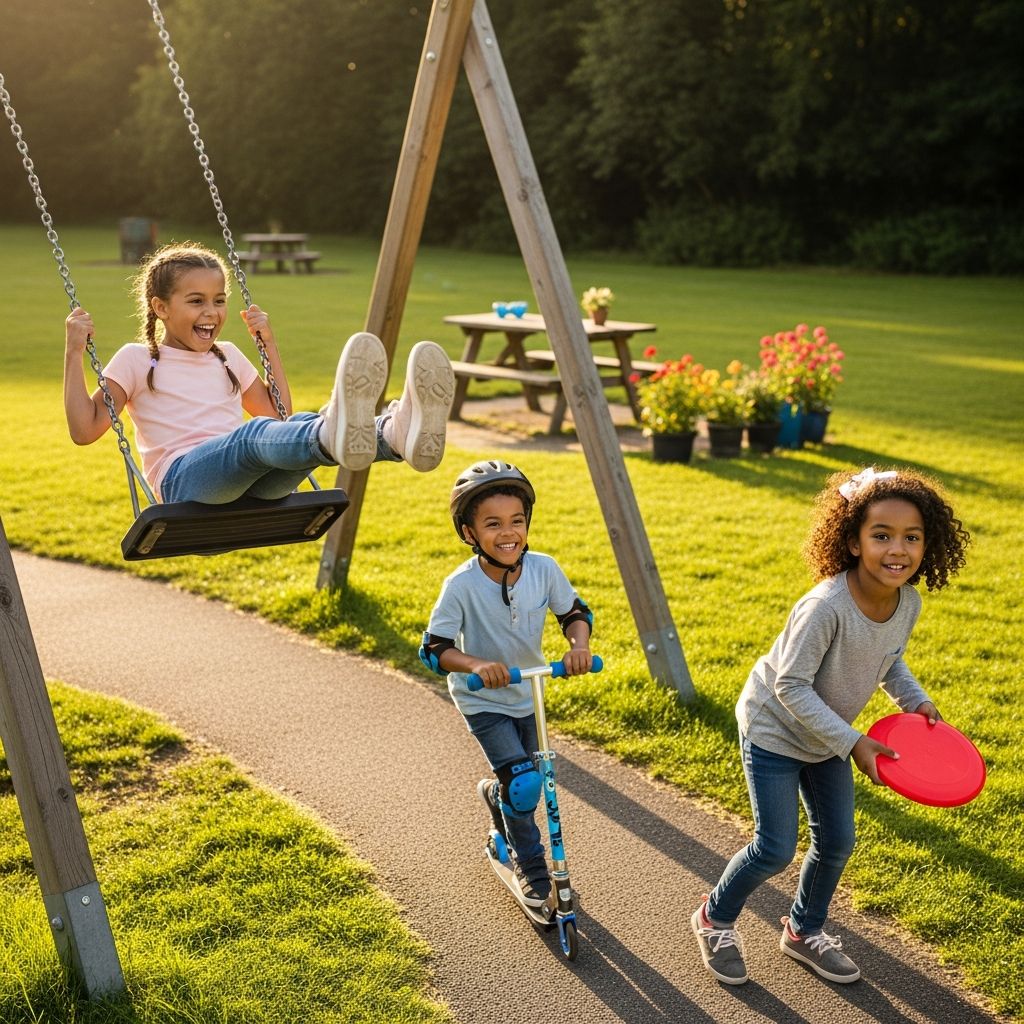
For preschoolers, interactive supervision means joining games on swings or slides, modeling correct usage, and enforcing turn-taking to curb roughhousing. Teach simple rules like ‘walk, don’t run’ on equipment and ‘no pushing’ to instill lifelong habits. In group settings, assign ‘buddy systems’ where children pair up, enhancing accountability without constant parental hovering.
| Age Group | Supervision Level | Key Focus |
|---|---|---|
| 0-2 years | Arm’s reach | Prevent ingestion of small objects, monitor crawling areas |
| 3-5 years | Close visual | Guide equipment use, teach boundaries |
| 6-10 years | Line of sight | Encourage independence with check-ins |
This tiered approach matches developmental stages, balancing independence with protection.
Gearing Up: Essential Protective Equipment
Appropriate gear dramatically reduces injury odds during dynamic play. Helmets are mandatory for biking, skating, or scootering, fitted snugly to avoid slippage—adjust straps so two fingers fit under them. Pads for elbows, knees, and wrists shield against pavement abrasions, while closed-toe shoes prevent toe stubs and slips on trails.
- Bikes and trikes: ASTM-certified helmets, reflectors for visibility.
- Playgrounds: Mouthguards for sports, goggles for sand-throwing risks.
- Hiking: Sturdy boots, layered clothing, hats for sun protection.
For water-adjacent play, life jackets sized correctly provide buoyancy without restricting movement. Always demo proper wear and fit-check before outings, turning gear selection into an exciting ritual.
Weather-Wise Outdoor Planning
Environmental factors like heat, rain, or UV exposure demand foresight. Schedule activities for cooler morning or evening slots, seeking shade during peak sun to avert heatstroke—symptoms include dizziness and rapid pulse. Hydration is key: Offer water every 20 minutes, even proactively, as thirst lags behind dehydration.
Stormy skies signal indoor time; thunder means lightning risk within 10 miles, so heed the 30-30 rule (lightning-flash to thunder under 30 seconds). Dress in layers for variable conditions, applying broad-spectrum SPF 30+ sunscreen reapplied every two hours, and insect repellent for ticks or mosquitoes.
- Hot days: Frozen treats double as hydration, light clothing.
- Cool weather: Mittens over gloves, warm layers to trap heat.
- Rainy prep: Waterproof gear, but prioritize shelter if heavy.
Age-Tailored Activities for Maximum Enjoyment
Match pursuits to capabilities for safety and success. Infants thrive in shaded sensory walks spotting birds or textures, while toddlers master low slides and sand digging under watchful eyes. School-age kids tackle moderate hikes or bike paths, building endurance gradually.
Introduce rules progressively: Road safety means ‘stop, look, listen’ at curbs; stranger awareness involves ‘check with grown-up first.’ Nature hikes teach ‘leaves of three, let it be’ for poison plants, blending education with adventure.
First Aid Readiness: Be Prepared for Mishaps
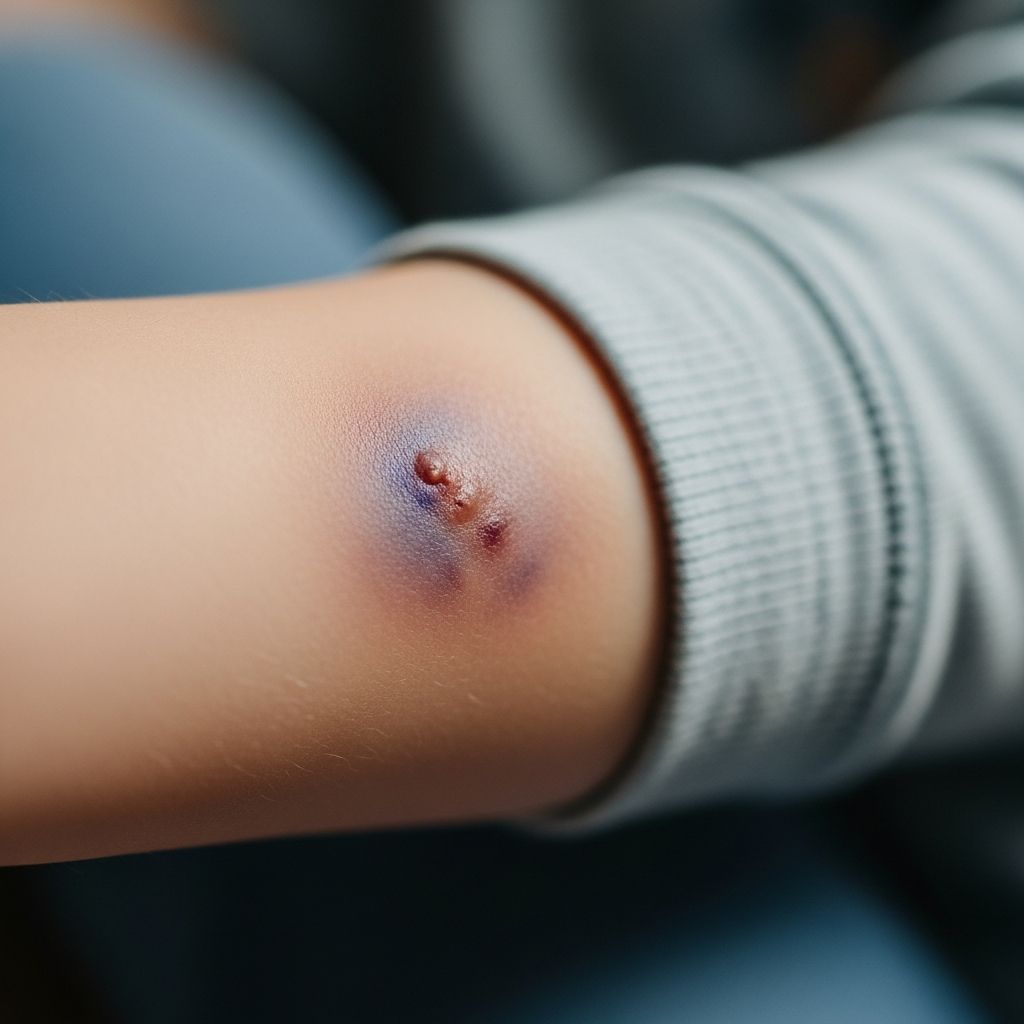
A compact kit handles 90% of incidents: Bandages for scrapes, antiseptic wipes, tweezers for splinters, hydrocortisone for stings, and epinephrine if allergies exist. Stock allergy meds, knowing symptoms like hives or breathing issues warrant immediate action.
Practice scenarios: Clean cuts promptly to prevent infection, cool burns with water, elevate sprains. Teach kids basic self-aid like ‘tell an adult, sit still’ for bee stings. Proximity to medical help influences packing—rural hikes need comprehensive supplies.
Navigating Common Hazards in Nature
Wildlife and flora pose subtle threats. Steer away from snakes or rodents, instructing kids not to approach furry temptations. Unfamiliar plants stay untouched—berries can intoxicate, sap irritate skin.
On trails, watch for ‘attractive nuisances’ like unattended pools or trampolines, fencing them securely. Urban parks demand pedestrian drills: Use crosswalks, hold hands near roads.
Fostering Lifelong Outdoor Enthusiasm
Safety enables boundless discovery, from bug hunts to kite-flying. Positive reinforcement for rule-following builds intrinsic motivation, turning precautions into habits. Track family outings in a journal, celebrating milestones like first solo bike ride.
Community resources amplify fun: Parks with age-specific zones, guided nature walks. Aim for 60 daily minutes of play, per health guidelines, reaping motor skill gains and stress relief.
Frequently Asked Questions
What should I pack for a family hike?
Essentials include water (1/2 gallon per person), snacks, first aid kit, sunscreen, hats, layers, map, whistle, and insect repellent. Start short to gauge stamina.
How do I choose a safe playground?
Select age-appropriate equipment with soft underlay, guardrails, no sharp edges, and recent maintenance. Avoid monkey bars for under-5s due to fall risks.
Is sunscreen safe for babies?
Use mineral-based SPF 30+ on exposed skin over 6 months; shade and clothing first for infants. Reapply post-swim.
What if my child has allergies outdoors?
Carry EpiPen, identify triggers like pollen or nuts, inform playmates’ parents, and monitor for anaphylaxis signs.
Can kids play outside in light rain?
Yes, with waterproof gear, but enter at thunder. Supervise for slippery surfaces.
This guide empowers families to embrace nature confidently, blending vigilance with vitality for enduring memories.
References
- Essential Tips for Preventing Outdoor Activity Injuries in Children — Advanced Pediatrics NYC. 2023-06-15. https://www.advancedpediatricsnyc.com/blog/essential-tips-for-preventing-outdoor-activity-injuries-in-children.html
- Outdoor Play and Safety for Children in ECE — Centers for Disease Control and Prevention (CDC). 2024-05-10. https://www.cdc.gov/early-care/communication-resources/outdoor-play-and-safety-for-children-in-ece.html
- 8 Outdoor Play Safety Tips for Kids — Pathways.org. 2023-11-20. https://pathways.org/outdoor-play-safety-tips
- Outdoor Safety with Kids — East Bay Regional Park District. 2024-02-28. https://www.ebparks.org/safety/kids
- Active Outdoor Play — California Childcare Health Program, UCSF. 2023-09-12. https://cchp.ucsf.edu/resources/health-safety-notes/active-outdoor-play