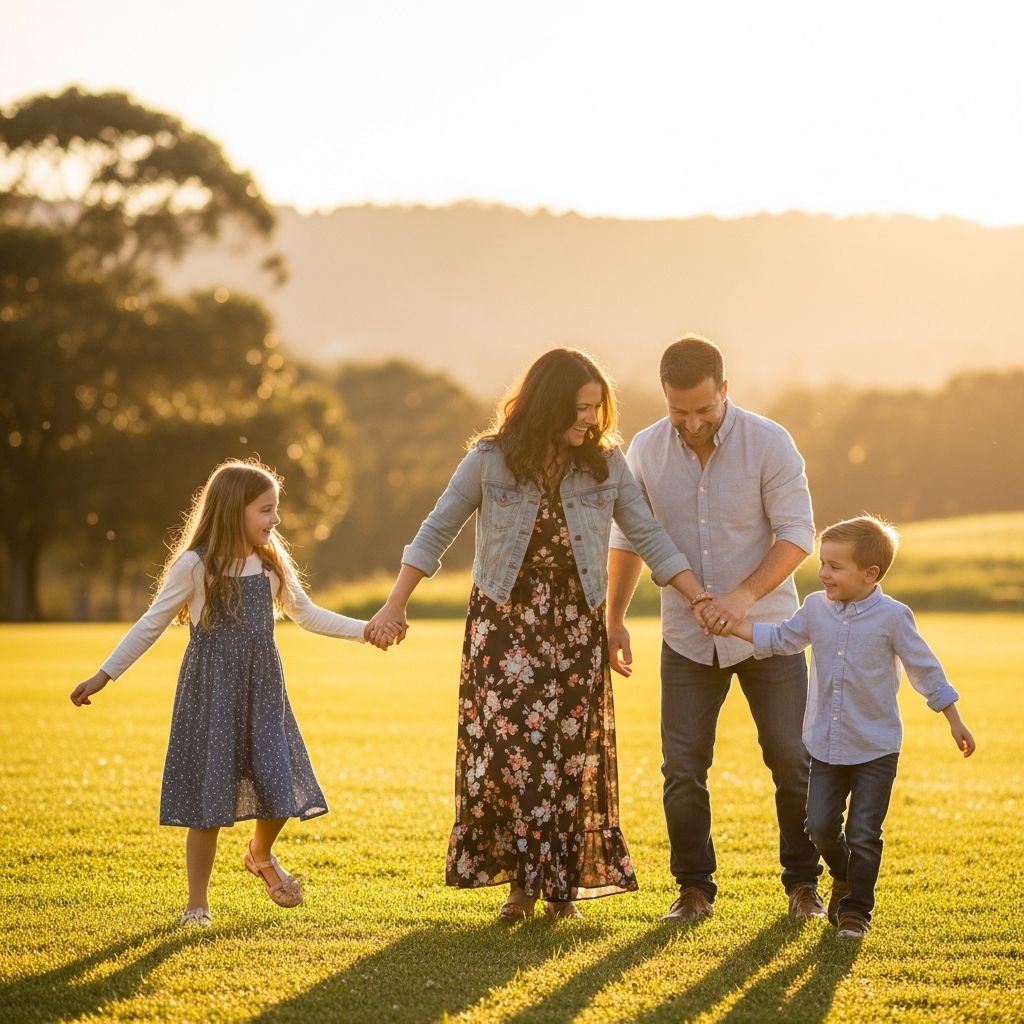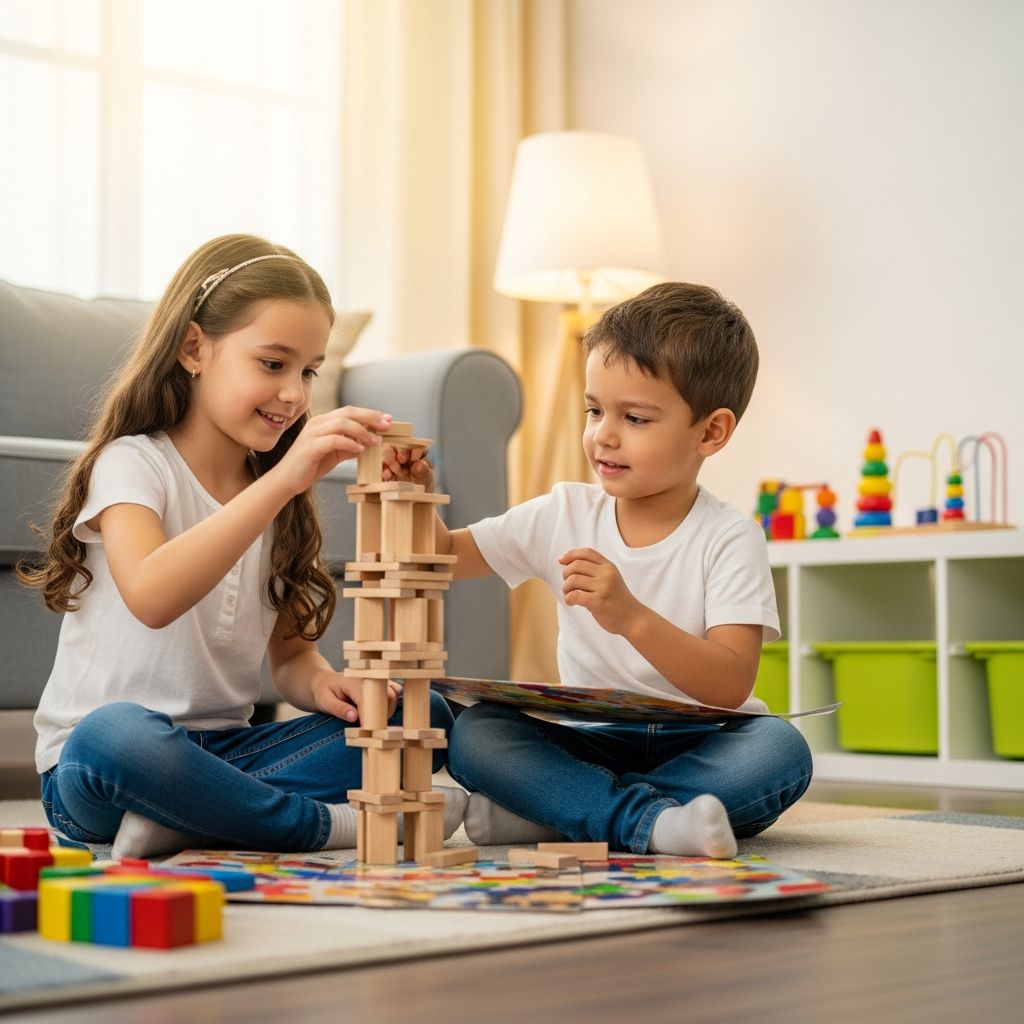
Sibling relationships offer children their first chance to navigate complex social dynamics, practice empathy, and develop resilience. While conflicts are inevitable, parents can guide kids toward constructive resolutions that strengthen bonds over time. This article explores practical, evidence-based approaches to mediate disputes, teach emotional regulation, and create a home environment where siblings thrive together.
Understanding the Roots of Sibling Disputes
Conflicts between brothers and sisters often arise from everyday triggers like sharing toys, seeking attention, or competing for parental approval. Research shows these interactions serve as a training ground for social skills, where kids learn to assert themselves without permanent fallout. Unlike friendships that can end abruptly, sibling ties endure, making them ideal for experimenting with negotiation and compromise.
Common issues include arguments over possessions, name-calling, bossiness, jealousy, and struggles with turn-taking. Younger children may grab items impulsively, while older ones dominate due to size or experience. Emotional responses vary: anger escalates confrontations, sadness leads to withdrawal, and neutral states promote analytic thinking. Recognizing these patterns helps parents intervene thoughtfully rather than reactively.
- Attention-seeking: Kids vie for limited parental time, sparking rivalry.
- Resource scarcity: Toys, space, or screen time become battlegrounds.
- Power imbalances: Older siblings often overpower younger ones.
- Emotional mirroring: One child’s frustration triggers the other’s defensiveness.
Mediation Techniques for Independent Resolutions
Starting around age 4 or 5, children can learn to handle disagreements with parental coaching rather than direct intervention. A mediation model empowers kids to own the process, leading to more compromises and constructive outcomes. Parents act as facilitators, setting rules and guiding without dictating solutions.
Key steps include:
- Establish ground rules: Agree on no interrupting, shouting, or insults upfront. Refer back to these during heated moments to refocus.
- Share perspectives: Each child explains their side calmly. Ask how the conflict felt and have siblings repeat it back to build listening skills.
- Brainstorm solutions: Let kids propose ideas, then reality-check feasibility together. Praise fair or creative options to reinforce positive behavior.
This approach rebalances power dynamics, giving younger siblings a voice and teaching empathy. Studies confirm mediated conflicts result in warmer, more intimate relationships long-term.
| Step | Parent Role | Child Outcome |
|---|---|---|
| Ground Rules | Coach and enforce | Structured dialogue |
| Perspective Sharing | Listen without judgment | Empathy development |
| Solution Generation | Nudge if needed | Ownership and compromise |
Cultivating Empathy and Emotional Awareness
Empathy is the cornerstone of lasting sibling harmony. By prompting children to consider each other’s feelings, parents foster perspective-taking. For instance, after hearing one child’s story, ask the other, “How do you think that made your sister feel?” This simple exercise enhances emotional intelligence.
Regulating emotions is equally vital. Neutral expressions during talks predict constructive behaviors like analysis and conciliation, while anger fuels escalation. Teach kids to pause and name feelings—”I feel frustrated because…”—before problem-solving. Positive reinforcement amplifies this: catch siblings compromising and say, “I love how you listened and found a fair way to share.”
Model these skills yourself. When siblings observe calm parental discussions, they internalize de-escalation tactics. Avoid comparisons like “Why can’t you be more like your brother?” as they breed resentment.
Daily Habits to Prevent Escalation
Proactive routines minimize conflicts before they ignite. Allocate time based on individual needs, not strict equality, to reduce jealousy. Promote shared activities where all can succeed equally, avoiding setups where one dominates.
- Read books on kindness and sharing to spark compassion discussions.
- Observe quietly before intervening—many spats self-resolve.
- Teach assertive phrases: “I need space” or “Can we take turns?”
- Encourage one-on-one time with each child to fulfill attention needs.
Family meetings provide a weekly forum for airing grievances constructively. Use visual aids like solution cards for younger kids: “Trade toys,” “Play together,” or “Take breaks.” These habits build tolerance, positioning siblings as allies.
Problem-Solving Frameworks for Lasting Skills
Equip children with a step-by-step toolkit for disputes. The five-step model includes cooling down, stating feelings, listening actively, brainstorming fixes, and agreeing on a plan. Parroting back—”What I hear you saying is…”—validates emotions and clarifies misunderstandings.
For preadolescents, emphasize de-escalation: analytic comments (seeking facts) and conciliatory remarks (prioritizing harmony) over confrontation. Practice through role-play with everyday scenarios like toy disputes or bedtime routines. Over time, kids internalize these, reducing parental involvement.
When to Step In and Set Boundaries
Not all conflicts warrant mediation; physical aggression or bullying requires immediate halt. Separate kids, ensure safety, then guide reflection: “What could we do differently next time?” Consistent boundaries teach respect without stifling normal rivalry.
Monitor for patterns signaling deeper issues, like chronic exclusion. Professional input may help if conflicts persist intensely. Otherwise, view spats as growth opportunities—sibling friction hones real-world negotiation skills.
Frequently Asked Questions (FAQs)
What age is best to start mediation?
Around 4-5 years, when kids can articulate feelings and follow basic rules.
How do I handle frequent toy fights?
Remove the item temporarily, facilitate perspective-sharing, and co-create solutions like timers for turns.
Should I always intervene in arguments?
No—observe first. Step in for safety or teaching moments, but let minor issues build independence.
Can sibling rivalry harm long-term relationships?
Constructive handling strengthens bonds; destructive patterns may require guidance to prevent lasting tension.
What if one child always dominates?
Mediation equalizes voices. Praise the dominant child’s restraint to encourage fairness.
Long-Term Benefits of Skill-Building
Investing in these strategies yields siblings who support each other, offer benefit of the doubt, and enjoy shared experiences. They enter adulthood with superior conflict skills, empathy, and relational warmth—gifts that extend beyond the family home. Parents who prioritize guidance over control create a legacy of harmony.
Word count: 1678 (excluding metadata and references).
References
- How to Teach Siblings to Resolve Their Own Arguments — Greater Good Science Center at UC Berkeley. 2023. https://greatergood.berkeley.edu/article/item/how_to_teach_siblings_to_resolve_their_own_arguments
- Conflict Resolution and Emotional Expression in Sibling and Mother Conflict — National Library of Medicine (PMC). 2022-01-18. https://pmc.ncbi.nlm.nih.gov/articles/PMC8796158/
- Sibling Rivalry Handout — Los Angeles Department of Children and Family Services (LADC). 2024-01. https://ladcfamilies.org/wp-content/uploads/2024/01/LADC-Sibling-Rivalry-Handout.pdf
- Ep. 86: Conflict Resolution Skills for Siblings (and Everyone Else!) — Sunshine Parenting. Accessed 2026. https://sunshine-parenting.com/ep-86-conflict-resolution-skills-for-siblings-and-everyone-else/
- Sibling Conflict — Positive Discipline Association. Accessed 2026. https://positivediscipline.org/sibling-conflict-article/
- Recommendations for Parents on Managing Sibling Conflict — University of New Hampshire Child Development and Family Studies. Accessed 2026. https://www.unh.edu/ccrc/resource/saara-bulletin-2