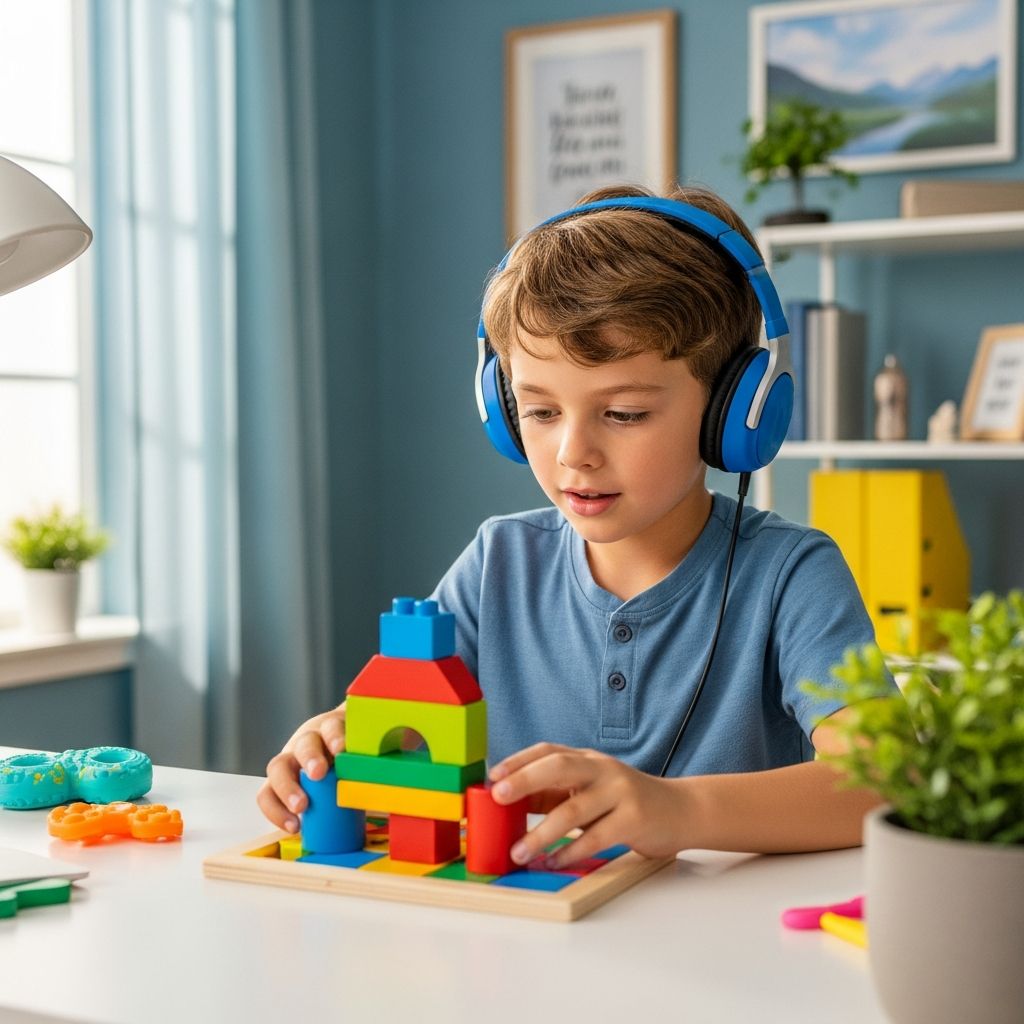
Children with Attention Deficit Hyperactivity Disorder (ADHD) often face challenges in maintaining attention, leading to struggles in school, home tasks, and social settings. Fortunately, parents can implement simple, research-supported techniques to strengthen their child’s focus without medication. These methods harness the brain’s natural responses to movement, structure, and engagement to foster lasting improvements.
Understanding ADHD and Attention Challenges
ADHD affects how the brain regulates attention, impulses, and activity levels, making sustained focus particularly difficult for children. According to health authorities, symptoms include inattention, hyperactivity, and impulsivity, which can interfere with academic performance and daily routines. Early interventions focusing on environmental adjustments and behavioral supports yield significant benefits, helping kids develop self-regulation skills over time.
Parents play a crucial role by creating supportive environments that minimize distractions and maximize engagement. Strategies drawn from clinical recommendations emphasize consistency, positive reinforcement, and tailored accommodations to match each child’s needs.
Harnessing Physical Activity for Better Attention
Regular physical exercise stands out as one of the most effective ways to enhance concentration in children with ADHD. Aerobic activities increase dopamine and norepinephrine levels in the brain, neurotransmitters often dysregulated in ADHD, leading to improved cognitive function.
Studies demonstrate that even short sessions of moderate exercise, such as a 20-minute walk or run, boost accuracy on attention-demanding tasks immediately afterward. Incorporating movement breaks throughout the day prevents mental fatigue and channels excess energy productively.
- Start with 10-15 minute sessions of jumping rope, biking, or team sports before homework.
- Schedule daily outdoor play in green spaces, which research links to reduced ADHD symptoms due to nature’s calming effects.
- Make it fun: Turn exercise into family challenges or games to encourage participation.
Consistency is key; aim for at least 60 minutes of activity daily, broken into manageable bursts.
Building Mindfulness Habits for Calm Focus
Mindfulness practices train the brain to return attention to the present moment, countering the mind-wandering common in ADHD. Short, guided exercises improve not just focus but also emotional control and anxiety reduction.
Research from feasibility studies shows that an eight-week mindfulness program leads to noticeable symptom improvements in children and adults with ADHD. Simple techniques like deep breathing or body scans can be adapted for kids as young as five.
| Age Group | Recommended Practice | Duration |
|---|---|---|
| 5-8 years | Five-finger breathing (trace fingers while inhaling/exhaling) | 2-5 minutes |
| 9-12 years | Guided audio meditations via apps | 5-10 minutes |
| Teens | Mindful yoga or walking meditation | 10-15 minutes |
Practice before challenging tasks like tests or meals. Over time, these build neural pathways for sustained attention.
Embracing Movement: Fidgeting and Breaks
Far from being a distraction, controlled fidgeting helps ADHD brains stay alert by providing sensory input. Tools like stress balls, fidget spinners, or chewable necklaces allow subtle movement without disrupting others.
Classroom and home modifications, such as permitting standing desks or footrests, support this approach. Paired with timed work intervals, breaks reset attention and combat fatigue.
The Pomodoro-inspired method works well: short work sprints followed by active breaks. Use visual timers to make abstract time concrete.
- 5-10 minutes work for younger kids, scaling to 20-25 for older ones.
- Breaks: Stretch, dance, or do wall push-ups.
- Fidget options: Tangle toys, putty, or doodling pads during listening tasks.
Creating Structured Routines and Visual Supports
Consistent routines reduce cognitive load, providing predictability that ADHD brains crave. Checklists, color-coded schedules, and homework folders streamline transitions and task completion.
Establish fixed times for meals, homework, and bedtime. A soothing pre-sleep ritual—no screens two hours prior—promotes better rest, essential for focus.
Practical directions are vital: Use eye contact, brief commands, and physical cues like a gentle touch to ensure attention before instructions.
Leveraging Rewards and Gamification
ADHD brains respond strongly to immediate rewards, making gamification a powerful tool. Turn chores or study into point systems redeemable for privileges, mimicking the dopamine hits from video games.
Praise specific behaviors: “Great job finishing that math page!” Pair with tangible rewards like extra playtime. Consistent rules with visible charts reinforce expectations.
Optimizing the Environment for Success
Minimize distractions by designating quiet zones with noise-cancelling headphones or white noise machines. Organizational tools like labeled bins prevent overwhelm.
Outdoor time in nature amplifies benefits, as green environments uniquely alleviate symptoms compared to built settings.
Advanced Options: Brain Training and Discipline
Neurofeedback using EEG trains brainwaves for better control, showing promise in extending focus durations by forming new neural connections. Consult professionals for access.
Effective discipline involves clear, posted rules with rewards outweighing consequences, fostering accountability without frustration.
Frequently Asked Questions (FAQs)
Q: How quickly do these strategies show results?
A: Improvements can appear within days for some techniques like exercise breaks, but consistency over weeks builds lasting habits. Track progress with simple journals.
Q: What if my child resists mindfulness or routines?
A: Start tiny—30 seconds of breathing—and pair with favorites like music. Involve them in creating schedules for buy-in.
Q: Are fidget tools suitable for school?
A: Yes, many schools allow discreet ones. Discuss with teachers for accommodations under ADHD guidelines.
Q: Can these replace medication?
A: They complement treatment; consult pediatricians for personalized plans combining behavioral strategies and meds if needed.
Q: How much exercise is ideal daily?
A: Aim for 60 minutes, including moderate activities like sports or walks, adjusted for age and energy levels.
Implementing a Holistic Plan
Combine strategies for synergy: Begin days with exercise, use routines with visuals, incorporate mindfulness and fidgets during tasks, and end with rewards. Monitor what works via parent-teacher logs, adjusting as needed. Parental modeling—demonstrating calm focus—amplifies effects.
These approaches empower children, building independence and confidence. Patience and positivity are foundational; celebrate small wins to sustain motivation.
References
- 7 ADHD-Friendly Focus Hacks That Actually Work For Kids — Monster Math. 2024. https://www.monstermath.app/blog/7-adhd-friendly-focus-hacks-that-actually-work-for-kids
- Helping Children with ADHD Focus Without Medication: 7 Tips for Parents — RTOR.org. 2021-05-03. https://www.rtor.org/2021/05/03/helping-children-with-adhd-focus-without-medication-tips-for-parents/
- Classroom Modifications for Children with ADHD or Concentration Issues — Brain Balance Centers. N/A. https://www.brainbalancecenters.com/blog/classroom-modifications-children-adhd-concentration-issues
- Kids with ADHD: 8 Ways Parents Can Help — VMAP.org. 2024-10-16. https://vmap.org/2024/10/16/kids-with-adhd-8-ways-parents-can-help/
- Tips to Help Kids With ADHD Focus in School — Mass General Brigham. N/A. https://www.massgeneralbrigham.org/en/about/newsroom/articles/kids-adhd-school
- ADHD in the Classroom: Helping Children Succeed in School — CDC. N/A. https://www.cdc.gov/adhd/treatment/classroom.html
- 5 Tips for Managing ADHD in Children — Mayo Clinic Health System. N/A. https://www.mayoclinichealthsystem.org/hometown-health/speaking-of-health/5-tips-to-manage-adhd-in-children
- Focusing on ADHD — NIH News in Health. 2014-09. https://newsinhealth.nih.gov/2014/09/focusing-adhd