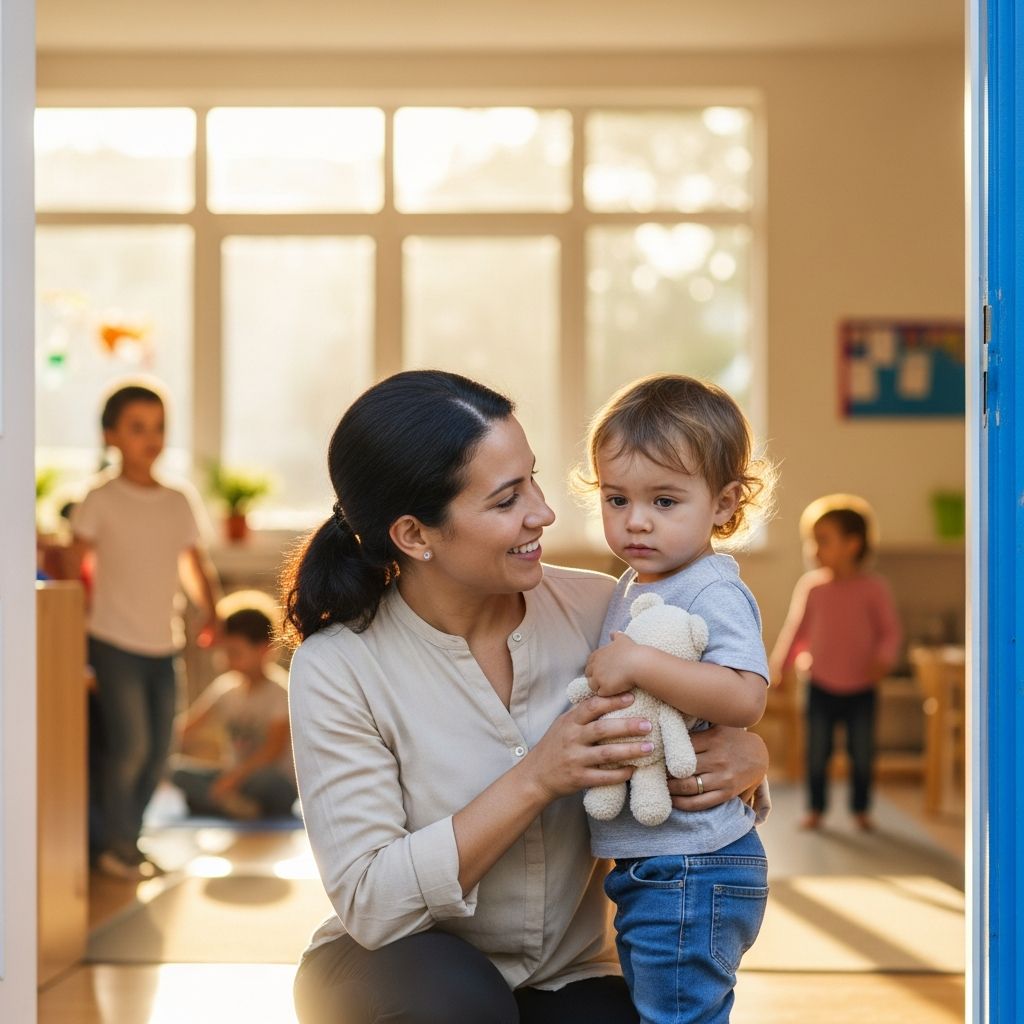
Separation anxiety is a normal developmental phase where children experience distress when parting from primary caregivers, often peaking between 8-18 months but persisting or reemerging in older kids under stress. Parents play a pivotal role in guiding children through this, transforming fleeting worries into lasting confidence using structured approaches grounded in child psychology.
Recognizing Signs of Separation Anxiety in Children
Early identification allows timely intervention. Common indicators include excessive crying or clinging during goodbyes, nightmares about abandonment, physical symptoms like headaches or stomach issues before separations, and reluctance to engage in age-appropriate independence such as school or playdates. In toddlers, this manifests as meltdowns at drop-offs; in school-age children, it might appear as school refusal or somatic complaints. Distinguishing normative anxiety from disorder-level distress is key—when fears disrupt daily functioning, professional input becomes essential.
Building a Foundation with Daily Routines
Consistency provides security. Establish predictable schedules for meals, sleep, and transitions to minimize unpredictability that fuels anxiety. For instance, a morning ritual involving breakfast followed by a shared story can signal impending departure without surprise. Parents report smoother mornings when routines are visualized via simple charts, helping children anticipate events. This structure not only calms immediate fears but cultivates long-term emotional regulation skills.
- Bedtime anchors: Wind-down sequences with dim lights and lullabies reinforce safety.
- Meal-time predictability: Fixed family dinners build trust in returns.
- Departure cues: Use timers or songs to frame partings positively.
Implementing Gradual Exposure Techniques
Gradual exposure desensitizes children to separations by incrementally increasing time apart. Start with brief absences, like stepping into another room while maintaining voice contact, progressing to short outings with trusted adults. This mirrors cognitive-behavioral therapy principles, rewiring fear responses through repeated safe successes. Track progress on a ladder chart: Level 1 might be 5-minute separations; Level 5 could involve half-day childcare. Praise each milestone to boost self-efficacy.
| Exposure Level | Duration | Setting | Support Tool |
|---|---|---|---|
| 1: Beginner | 1-5 minutes | Home room | Voice reassurance |
| 2: Intermediate | 10-20 minutes | Neighbor’s house | Comfort object |
| 3: Advanced | 1-2 hours | Playgroup | Phone check-in |
| 4: Mastery | Half-day | School/pre-school | Reward system |
Evidence shows this method reduces anxiety intensity by 50-70% over weeks when paired with positive reinforcement.
Leveraging Comfort Items and Rituals
Transitional objects like a favored toy or blanket act as emotional bridges, embodying parental presence. Pair these with goodbye rituals—a special handshake, kiss, or phrase like “High five for bravery!”—to create positive associations. These low-effort tools empower children, signaling that separations are temporary and safe. Avoid prolonging farewells, as drawn-out goodbyes amplify distress; aim for confident, brief exits.
Emotional Validation and Parental Modeling
Acknowledge feelings without reinforcing them: “I see you’re feeling worried, and that’s okay—we’ll have fun reuniting later.” This validates emotions while redirecting to positives. Parents must model calm; anxious reactions transmit to children. Practice self-soothing visibly, like deep breaths, teaching by example. Coordinate with educators for consistent messaging, ensuring school environments echo home strategies.
Relaxation and Mindfulness for Young Minds
Introduce age-adapted techniques: For toddlers, balloon breaths (deep inhales expanding bellies like balloons); for older kids, guided imagery visualizing safe returns. Daily 5-minute sessions build resilience against panic. Apps or stories framing anxiety as a “wiggly feeling” that passes demystify it. Regular practice enhances emotional vocabulary, enabling children to articulate and manage fears independently.
- Deep breathing exercises: Inhale for 4 counts, hold 4, exhale 4.
- Progressive muscle relaxation: Tense and release body parts sequentially.
- Mindful coloring or sensory play: Focuses attention away from worries.
When to Seek Professional Therapy Options
If anxiety persists beyond six months or impairs functioning, consult pediatricians or therapists specializing in child anxiety. Cognitive-behavioral therapy (CBT) stands out as gold-standard, helping identify distorted thoughts (e.g., “Mom won’t come back”) and replace them with evidence-based realities. Sessions involve parent training for home reinforcement. For severe cases, medication may complement therapy, but behavioral interventions suffice for most. Early therapy prevents escalation into broader disorders.
Therapists tailor CBT ladders to individual needs, incorporating play for younger children and cognitive restructuring for tweens. Parental involvement amplifies outcomes, with studies showing 80% improvement rates.
Fostering Independence Through Play and Hobbies
Encourage solo play to nurture self-reliance. Hobbies like drawing, building blocks, or simple puzzles occupy the mind, reducing clinginess. Enroll in group activities post-exposure to socialize separations positively. Rewards for brave behaviors—stickers for attending playdates—motivate without bribery. Over time, these build intrinsic confidence, diminishing reliance on constant proximity.
Navigating Separation in School and Beyond
School amplifies challenges; preview environments via tours to familiarize children. Communicate with teachers for check-ins without over-reliance. For older kids, normalize anxiety as common, sharing stories of past successes. Extracurriculars provide alternative attachments, diluting parental centrality healthily.
Parental Self-Care: Sustaining Your Resilience
Parents’ anxiety mirrors in children; prioritize sleep, exercise, and support networks. Join parent groups for shared experiences, reducing isolation. Therapy for caregivers addresses vicarious stress, ensuring consistent support. Balanced parents model healthy coping, breaking anxiety cycles.
Frequently Asked Questions (FAQs)
Q: At what age does separation anxiety typically peak?
A: It peaks around 8-18 months but can reappear in preschoolers or school-age children during transitions like starting school.
Q: How long should goodbyes last?
A: Keep them under 1 minute—quick, positive, and confident to avoid escalating distress.
Q: Can separation anxiety affect adults too?
A: Yes, though less common; adults may experience it post-trauma, treatable via CBT and exposure.
Q: What if my child regresses, like bedwetting?
A: This is common; respond with patience and routines, consulting pediatricians if persistent.
Q: Is medication necessary for kids?
A: Rarely first-line; therapy proves effective for most, with meds reserved for severe cases under supervision.
Long-Term Benefits of Proactive Management
Addressing separation anxiety equips children with tools for lifelong resilience, better peer relations, and academic success. Families emerge stronger, with bonds deepened through empathy and shared triumphs. Consistent application yields independent, secure children ready for life’s separations.
References
- Separation Anxiety Disorder: What It Is, Symptoms & Treatment — Cleveland Clinic. 2023-10-12. https://my.clevelandclinic.org/health/diseases/separation-anxiety-disorder
- Separation anxiety: Strategies for coping — Michigan State University Extension (MSU Extension). 2022-09-15. https://www.canr.msu.edu/news/separation_anxiety_strategies_for_coping
- Dealing with Separation Anxiety: Tips for Smoother Transitions — Kidsville Pediatrics. 2024-03-20. https://www.kidsvillepeds.com/blog/1249442-dealing-with-separation-anxiety-tips-for-smoother-transitions/
- A Parents Guide to Overcoming Separation Anxiety — The Lotus Psychology Practice. 2023-11-05. https://www.thelotuspsychologypractice.co.uk/post/aparentsguidetoovercomingseparationanxiety
- Older kids and separation anxiety: How it happens and what to do — Riley Children’s Health. 2023-07-18. https://www.rileychildrens.org/connections/older-kids-and-separation-anxiety-how-it-happens-and-what-to-do