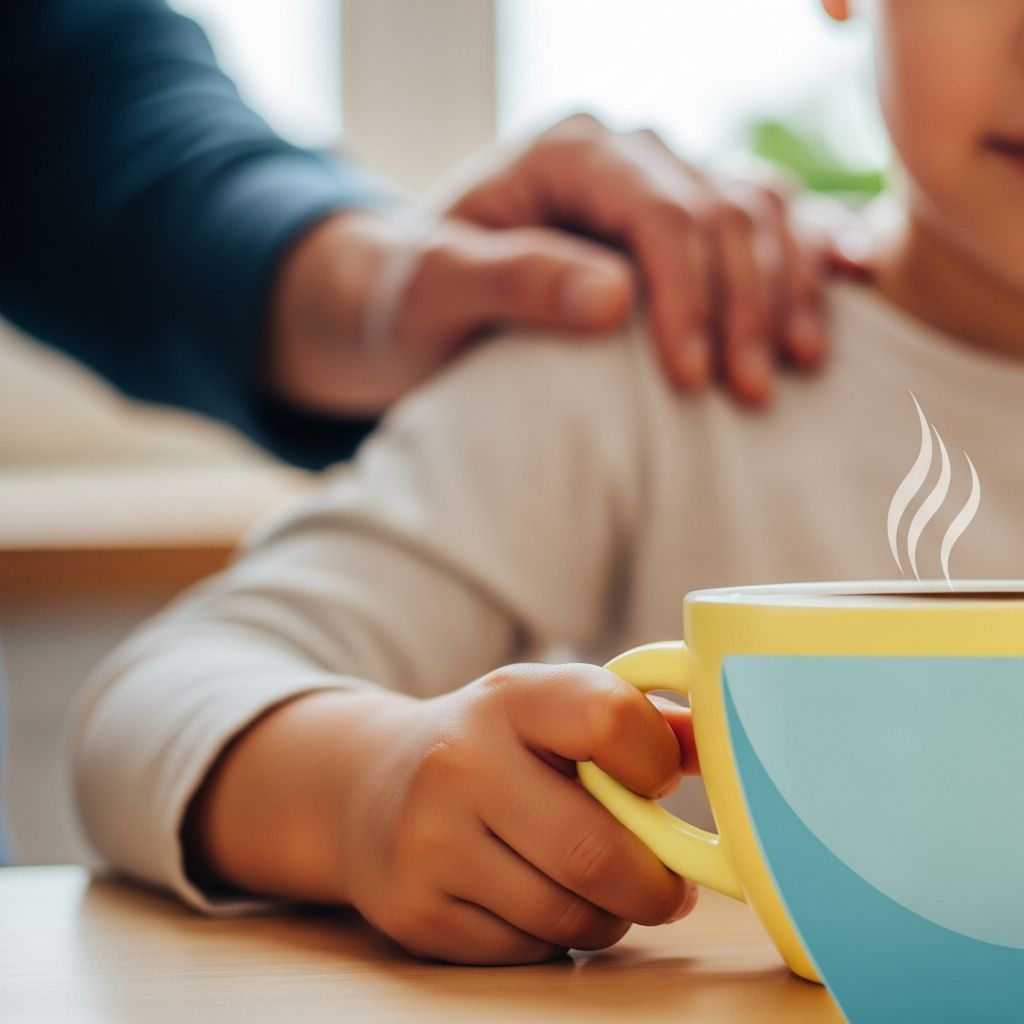
The period following major holidays or vacations often brings a wave of emotional downturn for children, marked by sadness, irritability, or reluctance to resume normal activities. This phenomenon, commonly known as post-holiday blues, stems from the stark contrast between the high energy of celebrations and the return to structured daily life. Parents play a crucial role in guiding kids through this transition, fostering resilience and emotional health.
Recognizing Signs of Emotional Letdown in Children
Identifying early indicators of post-holiday sadness allows for timely intervention. Children might exhibit mood swings, increased isolation, changes in sleep patterns, or diminished interest in previously enjoyed activities. Younger kids may struggle to articulate their feelings, showing them through tantrums or clinginess, while teens could withdraw into devices or express frustration about school.
- Sudden irritability or anger outbursts: Triggered by minor disruptions that remind them of lost holiday fun.
- Social withdrawal: Preferring solitude over playdates or family interactions.
- Sleep disturbances: Either oversleeping to escape reality or insomnia from racing thoughts.
- Declined motivation: Resistance to homework, chores, or extracurriculars.
- Anxiety about routines: Dread over returning to school schedules.
These symptoms typically resolve within a week or two but warrant attention if persistent, as they could signal deeper issues like seasonal affective disorder.
Why the Post-Holiday Dip Happens
Holidays disrupt children’s internal clocks with irregular sleep, abundant treats, and constant stimulation, making the shift back jarring. The emotional high from gifts, gatherings, and freedom fades, leaving a void. Social media amplifies this by showcasing others’ idealized experiences, breeding envy. For school-aged kids, the dread of academic pressures compounds the letdown.
| Factor | Impact on Kids | Example |
|---|---|---|
| Routine Disruption | Loss of structure leads to confusion | Late nights during break vs. early mornings for school |
| Emotional Highs | Crash after overstimulation | Family feasts followed by quiet weekdays |
| Social Comparisons | Feelings of inadequacy | Seeing peers’ vacation posts online |
| Expectations | Disappointment when reality sets in | Missing extended playtime |
Building a Gentle Return to Normalcy
A gradual reintroduction to routines prevents overwhelm. Start by recreating school-like schedules a few days before resumption, incorporating familiar meals and bedtimes. Visual aids, like charts outlining daily tasks, empower kids with predictability and control.
- Adjust sleep schedules incrementally: Shift bedtime 15-30 minutes earlier each night.
- Reintroduce meals at regular times to stabilize energy levels.
- Plan short school prep sessions, like packing bags together.
Collaborate with your child on this process to build buy-in and reduce resistance.
Open Conversations: Validating Young Emotions
Encourage dialogue by asking open-ended questions like, “What was your favorite holiday moment?” or “What’s making returning to school tough?” Validate responses without judgment: “It’s normal to feel sad when fun ends.” This builds trust and emotional vocabulary. Share your own feelings to normalize the experience, e.g., “I miss the lazy mornings too.”
For teens, respect their space while offering availability: “I’m here if you want to talk about the break.” Problem-solving together turns complaints into actionable plans.
Infusing Joy Through Movement and Nature
Physical activity releases endorphins, countering blues effectively. Aim for daily outdoor time, whether family walks, bike rides, or park visits. Even 20-30 minutes boosts mood and energy.
- Family fitness challenges: Races or scavenger hunts to spark laughter.
- Structured sports: Enroll in post-holiday leagues for social outlets.
- Home activities: Dance parties or yoga sessions tailored to ages.
Combine with nature exposure to enhance benefits, as fresh air combats winter doldrums.
Curating Screen Time and Social Media Limits
Excessive scrolling fuels FOMO (fear of missing out) by highlighting others’ highlights. Set family rules: device-free dinners or hourly limits post-holidays. Replace with offline pursuits like board games or reading.
Monitor for summer depression parallels, where missing school friends adds layers—counter with planned hangouts.
Crafting Anticipation for Future Positives
Combat letdown by planning small joys ahead. Brainstorm family goals: “What can we look forward to next month?” This shifts focus from loss to possibility.
- Schedule fun outings, like museum trips or movie nights.
- Create a “highlight reel” jar: Note daily gratitudes to revisit.
- Plan mini-vacations or weekend adventures.
Gratitude practices, such as evening shares of three good things, rewire positivity.
Self-Care Modeling for Lasting Resilience
Parents’ well-being influences kids—demonstrate rest, healthy eating, and stress management. Joint self-care, like bubble baths or meditation apps, teaches coping skills.
Volunteer or donate as a family to foster purpose beyond holidays.
When to Seek Professional Guidance
If blues persist beyond two weeks, intensify (e.g., school refusal, severe anxiety), or accompany suicidal thoughts, consult pediatricians or therapists. Early intervention prevents escalation; resources like school counselors offer support.
Frequently Asked Questions
How long do post-holiday blues typically last in kids?
Most children bounce back in 1-2 weeks with support, though monitoring is key if symptoms linger.
Can routines really help with emotional sadness?
Yes, structure provides security and reduces anxiety, helping kids regain footing.
What if my teen shuts down talks about feelings?
Give space but consistently offer openness; write notes or use casual moments for check-ins.
Is social media always bad post-holidays?
Not inherently, but limits prevent comparison traps—balance with real-life connections.
How do I motivate an unenthusiastic child?
Set tiny goals, like 15 minutes of fun activity, praising efforts to build momentum.
References
- How to Help Kids Beat the Post-Vacation Blues — Newport Academy. 2023. https://www.newportacademy.com/resources/well-being/how-to-help-kids-beat-the-post-vacation-blues/
- Help Your Family Beat the Post-Vacation Blues — Philadelphia College of Osteopathic Medicine. 2023. https://www.pcom.edu/campuses/philadelphia-campus/news-and-events/pcom-news/help-your-family-beat-the-post-vacation-blues.html
- Helping Kids Cope with Post-Holiday Blues — Goldsboro Pediatrics. 2023. https://www.goldsboropediatrics.com/articles-Helping-Kids-Cope-with-Post-Holiday-Blues.php
- How to Help Young People Recover from Post-Holiday Letdown — Prairie Care. 2023. https://prairie-care.com/post-holiday-letdown/
- Post-holiday blues: Depression and returning from winter break — Children’s Hospital of Orange County (CHOC). 2023. https://health.choc.org/post-holiday-blues-depression-and-returning-from-winter-break/
- Tips to help kids overcome post-holiday slump — YouTube (Health Experts). 2023. https://www.youtube.com/watch?v=K-nF8HW4wb8