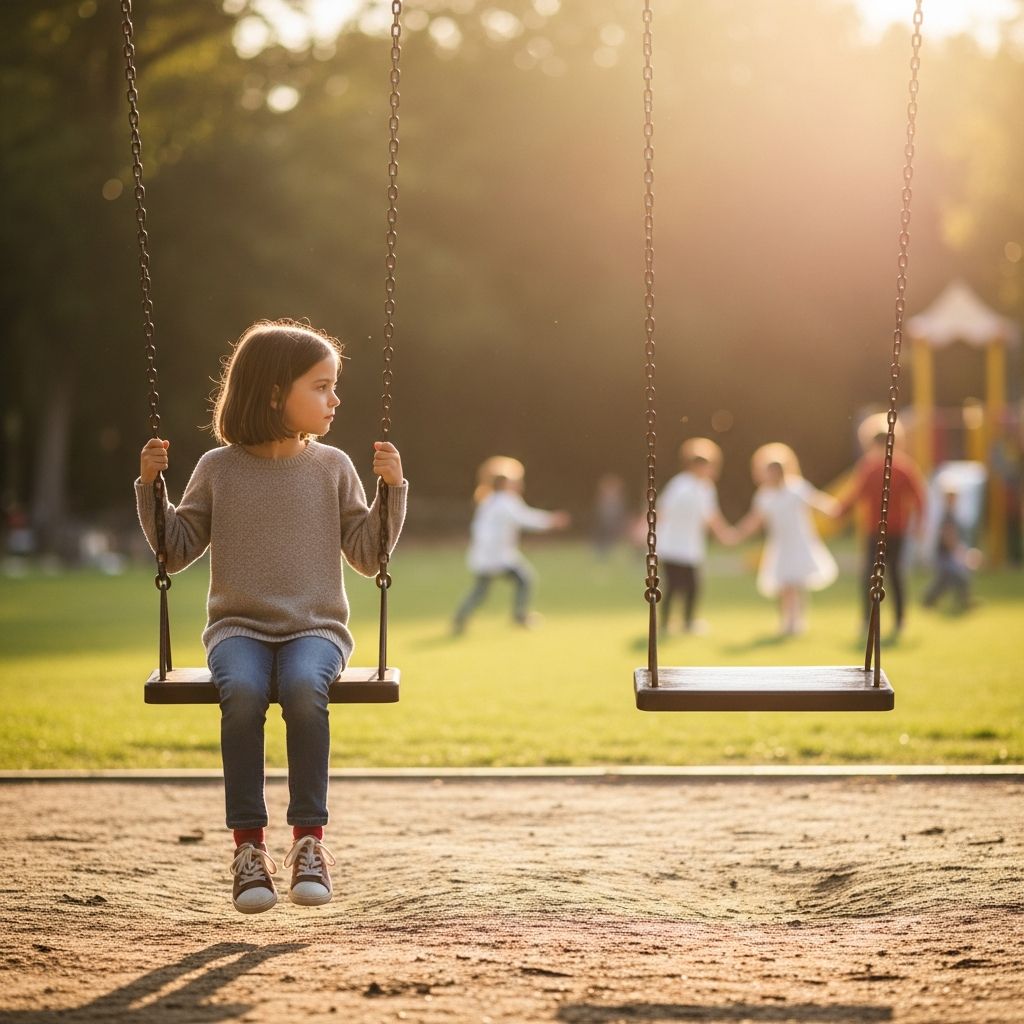
Many children in single-child families experience a sense of longing for siblings, viewing them as built-in companions for play, support, and shared experiences. Parents can help by validating these emotions and channeling them into positive growth opportunities, drawing on research showing only children often excel in independence and creativity.
Understanding the Emotional Landscape of Only Children
Only children frequently encounter stereotypes portraying them as lonely or spoiled, yet studies reveal a more nuanced picture. Research indicates that while they may miss sibling interactions, only children typically develop strong self-reliance and higher self-esteem due to focused parental attention. For instance, a study tracking sociability found only children engage more in extracurriculars and solitary creative pursuits, suggesting comfort with independence rather than isolation.
This longing often peaks during milestones like starting school or observing peers with brothers and sisters. Parents play a crucial role in framing this reality positively, emphasizing the unique advantages of their family dynamic. Acknowledging the child’s feelings without defensiveness—such as saying, “I understand you’d love a brother or sister to play with”—builds trust and emotional intelligence.
Recognizing Signs of Sibling Disappointment
- Withdrawal from peers: The child may avoid group play, preferring solo activities, mistaking a lack of siblings for general social inadequacy.
- Questions about family size: Repeated inquiries like “Why don’t I have a sister?” signal processing complex emotions around family structure.
- Idealization of others’ siblings: Expressing envy toward friends’ family dynamics highlights perceived gaps in their own life.
- Mood shifts: Increased irritability or sadness during family gatherings or holidays, where sibling bonds are prominent.
These signs are normal and transient for most only children. Longitudinal data shows no long-term deficits in adult sociability or relationship quality compared to those with siblings.
Building a Strong Foundation of Self-Worth
Counteract disappointment by reinforcing your child’s inherent value. Only children benefit from undivided resources, often leading to advanced vocabulary, maturity, and achievement motivation. Daily affirmations tailored to their strengths—”You’re so inventive with your stories; that’s a superpower of being you”—foster resilience.
| Strategy | Benefit | Example Activity |
|---|---|---|
| Daily Praise Rituals | Boosts self-esteem | Share three specific wins at dinner |
| Goal-Setting Together | Encourages independence | Create a ‘me achievement’ chart |
| Family Legacy Stories | Builds identity pride | Record grandparents’ tales |
Research from the American Psychological Association underscores that only children form closer parent bonds, providing a secure base for exploring the world.
Cultivating Meaningful Friendships and Social Networks
To fill the companionship void, prioritize structured social opportunities. Enroll in clubs, sports, or arts classes where repeated interactions build lasting bonds. Studies show only children match or exceed peers in peer acceptance when given equal access to group settings.
- Host playdates with rotating families to simulate sibling-like variety.
- Encourage team activities teaching cooperation, countering any sharing hesitations.
- Model friendship-building: Discuss your own adult relationships openly.
Address potential challenges like perfectionism or preference for solitude by gently expanding comfort zones. Frame it as skill-building: “Practicing with friends makes adventures more fun, just like leveling up in your games.”
Leveraging Creativity and Independence as Superpowers
Without siblings to compete for attention, only children often shine in imaginative play and self-directed learning. A BYU review notes heightened creativity from solo time, turning potential loneliness into innovation. Provide tools like art supplies, building kits, or journals to harness this.
Encourage ‘solo adventures’ such as nature walks or reading marathons, followed by sharing sessions. This mirrors sibling sharing without rivalry, promoting emotional regulation. Parents should celebrate these traits: “Your ability to create worlds alone shows incredible strength.”
Navigating Family Discussions and Boundaries
Open dialogues about family choices prevent resentment. Age-appropriately explain decisions—”We chose to focus all our love on you”—while validating feelings. Avoid over-explaining adult reasons like finances or health to keep focus on the child’s experience.
Set boundaries around sibling fantasies: Acknowledge dreams but redirect to realities, like pet adoption or cousin visits. This teaches realistic optimism, reducing internalization of unmet desires.
Addressing Long-Term Concerns and Myths
Myths of ‘only child syndrome’—selfishness, poor socialization—lack empirical support. Thriveworks analysis confirms no differences in marriage stability or life satisfaction; issues like compromise arise from parenting, not sibling absence. Adults without siblings report robust social networks, often valuing quality over quantity.
Prepare for future anxieties, such as eldercare burdens, by discussing community support early. Emphasize: Networks beyond family provide fulfillment.
Practical Routines for Emotional Resilience
- Morning Mindset Check: Start days affirming unique family joys.
- Weekly Friend Focus: Plan one social outing or call.
- Reflection Journals: Track gratitudes and ‘what if’ explorations creatively.
- Family Rituals: Invent traditions exclusive to your duo/trio.
- Professional Check-Ins: Consult counselors if sadness persists beyond months.
These routines, grounded in positive psychology, enhance adaptability.
Frequently Asked Questions (FAQs)
Will my only child always feel sibling-less regret?
No, research shows most adapt well, leveraging strengths like independence for fulfilling lives. Early support minimizes lingering effects.
How does being an only child impact school performance?
Often positively: Higher maturity and focus lead to better academics, though social skills may need nudges.
Can only children be as empathetic as those with siblings?
Yes, sibling interactions aid empathy, but only children develop it through peers and adults equally effectively.
Should I discourage sibling talk?
Never; validate to process emotions healthily, then pivot to present strengths.
What if my child seems depressed about this?
Monitor duration; seek pediatric advice if impacting daily function. Therapy builds coping tools.
Thriving as a Family Unit Without Siblings
Reframe your family as a tight-knit team with amplified adventures. Travel, projects, and deep conversations become hallmarks. Data affirms only children achieve high life satisfaction when parents nurture their distinct path. Your guidance turns potential disappointment into empowerment, creating a resilient, joyful child ready for life’s solo and shared journeys.
References
- The Rise of Single-Child Families: Psychologically Harming the Child? — BYU ScholarsArchive. 2007. https://scholarsarchive.byu.edu/cgi/viewcontent.cgi?article=1191&context=intuition
- Growing Up Without Siblings and Adult Sociability — PMC (NCBI). 2011-11-01. https://pmc.ncbi.nlm.nih.gov/articles/PMC3237053/
- What Is Only-Child Syndrome? — Thriveworks. 2024. https://thriveworks.com/help-with/children-teens-adolescents/only-child-syndrome/
- Only children are often misunderstood — American Psychological Association (APA). 2024-09. https://www.apa.org/monitor/2024/09/only-children