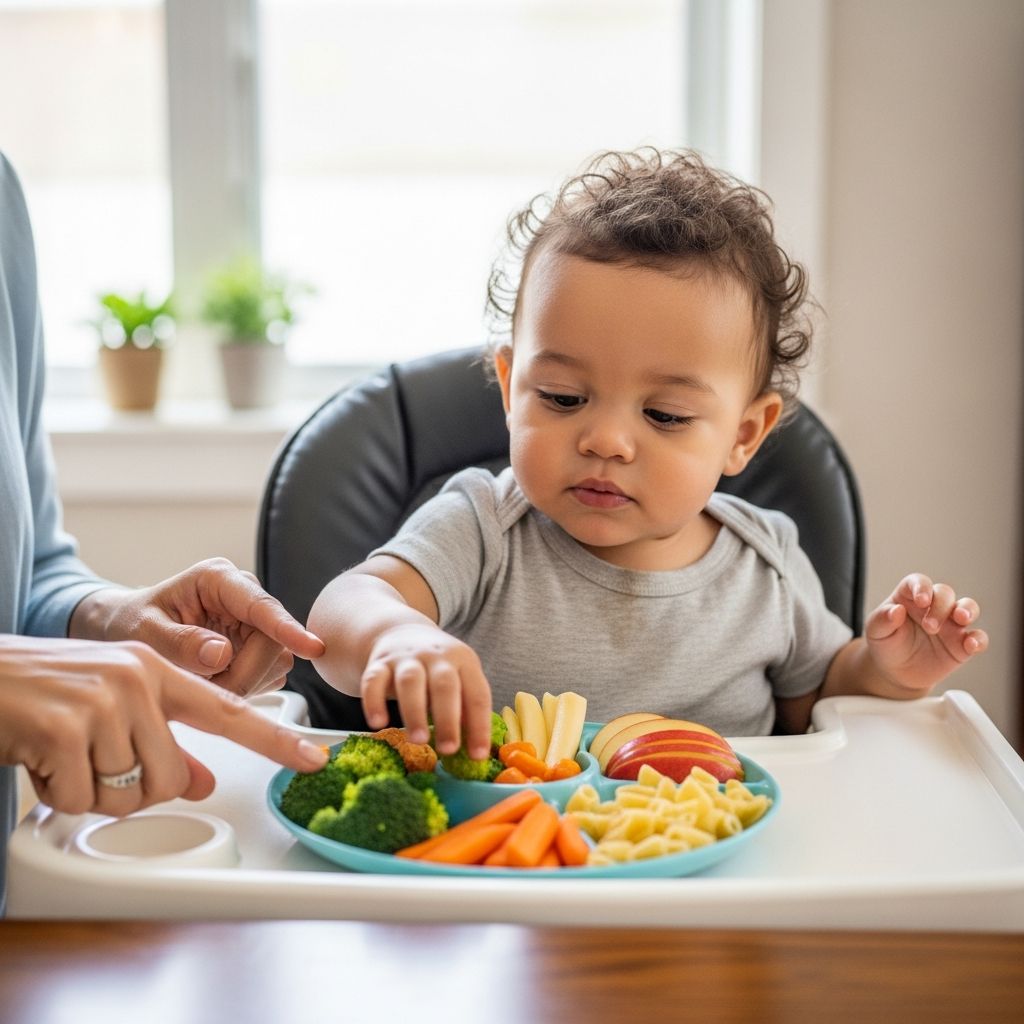
Feeding a toddler who turns their nose up at most foods ranks among the most frustrating aspects of early parenthood. Many caregivers find themselves preparing multiple meals, negotiating over every bite, or watching their child survive on a handful of approved foods. While selective eating during the toddler years is developmentally normal, parents need practical strategies to navigate this phase without sacrificing nutrition or family harmony.
Understanding the Nature of Selective Eating in Young Children
Selective eating in toddlers stems from multiple factors including natural neophobia (fear of new foods), sensory sensitivities, developing motor skills, and the toddler’s emerging desire for autonomy and control. Rather than viewing this phase as obstinate behavior, understanding it as a normal developmental stage helps parents respond with patience and strategic approaches. The key distinction lies in recognizing that rejection does not mean permanent refusal—exposure combined with low-pressure environments significantly increases acceptance over time.
Research indicates that children require between 10 to 15 exposures, and sometimes more, before accepting and enjoying a previously rejected food. This extended timeline explains why one-time offerings often fail. Parents who understand this timeline avoid prematurely concluding that their child dislikes a particular food and instead view each refusal as one step closer to eventual acceptance.
Establishing Structure: The Foundation of Successful Mealtimes
Creating predictable eating patterns reduces toddler anxiety and establishes clear expectations around food availability. Consistency transforms mealtimes from chaotic negotiations into structured opportunities for learning and nourishment.
- Schedule Regular Meals and Snacks: Offer three meals and two to three planned snacks at consistent times each day. This rhythm ensures children arrive at mealtimes genuinely hungry, increasing their willingness to try new options.
- Maintain Time Boundaries: Limit mealtimes to approximately 20 to 30 minutes. This prevents grazing and keeps children engaged without becoming bored or overtired.
- Create a Distraction-Free Environment: Remove phones, tablets, and television from the eating space. A calm, focused setting helps toddlers concentrate on food exploration and family interaction.
- Establish Positive Associations: Keep mealtime conversation pleasant and upbeat, discussing non-food topics that create positive emotional connections to eating together.
The Division of Responsibility Framework
One of the most effective approaches to feeding selective toddlers involves clearly delineating adult and child responsibilities during meals. This framework eliminates power struggles by establishing who decides what, when, and where food is offered versus what, whether, and how much the child eats.
Parent Responsibilities: Adults choose nutritious foods, prepare balanced meal options, determine eating times and locations, and decide the presentation style. By maintaining control over these elements, parents ensure adequate nutrition reaches the table without pressuring the child.
Child Responsibilities: Children decide whether to eat, which foods to try, and how much to consume. This autonomy respects their emerging independence and internal hunger cues while keeping the parent in control of nutritional standards.
This division prevents the common dynamic where parents coax, reward, or pressure children to eat, which paradoxically increases selective eating and reduces growth. Instead, parents create an environment where trying foods becomes the child’s choice rather than a parental demand.
Strategic Food Pairing and Presentation Techniques
How food appears and what accompanies it significantly influences a toddler’s willingness to engage with it. Rather than serving unfamiliar foods in isolation, strategic combinations increase acceptance.
Pairing Principle: Serve new or disliked foods alongside established favorites the child will definitely eat. This reduces anxiety around the unfamiliar option and provides a reliable backup. For instance, introduce broccoli (often rejected) alongside cheese (typically preferred), creating a combination that balances bitter and salty flavors in a toddler-friendly way.
Flavor Bridging: Use foods with similar tastes, textures, or colors to gradually expand preferences. If a child enjoys pumpkin pie, offering mashed sweet potatoes or carrots creates a sensory pathway to related foods. This technique leverages existing preferences to introduce nutritional variety.
Visual Appeal: Toddlers respond enthusiastically to visually interesting presentations. Arranging foods into recognizable shapes, using colorful combinations, and creating eye-catching arrangements transforms ordinary meals into adventures. Similarly, foods that toddlers can dip engage their natural curiosity and desire for participation.
Involving Toddlers in Food Selection and Preparation
Giving toddlers age-appropriate roles in meal planning and preparation channels their desire for control into positive engagement with food. When children participate in food selection, they develop investment in eating what they’ve chosen.
Selection Participation: At the grocery store or farmer’s market, let toddlers choose between two healthy vegetables for dinner. During meal planning, read kid-friendly cookbooks together and allow them to select one recipe to try. These simple choices provide autonomy within boundaries parents set.
Cooking Involvement: Age-appropriate kitchen tasks keep toddlers engaged and build positive associations with food. Suitable activities include stirring ingredients, sifting, counting components, picking fresh herbs from a garden or windowsill, and using a pastry brush to “paint” cooking oil on foods. Supervision remains essential, but these hands-on experiences demystify food and increase willingness to taste results.
High-Success Meal Ideas for Resistant Eaters
While individual preferences vary significantly, certain meal formats consistently appeal to selective toddlers. These options provide nutritional value while accommodating common toddler preferences for familiar flavors and textures.
Finger Food Options: Bite-sized pieces toddlers can self-feed build independence and fine motor skills. Chicken strips exemplify this category—they’re protein-rich, familiar, and easy to manage. Pairing strips with various dipping sauces (mild salsa, yogurt-based ranch, hummus) adds flavor variety and engagement.
Egg-Based Dishes: Scrambled eggs offer neutral flavors, rapid preparation, and versatility. Plain scrambled eggs work for selective palates, while vegetable additions (grated cheese, finely chopped broccoli, diced ham) increase nutritional content without overwhelming the basic flavor profile. Eggs provide protein, choline, and lutein—nutrients crucial for toddler development.
Creatively Disguised Vegetables: When whole vegetables face resistance, strategic incorporation into preferred foods increases vegetable intake. Mixing finely chopped spinach into scrambled eggs, adding minced vegetables to pasta sauce, or blending vegetables into smoothies delivers nutrition without triggering rejection. This approach maintains nutrition during the selective eating phase while continuing to expose toddlers to vegetable flavors in accepted formats.
Smoothie Solutions: Blended beverages provide concentrated nutrition while tasting like treats. A smoothie combining almond milk, baby spinach, frozen berries, banana, yogurt, and protein powder delivers substantial nutrition in a format most toddlers find appealing. The sweet components mask vegetable and protein additions, making smoothies effective vehicles for nutrients.
Juice Integration: Freshly extracted or blended juices like apple-carrot combinations provide micronutrients in familiar flavors. While juice shouldn’t replace whole fruits and vegetables long-term, strategic use during the selective eating phase ensures nutrient intake. This bridges the gap between current preferences and expanded eating patterns.
Texture Progression and Sensory Exploration
Toddler development includes advancing chewing abilities and fine motor skills necessary for managing varied textures. Systematic progression from smooth to complex textures supports both eating competence and willingness to try different foods.
Developmental Texture Sequence: Begin with smooth, strained, or pureed options before advancing to mashed or lumpy textures, then progress toward finely chopped or ground presentations. This progression matches developing abilities while maintaining safety.
Tactile Learning: Allowing toddlers to touch, smell, and even play with food represents normal exploration necessary for texture acceptance. Rather than insisting immediate consumption, permitting tactile investigation builds comfort with unfamiliar foods. Playing with food, while occasionally messy, facilitates gradual acceptance.
Managing Portion Sizes and Avoiding Waste
Strategic portion sizing reduces waste while respecting individual appetite variation. A helpful guideline suggests offering approximately one tablespoon of each food for every year of the child’s age. Smaller initial portions prevent overwhelming presentations while allowing room for children to request additional servings if interested.
When introducing new foods, small initial amounts minimize waste if rejection occurs while still providing taste exposure. Waiting one to two weeks before reintroducing rejected foods prevents flavor fatigue while allowing time for taste preferences to evolve.
Reframing Language and Emotional Dynamics
The words parents use around food shape children’s self-perception and future eating behaviors. Strategic language reframing maintains positivity and encourages future acceptance.
Rather than accepting a child’s statement “I don’t like it,” pediatric specialists recommend reframing to “You’re not used to it yet.” This subtle shift maintains hope for future acceptance and avoids cementing permanent food rejections. Similarly, modeling enjoyment of foods by eating them first, then inviting the child to try, demonstrates that the food is safe and acceptable.
Creating Family Mealtime Culture
Family-style eating where everyone consumes from shared dishes, when developmentally appropriate, normalizes diverse foods and removes the spotlight from the selective eater. When the parent, sibling, or caregiver visibly enjoys vegetables, the child receives powerful modeling that these foods are normal and acceptable.
Discussing flavors, textures, and food origins during meals builds awareness and curiosity. Simple conversations about where foods come from, how they grow, or cultural significance create positive associations extending beyond simple fuel consumption.
When to Seek Professional Guidance
While selective eating represents a normal developmental phase, certain patterns warrant professional evaluation. Pediatricians can assess whether selective eating reflects normal development or signals underlying sensory processing differences, allergies, or feeding disorders requiring specialized support.
Frequently Asked Questions
How long does the picky eating phase typically last?
While individual timelines vary, selective eating commonly peaks around 18 to 24 months and gradually improves through the preschool years. Consistent, pressure-free exposure to diverse foods throughout this period supports natural expansion of preferences.
Should I offer separate meals when my toddler refuses family dinner?
No. If the child refuses the offered meal, they should wait until the next scheduled eating opportunity with only water available between times. Providing alternative meals reinforces selective eating and removes motivation to engage with offered foods. The structure communicates that mealtimes occur at specific times with specific offerings.
Can I use rewards or bribes to encourage eating?
Research demonstrates that reward-based feeding increases selective eating rather than resolving it. Bribing or pressuring children to eat undermines their internal hunger cues and creates negative associations with foods. Instead, maintaining neutral responses to refusals while offering consistent exposure yields better long-term outcomes.
What if my toddler only eats beige, starchy foods?
Limited variety restricts nutrient intake but often responds well to consistent, pressure-free exposure combined with creative incorporation strategies. Adding vegetables to familiar starchy foods, using flavor-bridging techniques, and involving the child in food selection gradually expands acceptance. Smoothies and hidden vegetable preparations ensure nutrient delivery while taste preferences develop.
Is it normal for toddlers to refuse all vegetables?
Yes. Vegetables’ bitter and less sweet profiles make them initially challenging for toddler palates. Pairing vegetables with salty or sweet foods, presenting them in appealing formats, and providing repeated exposure (10-15+ times) typically leads to acceptance. Consistent offering despite refusals remains essential.
References
- 10 Tips for Parents of Picky Eaters — American Academy of Pediatrics. Accessed January 16, 2026. https://www.healthychildren.org/English/ages-stages/toddler/nutrition/Pages/Picky-Eaters.aspx
- 5 Go-To Picky Toddler Meals and Tips for Parents — NAPA Center. Accessed January 16, 2026. https://napacenter.org/toddler-recipes-for-picky-eaters/
- 5 Pediatrician-Proven Strategies to Overcome Picky Eating in Toddlers Ages 1-3 — Blueberry Pediatrics. Accessed January 16, 2026. https://www.blueberrypediatrics.com/health-tips/5-pediatrician-proven-strategies-to-overcome-picky-eating-in-toddlers-ages-1-3
- Tips to Help Your Picky Eater — Centers for Disease Control and Prevention. Accessed January 16, 2026. https://www.cdc.gov/nutrition/features/help-picky-eater.html
- The ABCs of Picky Eating in Children: Science-Backed Strategies to Expand Your Child’s Diet — Thrive Peds. Accessed January 16, 2026. https://thrive-peds.com/the-abcs-of-picky-eating-in-children/
- Feeding a Picky Eater: The Do’s and Don’ts — Children’s Hospital of Philadelphia. Accessed January 16, 2026. https://www.chop.edu/news/dos-and-donts-feeding-picky-eaters
- Picky Eating, Pressuring Feeding, and Growth in Toddlers — PMC National Center for Biotechnology Information. Accessed January 16, 2026. https://pmc.ncbi.nlm.nih.gov/articles/PMC5817026/