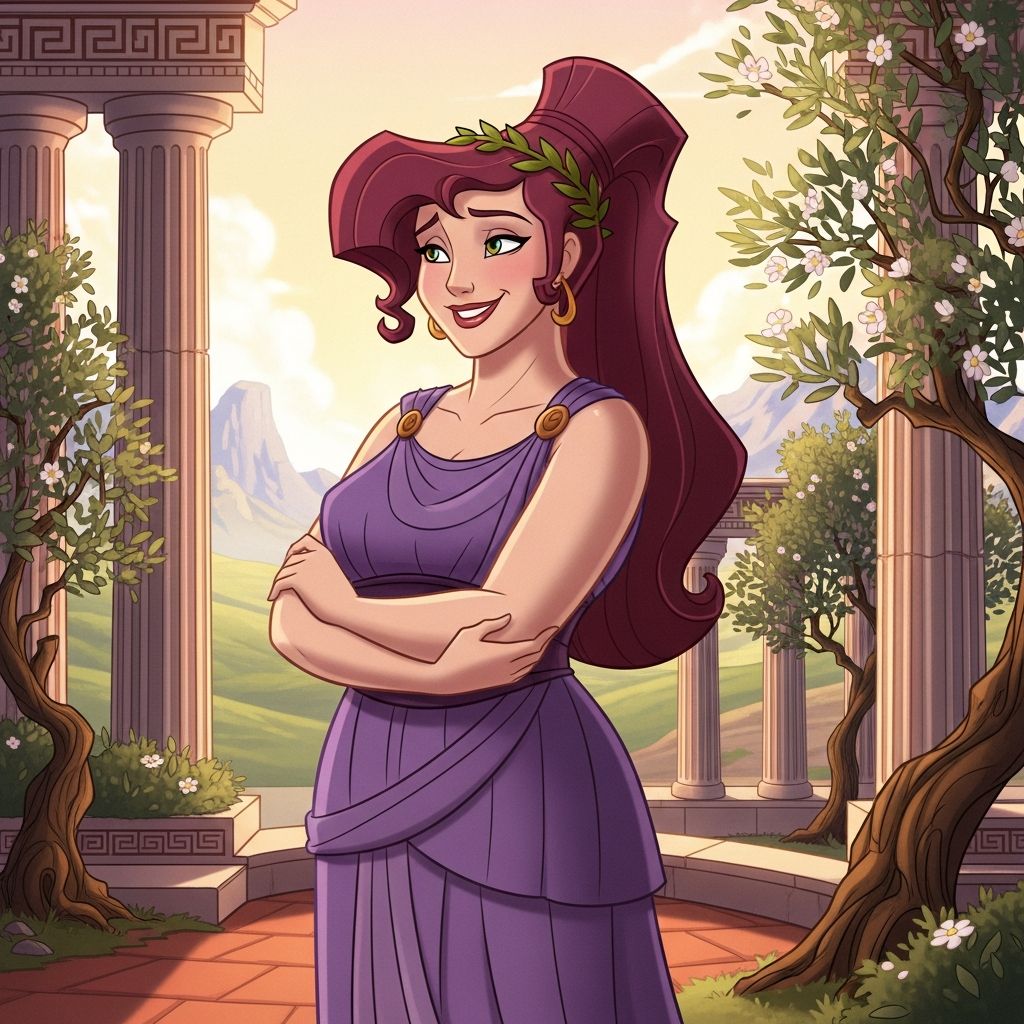
When a fan artist reimagined Megara from Disney’s Hercules as plus-size, the makeover quickly caught attention across parenting and Disney fan communities online. Parents, former Disney kids, and body-positivity advocates flocked to the comments to share how moving it felt to see a beloved character finally drawn with a body that looks more like their own.
The Viral Plus-Size Megara Redesign
The makeover centers on Megara, a fan-favorite Disney heroine known for her sarcastic wit, independence, and very exaggerated hourglass figure. In the new interpretation, her body shape is fuller, softer, and more realistically proportioned, while everything else that makes her Megara—her purple dress, confident smirk, and signature ponytail—stays intact. The effect is that she instantly looks familiar yet refreshingly different.
Instead of the impossibly tiny waist seen in the original animation, the plus-size version of Megara has visible curves, a rounded midsection, and thighs that actually match the way many real people look. The artwork does not mock or caricature her; it simply allows her to take up more space, holding the same pose and attitude as always, only in a body that kids with larger frames can finally see themselves in.
Why Parents Are So Emotional About It
For many adults who grew up with Disney films in the 80s, 90s, and early 2000s, this makeover hits a nerve because it highlights something they did not have as children: heroic, complex female leads with a range of body types. Many commenters have shared that they spent their childhoods comparing their own bodies to animated princesses and heroines, often feeling too wide, too short, or too “big” to ever be that kind of beautiful.
Seeing Megara reimagined as plus-size brings those old feelings back, but with a new twist. Now, parents can picture what it would have meant to see this image as a kid. They imagine their younger selves feeling seen instead of excluded, and they want that sense of belonging for their own children today. This emotional response is part nostalgia, part grief, and part hope that the next generation will grow up with healthier messages.
Megara as a Different Kind of Disney Heroine
Even before this makeover, Megara has always stood out from other Disney heroines. She is not a classic princess waiting for rescue; she is sharp-tongued, guarded, and skeptical of love after having her trust broken. Instead of being wide-eyed and naive, she questions motives, negotiates with gods, and makes choices that reflect her complicated past.
This emotional complexity has made her a cult favorite among many viewers who never quite fit the traditional “princess” mold. The plus-size redesign amplifies that appeal by visually rejecting the idea that only one narrow body type belongs in stories about romance and heroism. It invites children to see bravery, humor, and vulnerability as qualities that are not limited by size.
How the Makeover Changes the Message
One of the most striking things about the makeover is that Megara’s personality does not change at all. She is still confident, wry, and self-possessed. This continuity quietly challenges the harmful belief that only thin bodies can be stylish, flirtatious, or worthy of romantic attention. Instead, the image communicates that a plus-size heroine can inhabit all the same story roles—love interest, moral anchor, and emotional equal—without needing a weight-loss transformation.
For kids, especially those who are already absorbing messages about “good” and “bad” bodies from media and peers, this visual shift matters. It tells them that size is not a flaw that needs fixing before a character can be admired. When Megara is allowed to keep her confidence and desirability in a bigger body, children see that self-worth and beauty do not depend on shrinking themselves.
Common Themes in Viewer Reactions
The response to the plus-size Megara makeover showcases several recurring themes in the comments and discussions swirling around it. People are not just complimenting the art; they are revealing what it means to them on a deeply personal level.
- Recognition: Many adults say this is the version of Megara they wish they had seen growing up, because it looks more like their actual teenage or adult bodies.
- Representation for kids: Parents express excitement that their children might finally see a character who looks like them in shape and size, not just in hair or skin color.
- Healing old wounds: Some viewers describe a sense of healing or validation, as if this image retroactively gives their younger selves permission to feel beautiful.
- Empowerment: The makeover is often described as “perfect” not because thin bodies are bad, but because a wider range of bodies are finally getting heroic treatment.
Why Plus-Size Representation Matters for Kids
Children are quick to notice patterns, especially in the stories they love. When most heroes are thin and most fat characters are jokes, villains, or sidekicks, kids learn to associate thinness with goodness, desirability, and success. Plus-size representation directly counters this pattern by placing larger bodies into roles that are kind, brave, brilliant, or loved.
This matters for all kids, not only those in larger bodies. Thin children also benefit from seeing diverse characters, because it challenges the habit of categorizing people’s worth by their appearance. Diverse body types normalize difference and reduce the stigma that often leads to teasing, bullying, and shame in school settings.
Body Image Lessons Hidden in Cartoons
Animated films might look harmless, but their visual language sends powerful messages. When female leads consistently share similar features—big eyes, tiny waists, and impossibly long legs—kids learn to treat that as the default template of beauty. Anything that deviates from this ideal can then feel “wrong” or “lesser,” even without anyone saying it aloud.
By contrast, fan-made makeovers like this plus-size Megara quietly subvert that template. They use the same colors, costumes, and poses parents recognize from the original film, but they insert a more realistic body into the frame. That contrast makes it easier to point out how stylized the original proportions were and to discuss with children why stories do not need a single “approved” body type.
Using the Plus-Size Megara as a Teaching Tool
Parents can turn this viral moment into a practical, age-appropriate teaching tool. Rather than only scrolling past the image, caregivers can pause and invite a conversation. The artwork becomes a bridge between the media children love and the values adults want to convey about respect, diversity, and self-worth.
This does not require a lecture or a long speech. Thoughtful questions and gentle observations can be enough to shift how a child interprets what they see onscreen. Over time, these small conversations add up, helping kids develop a critical eye instead of passively absorbing harmful beauty standards.
Conversation Starters for Different Ages
Here are some simple prompts parents can try when they show their child the plus-size Megara makeover alongside the original version:
- For younger kids (4–7): “What do you notice about these two pictures of Megara? Do you think both of them can be heroes?”
- For older kids (8–12): “Do you think one of these Megaras is ‘better’ or are they just different? Why do you think movies often show characters with one kind of body?”
- For teens: “How do you think seeing only one body type in media affects how people feel about themselves? What do you like about this plus-size version?”
Key Differences: Original vs. Plus-Size Megara
The makeover keeps many aspects of the original design but shifts the underlying message by changing Megara’s body type. The table below highlights some of the most important contrasts that parents can discuss with their kids.
| Aspect | Original Megara Design | Plus-Size Megara Makeover |
|---|---|---|
| Body shape | Extremely tiny waist with exaggerated hourglass proportions. | Fuller, softer curves with a visibly larger waist and thighs. |
| Facial expression | Confident, slightly smug smirk. | Similar confident smirk, keeping her trademark attitude. |
| Outfit | Long, fitted purple dress that clings tightly to a thin frame. | The same Grecian-inspired purple dress adapted to a larger body. |
| Message about beauty | Reinforces the idea that heroines are thin and highly stylized. | Suggests that heroines can be beautiful and desirable at any size. |
| Relatability | Many viewers admire her look but see it as unattainable. | More viewers recognize their own shape and feel represented. |
How This Reflects a Bigger Cultural Shift
The popularity of the plus-size Megara makeover is part of a broader cultural conversation about body positivity, size inclusivity, and what it means to feel at home in your own skin. Social media has amplified independent artists who experiment with redesigning well-known characters, often to correct the lack of diversity in mainstream versions. These reinterpretations are not official, but they influence how audiences think about what is possible.
Parents now find themselves raising kids in a media landscape where the original versions of characters live side-by-side with fan art and reimaginings. This dual exposure can actually empower families, because it demonstrates that characters are not fixed; they can evolve, be reclaimed, and be redrawn in ways that include more people. That flexibility opens the door for critical thinking rather than passive consumption.
Talking to Kids About Beauty Standards
The Megara makeover gives parents a natural lead-in to discuss how beauty standards change over time and differ across cultures. Adults can explain that in one era, extremely thin waists might have been idealized, while in another, different shapes are celebrated. This context helps kids see beauty trends as constructed and shifting, not as universal truths.
By emphasizing qualities like kindness, courage, humor, and resilience as more important than appearance, parents can re-center the conversation on character rather than bodies. Using Megara as an example, they can ask kids what they admire about her besides her looks—such as her growth, her loyalty, or her ability to stand up for herself even when she is scared.
Practical Tips for Parents
Beyond talking about the image, families can take simple steps to reinforce body-positive messages at home. These small actions can create an environment where the plus-size Megara feels natural rather than surprising.
- Normalize a range of bodies: Choose books, shows, and movies that feature characters with different shapes, abilities, and appearances, not just one kind of look.
- Avoid negative body talk: Try not to criticize your own or others’ bodies in front of children, especially not in terms of size or weight.
- Focus on function, not form: Compliment what bodies can do—run, dance, hug, learn—rather than how they look.
- Encourage media critique: Ask kids what they notice about bodies in cartoons and whether they think those shapes match real people.
Frequently Asked Questions (FAQs)
Is the plus-size Megara makeover an official Disney design?
No, this makeover is created by a fan artist and is not an official redesign from Disney. It exists as a piece of fan art that reinterprets Megara through a body-positive lens, sparking conversation about what kids see and internalize when they watch animated films.
Does changing Megara’s body type change who she is?
The makeover keeps Megara’s core traits the same—her attitude, style, and emotional complexity remain intact. What changes is the visual signal about which kinds of bodies are allowed to hold center stage in romantic and heroic stories, broadening who gets to feel represented by her character.
Is this makeover shaming thin bodies?
The goal of plus-size reinterpretations is not to shame thin bodies but to challenge the idea that only thinness is worthy of admiration and love. Children benefit from seeing a spectrum of body types framed positively, including thin, fat, and everything in between, so that no single body shape is treated as the only acceptable one.
How can I show this image to my child without making them self-conscious?
Approach the artwork with curiosity rather than judgment, and avoid making direct comparisons to your child’s body. Instead, focus on questions about fairness, diversity, and what makes a good hero, helping your child see that many different people—and body types—deserve to be in the spotlight.
What if my child already feels bad about their body?
If your child has expressed shame or discomfort about their body, use the Megara makeover as a gentle way to open up dialogue about where those feelings come from. Affirm that all bodies deserve respect and care, and consider seeking guidance from a pediatrician or mental health professional if body image struggles seem to be affecting your child’s daily life.
Why This Makeover Is “Perfect” for Many Viewers
Many people describe the plus-size Megara makeover as “perfect” not because it replaces the original, but because it adds something that was missing: the chance for more kids and adults to see themselves reflected in a character they already love. The artwork does not erase Megara’s history or personality; it expands who gets to claim her as “someone like me.”
In a world where children are bombarded with narrow ideals of beauty, even a single image can make a difference. A plus-size Megara standing tall, smirking confidently in her iconic purple dress, sends a quiet but powerful message: heroes come in all sizes, and every child deserves to recognize themselves in the stories they cherish.