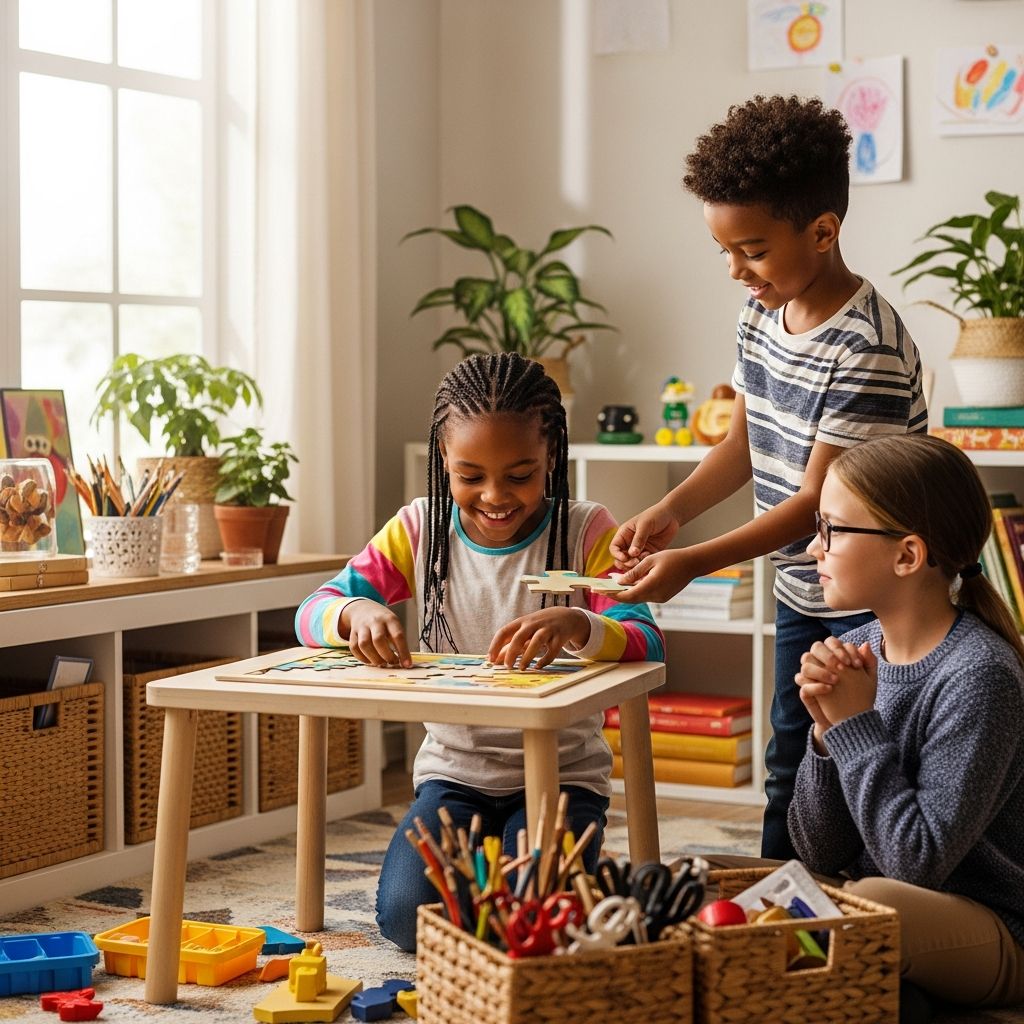
Seven-year-olds often stand at a crossroads between little-kid needs and big-kid abilities. Many parents are caught off guard when a child who does well in school becomes clingy, demanding, or disrespectful at home. This shift is not a sign that you have failed; it is a signal that your child needs guidance, structure, and emotional safety.
Understanding the “Two Different Kids” Problem
A common pattern is a child who seems responsible, cooperative, and even shy at school or with other adults, then melts down or becomes controlling and rude at home. The contrast can be confusing, but it usually means your child feels safest with you and lets out all the pent-up feelings that were held in all day.
Home is where children test limits, release stress, and seek reassurance that they are loved even when they are at their worst. That is not an excuse for disrespect, but it does explain why the hardest behavior often appears where the attachment bond is strongest.
Why a 7-Year-Old Clings and “Can’t Play Alone”
Clinginess rarely means laziness or manipulation in a child this age; it usually points to underlying needs or worries. Some children have nervous systems that are more sensitive, so separations, changes, or quiet alone time feel more threatening to them.
At seven, children also begin to think more deeply and imagine scary possibilities—getting hurt, losing a parent, being rejected—which can quietly fuel their reluctance to be apart or entertain themselves. When these feelings are not expressed in words, they come out as “Don’t leave!” or “Play with me!” over and over.
Common Roots of Clingy Behavior
- Separation worries: Fear that something bad will happen if you are not nearby.
- Insecure attachment: Doubt about whether a parent will stay emotionally available and responsive.
- Stress and change: Moves, new schools, family conflict, or loss can intensify the need to stay close.
- Over-accommodation: If adults constantly rescue or entertain, children may not practice being alone.
- Temperament: Some kids are simply wired to need more contact and reassurance than others.
Clinginess and Disrespect: Two Sides of the Same Coin
Parents often notice a puzzling combination: a child who clings, demands attention, and at the same time talks back or acts like the boss. Beneath that surface, the child usually feels a mixture of anxiety and powerlessness and is trying to regain a sense of control.
When adults give in to every demand or let the child steer the whole household to avoid upsets, the child may briefly feel powerful but ultimately feels unsafe, because no one seems firmly in charge. That insecurity can drive both more clinginess and more disrespect.
The Parent’s Balancing Act: Warmth and Leadership
Children thrive when parents combine emotional warmth with calm, consistent leadership. Warmth tells your child, “You are loved no matter what,” while leadership communicates, “You are safe because I am the adult in charge.”
If warmth is high but leadership is weak, kids may become demanding and fearful. If leadership is harsh and warmth is low, they may comply on the surface but carry resentment and anxiety that later appears as backtalk or avoidance.
Building a Secure Emotional Base
The first step is strengthening your child’s sense that your relationship is solid and unshakable. This foundation makes it easier for your child to handle frustration, limits, and short separations without panicking.
- Daily one-on-one time: 10–20 minutes of child-led play or conversation with your full attention and no devices.
- Predictable affection: Ritual hugs in the morning, when reuniting, and at bedtime.
- Emotional naming: Help your child put words to feelings: “You seem worried about me leaving,” or “You look disappointed.”
Teaching Independent Play Without Harsh Pushes
Independent play is a skill that needs coaching and practice, especially for sensitive or anxious children. Pushing them abruptly to “go away and play” can deepen fear, whereas gentle, gradual steps build confidence.
Step-by-Step Independence Plan
- Start together: Sit with your child and begin an engaging activity—blocks, art, pretend play, or a building set.
- Announce mini-separations: After a few minutes, say you need to do a small task and will be back in, for example, two minutes.
- Leave a connection bridge: Keep a door open, talk from the other room, or let your child know exactly where you are.
- Return and praise effort: Notice bravery: “You kept drawing while I was gone. That shows you can handle a short time on your own.”
- Gradually extend time: Slowly lengthen these intervals over days and weeks, not all at once.
Ideas for Engaging Solo Activities
Some children resist independent play because they simply do not know what to do with themselves. Offering clear, interesting choices can reduce clingy behavior and complaints of boredom.
- Art table with paper, tape, and simple supplies ready to use.
- Building corner with blocks, magnetic tiles, or construction sets.
- Creative boxes: a box of dress-up items, puppets, or figures for pretend play.
- Quiet-time basket: puzzles, coloring books, and favorite stories.
- Nature tray: rocks, leaves, shells, and magnifying glass for exploring.
Sample Home Routine for Security and Space
A predictable rhythm helps children feel anchored and reduces the urge to control every moment. The following table shows one example of a weekday routine that balances connection and independence.
| Time | Focus | Connection | Independence |
|---|---|---|---|
| Before school | Getting ready | Shared breakfast, brief check-in | Child dresses and packs bag with light supervision |
| After school | Decompressing | Snack plus 10–15 minutes of listening and chatting | Quiet solo play or reading while parent starts dinner |
| Early evening | Family time | Board game, walk, or shared activity | Short chore (setting table, feeding pet) with minimal help |
| Before bed | Wind-down | Story, cuddle, or “highs and lows of the day” talk | Child chooses pajamas, prepares clothes for next day |
Setting Firm, Respectful Limits on Disrespect
While it is important to understand your child’s feelings, you do not have to accept hurtful words or rude behavior. Young children learn what is acceptable by watching how adults behave and how consistently limits are enforced.
- State the limit calmly: “I won’t let you call me names. We speak kindly in this family.”
- Separate feeling from behavior: “It’s okay to feel mad; it’s not okay to yell in my face.”
- Offer a do-over: Invite your child to try again with a respectful tone or different words.
- Follow through: If disrespect continues, pause the interaction or end a privilege without shaming.
Modeling the Respect You Want to See
Children absorb how adults talk far more than they follow lectures about manners. If they regularly hear sarcasm, shouting, or blame, they will imitate that style when frustrated.
Try to speak to your child in the tone you hope they will use with you. That may mean pausing before responding, taking a breath, or addressing your own stress so you can stay grounded.
Supporting Feelings So They Do Not Explode as Misbehavior
Many power struggles disappear when children are given regular chances to cry, sulk, or express anger in a safe, supported way. When big feelings are blocked, they tend to surface later as lashing out, whining, or controlling behavior.
- Welcome tears by staying close and calm instead of rushing to fix or distract.
- Use empathic phrases such as, “This is really hard,” or “You wish it could be different.”
- Allow the full wave of emotion to pass before trying to reason or problem-solve.
Encouraging Social Courage Without Forcing
If your child is reluctant to go to friends’ houses or new activities without you, think in terms of gentle exposure rather than all-or-nothing pressure. The aim is to stretch the comfort zone just enough to promote growth without overwhelming.
- Arrange short visits when you can stay nearby at first (in another room or just outside).
- Help your child build a relationship with the other adult who will be present.
- Teach simple coping tools: taking deep breaths, picturing a safe place, or calling you if needed.
- Celebrate every small step of bravery instead of focusing on what they still cannot do.
Signs You May Be Over-Accommodating
Parents often slide into patterns that accidentally increase clinginess or defiance. Noticing these habits is the first step to changing them.
- You cancel your own plans routinely to avoid your child’s protests or tears.
- You do tasks for your child that they are capable of doing with guidance.
- The family schedule revolves mainly around one child’s preferences.
- You feel anxious or guilty anytime you set a limit or say “no.”
Practical Shifts for Parents
Small, consistent changes in your responses can transform daily dynamics over time. You do not have to become a different person; you just need to send clearer messages through your actions.
- Plan your “yes” times: Build in predictable moments of undivided attention so you can say “not now” without guilt.
- Use routines as the “bad guy”: “Our routine says homework before screens,” instead of constant personal battles.
- Hold the line kindly: Repeat your limit calmly instead of arguing or explaining it over and over.
- Repair after conflicts: Apologize for your own outbursts and reconnect; this models healthy humility.
Frequently Asked Questions
Is it normal for a 7-year-old to act younger at home?
Yes. Many children function like “mini adults” in structured settings and then regress at home where they feel safest. This can look like clinginess, whining, or bossiness, and it is a sign that home is the place where they discharge stress.
How do I know if the clinginess is more than a phase?
Consider seeking professional guidance if your child’s fears severely limit daily life, cause panic at the thought of separation, or persist for many months without improvement, despite supportive parenting and gentle practice. Trust your instincts if something feels out of proportion or is disrupting school, sleep, or friendships.
Should I ever force my child to stay somewhere without me?
For most children, gradual exposure with clear preparation and supportive adults works far better than sudden forcing. Occasionally you may need to insist on a necessary separation, but even then, empathy and collaboration decrease the emotional cost.
What consequences are appropriate for disrespect?
The most helpful “consequences” are directly related to the behavior and carried out calmly—for example, ending a game when rude words begin or pausing screen time until your child can speak respectfully. Yelling, shaming, or long lectures tend to inflame the situation and model the very disrespect you are trying to reduce.
Can a child be both highly sensitive and very strong-willed?
Absolutely. Some children feel emotions intensely and also have a powerful drive for autonomy. These kids especially need parents who can offer both deep empathy for their feelings and steady boundaries around behavior.
Helping Your Child and Yourself Grow Together
Parenting a clingy, outspoken seven-year-old can be draining, but it also opens a window into your child’s inner world. When you respond with empathy, leadership, and consistent limits, you teach your child that it is possible to feel big feelings, stay connected, and still treat others with respect.
Over time, your child can learn to play independently, handle short separations, and express needs without disrespect—skills that will support healthy relationships and self-confidence far beyond the early school years. Along the way, you too will grow more patient, more clear, and more attuned to both your child and yourself.