Nail biting and thumb sucking can be stressful to watch, especially when a child’s fingers are sore, their teeth are at risk, or other adults keep commenting on it. Yet these habits are rarely about “bad behavior.” They are almost always about comfort, regulation, and coping. When parents shift from trying to control the habit to understanding it, real change becomes possible.
Understanding What These Habits Really Mean
For most children, nail biting and thumb sucking are self-soothing strategies. They help a child manage feelings they cannot yet name or regulate in more mature ways. The behavior is the child’s current best attempt to feel safe, calm, or in control.
Instead of seeing the habit as defiance or laziness, it helps to view it as a signal. The child is telling you, with their body, that something feels overwhelming, boring, confusing, or scary. Your job is not only to interrupt the habit, but to decode the message and respond to the underlying need.
Common Emotional Drivers
- Anxiety and worry: New schools, social pressure, family stress, or performance expectations often show up in the body before a child has words.
- Boredom and restlessness: Long car rides, TV time, or waiting in lines can trigger mindless biting or sucking simply because hands and minds are idle.
- Fatigue and overstimulation: After a long day, sensory overload or exhaustion can send a child hunting for the fastest route to soothing.
- Habit and muscle memory: Sometimes the original trigger has faded, but the routine is deeply ingrained and fires automatically.
Looking Beyond the Surface: What’s Really Bothering Your Child?
Children rarely say, “I’m anxious, so I’ll bite my nails now.” They simply find something that brings temporary relief. Parents who successfully help their child move past these habits learn to look beneath the surface for patterns and invisible stressors.
Questions to Quietly Ask Yourself
- When do I see this behavior most: mornings, bedtime, homework time, social events?
- What has changed recently in our family, school, or routine?
- Does my child seem more clingy, irritable, or withdrawn than usual?
- Are expectations (academics, activities, chores) pushing them beyond their developmental capacity?
Notice these patterns over a week or two before making big changes. This observation phase keeps you from reacting impulsively to the symptom and missing the deeper cause.
Developmental Perspective: What’s Age-Appropriate?
Age matters. A toddler sucking a thumb to fall asleep is very different from a nine-year-old digging fingernails down to the quick. Understanding what is developmentally normal helps parents set realistic goals and avoid unnecessary battles.
| Age Range | What’s Common | Parent Focus |
|---|---|---|
| Toddlers (1–3 years) | Thumb or finger sucking for sleep, comfort, or transition; occasional nail chewing. | Provide comfort, gentle limits, and plenty of physical closeness. Avoid shaming or harsh corrections. |
| Preschoolers (3–5 years) | Nail biting or thumb sucking during stress, boredom, or separation; starting to be automatic. | Build emotional vocabulary, introduce simple alternatives (fidgets, chewy snacks), and keep routines predictable. |
| School-age (6–10 years) | More established habits that show up during reading, screens, homework, or social anxiety. | Collaborate on plans, involve the child in problem-solving, and aim for gradual reduction rather than instant elimination. |
| Preteens and teens (10+ years) | Stress-related nail biting, skin picking, or other body-focused coping; more self-consciousness. | Offer privacy and respect, frame change as a health and confidence goal, and consider professional support if distress is high. |
Why Pressure, Shaming, and Bribing Backfire
Many well-meaning adults respond with criticism, teasing, or big rewards. These often increase shame, anxiety, and secrecy – the very emotions that drive the habit. The child may stop in front of you but continue in private, feeling worse about themselves.
Comments like “That looks disgusting” or “Big kids don’t do that” attack identity rather than helping regulation. Even seemingly soft remarks (“Everyone is staring at you”) load the child with social fear instead of giving them tools. Over time, they internalize the idea that their natural need for comfort is unacceptable.
Signs Your Approach Might Be Fueling the Habit
- Your child hides hands, sits on them, or turns away when you notice the behavior.
- They react with anger or tears when you mention nails or thumbs.
- The habit increases right after conflicts, punishments, or lectures about it.
- Other adults’ comments (teachers, relatives) clearly embarrass your child.
A Gentle, Step-by-Step Approach That Works
An effective plan has three parts: understand the trigger, strengthen connection and regulation, and offer respectful alternatives. The goal is not perfection, but progress and resilience.
Step 1: Bring Warm Awareness
- Notice without judgment: “I see your fingers in your mouth. Something might be feeling tricky right now.”
- Stay curious rather than critical: “I wonder if you’re bored, worried, or just on autopilot.”
- Keep your tone light, as if you’re observing the weather, not announcing a crime.
Step 2: Name Feelings and Needs
Help your child connect the habit to internal states instead of treating it as random misbehavior. When you see the behavior, gently explore what’s happening inside.
- “Sometimes people chew their nails when their brain is busy. Is your brain busy about something?”
- “I notice you do this a lot during homework. Is there a part of homework that feels hard or scary?”
Over time, this emotional literacy gives your child more options than just reaching for a thumb or nail.
Step 3: Co-Create Alternatives
Children are far more likely to use replacement behaviors they helped design. Sit down at a calm time (not in the middle of a conflict) and brainstorm together.
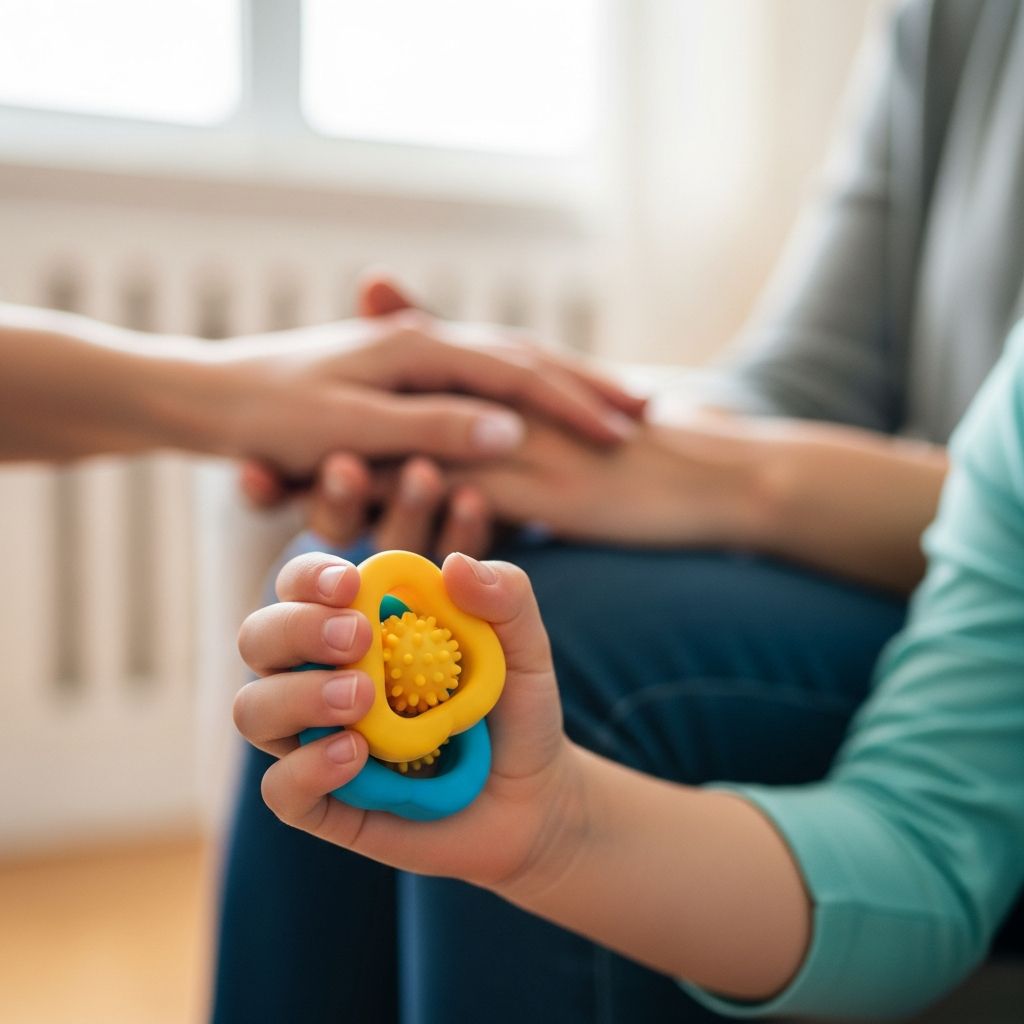
- For restless hands: stress balls, soft putty, fidget rings, doodling, knitting, or rolling a small toy between fingers.
- For oral comfort: crunchy snacks (carrot sticks, apple slices), reusable straws, sugar-free gum (if age-appropriate), or designated chewable jewelry made for sensory needs.
- For anxiety: deep breaths with a visual (“smell the flower, blow the candle”), squeezing a pillow, or pressing feet firmly into the floor.
Frame these as tools, not punishments or “baby stuff.” The message is: everyone needs ways to calm their body and brain; these are yours.
Step 4: Make a Kind, Concrete Plan
Once alternatives are chosen, turn them into a simple agreement. Avoid complex charts or rigid rules that become another source of stress. Instead, emphasize practice and teamwork.
- Choose one or two specific times to focus on at first (for example, TV time and homework).
- Decide on a gentle cue you’ll use, such as tapping your lips, placing a hand on your heart, or a pre-agreed code word.
- Keep the plan flexible: if one tool doesn’t help, swap it out instead of declaring failure.
Supporting Oral and Emotional Health Together
Physical health matters, but it should be addressed in a way that empowers rather than frightens your child. Explain consequences in simple, non-graphic terms, linking them to self-care instead of shame.
- “Your mouth and teeth work hard for you every day. When nails or thumbs are in there a lot, it can make their job harder.”
- “We’re going to help your teeth and your feelings at the same time by finding other ways to calm your body.”
Routine dental checkups can be framed as a team effort: the dentist, the parent, and the child all working together to keep the mouth healthy. If a professional is concerned, ask them to speak respectfully and constructively, focusing on solutions rather than fear.
Designing the Environment for Success
Habits are easier to change when the environment supports the new behavior. Small, thoughtful adjustments can lower triggers and increase access to healthier coping strategies.
Practical Environmental Tweaks
- Keep fidgets, chewable tools, or drawing materials accessible in known “trigger zones” like the couch, car, or study area.
- Use gentle reminders in the environment: a small sticker on the remote, a bracelet on their wrist, or a note on the homework folder.
- Trim nails regularly and keep them smooth to reduce the temptation of rough edges.
- Build in movement breaks during homework or screen time to discharge tension before it lands in their fingers or mouth.
When (and How) to Talk About It With Your Child
The best conversations happen when the child is calm, not in the middle of biting or sucking. Choose a neutral moment and keep the tone collaborative. Avoid long speeches; aim for a short, compassionate dialogue.
Elements of a Helpful Conversation
- Empathy first: Acknowledge that the habit helps them feel better in some way.
- Shared goal: Ask what they would like (less soreness, stronger nails, fewer comments from peers).
- Teamwork: Clearly state that you will help, not police.
- Permission to be imperfect: Normalize setbacks as part of any change process.
Encouragement That Builds Confidence (Not Pressure)
Children thrive on genuine, specific acknowledgment. Instead of praising “not biting” itself, focus on the skills and choices behind the change – noticing urges, using tools, or reaching out for help.
- “You noticed your thumb heading toward your mouth and chose to squeeze your ball instead. That took real awareness.”
- “It looked hard to stop when you were nervous, and you still tried the breathing we practiced. That’s courage.”
Short celebrations of progress – an extra story at bedtime, choosing the family movie, or a high-five ritual – can reinforce effort without turning the process into a reward economy that collapses when prizes stop.
Red Flags: When to Seek Extra Support
Most children grow out of nail biting and thumb sucking with patient guidance and maturation. But sometimes the habit is intense, painful, or tied to deeper emotional struggles. In those cases, additional support is a gift, not a failure.
Consider Professional Help If:
- The skin around nails or thumbs is frequently infected, bleeding, or very painful.
- Your child expresses strong self-disgust, shame, or hopelessness about stopping.
- The habit is accompanied by other concerning behaviors like severe sleep disruption, sudden academic decline, or social withdrawal.
- Attempts at gentle change over several months show no progress and everyone feels stuck and distressed.
Pediatricians, child therapists, and pediatric dentists can help assess whether the behavior is part of typical development, intense anxiety, or a body-focused repetitive behavior that needs more targeted interventions.
Frequently Asked Questions
Is nail biting or thumb sucking my fault as a parent?
Blame rarely helps anyone. These habits grow from a mix of temperament, environment, stress, and development. Even in very calm, loving homes, children can turn to biting or sucking as a way to regulate. Your influence lies in how you respond now – with curiosity, support, and structure rather than self-criticism or harshness.
Should I use bitter polish or physical barriers?
Some families find that bitter-tasting polish or bandages can be a useful short-term reminder, especially for older children who are highly motivated to change. However, if these tools are used without emotional understanding, the child may simply feel punished or find ways around them. If you choose to try them, link them to a collaborative plan and emphasize that they are helpers, not punishments.
What if my child refuses all alternatives?
Refusal often signals that a child feels judged, overwhelmed, or not ready. Back up a step: focus on connection, listening, and naming feelings before pushing solutions. Sometimes, giving the child more control (“Which two tools should we try this week?”) or more privacy (“Would you rather keep your fidget in your pocket so no one sees?”) increases willingness.
How long will it take for my child to stop?
Habit change is rarely linear. Some children shift within weeks; others need months or longer, especially if the behavior is tied to deeper anxiety. Look for small indicators of progress: shorter duration of biting or sucking, using tools some of the time, or asking for help. Treat each step as part of a journey, not a verdict on your parenting or your child.
What if teachers or relatives are making it worse with comments?
It is reasonable to advocate for your child. Briefly explain that you are working on the habit with a gentle, respectful approach and ask other adults to avoid shaming language or public corrections. Offer specific alternatives, such as subtle cues, private check-ins, or simply ignoring the behavior in group settings. When the adults around your child align with your approach, change becomes much more likely.
Putting It All Together
Nail biting and thumb sucking are not moral failings or signs of weak will. They are coping strategies chosen by a child whose nervous system is still under construction. When parents see them as signals rather than sins, the response naturally shifts toward empathy, structure, and collaboration.
By tuning into the underlying emotions, co-creating alternatives, adjusting the environment, and offering encouragement rooted in connection, families can gradually loosen the grip of these habits. Along the way, children don’t only gain healthier nails and teeth; they also build emotional awareness and self-regulation skills that will serve them for a lifetime.