Many children are frightened of bees. For some, it is a mild worry that fades with time; for others, it becomes a powerful fear that limits outdoor play, school activities, and family fun. This guide shows you how to respond with empathy, knowledge, and simple tools that gradually turn fear into confidence.
Instead of pushing your child to “get over it,” you can walk alongside them, teaching their body and brain that bees – while deserving respect – do not have to be a source of panic.
Understanding Fear of Bees in Children
A fear of bees, sometimes called apiphobia or melissophobia, is an intense, often irrational fear of being near bees or being stung. In children, this may look like screaming, crying, clinging, refusing to go outside, or scanning the environment constantly for insects.
Fear becomes a problem when it starts to control choices: the child avoids parks, sports, or even opening windows because of the possibility of a bee being nearby. When this happens, your role is not to argue with the fear but to help your child feel safe while slowly expanding what they can handle.
Why Children Develop a Strong Fear of Bees
Every child’s story is different, but several common ingredients tend to feed a strong fear of bees. Identifying which ones apply to your child can guide how you help.
- Past experience: A painful sting, or watching someone else get stung, can leave a vivid memory that the brain overgeneralizes to “all bees are dangerous.”
- Imagination and stories: Movies, older siblings, or adults who react dramatically to bees can teach a child that bees are something to panic about.
- Anxious temperament: Some children are naturally more cautious and sensitive, so their alarm system triggers more easily.
- Lack of information: When children do not understand why bees exist or how they behave, their brain fills the gap with worst-case scenarios.
Fear is not a sign of weakness or misbehavior. It is the brain’s way of shouting, “Danger!” Your job is to help the brain adjust its alarm to match reality.
Normal Worry vs. Phobia: When to Be Concerned
Most children dislike the idea of being stung. That is normal and even protective. A phobia is different: it is intense, persistent, and out of proportion to the actual risk. It also leads to significant avoidance and distress.
| Feature | Normal Worry | Bee Phobia |
|---|---|---|
| Reaction when a bee appears | Moves away calmly or asks for help | Intense panic, crying, screaming, or freezing |
| Everyday impact | Little to no change in activities | Avoids playgrounds, sports, or outdoor events |
| Thought patterns | “I don’t want to be stung; it would hurt.” | “I will definitely be stung and something terrible will happen.” |
| Body symptoms | Brief tension, then settles | Racing heart, shaking, nausea, or feeling like they can’t breathe |
| Recovery after the event | Quick return to baseline | Continues talking or worrying about bees long after |
If your child’s fear looks more like a phobia and is limiting their daily life, the steps in this article can help, and you may also want to consult a child mental health professional, especially if progress is slow or your child is extremely distressed.
Your Calm Is the Starting Point
Children look to caregivers to decide what is safe. If you tense up or overreact whenever a bee appears, your child’s brain will interpret the situation as genuinely dangerous. Even if you feel nervous around bees, modeling a calmer response can make a significant difference.
- Slow your movements and keep your voice gentle and steady.
- Resist the urge to swat, flail, or run; calmly step away instead.
- Use simple, reassuring language: “We’ll move over here; bees like to be left alone.”
Your calm presence sends a powerful unspoken message: “This is manageable. I can help you.” That foundation of safety allows your child to experiment with facing their fear in small ways.
Explaining Bees in a Child-Friendly Way
Fear grows in the dark. Age-appropriate education about bees helps switch on the light. The goal is not to lecture but to offer short, clear facts that balance respect for bees with realistic risk.
You might cover ideas such as:
- Bees are pollinators that help plants, fruits, and flowers grow.
- Most bees are not interested in people; they are focused on flowers and food.
- Bees sting mainly when they feel trapped, squashed, or very threatened.
- Stings hurt, but for most people they are temporary and treatable.
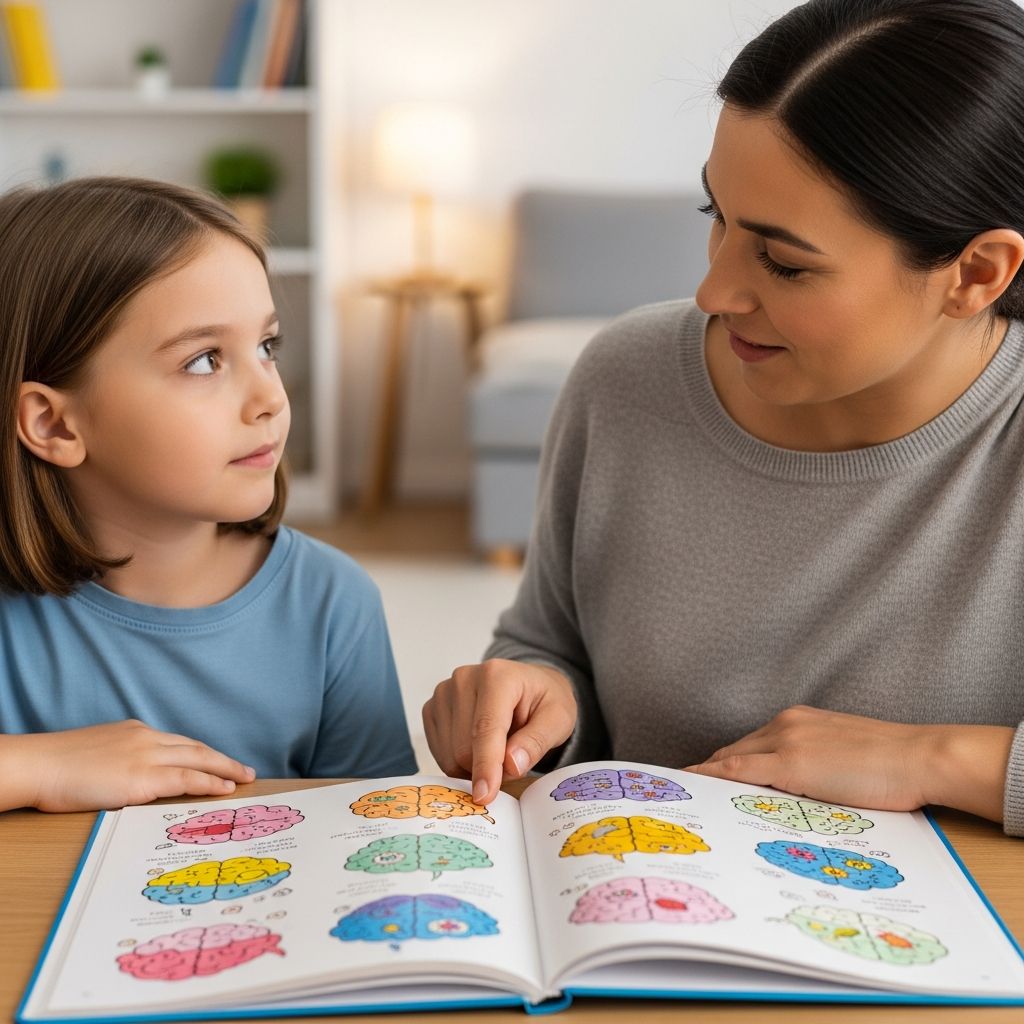
Use books, short videos, or simple drawings to make bees feel more familiar and less like mysterious, invisible threats. Answer questions honestly without adding scary details.
Validating Feelings Instead of Aruing with Fear
Children move through fear more quickly when they feel understood. Minimizing or mocking the fear (“Don’t be silly, it’s just a bee”) usually makes it worse and can add shame on top of anxiety.
- Acknowledge the feeling: “You look really scared. Bees can feel scary when you are worried about being stung.”
- Offer connection: “I’m right here; I will stay with you.”
- Reassure gently: “We’ll figure this out together so you can feel safer outside.”
Validation does not mean you agree that bees are truly dangerous; it means you recognize your child’s emotional reality in that moment. From there, the brain is more open to learning and gradual change.
Teaching the Body to Calm Down
Fear of bees is not just in the mind; it is in the body. When your child’s alarm system goes off, their heart pounds, muscles tighten, and thoughts race. Before you tackle the bee fear directly, help your child practice simple calming tools when they are already relatively relaxed.
Child-Friendly Calming Techniques
- Belly breathing game: Have your child place a hand on their belly, slowly breathe in through the nose so the hand rises, and then exhale slowly through the mouth like blowing out birthday candles.
- Muscle squeeze and release: Turn it into a game: “Squeeze your hands like lemons… now drop the lemons.” Move through shoulders, arms, and legs.
- Grounding with the senses: Ask your child to name five things they can see, four they can feel, three they can hear, two they can smell, and one they can taste.
Practice these skills during calm times so they feel familiar. Then remind your child to use them when they notice bee-related worries starting to rise.
Designing a Gentle Step-by-Step Plan
Overcoming a strong fear usually requires gradual exposure: gently facing the feared situation in small, manageable steps instead of all at once. You and your child can create a “bravery ladder” – a series of steps that move from easiest to hardest.
Each step should feel a bit challenging but not overwhelming. Your child should be able to stay in the situation long enough for their anxiety to rise, level off, and begin to fall.
Example Bee Bravery Ladder
Adjust this sample ladder to suit your child’s age and fear level:
- Talk about bees while indoors, using calm voices.
- Look at friendly cartoon pictures of bees together.
- Watch a short video showing bees collecting nectar from flowers.
- Stand by a closed window and look at flowers in the yard where bees might be.
- Sit outside on a porch or balcony for a few minutes when no bees are visible.
- Visit a garden early in the day when bees are less active, staying at a distance.
- Gradually sit closer to flowers where bees are calmly flying.
- Stay in one spot for several minutes while a bee is visible, using breathing tools.
Your child does not move to the next step until the current one feels noticeably easier most of the time. Celebrate effort and bravery, not the absence of fear.
Making Practice Playful Instead of Punishing
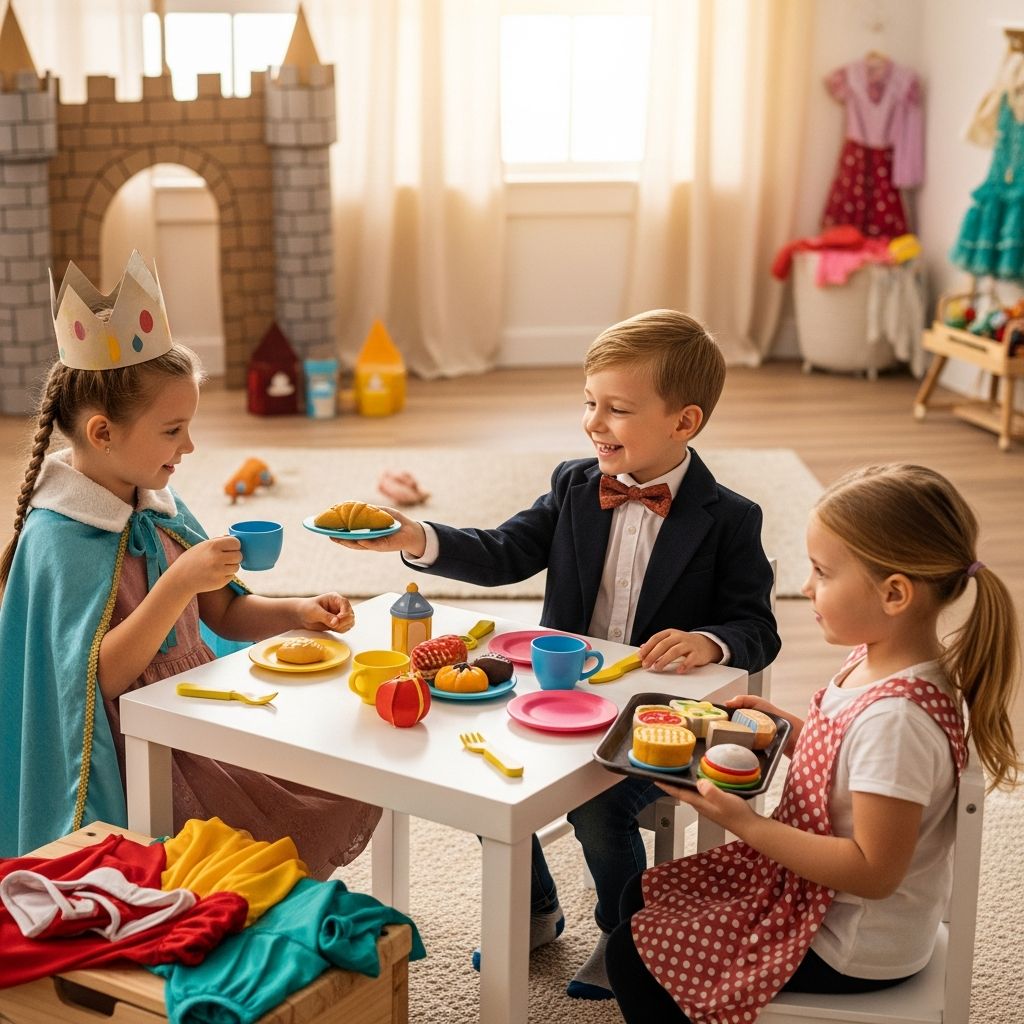
Children learn best through play. Turning exposure into a game reduces pressure and helps the nervous system relax. The aim is not to trick your child but to wrap hard work in warmth and fun.
- Use toy bees, puppets, or drawings to tell silly stories about bees going to “bee school” or learning to share flowers.
- Create a “bee explorer” badge that your child earns by completing steps on their bravery ladder.
- Play pretend games where you are both bees buzzing calmly from flower to flower, practicing slow movements.
Humor and play give your child’s brain the message that they are safe enough to experiment, even while a part of them still feels nervous.
What to Say and Do When a Bee Appears
Real-life encounters are both the scariest and most powerful learning moments. Having a simple script in mind can help you respond helpfully instead of reacting on autopilot.
Step-by-Step Response in the Moment
- Pause and breathe: Take one slow breath yourself before speaking.
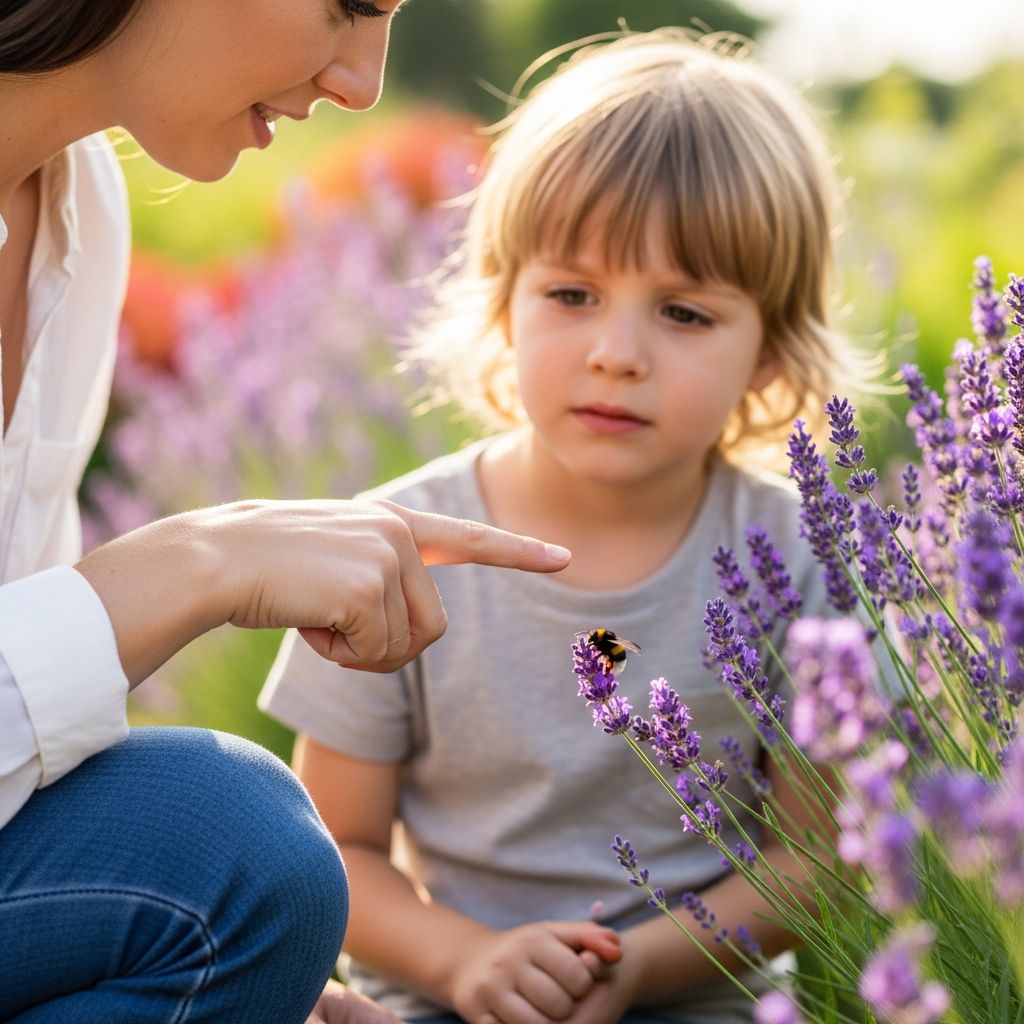
- Orient your child: “I see a bee near those flowers.” Naming it reduces the sense of unknown threat.
- Model calm behavior: Stand still or move slowly away rather than swatting or running.
- Coach coping: Prompt a tool you practiced: “Let’s do our belly breaths while we walk over here.”
- Normalize afterward: “We handled that. Bees like flowers; we just gave it space.”
Even if your child cries or clings, staying steady and kind shows them that big feelings are survivable and that they are not alone with their fear.
Handling Stings Calmly and Confidently
Despite everyone’s best efforts, a sting may eventually happen. How you respond can either reinforce the fear or show your child that, while unpleasant, stings are manageable.
- Stay composed and focus on practical steps: removing the stinger, washing the area, and applying a cool compress as advised by your healthcare provider.
- Describe what you are doing in simple, reassuring language: “I’m cooling it down; the ouch will fade.”
- After the initial upset, help your child notice that the pain reduced and their body is recovering.
If your child has a known or suspected allergy, follow the emergency plan given by your doctor and always have prescribed medication accessible. Knowing there is a plan often reduces anxiety for both of you.
When to Seek Professional Help
Many children can significantly reduce their fear of bees with patient support at home. However, it is wise to seek professional guidance if:
- Your child’s fear is severe enough that they regularly refuse school, camp, or outdoor activities.
- They experience panic symptoms (such as feeling unable to breathe or intense dizziness) at the thought of bees.
- You have tried gradual exposure and coping tools for several weeks with little or no progress.
Child therapists often use cognitive-behavioral strategies and exposure-based approaches tailored to the child’s age and personality. Working with a professional can make the process more structured and less stressful for your family.
Supporting Siblings and Other Caregivers
Fear is easier to shift when everyone around the child responds in a consistent, compassionate way. Siblings, grandparents, teachers, and babysitters may need guidance on what is helpful and what is not.
- Explain that teasing, pressuring, or forcing the child outdoors will likely intensify the fear.
- Share your child’s coping tools so others can prompt the same strategies (for example, belly breathing) when bees are around.
- Ask adults to model calm behavior near bees and to avoid dramatic comments about stings or allergies unless medically necessary.
When your child sees that the important adults in their life are on the same team, they feel safer trying new, braver behaviors.
Frequently Asked Questions
How long does it take for a child to overcome a fear of bees?
There is no fixed timeline. Some children become more comfortable within a few weeks of gentle practice, while others need months of repeated, positive experiences. Progress is rarely a straight line; expect good days and harder days, and focus on overall direction rather than perfection.
Should I force my child to stay outside when bees are around?
Forcing a terrified child to remain in a situation they experience as unbearable can backfire. A better approach is to invite them to stay a little longer than is comfortable, while reassuring them and using coping tools, and then praising their effort. The aim is gradual stretching of their comfort zone, not sudden, overwhelming exposure.
What if I’m afraid of bees too?
Many parents share this fear. You can still help your child by working on your own reactions: practicing calm breathing, learning about bees, and perhaps doing your own step-by-step exposure. If your anxiety feels very strong, consider seeking support for yourself alongside your child.
Does teaching my child about bee safety make them more afraid?
Clear, calm safety rules usually decrease fear because they give children a sense of control. Emphasize what to do rather than all the things that could go wrong. Simple guidelines like “Move slowly,” “Give bees space,” and “Tell an adult if you see a nest” are typically reassuring rather than frightening.
Can my child ever be completely unafraid of bees?
Some children eventually feel totally relaxed around bees; others keep a mild, healthy caution that does not interfere with daily life. The goal is not to love bees but to feel confident enough that bees no longer dictate where your child can go or what they can enjoy.
Helping Your Child Reclaim the Outdoors
Fear of bees can feel overwhelming, but it is highly changeable when approached with patience, warmth, and practical strategies. By validating your child’s feelings, teaching their body to calm down, and guiding them through small, repeated steps toward their fear, you are helping them build lifelong skills for facing anxiety in many forms.
Over time, your child can move from scanning the sky for danger to noticing the colors of flowers, the warmth of the sun, and the joy of playing outside again. That shift is not only about bees; it is about learning that they can feel scared, reach for support, and still grow braver, one small step at a time.