When a child is frightened of the toilet, everyday routines can quickly become stressful for the whole family. Instead of a simple trip to the bathroom, parents may find themselves negotiating, pleading, or facing tears and full-blown meltdowns. Yet toilet fear is common and usually responds well to patient, gentle support.
This article explains why many children become afraid of using the toilet and offers a step-by-step approach to help them feel safe, confident, and in control. The focus is on building trust, reducing pressure, and working with your child’s emotions rather than against them.
Why Some Children Fear the Toilet
Children almost always have a reason for refusing the toilet, even if they cannot easily explain it. Understanding the possible causes helps parents respond with empathy instead of frustration.
- Physical discomfort: A history of constipation or painful bowel movements can make children associate the toilet with pain, so they try to avoid it.
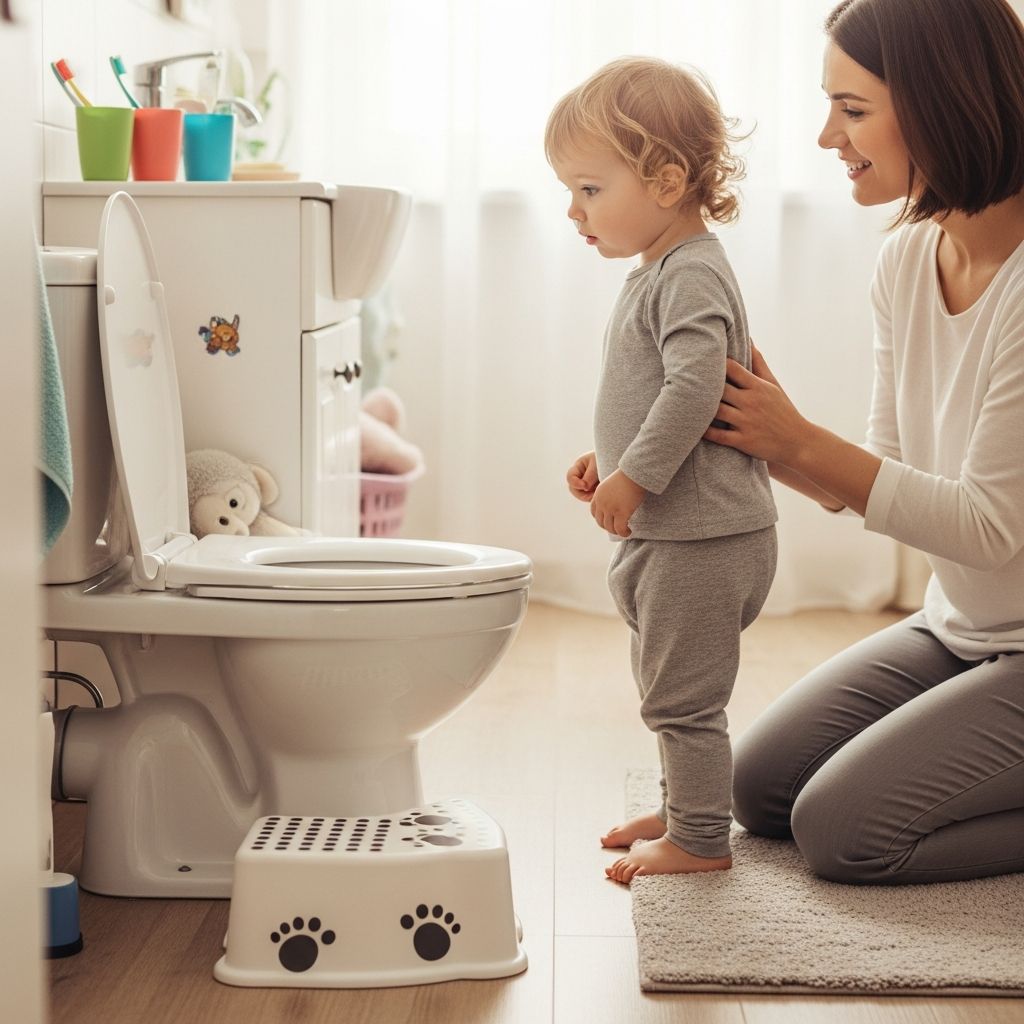
- Fear of falling in: The opening looks large to a small body, and the hard seat can feel unstable, especially if their feet dangle.
- Sensory overload: Some children are sensitive to loud sounds, bright lights, cold surfaces, or strong smells and find the bathroom overwhelming.
- Imagination and control: Young children often have vivid imaginations (for example, the idea of being flushed away) and strong feelings about control over their bodies and routines.
- Stress and change: Big life events such as a new sibling, starting daycare, or moving house can amplify toilet worries or trigger regressions.
Often, several of these factors overlap. A child who once had painful constipation may also fear falling in and dislike the noise of flushing. Recognizing this complexity encourages a slower, kinder approach instead of pushing for instant progress.
Principles of a Gentle Approach
Before trying specific techniques, it helps to ground your approach in a few guiding principles. These act as a compass when you feel stuck, impatient, or worried about your child’s progress.
- Connection before correction: Calming your child’s nervous system through closeness, warmth, and listening makes any new step much easier.
- Safety over speed: Feeling safe matters more than learning fast. A child who trusts the process will typically progress more steadily in the long run.
- Collaboration, not coercion: Working with your child—offering choices and inviting cooperation—reduces power struggles and resistance.
- Play as a tool: Laughter and pretend play can transform a scary situation into something manageable and even fun.
- Small steps are real progress: Touching the toilet, sitting with clothes on, or flushing from a distance are all meaningful victories.
Keeping these principles in mind helps both parent and child stay calmer, even when accidents or setbacks happen.
Common Toilet Fears and How to Respond
Although every child is unique, certain patterns of toilet anxiety appear frequently. Matching your response to your child’s particular fear can make your efforts more effective and compassionate.
| Child’s fear or concern | What it may feel like to them | Helpful parent response |
|---|---|---|
| “I’ll fall in.” | The toilet seems huge, deep, and unstable. | Use a child seat insert and a footstool; sit beside them, hold their hand, and reassure their safety. |
| “It’s too loud.” | The flush sounds like a sudden, frightening roar. | Warn before flushing, let your child cover their ears or step out, and gradually move toward tolerating the sound. |
| “It hurts when I poop.” | They expect pain every time they use the toilet. | Consult a health professional, address constipation, and focus on comfort and relief rather than training. |
| “I only want a diaper.” | Diapers feel familiar, safe, and predictable. | Use a transitional plan (e.g., diaper while sitting on the potty, then on the toilet) and remove pressure. |
| “I don’t want to stop playing.” | Toileting feels boring or like a loss of control. | Use routines, playful prompts, and brief, positive bathroom visits with minimal disruption. |
Preparing the Bathroom Environment
Before asking your child to do anything new, spend some time making the bathroom feel safe, predictable, and child-friendly. A welcoming space reduces anxiety and makes every step easier.
- Ensure physical stability: Use a child-sized potty or a secure seat reducer plus a sturdy footstool so your child’s feet are supported and their body feels grounded.
- Adjust lighting and sound: Soften harsh lighting, keep the door partly open if that feels safer, and explain when flushing will happen so there are no surprises.
- Add comfort items: Allow a favourite stuffed animal, small book, or calming picture on the wall to make the space feel familiar.
- Keep supplies visible: Place toilet paper, wipes (if used), and hand soap where your child can see and reach them, promoting a sense of control and independence.
These small adjustments send a powerful message: the bathroom is a safe place where your child is welcome, supported, and not rushed.
A Step-by-Step Desensitization Plan
Many children need a gradual approach, where each step is easy enough to succeed at, yet stretches their comfort just a little. The idea is to move slowly from fear toward familiarity and comfort.
Stage 1: Simple, Stress-Free Visits
- Invite your child into the bathroom without asking them to use the toilet—just to wash hands, brush teeth, or chat while you tidy up.
- Keep the tone light, warm, and playful so the bathroom no longer only signals pressure or conflict.
- If they are very anxious, start with the door open and short visits of just a minute or two.
Stage 2: Exploring the Toilet Safely
- Let your child touch the toilet seat, open and close the lid, or place a toy on the seat to show that it is stable.
- Invite them to sit on the closed lid fully clothed while you tell a story or sing a short song.
- Celebrate these small steps with genuine, low-key praise, focusing on effort rather than results.
Stage 3: Sitting with Clothes On
- When your child seems calmer around the toilet, ask if they’d like to sit for a brief moment with the lid up but clothes still on.
- Use a timer with a fun sound or a short song so they know exactly how long they’ll sit.
- Let them climb down whenever they say they have had enough; your goal is comfort, not endurance.
Stage 4: Brief, Real Attempts
- When your child is ready, suggest trying to pee while seated, perhaps after a drink of water or after a meal where the body naturally wants to go.
- Stay nearby, stay relaxed, and keep conversation light; avoid hovering, judging, or commenting on every small movement.
- If nothing happens, frame it as practice, not failure: the goal is simply sitting calmly for a short time.
Stage 5: Building Consistency and Confidence
- Gradually increase the number of daily “practice sits,” linking them to predictable times such as after breakfast and before bath.
- Offer small, meaningful rewards if you wish (stickers, extra story time, a special handshake) while keeping the main focus on internal pride.
- As your child succeeds, gently fade external rewards and highlight how capable they have become.
This process can take days, weeks, or even longer, depending on your child’s temperament, history, and health. Moving backward to an easier stage for a while is not a failure; it is part of respecting your child’s pace.
Using Play and Story to Reduce Fear
Play is one of the most effective ways for young children to process fear. Through stories, role-plays, and silly games, they can experiment with big feelings in a safe, controlled way.
- Role-play with toys: Let a favourite doll or action figure be “afraid of the toilet,” then guide the toy through tiny steps while your child plays the helper.
- Invent a silly toilet character: Create a friendly toilet that sings, talks, or tells jokes. This can turn a threatening object into something more approachable.
- Tell gentle stories: Make up short, reassuring tales about a child who was once scared of the bathroom and learned to feel safe with the help of kind grown-ups.
- Use pretend flushing games: Flush cotton balls, small pieces of paper, or imaginary “worries” while everyone laughs and watches them “zoom away.”
The goal is not to trick your child into compliance but to offer safe, fun ways to process their emotions and build bravery over time.
Responding to Tears, Meltdowns, and Refusals
Even with the best plan, there will be moments when your child refuses, cries, or melts down. How you respond in these moments can either deepen their fear or help them feel understood and supported.
- Pause and connect: Get down to their eye level, speak softly, and reflect what you see: “You look really scared right now.”
- Offer choices: Instead of demanding, try, “Do you want to try sitting for a few seconds or just wash hands and leave?”
- Avoid threats and shame: Comments like “big kids aren’t afraid” or “you’ll never learn” can increase anxiety and damage trust.
- Stay consistent but flexible: Keep your routines, but be willing to step back a stage when your child seems overwhelmed.
Over time, your calm presence teaches your child that big feelings are survivable and that they are not alone with their fears.
Sample Daily Routine for Anxious Toilet Users
Every family’s schedule and culture are different, but a predictable routine can reduce anxiety and help the body adjust. Below is an example of how a gentle, low-pressure day might look for a child who is still learning to feel safe with the toilet.
| Time of day | Possible routine step | Notes |
|---|---|---|
| Morning | Invite a brief, relaxed visit to the bathroom after breakfast. | Offer to sit on the toilet or potty for 30–60 seconds, with no pressure to produce. |
| Mid-day | Another short visit after lunch. | Use a story, song, or game to make the time feel special rather than stressful. |
| Late afternoon | Encourage a quick try before going outside or starting a new activity. | Frame it as “helping your body stay comfortable” instead of a test. |
| Before bath | Invite a longer sit if your child seems relaxed. | Warm water after can be soothing and may help with bowel movements. |
| Bedtime | Offer a final chance to use the toilet or potty. | Keep the atmosphere calm; emphasize rest and comfort rather than success. |
This is only a template. Some families will need fewer visits; others may prefer more frequent, very short check-ins. The key is routine, warmth, and manageable steps.
When to Seek Professional Help
While most toilet fears improve with time and patience, certain signs suggest that extra support would be beneficial. Trust your instincts if something feels off or if anxiety seems to be growing instead of easing.
- Persistent pain or blood: Any signs of pain, bleeding, or ongoing constipation should be discussed with a healthcare professional promptly.
- Extreme avoidance: If your child consistently withholds stool or urine, goes long stretches without eliminating, or appears very distressed, professional guidance can prevent complications.
- Significant impact on daily life: If toilet fear starts to limit school attendance, social activities, or general mood, a pediatrician, child psychologist, or continence specialist may help.
- History of trauma or intense phobias: Children with broader anxiety issues or medical trauma may benefit from tailored therapeutic approaches.
Seeking help is not a sign of failure; it is a sign that you are taking your child’s well-being seriously and welcoming expertise into the process.
Frequently Asked Questions
How long does toilet fear usually last?
The duration varies widely. Some children relax within a few weeks once pressure is removed and routines feel safe, while others need several months or more to fully trust the toilet. Progress is rarely a straight line; brief regressions often occur during illness, family changes, or developmental leaps.
Should we go back to diapers if my child is terrified?
Sometimes temporarily returning to diapers in a planned, calm way can lower stress and allow everyone to reset. If you choose this route, explain that diapers are a short-term support while their body and feelings catch up, and keep offering gentle, no-pressure opportunities to move forward when they seem ready.
Is it okay to use rewards like stickers or treats?
Small, consistent rewards can be helpful if they are framed as celebrations rather than bribes. Focus praise on effort, bravery, and listening to their body, and avoid making rewards so big that your child feels more pressure or shame when they struggle.
What should I say during accidents?
Accidents are part of learning and not a sign of stubbornness or failure. A calm, neutral response—such as “Let’s get you cleaned up; your body is still learning”—protects your child’s dignity and keeps the focus on problem-solving instead of blame.
Can night-time dryness be trained the same way?
Night-time dryness depends heavily on biology and sleep patterns, not just behavior, so it usually cannot be rushed in the same way. Many children still need night-time diapers or pull-ups long after they are dry during the day, and staying relaxed about this difference reduces pressure on everyone.
Supporting Yourself as a Parent
Helping a fearful child with toilet use is emotionally demanding. Parents often juggle fatigue, worry, and social pressure while trying to stay patient and kind. Taking care of your own needs makes it much easier to offer the calm presence your child requires.
- Notice your triggers: If particular situations (like accidents in public) make you especially tense, prepare a few phrases and calming strategies for yourself in advance.
- Seek support: Share your experience with trusted friends, family members, or parent groups who can offer empathy and perspective.
- Protect connection: Make time for fun, non-toilet-related moments with your child so your relationship feels bigger than this one challenge.
Ultimately, your child is learning more than how to use the toilet; they are learning how their caregivers respond when life is hard. Your steady, compassionate presence is the most powerful tool you have, and it will continue to support them long after toilet fears have faded into a distant memory.