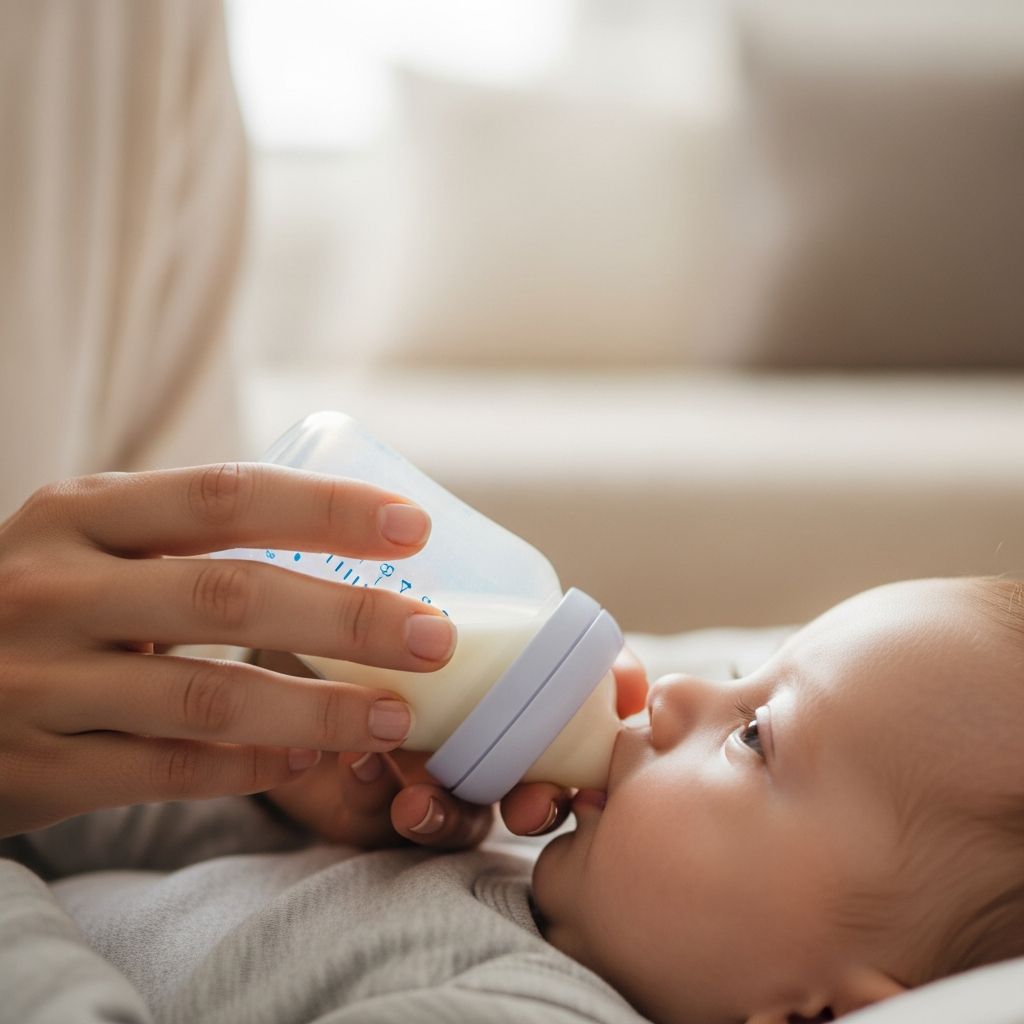
Transitioning Breastfed Infants to Bottle Feeding: Practical Solutions
Many nursing mothers face a significant challenge when attempting to introduce bottles to babies who have been exclusively breastfed. This transition can be frustrating for both parent and child, particularly when infants demonstrate strong preferences for direct breastfeeding and refuse alternative feeding methods. Understanding the underlying causes of bottle rejection and learning creative approaches can transform this challenging phase into a manageable process.
Understanding Bottle Rejection in Breastfed Babies
Babies who have been exclusively breastfed often develop strong attachments to the breastfeeding experience, which involves more than simple nutrition. The process includes physical closeness, skin-to-skin contact, and the unique flow and texture that differs significantly from bottle nipples. When infants refuse bottles, they are not necessarily rejecting nutrition but rather expressing their preference for the familiar feeding method they have come to know.
The sensory differences between breastfeeding and bottle feeding can be substantial. Breast milk flows naturally in response to a baby’s sucking patterns, while bottle nipples provide a more consistent flow that may feel foreign to an infant accustomed to maternal nursing. Additionally, the shape of bottle nipples varies considerably from the natural breast, requiring different oral mechanics and suction patterns that some babies find uncomfortable or simply unfamiliar.
Timing Considerations for Bottle Introduction
The age at which you introduce a bottle plays a crucial role in acceptance rates. Ideally, bottles should be introduced between three and four weeks of age, after breastfeeding has been established and the baby has developed consistent nursing patterns. However, many families delay this introduction, and successful bottle acceptance can still occur with older infants through patience and strategic approaches.
It is important to recognize that bottle introduction does not need to replace breastfeeding entirely. Many families successfully combine both feeding methods, with breastfeeding occurring at certain times and bottle feeding providing flexibility for other occasions. This mixed approach can reduce pressure on both baby and caregiver while maintaining the benefits of breast milk.
Selecting the Right Bottle and Nipple Equipment
Not all bottles are created equally, and the equipment you choose significantly impacts your baby’s willingness to bottle feed. Several options exist to accommodate different feeding preferences and baby needs:
- Slow-flow nipples that mimic natural breastfeeding patterns more closely than standard bottles
- Anti-colic bottles designed to reduce air intake and minimize digestive discomfort
- Wide-bottle designs that promote a natural latch similar to breastfeeding positioning
- Specialty bottles created specifically for transitioning breastfed infants
- Curved or contoured nipples that better resemble the breast shape
Experimenting with different bottle styles may be necessary, as babies often have individual preferences. Some infants respond positively to one particular bottle design while rejecting others entirely. Investing in trying a few different options is often worthwhile rather than struggling repeatedly with an incompatible bottle style.
Creative Techniques for Successful Bottle Introduction
Beyond selecting the right equipment, several proven techniques can facilitate bottle acceptance. These methods draw on both practical strategies and creative solutions that parents have discovered through trial and experience.
One innovative approach involves using familiar sensory elements to bridge the gap between breastfeeding and bottle feeding. Some parents have found success by incorporating items that provide tactile comfort during bottle feeding sessions. This technique works because it provides continuity in the feeding experience by maintaining familiar sensations even as the feeding method changes.
Environmental factors also influence bottle acceptance. Feeding in different locations than typical breastfeeding spaces can help, as the change in setting may reduce the baby’s expectation of breastfeeding. Additionally, having someone other than the mother offer the bottle can be beneficial, as babies often refuse bottles from their nursing parent simply because they know breastfeeding is available.
Temperature and Feeding Preparation Strategies
The temperature of expressed breast milk can affect acceptance rates. Warming milk to body temperature or slightly cooler may be more appealing than cold milk straight from the refrigerator. Some babies have preferences for specific temperatures, so experimenting within safe parameters can reveal what your infant prefers.
The pace of feeding also deserves consideration. Bottle feeding typically allows for faster milk delivery than breastfeeding, which can overwhelm some infants. Pacing bottles by removing the nipple periodically during feeding and allowing the baby to control intake can create a more familiar feeding rhythm that mimics breastfeeding patterns.
Behavioral and Emotional Approaches
Remaining calm and pressure-free during bottle introduction is essential. Babies sense parental stress and frustration, which can exacerbate feeding resistance. If a particular feeding session is not going well, pausing and trying again later is preferable to forcing the issue, which can create negative associations with bottle feeding.
Offering the bottle when your baby is in a positive mood and not desperately hungry can increase acceptance. A baby who is extremely hungry will often become frustrated with the unfamiliar bottle and may refuse entirely. Introducing the bottle during a time when the baby is content or slightly hungry but not in distress creates a more receptive environment for trying something new.
Expressing and Storing Breast Milk for Bottle Feeding
For mothers who plan to bottle feed expressed milk, understanding proper expression and storage techniques is important. Breast milk can be expressed using manual or electric pumps, with individual preferences determining which method works best for each mother. Storage guidelines ensure milk safety and nutritional integrity:
- Room temperature storage is safe for four hours at 77°F (25°C) or below
- Refrigerator storage extends viability to five days at 40°F (4°C) or cooler
- Freezer storage preserves milk for up to six months in a standard freezer at 0°F (-18°C)
- Deep freezer storage can extend viability to nine to twelve months at -4°F (-20°C)
Proper labeling with expression dates helps ensure milk is used in appropriate order. Additionally, gentle warming methods such as warm water baths are preferable to microwave heating, which can destroy beneficial components and create dangerous hot spots in the milk.
Addressing Common Bottle-Feeding Challenges
Even when using optimal techniques, challenges may arise. Understanding common issues and appropriate responses helps troubleshoot problems effectively. Some babies may accept bottles inconsistently, taking them some days while refusing others. This variability is normal and often reflects the baby’s mood, comfort level, or developmental stage rather than a permanent rejection of bottle feeding.
Gastrointestinal discomfort can also influence bottle acceptance. If a baby consistently rejects bottles while appearing uncomfortable, consultation with a pediatric healthcare provider may be warranted to rule out allergies, sensitivities, or other digestive issues.
Building Patience and Realistic Expectations
Some breastfed babies eventually accept bottles with consistent, patient exposure, while others may require extended periods before acceptance develops. Setting realistic timelines and avoiding excessive pressure on yourself or your baby supports a more positive experience. Many families find that flexibility—maintaining breastfeeding as the primary method while offering bottles occasionally—works better than forcing a rapid transition.
Communication with your baby’s healthcare provider provides valuable guidance specific to your individual situation. Pediatricians can offer personalized recommendations based on your baby’s age, health status, and feeding history.
Frequently Asked Questions
At what age should I introduce a bottle to my breastfed baby?
The ideal age for bottle introduction is between three and four weeks after breastfeeding is established. However, bottles can be successfully introduced at older ages with appropriate techniques and patience.
Why does my breastfed baby refuse bottles?
Breastfed babies often prefer the familiar sensations of nursing. Bottle nipples feel different, and the milk flow differs from breastfeeding. This is a normal response and does not indicate a permanent problem.
Can I use any bottle with my breastfed baby?
While any bottle can technically be used, bottles designed for breastfed babies or those with slow-flow nipples tend to have higher acceptance rates. Experimenting with different styles helps identify what works best for your individual baby.
How long does it typically take for a breastfed baby to accept bottles?
Timeline varies considerably among individual babies. Some accept bottles within days, while others may require weeks or months of patient exposure. Consistency and pressure-free approaches generally produce better results than forced feeding attempts.
Should I keep trying if my baby rejects the bottle?
Gentle persistence is often helpful, but forcing bottles during negative experiences can create resistance. Taking breaks and trying again when your baby is in a better mood often proves more effective.
Can I mix breast milk and formula in the same bottle?A: While this is technically possible, it can complicate feeding if your baby later needs to consume them separately. Consulting with your pediatrician about your specific situation provides personalized guidance.
Q: What if my baby only accepts bottles from certain people?
This is common and often reflects the baby’s recognition that breastfeeding is available from the mother. Having other caregivers offer bottles can work well. Eventually, most babies will accept bottles from any caregiver if consistently offered.
References
- Infant Feeding Guidelines — American Academy of Pediatrics. 2024. https://www.aap.org/en/patient-care/healthy-active-living-hub/feeding-infants-and-children/
- Breast Milk Storage and Handling — Centers for Disease Control and Prevention. 2024. https://www.cdc.gov/breastfeeding/breastfeeding-special-circumstances/work-and-breastfeeding/milk-storage-handling.html
- Lactation and Breastfeeding Support Standards — La Leche League International. 2025. https://www.llli.org/
- Bottle Feeding Your Breastfed Baby — International Lactation Consultant Association. 2024. https://ilca.org/
- Infant Nutrition and Development — World Health Organization. 2024. https://www.who.int/health-topics/infant-nutrition