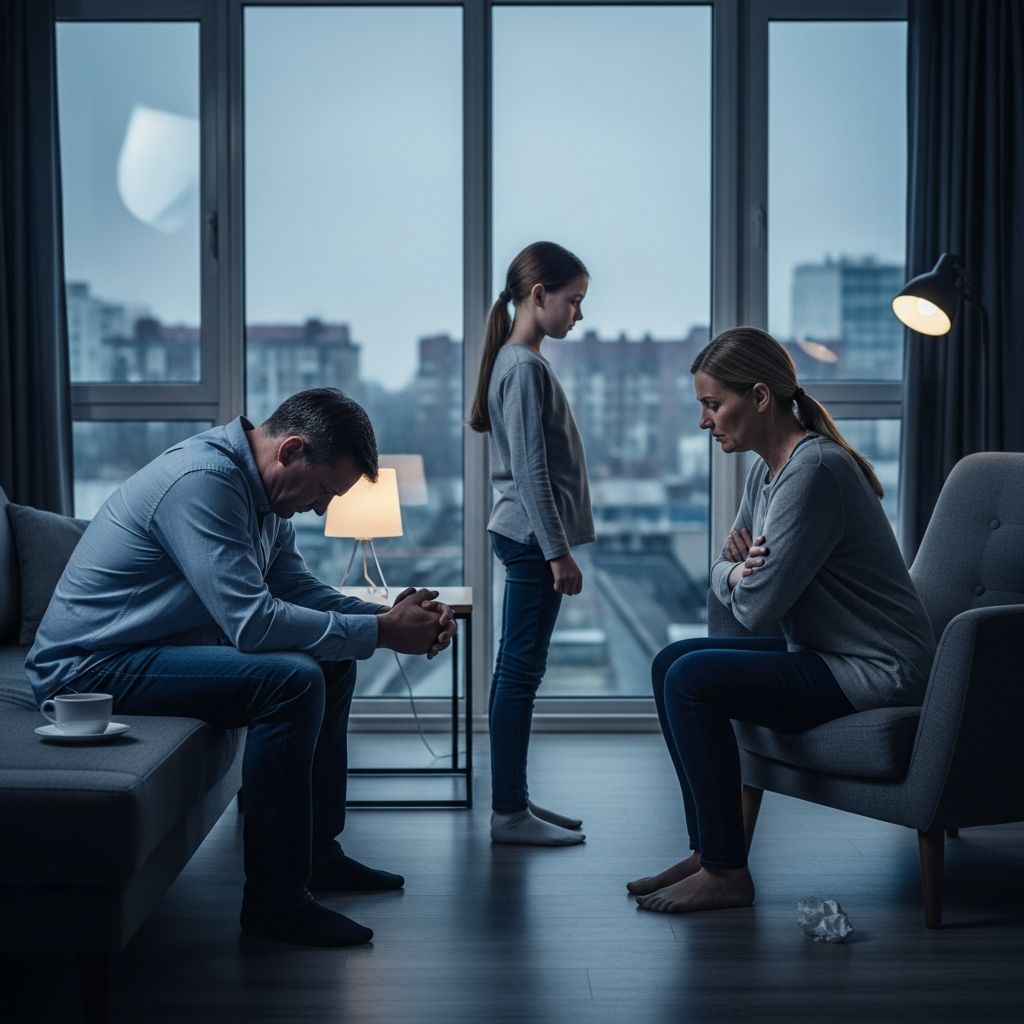
Parenting a child who resists sleep can transform family life into a cycle of exhaustion and adaptation. Many caregivers face nights fragmented by wake-ups, yet this experience often builds unexpected strengths while highlighting the need for targeted strategies.
The Hidden Toll of Interrupted Nights
Constant sleep disruptions lead to profound fatigue that permeates every aspect of daily life. Parents report struggling with focus, memory lapses, and persistent daytime drowsiness, which compound into low energy and mood swings.
These effects extend beyond immediate discomfort. Research from the American Academy of Sleep Medicine notes that insomnia, whether brief or chronic, affects 30-35% of adults with brief episodes and 10% with ongoing issues, contributing to economic losses like $63 billion annually in the US from reduced productivity.
For families with young children, the stakes are higher. Long-term poor sleep elevates risks for serious conditions including hypertension, diabetes, obesity, depression, heart disease, and stroke. Parents imprint these patterns unintentionally, as fatigue drives habitual responses like rocking a child back to sleep, reinforcing dependency.
- Fatigue dominates, making routine tasks feel insurmountable.
- Cognitive impairments such as poor concentration hinder work and decision-making.
- Emotional strain fosters irritability and strained relationships.
- Health risks accumulate over time without intervention.
Challenging the ‘Bad Sleeper’ Label
Society often paints certain children as inherently poor sleepers, but experts argue this is a myth. What appears as ‘bad’ sleep is frequently normal developmental variation or mismatched expectations.
Attachment parenting perspectives emphasize that frequent night needs align with natural infant biology, not failure. Caregivers who view their child through this lens reduce self-blame and stress.
Consultations reveal that fewer than half of parents describing ‘terrible’ sleepers actually have extreme cases; most babies are simply demanding, requiring tailored support rather than drastic measures.
| Myth | Reality |
|---|---|
| Inherent ‘bad sleeper’ | Needs more support or adjusted routines |
| Parenting flaw | Normal infant sleep cycles |
| Permanent issue | Habits breakable with consistency |
Unexpected Gifts from Sleep Struggles
Amid the hardship, families uncover silver linings. Unpredictable schedules foster remarkable flexibility, allowing outings without rigid timetables.
Children who nap anywhere—pram, cuddle, or new environments—teach parents to embrace spontaneity. This adaptability calms everyone, prioritizing connection over perfection.
Resilience emerges as a core lesson. Caregivers learn to function despite tiredness, facing days with optimism regardless of the night’s chaos. This builds emotional fortitude and reframes parenting success beyond sleep charts.
- Adaptability: Thriving in varied settings without routine rigidity.
- Perseverance: Pushing forward through exhaustion builds grit.
- Broadened perspective: Realizing sleep isn’t the sole measure of good parenting.
Breaking Free from Exhaustion Cycles
Overcoming poor sleep demands shifting ingrained habits. Yale Medicine experts stress that parental fatigue entrenches counterproductive patterns, like constant comforting, making change urgent.
Initial resistance—tears, protests—is common, but it signals progress. The nadir often precedes improvement, as consistency rewires sleep associations.
Professionals advise against survival tactics turning permanent, like co-sleeping props beyond infancy, which drain parents and lead to unsustainable dependency.
Practical Steps to Better Family Rest
Start by reassessing beliefs: reject destiny narratives about sleep woes. Action begins with mindset shifts, viewing rest as skill-building.
- Establish cues: Dim lights, white noise, and consistent pre-bed rituals signal sleep time.
- Limit interventions: Gradually reduce in-room presence to encourage self-soothing.
- Prioritize parental rest: Nap when possible; share night duties to avoid burnout.
- Track patterns: Log wake-ups to identify triggers like hunger or teething.
- Seek expertise: Consult sleep specialists for personalized plans avoiding extremes.
Myofascial release and physical therapy have helped some adults reclaim sleep, suggesting similar body-awareness techniques for families.
Long-Term Outlook: Hope Beyond the Night
Most children outgrow intense sleep needs, but proactive steps accelerate this. Families who persist report stronger bonds and renewed energy.
Reframing challenges as growth opportunities sustains motivation. No baby is ‘bad’; each requires unique paths to restful nights.
Frequently Asked Questions (FAQs)
Is my child truly a ‘bad sleeper,’ or is this normal?
No baby is inherently bad at sleeping; variations stem from development, needs, or habits. Most phases pass with gentle guidance.
How long until sleep improves?
Improvements vary, but consistency yields results in weeks. The toughest phase often precedes breakthroughs.
Does poor sleep harm my child’s health?
Chronic issues raise risks like impaired growth or immunity, but addressing them early mitigates this.
Can I function on little sleep long-term?
No; it erodes health and cognition. Build team support and routines for sustainability.
What if sleep training feels wrong?
Choose responsive methods matching your values, like gradual fading, over one-size-fits-all.
References
- I Was a Bad Sleeper: How I Fixed It — Thrive Physical Therapy and Myofascial Release. 2023-05-15. https://www.thriveptandmyofascialrelease.com/blog/i-was-a-bad-sleeper
- The Upside Of Having A Bad Sleeper — Parenting Central. 2022-08-10. https://www.parentingcentral.com.au/benefits-bad-sleeper/
- 5 Things I Learned from Sleep Consults — Precious Little Sleep. 2024-01-20. https://www.preciouslittlesleep.com/5-things-i-learned-from-sleep-consults/
- Kids and Poor Sleep: A Habit That’s Breakable — Yale Medicine. 2023-11-08. https://www.yalemedicine.org/news/sleep-training
- Bad Sleepers — Attachment Parenting International. 2009-12-03. https://attachmentparenting.org/blog/2009/12/03/bad-sleepers/
- My Baby Is Just A Bad Sleeper — Peaceful Parent Sleep Coaching. 2025-04-07. https://www.peacefulparentsleepcoaching.com/sleep–parenting-hacks/my-baby-is-just-a-bad-sleeper