Understanding Sibling Aggression
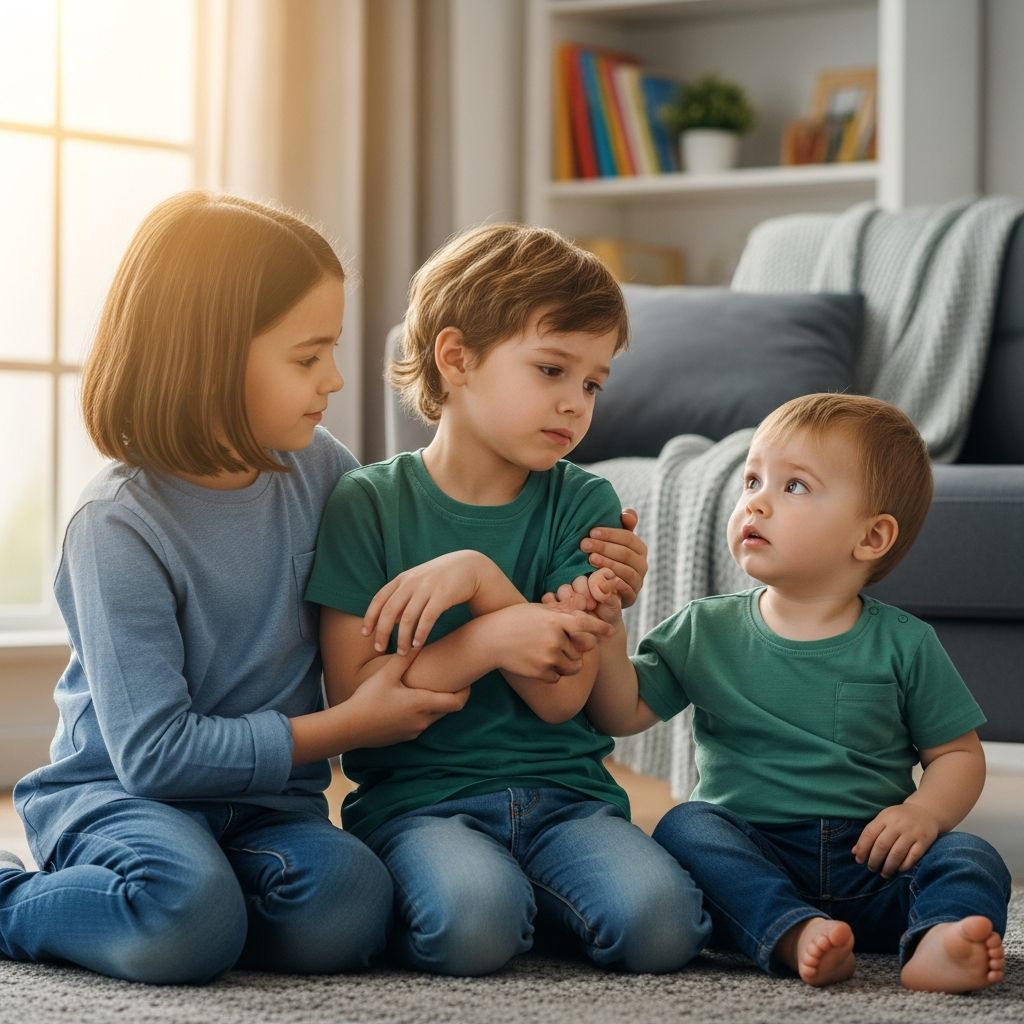
Sibling aggression is a common challenge in many families, especially when children are close in age or have differing temperaments. It often arises from competition for attention, resources, or simply the struggle to express complex emotions in a healthy way. Recognizing that aggression is not always malicious but can be a sign of unmet needs or emotional overwhelm is the first step toward effective intervention.
Root Causes of Sibling Conflict
- Competition for parental attention or affection
- Struggles with sharing toys, space, or resources
- Difficulty expressing emotions like frustration or jealousy
- Modeling behaviors observed in the family or media
- Developmental stages that affect impulse control and empathy
Understanding these underlying causes helps parents respond with empathy rather than punishment, fostering a more supportive environment for both children.
Immediate Steps When Aggression Occurs
When a child hits or acts aggressively toward a sibling, it’s crucial to respond calmly and swiftly. First, ensure the safety of both children by separating them if necessary. Acknowledge the hurt feelings of the child who was targeted, offering comfort and reassurance. At the same time, recognize the emotional state of the child who acted out, validating their feelings without condoning the behavior.
Key Actions for Parents
- Stay calm and avoid reacting with anger or blame
- Address the physical and emotional needs of both children
- Listen to each child’s perspective without judgment
- Model self-calming techniques, such as deep breathing
Building Emotional Regulation Skills
Children often lack the tools to manage strong emotions, which can lead to aggressive outbursts. Teaching emotional regulation skills is essential for long-term peace in the home. Parents can help by:
- Labeling emotions and helping children identify what they are feeling
- Offering alternative outlets for anger, such as drawing, physical activity, or talking
- Practicing calming strategies together, like counting or taking deep breaths
- Encouraging children to express their needs verbally rather than physically
These skills not only reduce aggression but also empower children to navigate future conflicts more constructively.
Creating a Peaceful Family Environment
Preventing sibling aggression requires ongoing effort and a commitment to fostering connection and empathy within the family. Establishing clear, consistent boundaries helps children understand what is acceptable behavior. At the same time, parents can promote positive interactions by:
- Praising cooperative and kind behaviors
- Setting aside special one-on-one time with each child
- Encouraging teamwork and shared activities
- Modeling respectful communication and conflict resolution
These practices help children feel valued and secure, reducing the likelihood of aggressive behavior.
Effective Communication Strategies
Open and empathetic communication is key to resolving sibling conflicts. Parents can facilitate this by:
- Listening actively to each child’s perspective
- Restating what each child says to ensure understanding
- Helping children brainstorm solutions together
- Encouraging apologies and acts of repair when appropriate
By involving children in the problem-solving process, parents empower them to take responsibility for their actions and build stronger relationships with their siblings.
When to Seek Additional Support
While occasional sibling conflict is normal, persistent or escalating aggression may require additional support. Parents should consider seeking guidance from a child psychologist or counselor if:
- Aggression becomes frequent or severe
- Children show signs of anxiety, withdrawal, or fear
- Conflict resolution efforts are consistently ineffective
- There is a significant age or developmental gap between siblings
Professional support can provide tailored strategies and help address underlying issues.
FAQs
Why do siblings fight so much?
Siblings often fight due to competition for attention, resources, or the challenge of expressing emotions. Developmental stages and differing temperaments also play a role.
How can I stop my child from hitting their sibling?
Respond calmly, ensure safety, acknowledge feelings, and teach alternative ways to express emotions. Consistent boundaries and positive reinforcement are also important.
Should I punish my child for hitting their sibling?
Punishment is less effective than teaching emotional regulation and problem-solving skills. Focus on empathy, repair, and prevention rather than blame.
How can I help my children get along better?
Encourage teamwork, praise positive interactions, and spend quality time with each child individually. Modeling respectful communication is also crucial.
When should I seek professional help for sibling aggression?
Seek professional help if aggression is frequent, severe, or accompanied by signs of anxiety or fear. Professional support can provide tailored strategies and address underlying issues.
Conclusion
Managing sibling aggression requires patience, empathy, and consistent effort. By understanding the root causes, teaching emotional regulation, and fostering a peaceful family environment, parents can help their children build stronger, more positive relationships with each other.