Halloween brings thrilling costumes, neighborhood adventures, and sweet treats, but when it lands on a weekday, parents face the challenge of keeping the fun alive without derailing school preparations. This guide offers fresh strategies to harmonize holiday joy with everyday responsibilities, drawing from educator insights and safety experts to create memorable evenings that prioritize rest and security.
Strategic Scheduling for Maximum Fun and Minimum Chaos
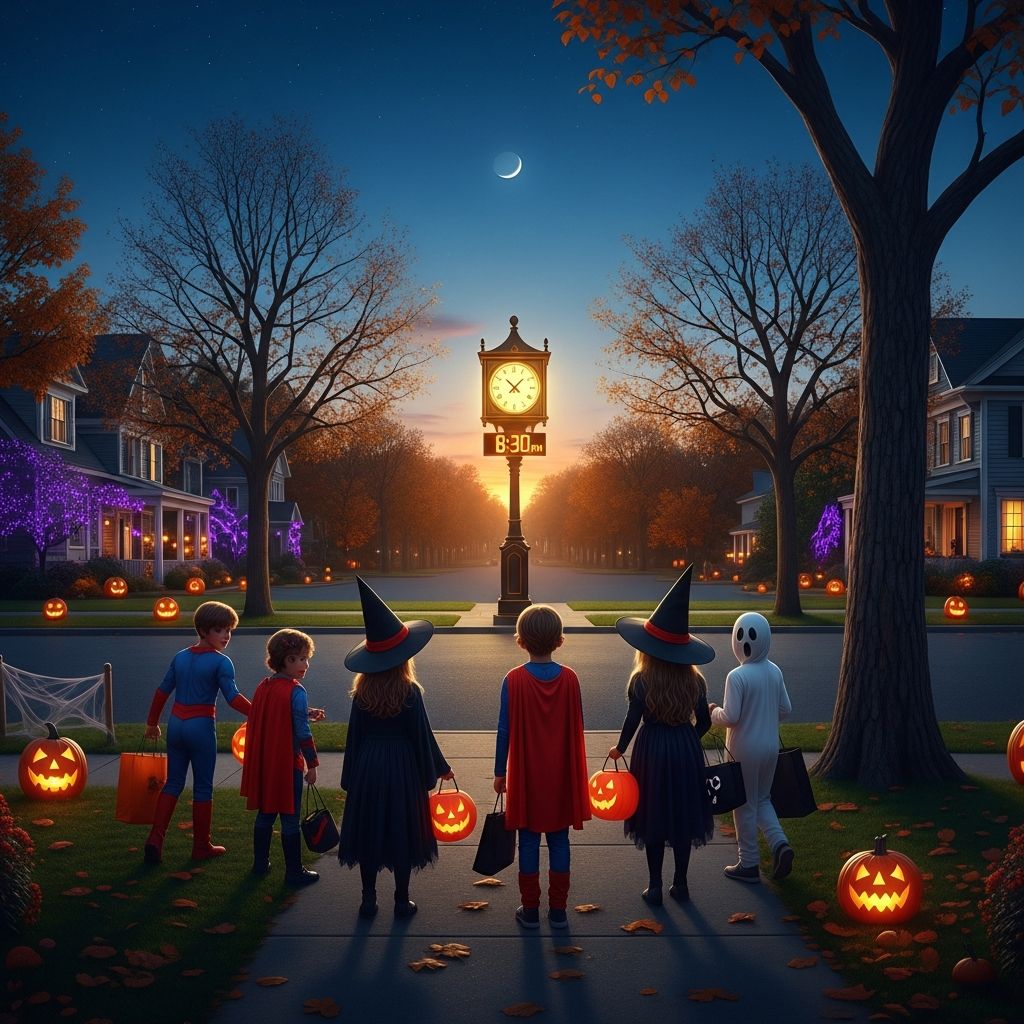
Timing is everything when October 31st coincides with school. Start trick-or-treating early, around 6:00 PM or 6:30 PM, to wrap up by 8:30 PM. This window allows children to gather plenty of candy while aligning with typical bedtimes. Provide gentle countdowns like “20 more minutes” to ease transitions, keeping the mood upbeat and preventing meltdowns.
Plan your route ahead: select well-lit streets close to home to minimize travel time and fatigue. Comfortable shoes prevent blisters from long walks, and mapping 20-30 houses ensures a satisfying haul without overextending the night. For families with multiple kids, divide into small groups with assigned adults for efficient coverage.
Prioritizing Safety in Costumes and Accessories
Costumes should enhance visibility and mobility. Opt for bright colors with reflective tape on hems, bags, and shoes. Flashlights or glow sticks make kids stand out to drivers in the dark. Face paint over masks improves breathing and peripheral vision, reducing accident risks.
- Prohibit realistic weapons: Swap toy swords for soft, flexible props to avoid injuries or misunderstandings.
- Ensure proper fit: Costumes and shoes must allow free movement; baggy outfits can cause trips.
- Cultural respect: Choose inclusive themes that celebrate creativity without stereotypes.
Schools can reinforce this by hosting daytime parades or pumpkin crafts, keeping high-energy activities contained.
Street Smarts: Road Safety Essentials
Pedestrian accidents spike on Halloween, so drill safety rules. Stick to sidewalks, use crosswalks, and look both ways—never dart between cars. Cyclists need helmets and signals; drivers in neighborhoods should slow down and watch for costumed figures.
| Safety Zone | Key Actions | Why It Matters |
|---|---|---|
| Crosswalks | Hold hands, check traffic | Prevents sudden runs into streets |
| Dark Areas | Flashlights, reflective gear | Increases visibility 600% at night |
| Group Travel | Adult supervision, stay together | Reduces stranger risks |
Equip groups with cell phones or walkie-talkies for check-ins every 30 minutes. Visit only lit homes signaling participation, avoiding dark porches.
Candy Management: Health and Moderation Post-Trick-or-Treat
Inspect all treats at home: discard homemade, unwrapped, or suspicious items. Store candy out of sight to curb immediate binges. Use small bags to limit hauls, sorting favorites from discards right away—trade unpopular items for toys or donate.
Set daily limits: one or two pieces post-meal prevents sugar crashes. Offer healthier swaps like fruit chews or stickers next year. Parents hold the stash, doling out portions to maintain control. Never allow candy at school to avoid distractions.
Bedtime Routines Amid the Excitement
Sugar highs and adrenaline delay wind-downs, so enforce firm curfews. Post-trick-or-treating, shift to familiar rituals: baths to remove makeup, pajamas, and stories. Delay doesn’t mean skip—reading or quiet play signals sleep time.
Prep for school the next day: complete homework before heading out, pack bags, and lay out clothes. Even sleeping in next-day outfits feels like extended costume play while saving morning time. Extra evening minutes offset delays, ensuring kids wake refreshed.
School-Day Integration and Preparation
Leverage school for fun: wear costumes if permitted, or change after classes for post-school treats. Discuss plans days ahead—what time trick-or-treating starts, candy rules, next-day expectations—to build anticipation without surprises.
Educators recommend routines like early starts to tire kids naturally. Avoid candy dinners; serve balanced meals first to stabilize energy. Step up hygiene: wipe faces, brush teeth promptly to combat sticky messes.
Preventing Vandalism and Emergencies
Halloween invites mischief, so light up properties and monitor areas. Schools should secure facilities and review emergency plans. Teach kids respectful celebrating—no egging houses or pranks.
Know nearest hospitals and carry IDs. Allergen checks for nuts or gluten in candy protect sensitive kids.
Building Lasting Memories Responsibly
Focus on joy: neighborhood games, photo ops, or home parties post-trick-or-treating. Involve kids in planning for buy-in. When balanced right, school-night Halloween fosters independence and family bonds without exhaustion.
For younger ones, shorten outings; teens can venture farther with check-ins. Adapt by age: toddlers need carriers, school-agers groups of 3-4.
Frequently Asked Questions
What if my child refuses to stop trick-or-treating?
Use positive incentives like sorting candy together upon return. Countdowns and fun transitions work best.
How much candy is too much on a school night?
Limit to 1-2 pieces before bed; ration rest over days. Smaller bags prevent overloads.
Are glow sticks safe for young kids?
Yes, non-toxic types; supervise to avoid chewing. Great visibility boosters.
Can kids wear costumes to school?
Check policies—many allow for parades. Saves evening changes.
What about allergies during candy checks?
Inspect labels; have safe treats ready. Inform neighbors pre-holiday.
This comprehensive approach ensures Halloween delights without school-day regrets. (Word count: 1678)
References
- Halloween on a school night? Advice from an educator — United Way Plains. N/A. https://unitedwayplains.org/halloween-on-a-school-night-advice-from-an-educator/
- 10 Halloween Safety Tips for School Districts — PublicSchoolWORKS. N/A. https://corp.publicschoolworks.com/resource/10-halloween-safety-tips-for-school-districts/
- A Parent’s Ultimate Guide to a Spooktacular and Safe Halloween Night — Celebree School. N/A. https://www.celebree.com/eight-halloween-safety-tips/
- Halloween Fun & Safety Tips for Kids of All Ages — American Academy of Pediatrics (HealthyChildren.org). N/A. https://www.healthychildren.org/English/safety-prevention/all-around/Pages/Halloween-Safety-Tips.aspx
- Tips for Surviving Halloween on a School Night — Collin County Moms. N/A. https://collincountymoms.com/parenting/tips-surviving-halloween-school-night/
- Seven Ways to Handle School-Night Halloween With Ease — Parent.com. 2021. https://www.parent.com/blogs/conversations/2021-how-to-handle-school-night-halloween-with-ease