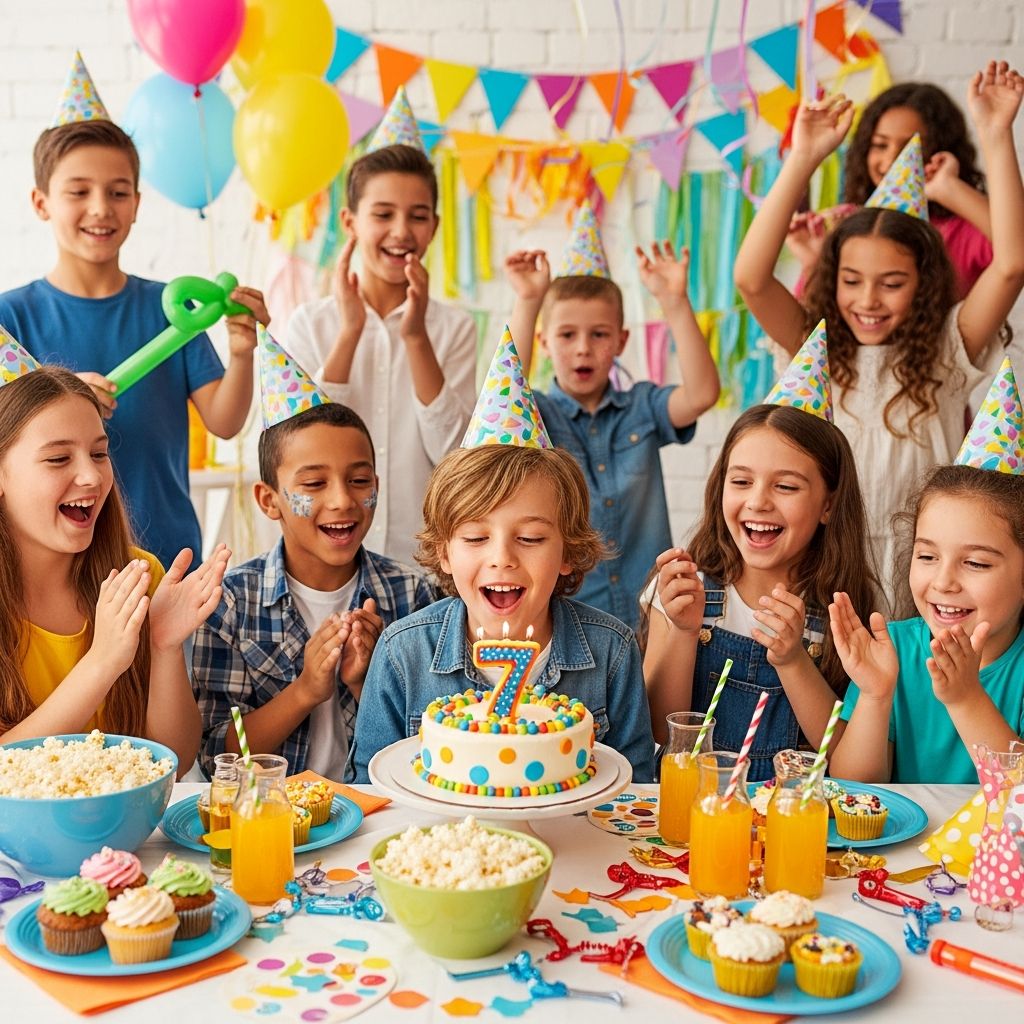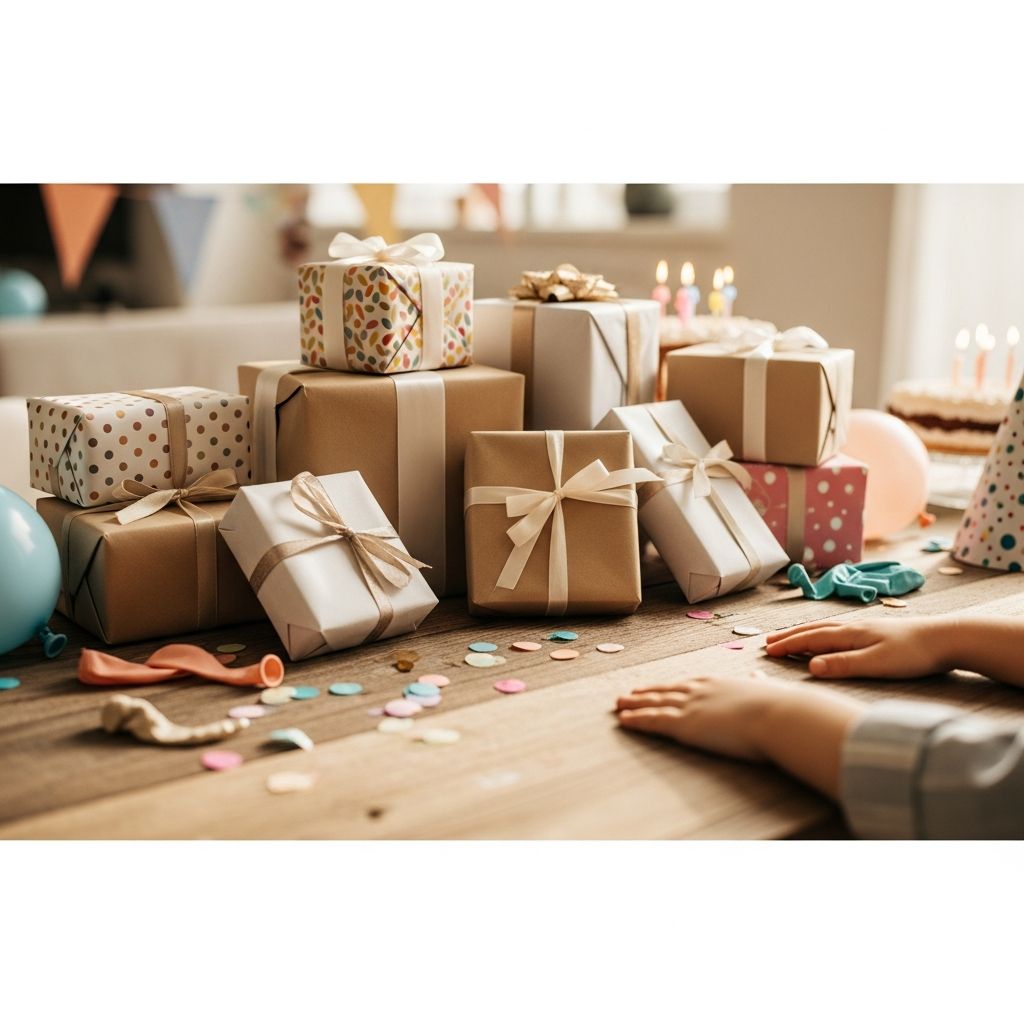
Joint birthday parties can be a lifesaver for busy families, but they also raise a tricky question: how should gifts work when more than one child is being celebrated?
Why Parents Choose Joint Birthday Parties
Parents often opt for a shared celebration when siblings have close birthdays, when cousins or best friends want to celebrate together, or when one big event is more realistic than multiple smaller ones. A joint party can be more affordable, simpler to schedule, and easier to manage emotionally when kids are used to doing most things together.
Yet the moment gifts enter the picture, parents start to worry about fairness, guest expectations, and whether one child will feel overshadowed or left out. The goal is to design a party where each child feels special without putting pressure on guests to stretch their budgets or navigate confusing expectations.
Defining Your Gift Philosophy Before You Plan
Before sending a single invitation, it helps to step back and decide what matters most to your family about birthday gifts. Some families see gifts as a fun bonus, while others prefer to keep toys and clutter to a minimum, or emphasize experiences and generosity over material things.
Clarifying your values allows you to make consistent decisions: whether to allow individual gifts, encourage group gifts, ask guests to skip presents altogether, or add a charitable twist. Once you know your philosophy, you can build the rest of the party around it.
Questions to Ask Yourself
- Is the main priority making each child feel individually celebrated?
- Is budget a significant concern for your guests or for your own family?
- Do you want to limit the amount of new toys coming into your home?
- Are your children old enough to understand concepts like sharing, donating, or group gifts?
Common Gift Approaches for Joint Parties
There is no single right way to handle gifts at a joint party, but there are several popular options. Each approach has trade-offs, so it is helpful to think through how they might land with your children and your guests.
| Gift Approach | How It Works | Main Advantage | Main Drawback |
|---|---|---|---|
| Individual gifts for each child | Guests choose which birthday child to shop for, or bring two separate presents if they know both. | Each child clearly receives something just for them and feels noticed. | Some guests feel obligated to spend more, and gift piles may feel unequal. |
| One gift per family, shared | Guests bring a single larger present that both children will enjoy together. | Less pressure on guests and fewer items to manage at home. | Children who crave their own special thing may feel disappointed. |
| Group gift organized by host | The host organizes a joint contribution toward one meaningful item or experience per child. | Predictable, clutter-free, and more meaningful than random small toys. | Requires extra organization and clear communication from the host. |
| No gifts, please | The host requests no presents and focuses on experiences and togetherness instead. | Removes shopping stress and keeps the party centered on fun instead of stuff. | Some guests will bring gifts anyway, which can create awkwardness. |
| Charity-focused gifts | Guests donate to a cause or bring items to be given away rather than kept. | Teaches generosity and reduces clutter while still honoring the child’s birthday. | Younger kids may struggle to feel celebrated if they do not receive anything tangible. |
Why “No Shared Gifts” Often Works Best
Although shared gifts can look simple on paper, they often create subtle tension. Children may argue over who “owns” a toy, whose turn it is, and where it should be stored. If one child secretly hoped for a specific item and it arrives as a shared gift, resentment can simmer beneath the surface.
Stating that gifts do not need to be shared, at least in concept, acknowledges that each birthday child is an individual. It reinforces the idea that siblings are not obligated to split everything, especially on a day that is meant to highlight each child’s unique personality and interests.
Benefits of Avoiding Shared Gifts
- Each child feels genuinely seen and valued as a separate person.
- Parents can help manage sharing decisions calmly after the party instead of making it a rule.
- Gifts can be tailored to each child’s age, hobbies, and developmental level.
- Long-term, it reduces the habit of treating siblings as a permanent package deal.
Setting Expectations With Your Children
Even the clearest party plan will fail if the birthday kids do not understand it. Before invitations go out, sit down with your children to explain how this joint celebration will work and what they can realistically expect about presents.
This conversation is a chance to address fairness, gratitude, and empathy. When children understand the ground rules in advance, they are less likely to be blindsided or embarrassed once guests arrive.
Conversation Starters With Kids
- “You will each have your own cake moment and birthday song, so everyone can cheer just for you.”
- “Some friends might bring a gift for you, some for your sibling, and some may not bring a gift at all. All of that is okay.”
- “It is not polite to ask someone where your gift is or why your sibling got something you like.”
- “After the party, we will look at all the presents together and decide which ones to keep in your room and which ones to share.”
Crafting Invitations Without Making Gifts Awkward
Many parents feel nervous about how to word a joint party invitation without sounding demanding, greedy, or confusing. The key is to focus on the celebration and keep any mention of gifts short, neutral, and optional rather than prescriptive.
If you choose to address gifts at all, keep the language light. You are not controlling what guests must do; you are simply offering guidance so they can feel comfortable and prepared.
Principles for Low-Pressure Invitation Wording
- Lead with the reason for the celebration, not the gift policy.
- Emphasize that the presence of the guest is more valuable than presents.
- Use phrasing that gives guests the freedom to decide what feels right for their family.
- Avoid listing specific gift types or price ranges, which can feel transactional.
How to Explain “No Shared Gifts” Politely
If you want to discourage shared gifts without sounding rigid, frame the message around helping guests feel less pressure, not around controlling their behavior. Many adults are relieved to hear that they are not expected to buy multiple presents just because two names appear on the cake.
You can also emphasize that your children already share many things at home, and that the goal is simply to allow friends to choose something meaningful for whichever child they know best. This approach turns “no shared gifts” into a courtesy, not a rule.
Sample Phrasing Ideas (Adaptable)
- “We are celebrating both kids together this year. If you choose to bring a gift, please feel free to pick something for the child you know best.”
- “Your presence is more than enough. Should you decide to bring a gift, there is no need to bring one for each child.”
- “The kids will each receive their own gifts. Please don’t feel any pressure to double up.”
Managing Guest Expectations and Budget Sensitivity
Guests often worry about doing “the right thing” at a joint party: should they double their budget, split one gift, or skip presents altogether? Clear, kind wording helps them avoid overthinking. Reinforcing that one simple gift (or none at all) is welcome ensures no one feels shamed by their budget.
You can also subtly signal flexibility by emphasizing activities, food, and fun in your invitation. When the focus is on what kids will experience rather than what they will receive, guests naturally feel less obligated to spend heavily on presents.
Keeping the Party Focus Off the Gift Pile
One effective way to reduce gift-related stress is to change when and how gifts are opened. Many modern families choose to skip present-opening during the party entirely, preferring to handle that part later at home. This avoids awkward comparisons and gives each child time to appreciate what they receive.
If you do open presents during the event, be intentional about how you structure that moment, especially when two birthday kids are involved. Alternating turns, keeping the pace steady, and reminding both children to say thank you out loud helps create a gracious atmosphere rather than a competition.
Strategies to Downplay the Gift Spotlight
- Open gifts after guests leave, then write thank-you notes later.
- If opening gifts at the party, alternate between the children so each has a chance to be in the spotlight.
- Remind kids beforehand that every gift deserves a “thank you,” even if it is not what they hoped for.
- Take a quick photo of each child with their gift and the giver for easier thank-you messages later.
Handling Unequal or Unexpected Gift Situations
Even with the best planning, reality is messy. One child might receive more gifts than the other, grandparents might arrive with extra presents for one sibling, or a thoughtful guest might insist on a shared gift. How you respond will teach your children just as much as the plan you originally made.
After the party, talk honestly with your kids about what happened rather than pretending not to notice. Acknowledge unfair moments, but also highlight the kindness behind each gift. You can quietly balance things out later, such as treating the child who received fewer presents to a small outing or special privilege.
Helping Children Navigate Jealousy and Sharing
Joint parties inevitably bring up questions of fairness, especially when siblings are close in age. One child may envy the other’s gifts, feel overshadowed by a more outgoing sibling, or struggle with the idea that their friend brought something for someone else and not for them.
Use these moments as practice in emotional regulation and empathy. Rather than dismissing jealous feelings, validate them and then guide your child toward a more generous mindset. Over time, these conversations build resilience and reduce rivalry.
Ways to Support Sibling Harmony
- Schedule one-on-one time with each birthday child before or after the party.
- Let each child choose one party detail (theme element, game, playlist, or dessert) that reflects their interests.
- Encourage siblings to pick or make something small for each other as a birthday gesture.
- Establish a family tradition that is just for one child at a time, so they know joint parties are not the whole story.
Practical Checklist for Hosting a Joint Party With “No Shared Gifts”
To make all of this easier to act on, it helps to break the process into simple steps. Think of the checklist below as a guide you can adapt, not a strict rulebook.
- Step 1: Decide on your gift philosophy (individual gifts, group gifts, no gifts, or charity focus).
- Step 2: Talk to your children about what to expect and how to show gratitude.
- Step 3: Write invitations that highlight fun and briefly clarify any gift guidance.
- Step 4: Plan activities that keep kids busy so the party does not revolve around presents.
- Step 5: Choose whether gifts will be opened during or after the party, and explain that plan to guests if needed.
- Step 6: After the party, help your children organize presents, decide what to share, and write or send thanks.
SEO-Friendly FAQs About Joint Birthday Parties and Gifts
Is it rude to host a joint birthday party for siblings?
No, it is not rude to host a joint party, especially when siblings have close birthdays or share a social circle. Many families prefer one bigger event instead of multiple smaller gatherings, and most guests appreciate the simplicity, as long as the party feels organized and the expectations are clear.
Do guests have to bring two gifts to a joint birthday party?
Guests never have to bring two gifts unless they genuinely want to. Hosts can help prevent awkwardness by letting families know that one small gift, or no gift at all, is perfectly acceptable. A brief note on the invitation can reassure guests that they are not expected to double their budget just because there are two names on the cake.
How can I politely say “no shared gifts” on the invitation?
You can express this gently by focusing on reducing pressure, such as saying that guests should feel free to choose a gift for the child they know best and that there is no expectation of buying something for both children. Simple, warm phrasing keeps the message friendly rather than demanding.
Should kids open their gifts during a joint birthday party?
Opening gifts during the party is optional, and many families now prefer to open them afterward to avoid comparisons and time pressure. If you do open them with guests present, alternating between birthday children and prompting them to say thank you helps keep the moment equitable and gracious.
What if one child gets more presents than the other?
Differences in gift quantity are common at joint parties and do not mean one child is more loved. After the event, talk with your children about how feelings of unfairness are normal, and consider balancing things quietly with a small treat or special time for the child who received less.
Are joint parties a good idea for children with very different ages or personalities?
Joint parties can work for children who are far apart in age or temperament, but they require extra planning. You may need separate activity zones, age-appropriate games, and multiple ways for guests to connect with each child, so that a shy or younger sibling does not disappear into the background.
Creating Joyful, Fair Celebrations
When handled thoughtfully, a joint birthday party can highlight the bond between siblings or friends while still honoring each child’s individuality. The key is to plan intentionally: define your gift approach, communicate clearly with guests, and prepare your children for what the day will look like.
“No shared gifts” is less about controlling presents and more about protecting relationships. When every child feels seen, and guests feel free from unspoken pressure, the party becomes what it was meant to be all along—a gathering of people who are happy to celebrate the kids they care about.