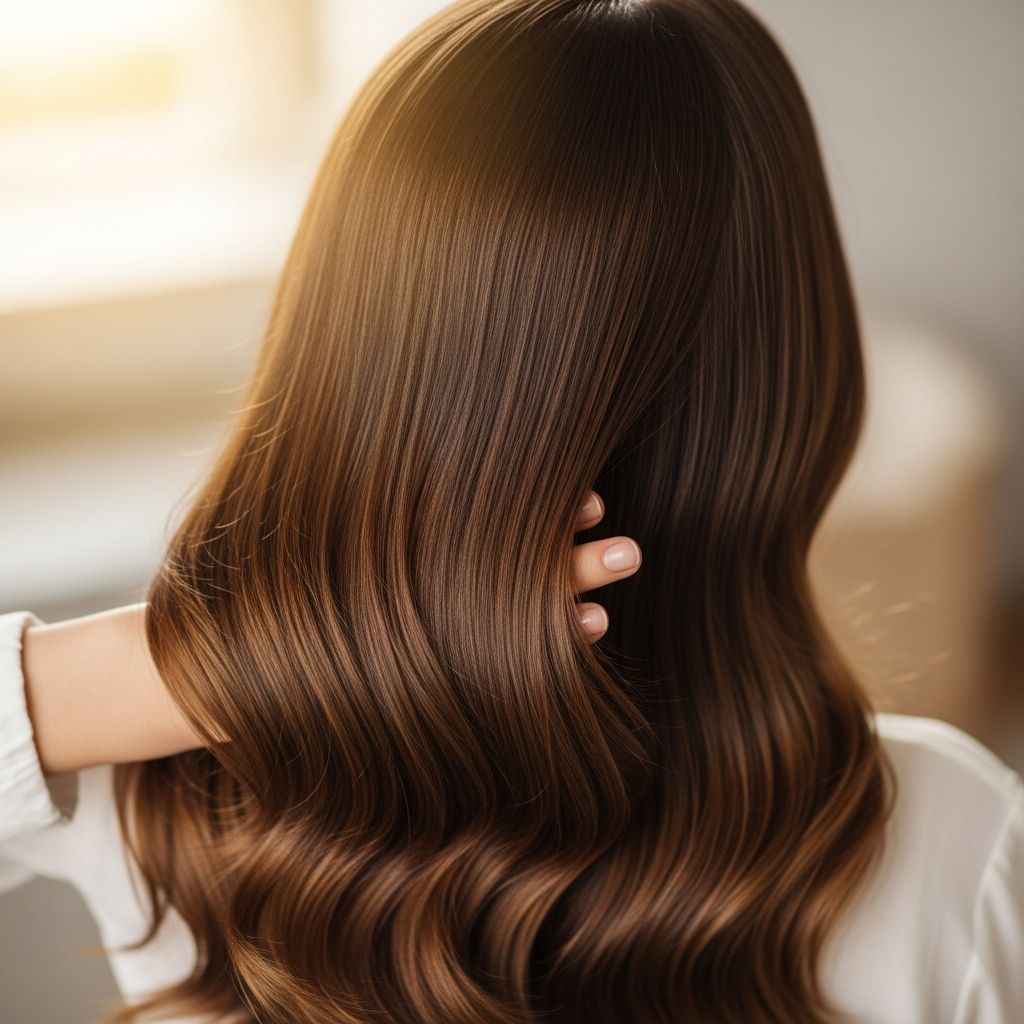
Frizz occurs when hair cuticles lift due to dryness, humidity, or damage, leading to a rough texture. Effective management involves consistent hydration, gentle handling, and protective measures to seal the cuticle and retain moisture.
Understanding What Causes Frizz in Hair
Hair frizz primarily stems from a lack of moisture balance. The outer layer of hair, known as the cuticle, lies flat when healthy but raises in dry conditions, allowing moisture from the air to enter unevenly and create puffiness. Factors like high humidity, heat styling, harsh chemicals, and environmental damage exacerbate this issue. Porous hair types absorb water too quickly, amplifying frizz, while damaged strands from coloring or bleaching worsen the problem. Genetics play a role too, as curly or coarse textures are naturally more prone. Addressing root causes through targeted care restores smoothness.
Building a Hydration-Focused Washing Routine
A solid washing routine prevents stripping natural oils that protect against frizz. Limit shampoos to 2-3 times weekly, even for oily scalps, to avoid dryness. Opt for sulfate-free formulas that cleanse gently without removing essential lipids. Always follow with conditioner applied mid-length to ends, leaving it on for 3-5 minutes before rinsing with cool water to seal cuticles. Cool water smooths the hair surface more effectively than hot, reducing frizz by up to 30% in regular use. Incorporate clarifying shampoos monthly to remove buildup without over-drying.
- Use lukewarm water for washing to preserve oils.
- Focus conditioner on ends to hydrate without weighing down roots.
- Rinse thoroughly but finish with cold water for shine.
Power of Natural Oils for Overnight Repair
Natural oils penetrate the hair shaft to lock in moisture and smooth cuticles. Coconut oil, rich in lauric acid, reduces protein loss and adds deep hydration when applied pre- or post-wash. Massage a small amount into damp hair, leave for 15-30 minutes, then shampoo out. Argan oil, packed with antioxidants and fatty acids, tames frizz when used sparingly on wet strands from roots to tips. For overnight treatment, apply lightweight oils like onion or argan variants before bed; they nourish while you sleep without greasiness. These methods combat dryness at the core.
Deep Conditioning with Masks and Leave-Ins
Weekly deep conditioning transforms frizzy hair. Hair masks with ingredients like argan oil or glycerin penetrate deeply to repair and hydrate, combating dryness for smoother texture. Apply to clean, damp hair, cover with a shower cap, and leave for 20-30 minutes or overnight for intense repair. Leave-in conditioners provide all-day protection; spritz on towel-dried hair to detangle and shield against humidity. Glycerin draws moisture into strands, acting as a humectant for lasting smoothness. Consistency yields visibly softer, frizz-resistant locks.
Protective Styling Habits for Friction-Free Nights
Nighttime habits prevent friction-induced frizz. Loose braids minimize tangling and retain moisture overnight, waking you to defined, smooth styles. High buns or pineapple ponytails keep length secure without creases. Switch to silk pillowcases, which reduce friction by 40% compared to cotton, allowing hair to glide and retain hydration. These surfaces prevent breakage and cuticles from roughing up during sleep. Avoid tight styles that pull on roots, promoting healthier growth alongside frizz control.
| Method | Benefits | Best For |
|---|---|---|
| Silk Pillowcase | Reduces friction, retains moisture | All hair types |
| Loose Braids | Prevents tangles, defines waves | Curly/coily hair |
| Pineapple Ponytail | Preserves volume, minimizes creases | Long, straight hair |
Gentle Drying Techniques to Avoid Damage
Rough towel drying causes massive friction, lifting cuticles. Microfiber towels or old T-shirts absorb water gently, cutting frizz by minimizing rubbing. Blot instead of rub: press sections to soak up excess moisture. Air drying is ideal, but if blow-drying, apply anti-frizz serum first and use a diffuser on low heat with cool shots at the end. Wide-tooth combs detangle wet hair from ends up, preventing snaps. These steps maintain smoothness post-wash.
Nutrition and Lifestyle Boosts from Inside Out
Healthy hair starts internally. Diets rich in omega-3s from salmon, avocados, nuts, and greens supply fatty acids for cuticle strength, reducing frizz. Hydration is key; drink 8-10 glasses daily to plump strands from within. Biotin-rich foods like eggs support keratin production. Limit heat tools and sun exposure, wearing hats outdoors. Balanced nutrition complements topical care for resilient, frizz-free results.
Quick Fixes for On-the-Go Frizz Control
Humidity strikes fast—keep anti-frizz sheets or serums handy for instant smoothing. These Argan-infused wipes tame flyaways with one swipe. Refresh with water mist and oil drops midday. Avoid touching hair to prevent oil transfer. For workouts, cap up to block sweat and humidity. These portable tools ensure polish anytime.
Long-Term Maintenance: Trims and Tools
Regular trims every 6-8 weeks seal split ends, stopping frizz migration up the shaft. Invest in ceramic brushes and ionic dryers that emit negative ions to flatten cuticles. Humidity-proof products with silicones create barriers. Track progress monthly, adjusting for seasons—more hydration in winter, lighter oils in summer.
Frequently Asked Questions
What daily habits prevent frizz buildup?
Consistent hydration with conditioners, gentle drying, and protective sleeping styles keep frizz at bay daily.
Can diet really impact hair smoothness?
Yes, omega-rich foods and hydration nourish hair internally, strengthening cuticles against environmental frizz.
Is hot water bad for frizzy hair?
Hot water strips oils, worsening frizz; stick to lukewarm and finish cool.
How often should I use hair masks?
1-2 times weekly for deep repair without overload.
Do silk pillowcases work for all hair types?
Absolutely, they reduce friction universally for smoother mornings.
Customizing Your Anti-Frizz Plan by Hair Type
Fine hair benefits from lightweight oils to avoid limpness; coarse types need thicker masks. Curly hair thrives with diffusers and braid-outs; straight strands love serums. Test products seasonally, as winter dryness demands more emollients. Personalized routines maximize efficacy, turning frizzy challenges into sleek confidence.
Implementing these strategies holistically yields transformative results. Hydration, protection, and gentle care create a barrier against frizz, promoting healthier hair long-term. Patience with consistency is key—notice improvements in weeks.
References
- Tips For Frizz-Free Hair — Love Beauty and Planet. 2023. https://lovebeautyandplanet.in/blogs/hair/dealing-with-frizz-free-hair-not-anymore-with-these-easy-tips
- 5 Home Remedies for Frizzy Hair, Plus Tips for Prevention — Healthline. 2019-11-25. https://www.healthline.com/health/beauty-skin-care/frizzy-hair-home-remedies
- How To Get Rid of Frizzy Hair: 10 Tips — The Earthling Co. 2023. https://theearthlingco.com/blogs/news/how-to-get-rid-of-frizzy-hair
- 10 Simple Tricks to Keep Your Hair From Getting Frizzy Overnight — Gisou. 2023. https://gisou.com/blogs/blog/how-to-keep-hair-from-getting-frizzy-overnight
- 10 Frizzy Hair Home Remedies You Can Try This Weekend — Sitting Pretty Halo Hair. 2023. https://www.sittingprettyhalohair.com/blogs/news/10-frizzy-hair-home-remedies-you-can-try-this-weekend
- 13 Tips on Getting Rid of Frizzy Hair — Nexxus US. 2023. https://www.nexxus.com/us/en/haircare-101/frizzy-hair-tips.html