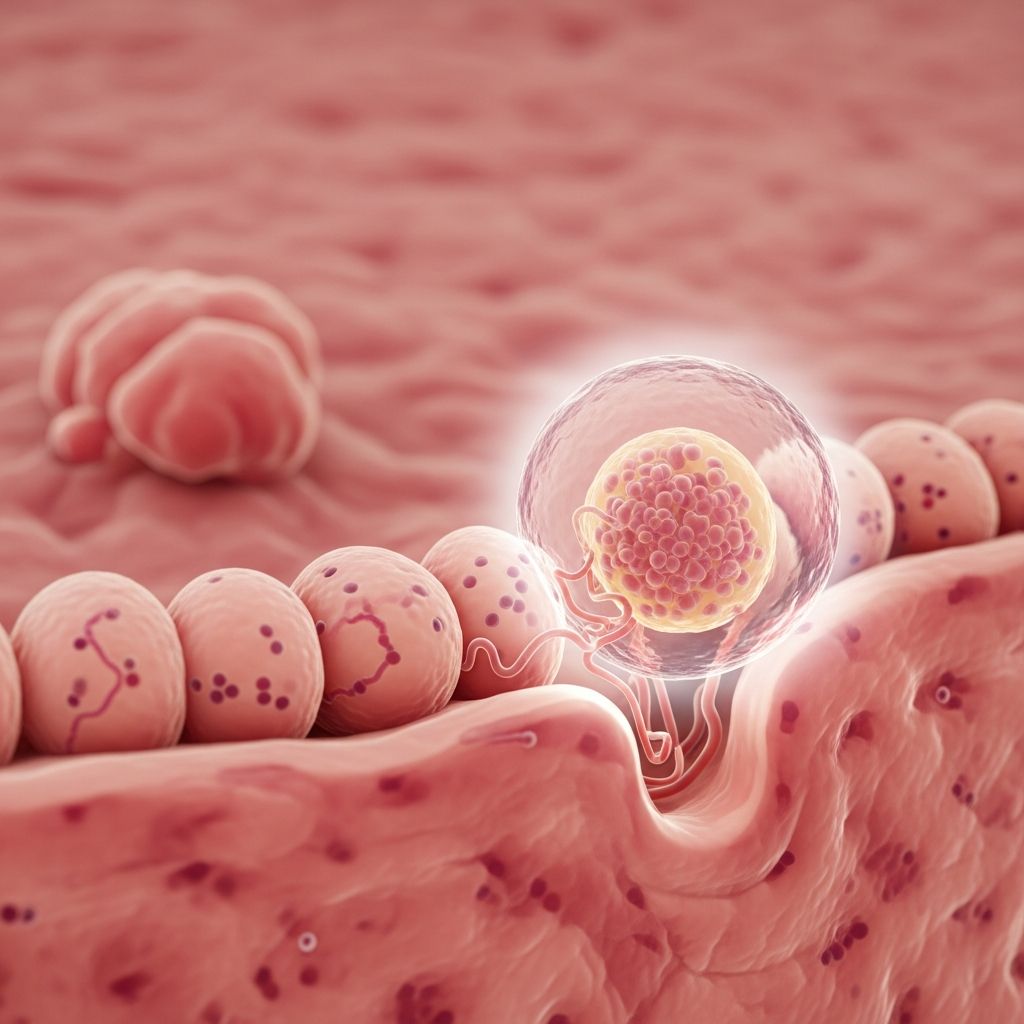
Conceiving a child involves more than chance; it requires understanding biological rhythms, lifestyle influences, and common misconceptions. Couples aiming to start a family can significantly improve their odds by aligning intercourse with fertile periods and adopting supportive habits. This guide draws on scientific insights to provide actionable advice for natural conception.
Understanding Your Fertile Window
The fertile window represents the prime days for conception, typically spanning five days before ovulation and the day of ovulation itself. Sperm can survive up to five days in the female reproductive tract, while the egg remains viable for about 24 hours post-release. Targeting this period maximizes the likelihood of sperm meeting the egg.
Tracking ovulation is essential. Methods include monitoring basal body temperature, which rises slightly after ovulation; observing cervical mucus changes to a clear, stretchy consistency; or using ovulation predictor kits that detect luteinizing hormone surges. Couples having intercourse every other day during this window ensure fresh sperm availability without depletion.
- Days 10-17 of a 28-day cycle often mark peak fertility for many women.
- Apps and wearable devices can predict windows based on cycle data.
- Consistency in tracking over months refines accuracy.
Regular intercourse two to three times weekly year-round yields high success rates, as it overlaps fertile phases without over-focusing on precision, which can add stress.
Age and Biological Realities
Fertility peaks in the early 20s and declines gradually, accelerating after 35 for women due to diminishing egg quantity and quality. Men’s fertility wanes more slowly, but sperm quality drops with age, impacting DNA integrity.
| Age Group (Women) | Monthly Conception Chance | Cumulative 1-Year Success |
|---|---|---|
| Under 30 | 20-25% | 85-90% |
| 30-35 | 15-20% | 75-80% |
| Over 35 | 10-15% | 60-70% |
These figures assume healthy couples without underlying issues. After one year, 84% of couples under 35 conceive naturally. Delaying family planning due to career or education correlates with reduced success, emphasizing timely action.
Lifestyle Choices That Shape Fertility Outcomes
Daily habits profoundly influence reproductive health. Modifiable factors like diet, exercise, and substance use can either enhance or hinder conception.
Weight Management for Hormonal Balance
Maintaining a BMI between 18.5 and 24.9 supports regular ovulation in women and optimal sperm production in men. Overweight individuals face hormonal disruptions; excess fat elevates estrogen, potentially suppressing ovulation, while obesity links to insulin resistance affecting both partners. Underweight women risk amenorrhea due to low energy availability disrupting cycles.
Gradual weight adjustments through balanced nutrition improve outcomes. Diets rich in fruits, vegetables, legumes, and fish correlate with superior sperm quality and lower DNA fragmentation compared to high red meat intake.
The Toll of Smoking, Alcohol, and Caffeine
Tobacco damages eggs and sperm, reducing motility and increasing miscarriage risk. Quitting boosts clinical pregnancy rates in assisted reproduction by 4% per smoke-free year. Alcohol impairs hormone regulation; moderation (under 5 units weekly) is advised. Excessive caffeine may compound risks when paired with other factors.
- Smokers conceive 30% slower than non-smokers.
- Heavy drinking disrupts ovulation and spermatogenesis.
- Avoid secondhand smoke exposure.
Exercise: Finding the Right Balance
Moderate activity (150 minutes weekly) enhances circulation and hormone balance. Excessive vigorous exercise, however, lowers fertility by stressing the body, mimicking underweight effects in women and reducing sperm count in men.
Stress, Mental Health, and Intimacy
Chronic stress elevates cortisol, disrupting reproductive hormones and libido. Women under high stress conceive less frequently, with anxiety altering cycles. Men experience reduced sperm quality and erectile issues.
Counter stress through mindfulness, yoga, or counseling. Couples should prioritize enjoyable intimacy over scheduled performance to sustain desire. Pressure to conceive can create a cycle of tension lowering success rates.
Male Fertility: An Equal Partner Role
Male factors contribute to 35% of infertility cases, with low count, poor motility, or morphology as culprits. Heat exposure (hot tubs, tight underwear) impairs production; environmental toxins like pesticides affect quality.
Enhancements include antioxidant-rich diets (nuts, berries), avoiding toxins, and regular ejaculation to refresh sperm stocks. Semen analysis provides direct insights if conception delays.
Medical and Environmental Influences
Conditions like PCOS, endometriosis, or varicocele hinder fertility. STIs cause scarring or blockages; regular screenings and safe practices prevent issues. Medications (e.g., antidepressants, chemotherapy) warrant doctor discussions.
Workplace hazards (solvents, radiation) and pollutants pose risks; minimize exposure where possible.
Practical Strategies to Boost Conception Chances
- Track cycles diligently using multiple methods.
- Adopt a nutrient-dense diet emphasizing whole foods.
- Eliminate smoking and limit alcohol.
- Exercise moderately and manage weight.
- Reduce stress via relaxation techniques.
- Ensure STI checks and preconception health visits.
- Have intercourse every 2-3 days, focusing on fertile window.
Couples with no adverse factors see 83% one-year success, versus 38% with four or more. Comprehensive changes yield compounding benefits.
Frequently Asked Questions (FAQs)
How often should we have sex when trying to conceive?
Every 2-3 days ensures optimal sperm presence, especially around ovulation. Daily during the fertile window works if comfortable.
Does stress really prevent pregnancy?
Yes, it disrupts hormones and cycles, reducing odds. Stress management improves outcomes.
Can diet alone improve fertility?
Nutrient-rich diets support reproductive health, particularly for sperm quality, but combine with other habits.
What if we’re over 35 and not conceiving?
Seek evaluation after 6 months; age accelerates decline, but interventions help.
Should men make changes too?
Absolutely; male factors affect 35% of cases. Lifestyle tweaks enhance sperm health.
Long-Term Planning and When to Seek Help
Most conceive within a year; under 35 after 12 months, over 35 after 6 months, consult specialists. Fertility declines with trying duration—under 3 years doubles odds over longer.
Preconception checkups screen for issues, optimize health via folic acid, vaccinations. Persistence with evidence-based steps empowers couples.
References
- Factors Affecting Fertility — Fertility Network UK. 2023. https://fertilitynetworkuk.org/learn-about-fertility/factors-affecting-fertility/
- What are the chances of getting pregnant on the first try? — Next Fertility. 2023. https://nextfertility.es/en/blog/what-are-the-chances-of-getting-pregnant-on-the-first-try/
- 4 Factors That Affect Your Fertility — Women’s Health Arizona. 2023. https://www.womenshealthaz.com/4-factors-that-affect-your-fertility/
- Effects of lifestyle factors on fertility: practical recommendations — PMC (Peer-reviewed). 2022-02-10. https://pmc.ncbi.nlm.nih.gov/articles/PMC8812443/
- 5 Important Factors that Influence Your Fertility — Effortless IVF. 2023. https://www.effortlessivf.com/post/5-important-factors-that-influence-your-fertility
- 8 Factors That Can Impact Fertility — IVF Orlando. 2023. https://www.ivforlando.com/blog/8-factors-that-can-impact-fertility