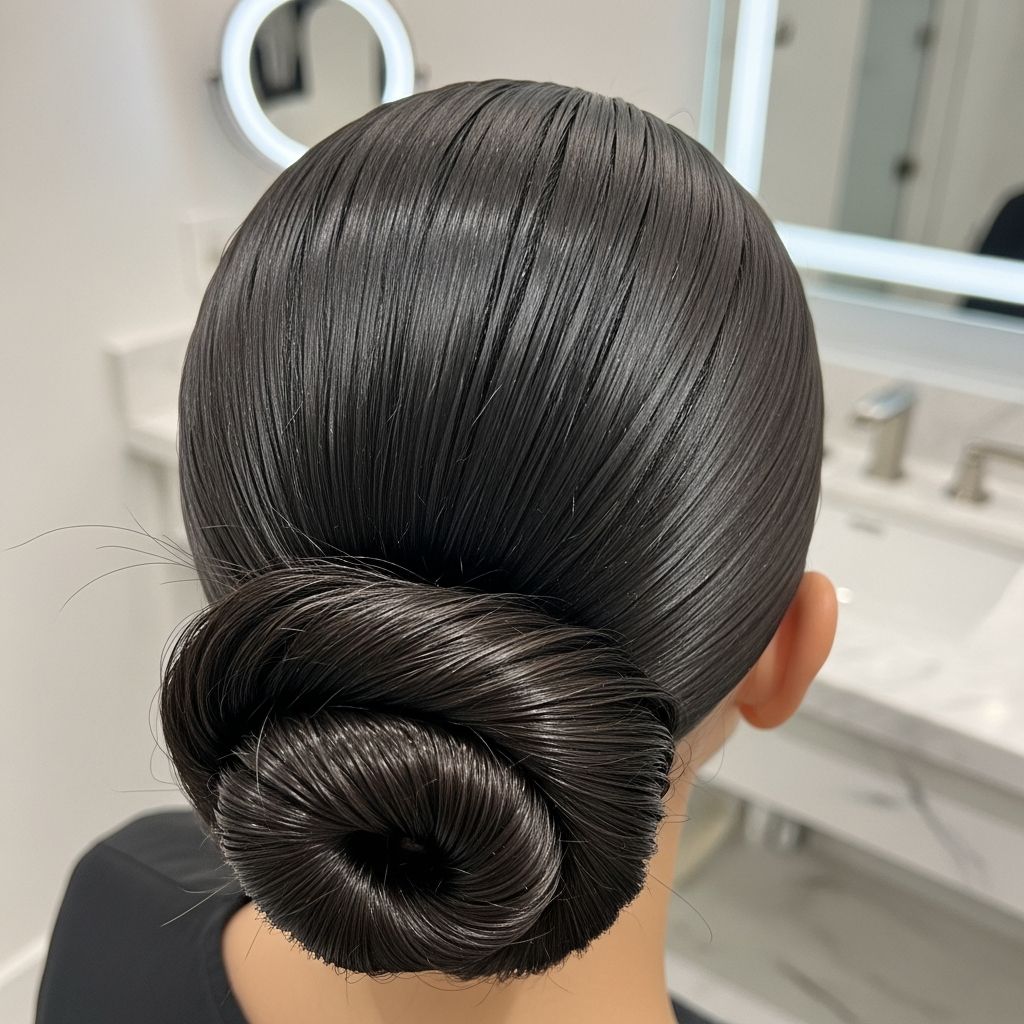
When hair turns greasy again just hours after washing, it feels like nothing works. You swap shampoos, scrub harder, and pile on dry shampoo, but the roots still look slick while the ends feel parched. This guide breaks down why some scalps seem permanently oily and how to build an effective routine that finally leaves hair clean, balanced, and manageable.
Understanding Persistent Oiliness
Your scalp naturally produces sebum, an oily substance that protects skin and hair. The problem starts when either too much sebum is produced or it builds up with residue from products, pollution, and hard water. That buildup can make hair feel coated, heavy, and dirty even right after you shampoo.
In some cases, what feels like “grease that never comes off” is actually layers of old styling products, silicones, minerals, and sebum compacted on the hair shaft and scalp. Regular, gentle cleansing often isn’t enough to break that cycle; you need a reset plus smarter daily habits.
Main Reasons Hair Won’t Feel Clean
Persistently oily hair usually has multiple contributing factors rather than a single cause. Identifying the main culprits helps you pick the right fixes instead of just switching shampoos at random.
- Overactive sebaceous glands: Genetics, hormones, and age can all influence how much sebum the scalp produces.
- Product buildup: Heavy conditioners, leave-ins, serums, and some styling products can cling to the hair shaft and resist normal shampooing.
- Hard water minerals: Calcium and magnesium from hard water can stick to hair, trapping oils and leaving a dull, coated feel.
- Improper washing technique: Rushing through shampooing, not rinsing thoroughly, or piling on too much conditioner at the roots can all leave residue behind.
- Constant touching and brushing: Fingertips and brushes spread scalp oil down the hair length, making everything look greasier faster.
- Using the wrong products: Rich, butter-heavy formulas designed for dry or curly hair can overwhelm a fine or oily scalp.
Quick Self-Assessment: Is It Oil, Buildup, or Both?
Before overhauling your routine, it helps to get a sense of what you’re dealing with. The way your hair looks and feels gives useful clues.
| Sign | Most Likely Issue | What It Feels Like |
|---|---|---|
| Roots look wet soon after washing | Excess sebum production | Scalp feels slick, hair separates into pieces at the top |
| Hair never feels fully rinsed | Product or mineral buildup | Waxy or coated, even right after shampooing |
| Ends are dry but roots are greasy | Overcleansing plus heavy root conditioning | Crunchy ends, flat crown, little volume |
| Flakes with greasy roots | Possible scalp imbalance | Oily scale, itching or tightness in patches |
The Deep-Clean Reset: Starting with a Fresh Slate
If your hair has felt greasy and coated for a long time, the most effective first step is a reset wash. This is a targeted deep cleanse that removes old film so your regular routine can actually work again. Think of it as spring cleaning for your scalp and strands.
Step 1: Clarify Thoroughly (But Not Harshly)
A clarifying or detox shampoo is designed to cut through oil, silicone, and mineral deposits more effectively than everyday formulas. The key is using it correctly and not turning it into a daily habit that strips your hair.
- Use a clarifying shampoo once every 1–3 weeks, depending on how much product you use and how hard your water is.
- Apply mainly at the scalp, then let the lather run through your lengths rather than scrubbing the ends aggressively.
- Massage the scalp with gentle pressure for 60–90 seconds to break up sebum and buildup.
- Rinse with lukewarm water for at least a full minute to ensure nothing remains.
Step 2: Condition Strategically
Oily hair often still needs moisture—especially in the mid-lengths and ends. The solution is not to skip conditioner entirely but to place it carefully and choose the right texture.
- Keep conditioner away from the scalp; start application at the point where your hair leaves your shoulders or just below the ears.
- Choose lightweight, rinse-out formulas labeled for fine or oily hair rather than ultra-rich masks.
- Comb conditioner through with your fingers or a wide-tooth comb in the shower, then rinse until hair feels smooth but not slippery.
Building a Sustainable Routine for Oily Hair
After a reset, the goal is to maintain a clean, balanced scalp without over-stripping. A consistent routine that suits your hair type matters more than any single “miracle” product.
How Often Should You Wash?
There’s no one-size-fits-all schedule, but certain patterns work better for persistently oily scalps. Washing too infrequently can leave you uncomfortable, while overwashing can trigger even more oil production as the skin tries to compensate.
- Everyday or every other day: Works well for very oily scalps, especially in humid climates or for those who exercise heavily.
- Every 2–3 days: Often ideal for moderately oily hair or once you’ve broken the cycle of heavy buildup.
- Gradual spacing: If your goal is to wash less often, increase the time between washes slowly rather than jumping from daily to weekly overnight.
Choosing the Right Shampoo
The shampoo you use most frequently should be gentle enough for regular use but effective at lifting oil. Look for clear, lightweight formulas that rinse easily, and be cautious with very creamy or heavily scented products that may leave residue.
- Opt for shampoos labeled “balancing,” “oil control,” or “for fine hair.”
- Avoid rich, butter-heavy or ultra-moisturizing shampoos unless your hair is genuinely dry along most of its length.
- If your scalp is sensitive, look for fragrance-free or low-fragrance options with soothing ingredients.
Technique Matters: How You Wash Changes Everything
Even the best products can underperform if applied carelessly. Simple technique tweaks can noticeably extend how long your hair looks fresh.
Better Washing in Four Simple Steps
- Pre-rinse thoroughly: Soak your hair with lukewarm water for 30–60 seconds before adding shampoo; this loosens surface oils and helps the product spread.
- Lather at the scalp: Focus shampoo on the scalp where oil is produced instead of roughing up the already-delicate ends.
- Rinse longer than you think: Many people rinse too quickly, leaving behind a thin film that leads to a dirty feel.
- Cool water finish (optional): A brief cool rinse can make hair feel smoother and less frizzy without affecting oil production.
Common Mistakes That Keep Hair Greasy
- Using too much conditioner or applying it to the roots.
- Layering several leave-in products every day without occasional clarifying.
- Sleeping with heavy oils or masks on the scalp instead of just on the lengths.
- Shampooing in a rush and skipping thorough scalp massage.
- Not cleaning brushes, combs, and heat tools regularly.
Supporting Scalp Health Beyond the Shower
What happens between washes also affects how quickly hair becomes greasy. Small, consistent changes in daily habits can make shampoos more effective and improve overall scalp comfort.
Tools, Towels, and Touching
- Hands off: Reduce how often you run your fingers through your hair; natural oils transfer from your skin to the strands.
- Clean tools: Wash brushes and combs at least once a week with warm water and a small amount of shampoo.
- Use a dedicated hair towel: A lightweight microfiber or soft cotton towel can help absorb water without roughing up the cuticle.
- Avoid tight hats for long periods: Trapped heat and sweat can accelerate oiliness.
The Role of Styling Products
Many people with oily hair rely on styling sprays, creams, and dry shampoos to add volume and hide grease. These tools can be helpful, but they also contribute to buildup when overused.
- Keep daily styling products to the minimum that achieves your look.
- Apply volumizing products mainly at the roots and avoid heavy creams near the scalp.
- Use dry shampoo as a short-term helper, not a long-term substitute for washing.
When Dry Shampoo Helps (And When It Hurts)
Dry shampoo can be a lifesaver on busy mornings or as a bridge between wash days. However, using it daily for long stretches can leave a powdery film mixed with oil, sweat, and product—a recipe for a scalp that feels congested and itchy.
Smarter Dry Shampoo Habits
- Use it on completely dry hair only, preferably before bed so it can absorb oil overnight.
- Section your hair and spray lightly at the roots rather than coating the entire head.
- Massage gently to distribute, then brush out to avoid visible residue.
- Always follow repeated dry shampoo days with a thorough wash and, periodically, a clarifying session.
Special Considerations: Hair Type, Length, and Lifestyle
The same level of oiliness can look very different on short, thick hair compared with long, fine strands. Tailoring your approach to your specific hair type helps you work with your natural texture instead of fighting it.
Fine vs. Thick Hair
- Fine hair: Oil weighs it down quickly, so aim for lightweight formulas, minimal conditioner, and frequent but gentle washing.
- Thick or coarse hair: May tolerate richer products on the lengths, but still benefits from careful scalp cleansing and occasional clarifying.
Length and Wear Patterns
- Short hair: Oil has less distance to travel, so roots and ends may both feel greasy; use small amounts of product and rinse very thoroughly.
- Long hair: Often has dry ends with oily roots; consider washing the scalp more often while nourishing only the bottom half of your hair.
- Frequent exercisers: Rinse sweat out promptly or use a gentle shampoo after heavy workouts, especially if you wear tight headbands or helmets.
Sample Weekly Routine for Oily Hair
Use this sample as a starting template, then adjust based on how your own hair responds. Consistency over a few weeks will tell you more than one or two experimental washes.
| Day | Shower Routine | Between-Wash Tips |
|---|---|---|
| Day 1 | Clarifying shampoo at scalp; light conditioner from mid-lengths to ends | Minimal styling products; avoid touching roots |
| Day 2 | No wash | Optional small amount of dry shampoo at crown if needed |
| Day 3 | Gentle balancing shampoo; lightweight conditioner on ends | Loose updo or half-up style to hide slight oiliness |
| Day 4 | No wash | Targeted dry shampoo; brush out thoroughly |
| Day 5 | Regular shampoo and conditioner as on Day 3 | Clean brushes and combs in warm soapy water |
| Day 6 | No wash | Protect hair from sweat with a breathable headband during workouts |
| Day 7 | Gentle shampoo; hydrating conditioner only on ends | Assess scalp comfort and adjust next week’s schedule as needed |
Frequently Asked Questions About Oily Hair
Is washing every day bad for oily hair?
Daily washing is not automatically harmful, especially if you use a mild shampoo and avoid scrubbing the ends too aggressively. The concern is less about frequency and more about using harsh formulas or overly hot water that leave the scalp tight and reactive. If your hair feels comfortable and you aren’t noticing increased breakage, daily gentle washing can be acceptable.
Will training my hair to be washed less really work?
Some people find that gradually spacing out washes reduces how quickly their hair becomes greasy, while others see little change. What definitely helps is removing buildup with occasional clarifying sessions and avoiding heavy, persistent residue on the scalp. If you decide to wash less, increase time between washes in small steps and support your scalp with careful product choices.
Can diet or stress make my hair more oily?
Overall health, hormones, and stress levels can influence oil production on the skin and scalp, though the exact impact varies widely from person to person. A balanced diet, good sleep, and stress management usually support healthier skin in general, which may help your scalp feel less reactive—even if they don’t completely change your hair type.
Do natural oils or DIY treatments help or hurt?
Oils and rich masks can be wonderful for dry lengths and ends, but they often backfire when applied directly to an already oily scalp. If you enjoy using natural oils, keep them below the ears and use a clarifying shampoo periodically to prevent buildup. Always patch-test new ingredients on a small area of skin first to check for irritation.
How long does it take to see improvement?
If buildup is the main issue, a single thorough clarifying wash can create an immediate improvement in how clean and light your hair feels. For ongoing oil control and scalp balance, expect to experiment for a few weeks while you fine-tune frequency, product types, and techniques. Pay attention to patterns rather than one-off “bad hair days” to judge whether your new routine is working.
Bringing It All Together
Persistently oily hair is frustrating, but it is rarely hopeless. By removing old buildup, choosing products that match your hair type, refining your washing technique, and adopting simple daily habits that support scalp health, most people can move from chronic grease to hair that feels lighter, cleaner, and easier to style. The goal is not to eliminate oil entirely—sebum protects your hair—but to keep it in healthy balance so your scalp feels comfortable and your hair looks fresh for longer.