Pediatric orthopedics focuses on caring for children’s bones, joints, and muscles from birth through the teenage years. Because kids are still growing, they need specialists who understand how growth plates, developing joints, and maturing muscles affect both injuries and long-term health.
What Is Pediatric Orthopedics?
Pediatric orthopedics is a subspecialty of medicine devoted to the diagnosis, treatment, and prevention of musculoskeletal problems in infants, children, and adolescents. These problems may be present at birth, appear as a child grows, or result from injuries such as sports accidents or falls.
A doctor in this field is usually called a pediatric orthopedic surgeon or pediatric orthopedist. Despite the name, these doctors use both surgical and non-surgical treatments and will often try non-surgical options first whenever it is safe and effective.
How Pediatric Orthopedics Differs from Adult Orthopedics
- Growing bones: Children have growth plates—areas of developing cartilage at the ends of long bones—that can be injured or influenced by treatment decisions.
- Different conditions: Some problems, such as clubfoot or developmental hip dysplasia, are seen primarily in children and rarely in adults.
- Unique healing patterns: A child’s bones generally heal faster than an adult’s, but misalignment or damage near a growth plate can affect future growth.
- Communication and comfort: Pediatric orthopedists are trained to explain medical issues in child-friendly language, use play or visual aids, and work closely with families.
Types of Problems Pediatric Orthopedists Treat
Pediatric orthopedic specialists care for a wide range of issues, from common minor injuries to complex deformities or neuromuscular conditions.
Conditions Present at Birth or Early Life
- Clubfoot: The foot is turned inward and downward. Early treatment with stretching, casting, and sometimes minor surgery often leads to excellent function.
- Developmental dysplasia of the hip (DDH): The hip joint is loose or not properly formed. Bracing and, in some cases, surgery help protect hip development.
- Limb length differences: One leg or arm is shorter than the other, which may be present at birth or appear gradually as the child grows.
Growth and Development Concerns
- Scoliosis: A sideways curve of the spine that often appears around puberty. Treatment ranges from observation and bracing to surgery in more serious cases.
- Abnormal walking patterns: In-toeing, toe-walking, or limping may be related to bone alignment, muscle tightness, or neurological conditions.
- Flat feet and other alignment issues: Many are harmless variants, but some cause pain or limit activity and may need treatment.
Injuries and Sports-Related Problems
- Fractures (broken bones): From playground falls to sports collisions, broken bones are among the most frequent reasons to see a pediatric orthopedist.
- Ligament injuries: Sprains, anterior cruciate ligament (ACL) tears, and other joint injuries are increasingly common with intensive youth sports.
- Overuse injuries: Repetitive activities can cause conditions like stress fractures or tendon irritation in active kids and teens.
Infections, Tumors, and Neuromuscular Disorders
- Bone and joint infections: Osteomyelitis (bone infection) and septic arthritis (joint infection) usually require urgent diagnosis and treatment to prevent long-term damage.
- Bone tumors: Both benign and malignant tumors may affect bones or surrounding tissues, requiring specialized evaluation.
- Neuromuscular conditions: Disorders such as cerebral palsy or spina bifida often cause muscle imbalance and joint deformities that pediatric orthopedists help manage.
When Should a Child See a Pediatric Orthopedic Specialist?
Most families are referred by their child’s primary care provider or pediatrician when a problem seems beyond routine care. Parents can also ask directly if a referral would be helpful. Warning signs that merit evaluation include:
- Persistent or worsening bone, joint, or muscle pain
- Visible deformity of a limb, spine, or joint
- Problems walking, running, or using an arm or hand
- Repeated fractures or injuries
- Fever and severe limb pain (possible infection)
- Uneven leg lengths or shoulders
Common Reasons for Referral
| Reason for Visit | Examples | Possible Specialist Role |
|---|---|---|
| Injury | Fractures, sprains, sports injuries | Set bones, stabilize joints, guide safe return to activity |
| Growth concern | Scoliosis, limb length difference | Monitor growth, recommend bracing, surgery if needed |
| Birth differences | Clubfoot, hip dysplasia | Early casting, bracing, or surgery to guide development |
| Movement issues | Toe-walking, limping | Assess bone, joint, and muscle causes; coordinate therapy |
| Pain or infection | Red, swollen, painful limb with fever | Urgent tests, antibiotics, and sometimes surgery |
What Happens at a Pediatric Orthopedic Appointment?
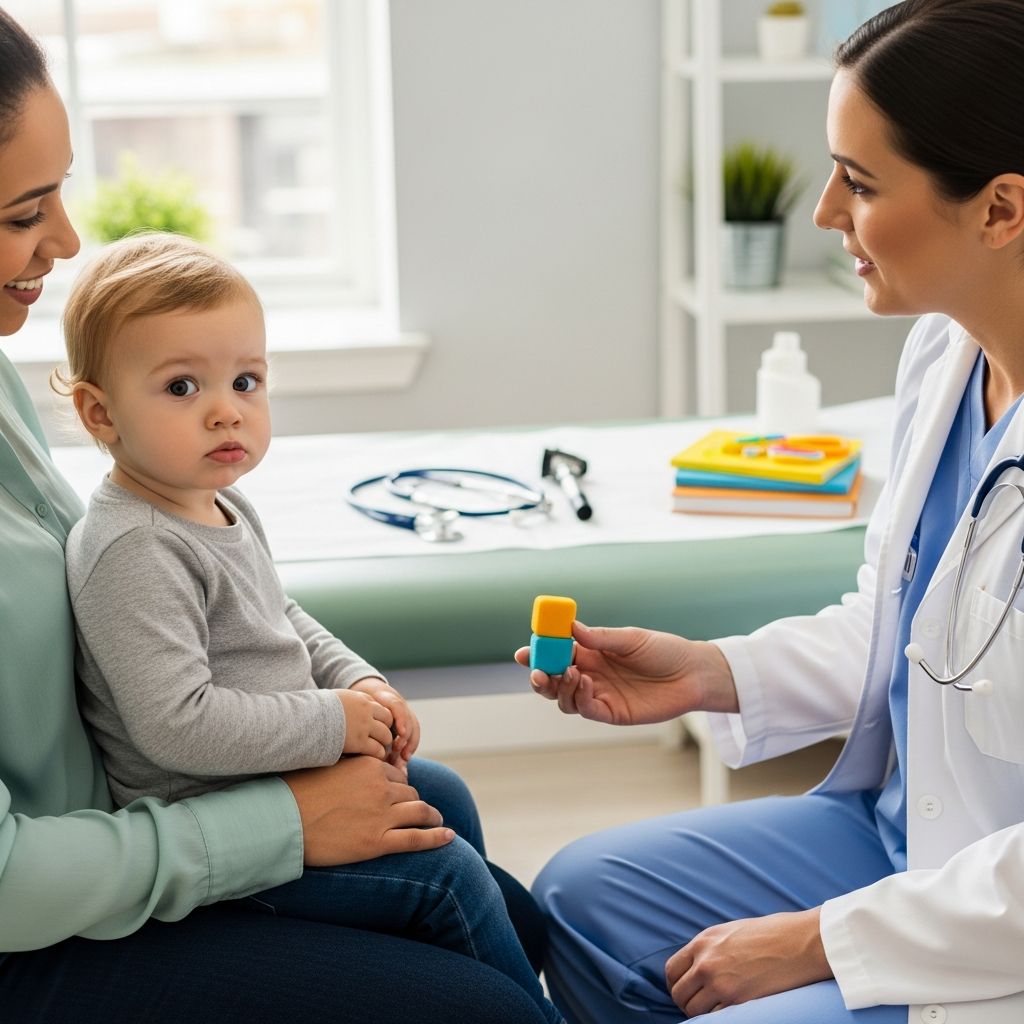
Pediatric orthopedic visits are designed to be family-centered and child-friendly. Understanding what to expect can ease anxiety for both parents and kids.
History and Physical Examination
- The doctor asks about symptoms, previous injuries, birth history, medical conditions, and family history of skeletal problems.
- They observe how the child sits, stands, walks, and moves the affected body part.
- They may gently test range of motion, strength, reflexes, and alignment.
Imaging and Other Tests
Depending on the issue, the specialist may order additional tests:
- X-rays: Show bone alignment, fractures, and some growth plate problems.
- MRI or CT scans: Provide detailed views of soft tissues, cartilage, and complex bone structures.
- Ultrasound: Often used in babies, especially for hip evaluations, because it avoids radiation.
- Blood tests: May be used when infection, inflammation, or metabolic bone disease is suspected.
Discussing the Diagnosis and Plan
After evaluation, the pediatric orthopedist explains the diagnosis in terms that families and children can understand and outlines treatment options, including benefits, risks, and expected outcomes.
Treatment Options: From Casts to Surgery
Most pediatric orthopedic conditions can be managed with non-surgical treatments. Surgery is reserved for problems that cannot be corrected or safely managed in other ways.
Non-Surgical Treatments
- Casts and splints: Protect broken bones while they heal and keep joints stable after some injuries or surgeries.
- Braces and orthotics: Used for scoliosis, limb alignment problems, or foot deformities to guide growth and support function.
- Physical and occupational therapy: Help restore strength, flexibility, coordination, and daily function after injuries or in chronic conditions.
- Medications: Pain relievers, anti-inflammatory medicines, and antibiotics (for infections) are sometimes needed.
- Activity modification: Adjusting sports or play activities while healing to prevent re-injury.
Surgical Care in Children
Pediatric orthopedic surgeons receive extra training in operating on growing bones, joints, and muscles. They consider how surgery will affect both current function and future growth.
- Aligning and stabilizing broken bones with pins, plates, or rods
- Correcting severe deformities of the spine, hips, legs, feet, or arms
- Addressing limb length differences by slowing or stimulating growth in specific bones
- Releasing tight muscles or tendons in neuromuscular conditions
- Removing tumors or draining infections in bone or joint spaces
The Pediatric Orthopedic Team
Care for children with musculoskeletal problems is often delivered by a coordinated team.
- Pediatric orthopedic surgeon: Leads diagnosis and treatment planning; performs surgery when indicated.
- Pediatrician or family doctor: Identifies concerns early, coordinates referrals, and manages overall health.
- Physical and occupational therapists: Guide rehabilitation and support functional independence.
- Sports medicine specialists: Help active children and teens return safely to their activities.
- Orthotists and prosthetists: Design braces, splints, and artificial limbs tailored to growing bodies.
- Nurses and child life specialists: Assist with education, comfort, and coping strategies for kids and families.
How Parents Can Support Their Child’s Orthopedic Health
Parents and caregivers play a central role in both prevention and recovery. Simple daily habits and careful follow-up can make a significant difference in outcomes.
At-Home Support During Treatment
- Follow instructions about cast or brace care to avoid skin problems or damage to the device.
- Encourage any prescribed exercises or therapy activities, turning them into part of daily routine.
- Watch for signs of complications such as severe pain, numbness, fever, or changes in skin color, and contact the care team promptly.
- Help your child stay involved in school and social activities as much as safely possible.
Reducing the Risk of Injuries
Not all accidents can be prevented, but some strategies can lower the risk of serious orthopedic injuries:
- Use age-appropriate safety gear (helmets, pads, proper footwear) for sports and recreational activities.
- Ensure playgrounds have soft surfaces and are well-maintained.
- Encourage cross-training and rest days to prevent overuse injuries in young athletes.
- Promote good nutrition and adequate calcium and vitamin D intake to support bone health.
Frequently Asked Questions (FAQs)
What age range do pediatric orthopedic specialists treat?
Most pediatric orthopedic practices care for children from birth through the late teen years. Some centers may continue to follow young adults with conditions that began in childhood.
Does seeing a pediatric orthopedist mean my child will need surgery?
No. Many children are treated with observation, casting, bracing, therapy, or activity changes. Surgery is only recommended when these options are not enough to protect function or correct a problem safely.
How should I prepare my child for their first visit?
Explain in simple terms that the doctor helps kids with their bones and muscles, and that the visit may include questions, gentle movement tests, and pictures like X-rays. Bringing comfort items and a list of questions can help both you and your child feel more at ease.
Will my child need long-term follow-up?
Some conditions, such as scoliosis or limb length differences, require periodic checkups during growth, while others, like simple fractures, may only need a few visits. Your child’s specialist will outline an individualized follow-up schedule.
Can my child still play sports after an orthopedic problem?
In many cases, yes. After healing and rehabilitation, most children can safely return to sports with guidance from their orthopedic team and therapists. The timing and level of activity depend on the specific injury or condition and your child’s progress.
References
- What Is a Pediatric Orthopaedic Surgeon? — American Academy of Orthopaedic Surgeons (AAOS). 2021-08-01. https://orthoinfo.aaos.org/en/treatment/what-is-a-pediatric-orthopaedic-surgeon/
- Pediatric Orthopedics Explained: From Basics to Advanced Care — Ventura Orthopedics. 2023-05-10. https://venturaortho.com/what-is-pediatric-orthopedics/
- What Is Pediatric Orthopedics? — WebMD. 2022-06-15. https://www.webmd.com/a-to-z-guides/what-is-pediatric-orthopedics
- Pediatric Orthopedic Surgery | Treatment and Services — MedStar Health. 2022-11-01. https://www.medstarhealth.org/services/pediatric-orthopedic-surgery
- Pediatric Orthopaedics — UC Davis Health. 2023-06-08. https://health.ucdavis.edu/conditions/pediatric-orthopaedics