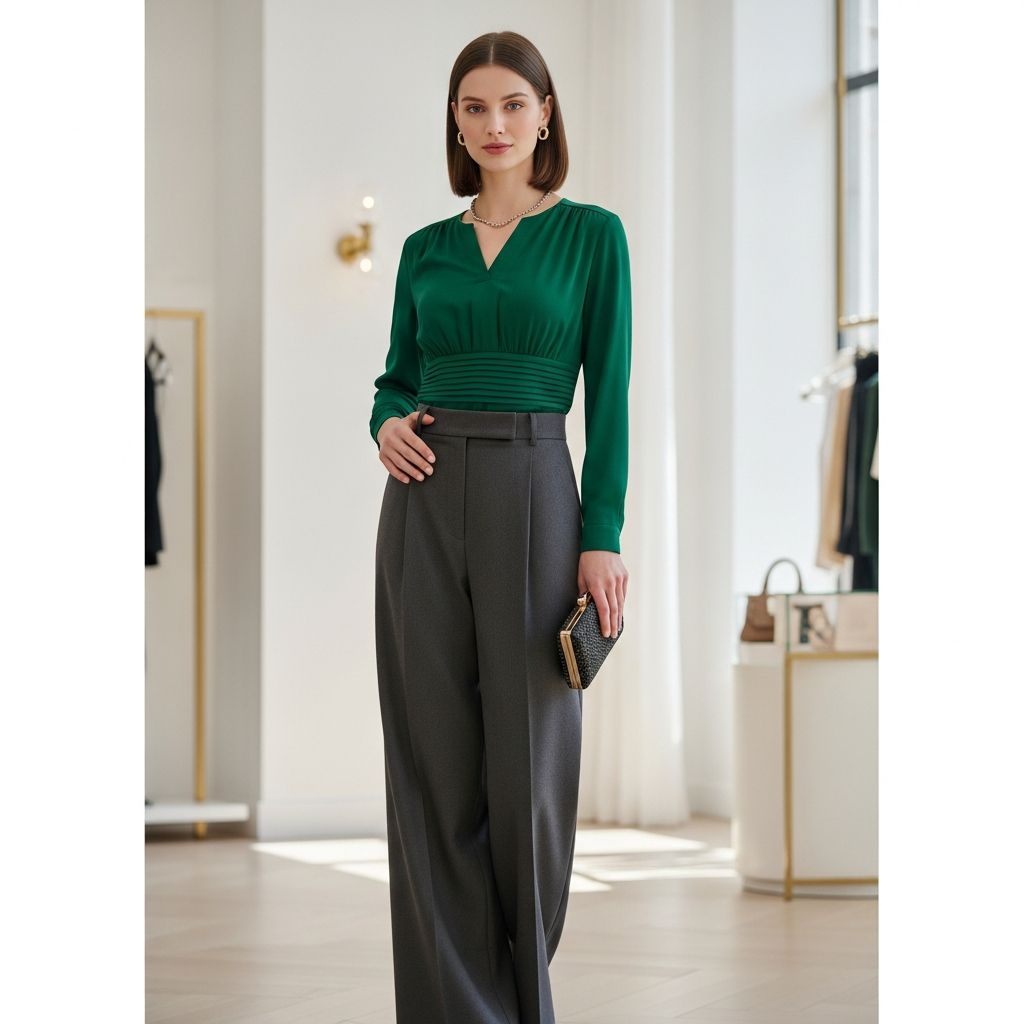
Having a long torso can make shopping for tops feel like a never-ending game of tug-of-war with your hemline. You pull a cute tee off the rack, try it on, raise your arms once, and suddenly your midsection is on full display. Add pregnancy or postpartum changes into the mix, and that too-short top goes from mildly annoying to a hard no. This guide walks through how to find long-waisted tops that actually fit, flatter your shape, and work with your real life.
Understanding Long Torsos and Fit Challenges
Before clicking “add to cart,” it helps to understand why standard tops miss the mark on a long torso. Ready-to-wear clothes are usually designed around an average torso length and average rise, which means anyone taller, longer in the waist, or with a more pronounced midsection ends up fighting the cut. The result is tops that technically “fit” in the shoulders and bust but ride up, cling in the wrong places, or expose skin at the waistband.
Long-waisted people often notice a few repeat offenders when trying on tops:
- Hems that hit at the widest part of the belly instead of past it.
- Tops that look fine when standing still but creep up when sitting or lifting the arms.
- Styles that emphasize the midsection instead of skimming over it.
Why Long-Waisted Tops Matter in Pregnancy and Postpartum
Even if you never thought much about torso length before, pregnancy and postpartum make it impossible to ignore. As the belly grows, standard-length shirts migrate upward, leaving a gap between top and waistband. After giving birth, many people want tops that feel secure enough to cover the midsection while still being soft and flexible.
Long-waisted tops are especially helpful for:
- Early pregnancy, when you want to hide or gently smooth a small bump without full-on maternity clothes.
- Late pregnancy, when you need extra length over maternity panels or under-the-bump waistbands.
- Postpartum days, when your shape is changing and you want coverage without constrictive fabrics.
Key Elements of a Great Long-Waisted Top
Not every “long” top will actually work on a long torso. Pay attention to several design details when you shop. A little pre-planning can save you from constantly tugging your shirt down or layering tank tops just for coverage.
Use this checklist as you compare options online or in store:
- Overall length from shoulder to hem.
- Hem shape (straight, curved, split, or high-low).
- Fabric weight and stretch.
- Cut around the midsection and hips.
- Neckline and shoulder fit.
Recommended Lengths for Long Torsos
Exact measurements vary by height, but as a general guide, many long-waisted people prefer tops that fall at least a few inches below the high hip. When in doubt, look for the length measurement in the product description. If it is not listed, compare photos of the garment on a model and note where the hem falls relative to the rise of the pants.
| Style | Suggested Hem Placement | Notes for Long Torsos |
|---|---|---|
| Basic t-shirt | 1–3 inches below the waistband | Prevents midriff exposure when you raise your arms. |
| Layering tank | Covering the full hip or longer | Ideal for wearing under shorter tops or open cardigans. |
| Tunic | Mid-thigh or slightly above | Pairs well with leggings or skinny jeans for full coverage. |
| Button-down shirt | At or slightly below the bottom of the zipper fly | Gives a clean line when worn untucked over pants. |
Fabrics and Cuts That Work Best
The wrong fabric or cut can make even a long top feel unflattering. Look for materials and shapes that glide over curves instead of grabbing onto them. You want movement and flow without losing all definition.
- Stretch cotton and cotton blends: Soft, breathable, and forgiving over a changing midsection.
- Modal and rayon blends: Drapey fabrics that skim over bumps and create a smoother line.
- Substantial knits: Slightly thicker knits hold their shape, so they do not cling to every fold or seam underneath.
- Gentle A-line or straight cuts: These allow room at the waist and hip without making you look boxy.
Smart Shopping Strategies for Long-Waisted Tops
Instead of relying on vague labels like “long” or “tall,” go into shopping with a strategy. Whether you prefer big-box stores, online boutiques, or secondhand treasure hunts, the same principles apply. Focus less on brand hype and more on garment details.
- Check the size chart and garment length before you buy.
- Scan product photos to see where the hem hits on different models.
- Search filters like “tall,” “longline,” or “tunic” for extra coverage.
- Read reviews from customers who mention being tall or long-waisted.
Affordable Places to Look (Without Naming Names)
You do not have to pay designer prices to get long-waisted coverage. Many mainstream retailers quietly stock tops that run longer in the body, even if they are not labeled as specialty items. When you walk into a typical casualwear or basics store, head straight for the sections that tend to have more length and layering potential.
Examples of sections where longer tops hide in plain sight:
- Basics and layering aisles (think plain tees, tanks, and camisoles).
- Activewear and yoga tops, which often run longer for coverage during movement.
- Loungewear or sleepwear tops, which sometimes double as comfy long tees.
- Men’s or unisex departments, where cuts are often longer and straighter.
Online Shopping Tips for Long-Waisted Tops
Online shopping can be your best friend if you measure carefully and read closely. Instead of guessing based on a model photo, use a tape measure and compare to the garment description. Over time, you will learn which brands consistently run long and which ones are better avoided.
When buying long-waisted tops online:
- Keep your favorite top’s length handy and compare it to new options.
- Save searches that include terms like “longline,” “tunic,” and “extra length.”
- Order multiple sizes of the same style if returns are free, then keep the one that truly covers.
Layering Tricks to Extend Shorter Tops
Even with smart shopping, you may still own tops that feel just a bit too short. Instead of tossing them, use layering to make them work. A long base layer under a shorter top can add coverage, visual interest, and extra warmth in cooler weather.
Easy layering strategies:
- Wear a long, fitted tank or cami under a slightly short tee, letting an inch or two peek out.
- Layer open cardigans, kimonos, or dusters over fitted tees for vertical lines and coverage.
- Use high-rise leggings or jeans with shorter tops so the waistband meets the hem more comfortably.
Flattering Outfit Formulas for Long Torsos
Once you have a few reliable long-waisted tops, build easy outfit “formulas” you can repeat. This is especially helpful during pregnancy or busy postpartum seasons, when decision fatigue is real. Rotating a small set of silhouettes keeps you comfortable and pulled-together with minimal effort.
- Everyday casual: Long cotton tee + high-rise jeans + sneakers.
- Work-friendly: Longer blouse + slim pants + low heels or flats.
- Leggings-ready: Tunic sweater + thick leggings + ankle boots.
- Weekend relaxed: Oversized longline top + soft joggers + slides.
Special Considerations During Pregnancy
Pregnancy adds a shifting timeline to your clothing choices. Tops that feel perfect in the first trimester may feel comically short by the third. Prioritize flexibility by choosing pieces that adapt across several months instead of single-use items.
Look for features like:
- Extra stretch in the belly area.
- Side ruching that allows fabric to expand as you grow.
- Empire or high-waist seams that sit above the bump instead of cutting across it.
- Necklines and openings that might work for nursing later, if that is part of your plan.
Postpartum and Beyond: Rewearing Your Long Tops
One of the best parts about long-waisted tops is their versatility. Pieces you buy during pregnancy can often transition into postpartum and daily life, especially if they are not overtly “maternity” in style. Prioritize quality and comfort, and you will reach for them long after the baby days are over.
To get the most from your wardrobe:
- Keep a small stash of neutral long tops that go with everything.
- Refresh your look with accessories—statement earrings, scarves, or interesting shoes—rather than constantly replacing tops.
- Consider occasional tailoring if you love a piece but want it slightly more fitted after your body changes.
Caring for Long-Waisted Tops So They Stay Long
A perfectly long top that shrinks in the wash is a heartbreak in slow motion. To keep your tops at the length you love, pay attention to fabric care labels and default to gentler cycles when possible. Small changes in your laundry routine can significantly extend garment life and length.
Care tips to reduce shrinking and distortion:
- Wash in cold water and avoid high-heat drying when possible.
- Lay flat or hang to dry to prevent fabric from bunching or twisting.
- Store knits folded instead of hanging to avoid stretching at the shoulders.
Quick Reference: What to Look For
When you are short on time and standing in a fitting room (or scrolling through product photos at midnight), use this quick checklist to decide whether a top is worth it. A good long-waisted top should do more than simply “not ride up”—it should make you feel covered, comfortable, and confident.
| Feature | Ideal for Long Torsos | Why It Helps |
|---|---|---|
| Hem length | Below waistband, not at it | Reduces accidental midriff exposure. |
| Fabric | Soft knit with stretch but some weight | Skims instead of clings, adapts to movement. |
| Cut | Straight, slightly A-line, or gently ruched | Offers room for the midsection without boxiness. |
| Neckline | Balanced with shoulder fit | Keeps the top in place and improves overall proportions. |
| Versatility | Works with jeans, leggings, and under layers | Maximizes wear during pregnancy and beyond. |
FAQs About Long-Waisted Tops
How do I know if I am long-waisted?
A quick way is to compare the distance from your underbust to your natural waist and from your waist to your hip. If that area feels visually longer than average, or if most standard tops seem short on you while sleeves fit fine, you likely have a longer torso.
Should I always buy tall sizes?
Not necessarily. Tall sizing can help, but many regular sizes have enough extra length, especially in tunic, longline, or activewear styles. Focus on specific measurements rather than labels alone.
Can I wear cropped tops if I have a long torso?
You can absolutely wear cropped tops if you enjoy them, as long as the styling is intentional. Pair them with high-rise bottoms or a long base layer underneath so you control where and how much skin shows.
What tops are best if I want to disguise my midsection?
Look for slightly structured knits, gentle A-line cuts, and tops with strategic details like ruching or draped fronts. Avoid very thin, clingy fabrics that highlight every curve.
How many long-waisted tops do I really need during pregnancy?
A small, flexible capsule works well: a couple of long tees, one or two tunics, a longer blouse for dressier occasions, and at least one reliable layering tank. Choosing neutral colors makes it easy to mix and match with the rest of your wardrobe.
Final Thoughts
Long-waisted tops are not a luxury for people with long torsos—they are a basic tool for feeling comfortable and covered in everyday life. With a little attention to length, fabric, and cut, it is entirely possible to build a wardrobe where you can lift your arms, chase a toddler, sit down, and go about your day without constantly tugging your shirt back into place.
Whether you are pregnant, postpartum, or simply someone whose torso does not fit the industry “average,” the right tops can make getting dressed feel easier, not harder. Focus on pieces that work now, can adapt to future body changes, and make you feel like yourself every time you put them on.