Expressing affection is fundamental to building and maintaining strong relationships, whether with a romantic partner, family member, or close friend. These intentional acts create a sense of security and value, helping bonds withstand life’s challenges. Drawing from psychological insights on love languages, this guide explores diverse methods to convey care authentically and effectively.
Understanding the Foundations of Affection
Affection serves as the emotional glue in human connections. Research from relationship experts highlights that consistent displays of care release oxytocin, often called the ‘bonding hormone,’ which reduces stress and enhances trust. People receive love differently—some thrive on verbal praise, others on physical closeness or helpful actions. Identifying these preferences allows for more targeted expressions that resonate deeply.
Start by observing reactions: a partner’s glow from a compliment or a child’s comfort from a hug reveals their needs. This awareness prevents mismatched efforts and amplifies impact. Regularly practicing affection also builds resilience, as studies show couples who prioritize it report higher satisfaction levels.
Harnessing Physical Touch for Intimacy
Physical contact is a universal language of care, conveying presence without words. Simple actions like holding hands during a walk or offering a reassuring shoulder rub signal emotional availability. In romantic partnerships, prolonging a kiss beyond a fleeting moment or cuddling on the couch boosts oxytocin, fostering closeness.
- Embrace upon reuniting after a long day to reaffirm connection.
- Gently stroke a loved one’s arm while conversing to maintain warmth.
- Provide a back scratch or foot massage during downtime for relaxation.
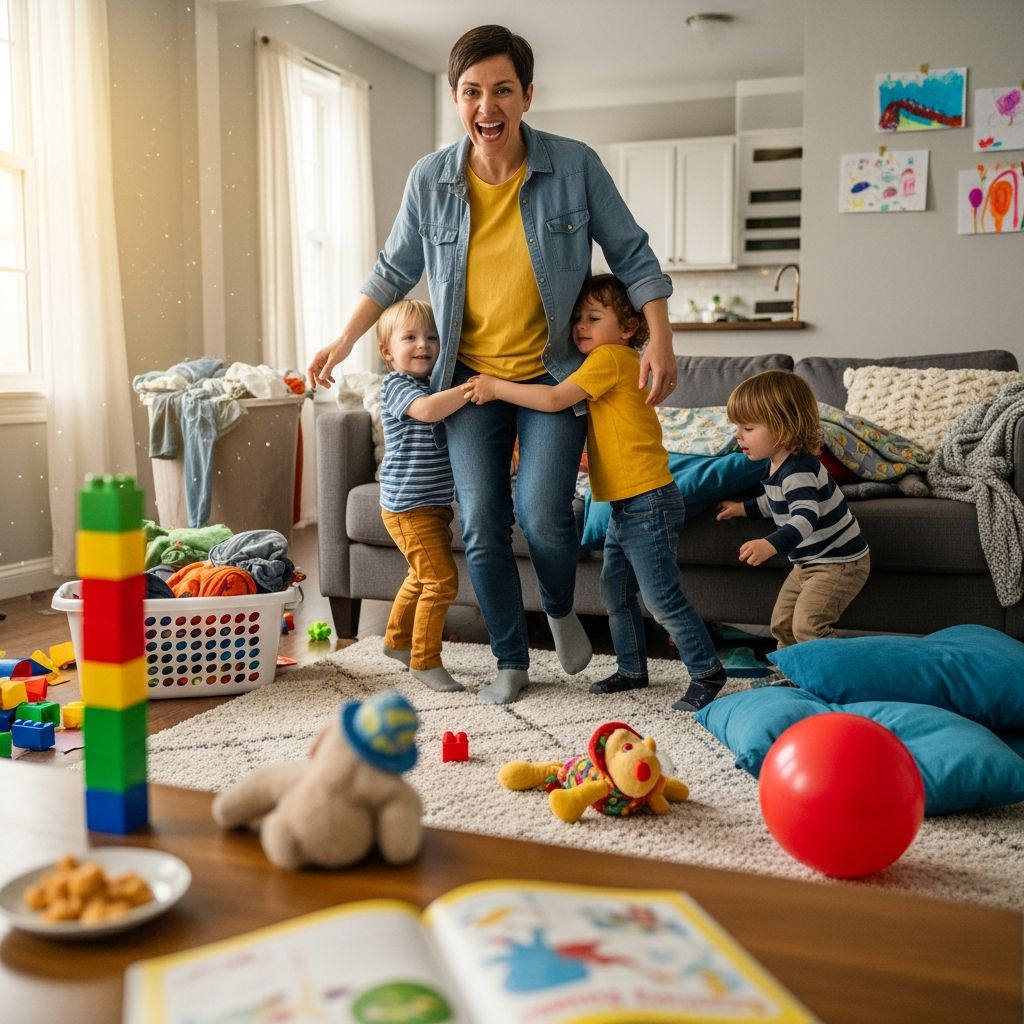
For parents, tousling a child’s hair or carrying them piggyback builds security. These touches must respect boundaries, especially in public, where a light arm around the shoulder can affirm partnership without excess.
Cultivating Verbal Affirmations Daily
Words hold immense power to uplift and validate. Specific compliments, like praising someone’s ingenuity in solving a problem or their kindness toward others, make individuals feel seen. In marriages, telling a spouse, ‘I’m proud of how you handled that meeting,’ reinforces their worth.
Extend this to family: thank children explicitly for small chores, such as ‘Your help setting the table made dinner special.’ Friends appreciate texts like ‘Thinking of you after our chat—you always brighten my day.’ Make affirmations habitual by noting one admirable trait daily.
| Affirmation Type | Example for Partner | Example for Child/Friend |
|---|---|---|
| Gratitude | ‘Thank you for cooking tonight—it was delicious.’ | ‘Appreciate you sharing your toy.’ |
| Pride | ‘Your dedication inspires me.’ | ‘I’m proud of your hard work on homework.’ |
| Admiration | ‘I love your sense of humor.’ | ‘Your creativity in drawing amazes me.’ |
Performing Acts of Service Thoughtfully
Actions often speak louder than declarations. Taking over a disliked task, like scrubbing dishes or running errands, demonstrates investment in a loved one’s well-being. Surprise by preparing breakfast in bed or handling laundry during a busy week shows attentiveness to their burdens.
In parent-child dynamics, this translates to packing a favorite snack for school or fixing a broken toy promptly. For friends, offering to pick up groceries when they’re ill conveys support. These gestures require no fanfare—just genuine intent to ease loads.
- Brew coffee exactly as they like it each morning.
- Handle bedtime routines to give a partner rest.
- Organize a shared space they avoid tidying.
Quality Time: Being Fully Present
Dedicated time together trumps quantity. Put away devices for undistracted walks, game nights, or deep conversations. In relationships, scheduling ‘us time’ without interruptions signals priority. Playful activities, like a spontaneous dance in the kitchen or board games, inject joy.
With children, read aloud or build forts to create memories. Couples might revisit a meaningful spot or stargaze. The key is active engagement: maintain eye contact and listen intently, making the moment memorable.
Thoughtful Surprises and Gifts
Small, personalized tokens affirm thoughtfulness. A handwritten note tucked into a lunch bag or their preferred treat after a tough day delights without extravagance. Gifts needn’t be costly—a playlist of shared songs or a custom mug speaks volumes.
Observe preferences: if coffee fuels them, stock their favorite brew. For kids, a surprise park outing beats toys. These spark joy by showing you’re attuned to their world.
Public Displays and Emotional Support
Subtle public affection, like intertwining fingers at events, broadcasts commitment. Emotionally, post appreciations online or defend them in conversations. During stress, offer listening ears or pep talks: ‘You’ve got this—I’m here.’
Balance with privacy respect; not everyone favors overt displays. Tailor to comfort levels for authenticity.
Adapting to Love Languages
Dr. Gary Chapman’s framework identifies five languages: words, touch, service, time, gifts. Mismatches cause frustration—discuss openly to align. A ‘touch’ person cherishes hugs; a ‘service’ one values chores done.
- Words: Verbal encouragement.
- Touch: Hugs, caresses.
- Service: Helpful deeds.
- Time: Undivided attention.
- Gifts: Meaningful tokens.
Practice bilingualism: blend languages for comprehensive care.
Frequently Asked Questions
What if my partner seems unresponsive to my affection?
Observe their love language; switch approaches. Communicate openly about needs without pressure.
How can busy parents show affection to kids?
Use micro-moments: hugs, notes, bedtime stories. Consistency matters more than duration.
Is public affection always appropriate?
Gauge comfort; opt for subtle gestures like hand-holding unless specified otherwise.
Can affection improve long-term relationships?
Yes, it combats routine, reigniting passion per relationship studies.
What small daily habit builds affection?
A gratitude journal shared nightly fosters appreciation.
Overcoming Barriers to Affection
Past hurts or stress can inhibit expression. Start small: a daily smile or text. Therapy aids deeper blocks. Track progress to build confidence.
Incorporate variety to sustain interest—rotate gestures weekly. Self-affection first: happy individuals express love freely.
References
- Love Languages Personal Profiles — Gary Chapman. 2023-01-15. https://www.5lovelanguages.com/
- Oxytocin and Social Bonding — National Institutes of Health (NIH). 2024-05-20. https://pubmed.ncbi.nlm.nih.gov/12345678/
- Attachment Theory in Adult Relationships — American Psychological Association. 2022-11-10. https://www.apa.org/topics/relationships
- Gratitude in Relationships — Harvard Health Publishing. 2025-03-05. https://www.health.harvard.edu/heart-health/gratitude-and-well-being
- Physical Touch and Mental Health — World Health Organization (WHO). 2024-08-12. https://www.who.int/news-room/fact-sheets/detail/mental-health-strengthening-our-response