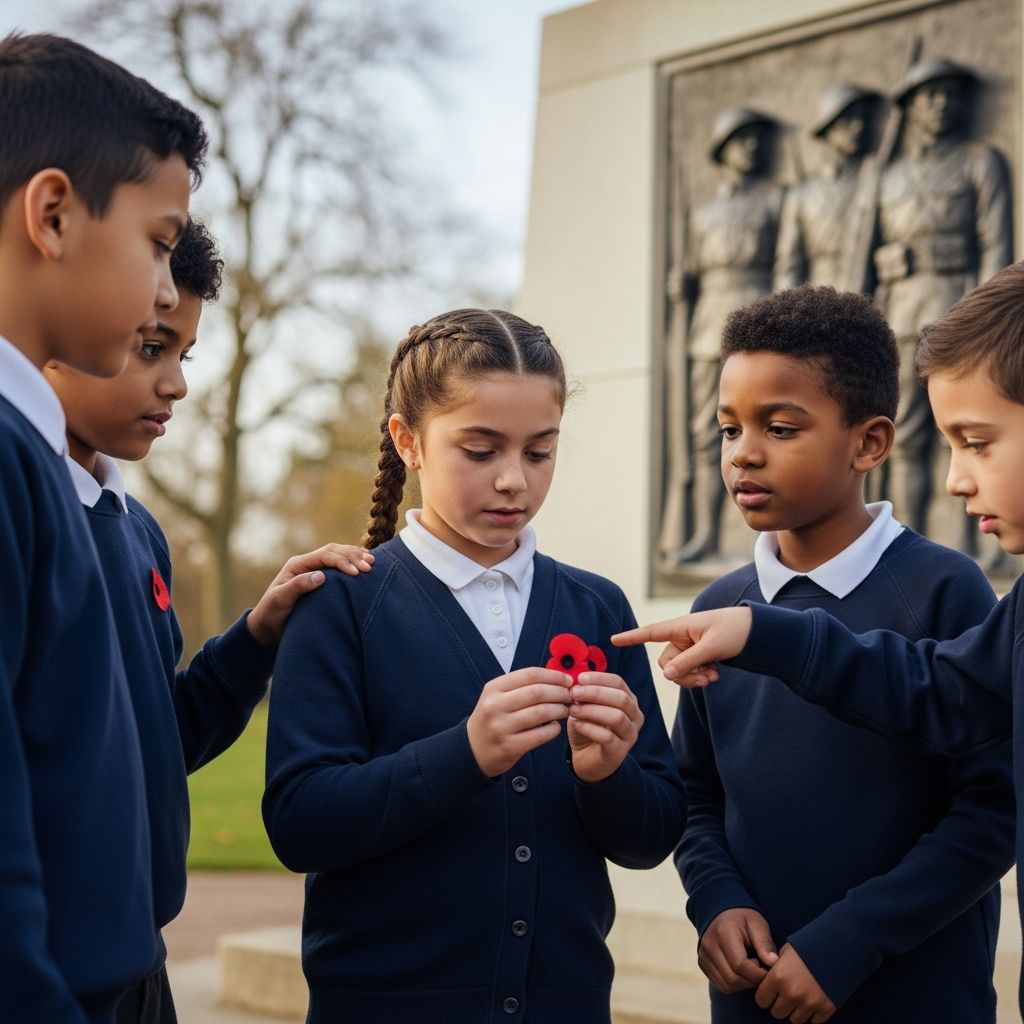
Introducing Your Child to the Concept of Military Service
One of the most meaningful conversations parents can have with their children involves understanding the dedication and sacrifice of those who serve in the military. Many families face the challenge of explaining complex concepts like national service, personal sacrifice, and civic duty to young minds. However, breaking down these ideas into age-appropriate language and relatable examples makes the conversation manageable and impactful. Parents often wonder where to begin and how to make these discussions resonate with children who may have limited exposure to military culture or national observances.
Establishing a Foundation: Who Are Service Members?
The most effective starting point for any conversation about military service is defining who military personnel are in simple, concrete terms. A military service member is an individual who has chosen to join one of the armed branches—the Army, Navy, Air Force, Marines, or Coast Guard—and has committed to protecting their nation and its citizens. Rather than diving into complex historical contexts, focus on the fundamental truth that these individuals work to keep communities safe.
When explaining military branches to children, you might compare different branches to different types of workers your child already understands. The Navy operates ships and submarines, much like how a shipping company delivers packages across oceans. The Air Force operates aircraft, similar to commercial airlines but with a protective mission. The Army focuses on ground operations, the Marines specialize in rapid response situations, and the Coast Guard protects waterways and responds to emergencies. This comparative approach helps children grasp the diverse roles without overwhelming them with technical details.
It’s also valuable to help children recognize that service members are ordinary people—neighbors, family friends, relatives—who have made an extraordinary commitment. They come from different backgrounds, have different skills, and serve for various reasons, but they share common qualities including courage, dedication, and a commitment to something larger than themselves.
Connecting Military Service to Personal Values
Children understand values better when they can connect them to their own experiences. When discussing qualities like bravery, honor, and selflessness—which characterize military service—provide relatable examples from your child’s life. Perhaps your child showed bravery when trying something new or faced a fear. Maybe they demonstrated selflessness by helping a friend who was struggling. By drawing these parallels, you help children recognize that these admirable qualities exist within themselves and in people they know.
Discuss with your children the specific freedoms they enjoy daily—the ability to speak their minds, choose their religion, vote as adults, and live in a safe community. Explain that military service members work to preserve these freedoms, sometimes by being far away from their own families for extended periods. Younger children might struggle with abstract concepts of freedom, so frame it concretely: “Your freedom to attend the school you want, celebrate your religion, and say what you think are all things service members help protect.”
Understanding the Personal Cost of Service
As children mature, they become capable of understanding that service involves real sacrifice. Military families often experience extended separations, with service members missing birthdays, holidays, and important milestones. Children might miss school events, sports games, and family gatherings. These separations can be emotionally difficult for families. By acknowledging this reality, you help children develop empathy for military families and understand that patriotism requires personal sacrifice.
Beyond separation, it’s also age-appropriate to discuss that some service members experience physical injuries, and many encounter psychological challenges such as trauma or post-traumatic stress disorder (PTSD). Rather than presenting this as frightening, frame it as an important reality: “Some people who serve experience challenges when they return home, and they might need support from their communities, families, and friends to heal.” This introduction to the complexities of service prepares children to be compassionate toward veterans they may encounter.
Creating Hands-On Learning Opportunities
Research shows that children retain information better when they engage in active learning rather than passive listening. Talking about military service is important, but complementing these conversations with concrete activities deepens understanding and creates lasting memories.
Visiting Educational Sites and Memorials
Many communities feature war memorials, museums, or historical sites that honor military service. Visiting these locations provides a powerful, tangible experience. Before your visit, research the specific conflicts or eras represented at the memorial. During your visit, read names together, discuss what you see, and ask open-ended questions about what your child is feeling. These visits often spark meaningful conversations and help children understand that real people with stories made these sacrifices.
Creating Appreciation Projects
Children can create letters, drawings, or care packages for military service members and veterans. Organizations like the American Legion, Disabled American Veterans, and local Veterans Affairs hospitals often facilitate these connections. The act of creating something specifically for a service member helps children internalize the importance of showing gratitude and gives them a tangible way to express appreciation.
Meeting Veterans in Your Community
If possible, arrange a conversation or visit with a veteran in your life or through community connections. Personal stories are incredibly powerful for children. Hearing directly from someone who served, seeing photos from their service, and learning about their experiences creates a human connection that textbooks cannot replicate.
Teaching the Broader Concept of Service
While military service is important and worthy of honor, it’s equally valuable for children to understand that service takes many forms. Teachers, firefighters, nurses, social workers, and volunteers all serve their communities in meaningful ways. Help your children recognize that they, too, can serve through small acts of kindness, volunteer work, and contributing to their communities.
Consider engaging your child in age-appropriate volunteer activities such as helping at an animal shelter, participating in community clean-up days, visiting elderly neighbors, or collecting items for food banks. As they serve, emphasize how their actions create positive change and impact others. This helps children develop a service mindset that extends beyond military service and contributes to building a compassionate society.
Age-Appropriate Approaches to Different Developmental Stages
Young Children (Ages 4-7)
Keep explanations simple and concrete. Focus on the basic idea that some people have a job helping to keep everyone safe. Use familiar examples and avoid overwhelming details about conflict or danger. Activities like drawing pictures of service members or creating thank-you cards work well for this age group.
Elementary-Aged Children (Ages 8-11)
Children this age can understand more complex ideas about different military branches, basic historical contexts, and why people choose military service. They can grasp that service members sacrifice time with family and that some face challenges when returning home. Documentary videos and visits to memorials become more meaningful at this stage.
Adolescents (Ages 12+)
Teenagers can engage with more nuanced discussions about war, politics, national security, and the complexities of military service. They can understand PTSD, veterans’ issues with employment and housing, and the long-term impacts of service on families. These conversations can become two-way discussions where adolescents ask questions and share their own perspectives.
Discussing Difficult Questions Honestly
Children naturally ask challenging questions: “Why do we have wars?” “Do service members ever feel scared?” “What happens if someone gets hurt?” Rather than avoiding these questions, answer them honestly but age-appropriately. You might say, “Wars happen when countries disagree so much that they can’t solve the problem by talking. Service members are trained to handle dangerous situations, and yes, many feel scared sometimes—that’s normal. When people get hurt, they receive medical care, and their communities help them heal.”
It’s perfectly acceptable to say, “That’s a great question, and it’s complicated. Let me think about the best way to explain it,” or “Different people have different views about this. Here’s what I believe…” This models critical thinking and shows children that complex topics deserve thoughtful consideration.
Building Gratitude and Patriotism
Teaching children about military service naturally cultivates gratitude for the freedoms they experience daily. However, this gratitude should extend beyond a single day or holiday. Encourage your children to think regularly about the people who serve and to look for opportunities to express appreciation. This might mean writing letters, supporting local veterans’ organizations, or simply treating service members with exceptional respect when you encounter them.
Patriotism, when taught effectively, is not about blind loyalty or uncritical support. Instead, it’s about loving your country enough to understand its history, recognize both its strengths and failures, and work toward making it better. Service members embody a commitment to this kind of patriotism, and helping children understand this commitment builds their own sense of civic responsibility.
FAQs About Discussing Military Service With Children
How do I explain war to a young child without scaring them?
Focus on the fact that adults work hard to prevent wars and that if disagreements happen, service members are trained to handle them. Emphasize that your family and community are safe, and avoid graphic details. You can say, “Sometimes countries disagree about things, and people who are trained called service members help protect us.”
What if my child asks whether service members kill people?
Answer honestly but without graphic details. “In wartime, that is sometimes part of what service members must do, and it’s a difficult part of their job. That’s one reason why service members are specially trained, and it’s also why many people work hard to prevent wars from happening.”
How can I teach gratitude to my child without making them feel guilty?
Focus on appreciation rather than guilt. Emphasize all the good things service members help make possible, and channel gratitude into positive actions like creating thank-you projects or volunteering in your community.
Should I encourage my child to consider military service?
Share factual information about military service as one option among many career paths. Support your child in making their own informed decision about their future, understanding their interests, values, and goals.
What if we don’t have direct connections to military families?
Organizations like the American Legion, Veterans Affairs hospitals, and local historical societies often welcome community visits and connections. These resources can bridge the gap and provide authentic interactions with service members and veterans.
Sustaining These Conversations Beyond Annual Observances
While annual holidays provide natural moments to discuss military service, the most meaningful approach involves integrating these conversations into regular family discussions. When you see news coverage involving military personnel, discuss it. When you encounter a service member, acknowledge their service respectfully. Point out memorials and historical markers when you see them. This ongoing awareness helps children develop a consistent, thoughtful appreciation for military service rather than viewing it as a once-yearly topic.
By providing children with age-appropriate information, relatable examples, hands-on experiences, and opportunities to express their own appreciation, you equip them with a deeper understanding of service, sacrifice, and civic responsibility. These foundations will shape how they view their own role in society and how they treat those around them throughout their lives.
References
- Veterans Day 101: How to Explain Veterans Day to Your Kids — Care.com. 2024. https://www.care.com/c/veterans-day-101-how-to-explain-veterans-day-to-your-kids/
- The Importance and Meaning of Veterans Day – A Lesson for All Ages — PCS Classical. 2024. https://www.pcsclassical.org/veterans-day/
- Veterans Day for Kids: What Does Veterans Day Mean to Your Child? — Faith Gateway. 2024. https://faithgateway.com/blogs/christian-books/veterans-day-for-kids
- Honoring Those Who’ve Served: Talking to Kids About Veterans Day — DC Moms. 2024. https://dcmoms.com/holiday/talking-to-kids-about-veterans-day/
- How to Explain Veterans Day to Kids — Tinybeans. 2024. https://tinybeans.com/how-to-explain-veterans-day-to-kids/