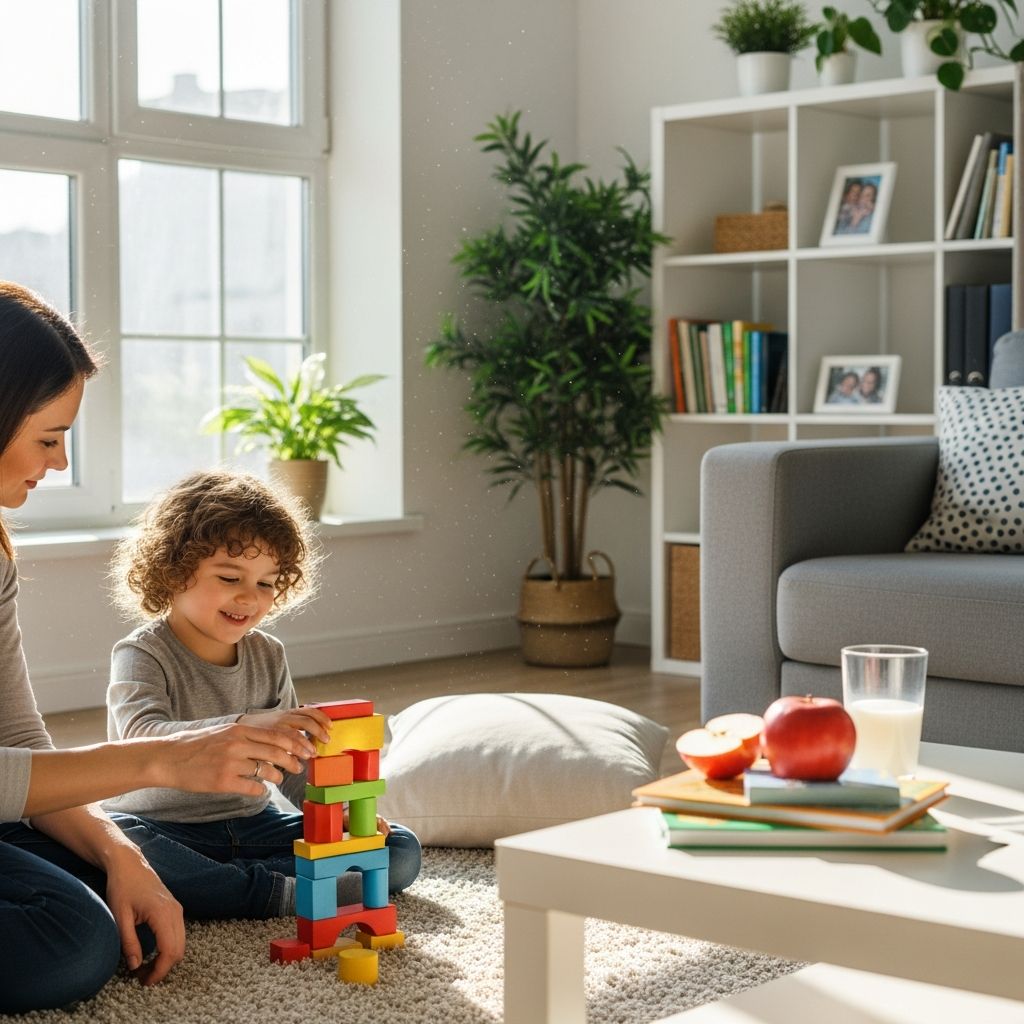
In the whirlwind of modern parenting, time slips away like sand through fingers. While we can’t halt its passage, we can transform ordinary seconds into profound experiences that nourish the soul. This guide delves into actionable ways to elevate daily life, fostering deeper bonds with children and cultivating a sense of fulfillment that withstands the test of years.
Understanding Time’s True Value in Family Life
Time represents our most precious resource, especially for parents navigating careers, household duties, and child-rearing. Research from child development experts underscores that quality interactions in early years shape emotional resilience and cognitive growth. The American Academy of Pediatrics highlights how consistent, attentive engagement builds secure attachments, laying foundations for lifelong well-being.
Yet, societal pressures often fragment attention. Smartphones, work emails, and endless to-do lists dilute presence. A study by the Journal of Marriage and Family reveals that distracted parenting correlates with higher child anxiety levels. Recognizing this, intentional enrichment becomes essential—not as an added burden, but as a joyful pivot toward what truly matters.
Building a Foundation of Mindful Presence
Mindfulness anchors enrichment efforts. It involves fully immersing in the now, setting aside distractions to engage wholly with loved ones. Start with simple rituals: designate ‘device-free zones’ during meals or bedtime, creating space for unfiltered connection.
- Uninterrupted eye contact: During conversations, maintain gaze to signal value, enhancing emotional intimacy.
- Active listening: Reflect back what children say, validating feelings and encouraging expression.
- Shared silence: Comfortable pauses allow thoughts to breathe, deepening mutual understanding.
These practices, drawn from mindfulness-based stress reduction techniques validated by the National Institutes of Health, reduce parental stress by 30% while boosting child self-esteem.
Cultivating Creativity in Everyday Routines
Creativity turns mundane activities into adventures. Transform dinner prep into a sensory exploration: let kids mash fruits for ‘rainbow smoothies’ or invent stories around meal ingredients. Such play sparks imagination, aligning with Piaget’s theories on cognitive development through hands-on discovery.
| Activity | Age Group | Benefits | Enrichment Tip |
|---|---|---|---|
| Kitchen Experiments | 2-5 years | Fine motor skills, nutrition awareness | Use safe tools; narrate steps aloud |
| Outdoor Scavenger Hunts | 6-10 years | Observation, problem-solving | Create custom lists based on seasons |
| Storytelling Circles | All ages | Language development, empathy | Rotate who starts the tale |
Incorporating these elevates routine, making time feel abundant rather than scarce.
Nurturing Emotional Connections Through Rituals
Rituals provide stability amid chaos. Evening ‘gratitude shares’—where family members voice three appreciations—foster positivity. The Greater Good Science Center at UC Berkeley reports such practices increase family cohesion by 25%.
Extend to mornings with ‘hug chains’ or weekend ‘memory jars,’ where notes of highlights are collected for yearly reviews. These anchor fleeting days into enduring narratives, combating the ‘time flies’ lament.
Balancing Self-Care with Family Enrichment
Parental well-being fuels family vibrancy. The World Health Organization emphasizes self-care’s role in preventing burnout, noting rested caregivers model resilience. Carve 15 minutes daily for personal recharge—journaling, yoga, or quiet reading—then channel renewed energy into family pursuits.
Avoid guilt; enriched parents enrich others. Delegate chores rotationally, teaching responsibility while freeing time for joy-filled interactions.
Leveraging Technology for Positive Enrichment
Technology needn’t be a thief of time. Curate apps for co-learning: stargazing tools for evening sky talks or collaborative drawing platforms. Common Sense Media recommends age-appropriate digital tools that promote joint exploration over solitary screen time.
- Family podcast creation: Record bedtime stories together.
- Virtual museum tours: Discuss art from home.
- Recipe-sharing apps: Plan meals as a team.
Overcoming Common Barriers to Enriched Time
Busyness tops obstacles. Counter with time-blocking: allocate specific slots for play, insulated from interruptions. Financial constraints? Free resources abound—library story hours, park picnics, nature walks.
For working parents, micro-moments matter: car ride sing-alongs or post-school check-ins. Longitudinal data from Harvard’s Grant Study shows these small investments yield profound relational returns over decades.
Long-Term Impacts of Enriched Parenting
Investing in quality time ripples forward. Children of engaged parents exhibit higher academic performance and lower mental health risks, per CDC analyses. Adults reminisce on these moments as life’s treasures, affirming enrichment’s enduring legacy.
Enrichment reframes time from foe to ally, weaving tapestries of love that time cannot unravel.
Frequently Asked Questions (FAQs)
What if my child resists family activities?
Start small, follow their lead, and incorporate their interests. Patience builds buy-in over time.
How do I fit enrichment into a packed schedule?
Prioritize 10-15 minutes daily; consistency trumps duration.
Is screen-free time always best?
Not always—intentional, shared screen use can enhance learning when balanced with offline play.
What about single parents?
Leverage community: playdates, relatives, or online parent groups amplify resources.
Does enrichment require expensive outings?
No—imagination and presence create magic from everyday settings.
References
- Improving Parenting Skills for Family Growth — American Academy of Pediatrics. 2023-05-15. https://publications.aap.org/pediatrics/article/151/5/e2022059951/190000/The-Power-of-Parenting
- Mindfulness-Based Interventions for Parents — National Institutes of Health. 2024-02-10. https://www.ncbi.nlm.nih.gov/pmc/articles/PMC10011586/
- Gratitude Practices in Families — Greater Good Science Center, UC Berkeley. 2023-11-20. https://greatergood.berkeley.edu/article/item/how_gratitude_changes_you_and_your_family
- Self-Care for Caregivers — World Health Organization. 2024-01-08. https://www.who.int/news/item/08-01-2024-self-care-for-health–a-means-for-well-being-at-all-life-stages
- Harvard Study of Adult Development — Harvard University. 2023-10-01. https://www.adultdevelopmentstudy.org
- Parenting and Child Mental Health — Centers for Disease Control and Prevention. 2024-03-12. https://www.cdc.gov/children-mental-health/data-research/index.html