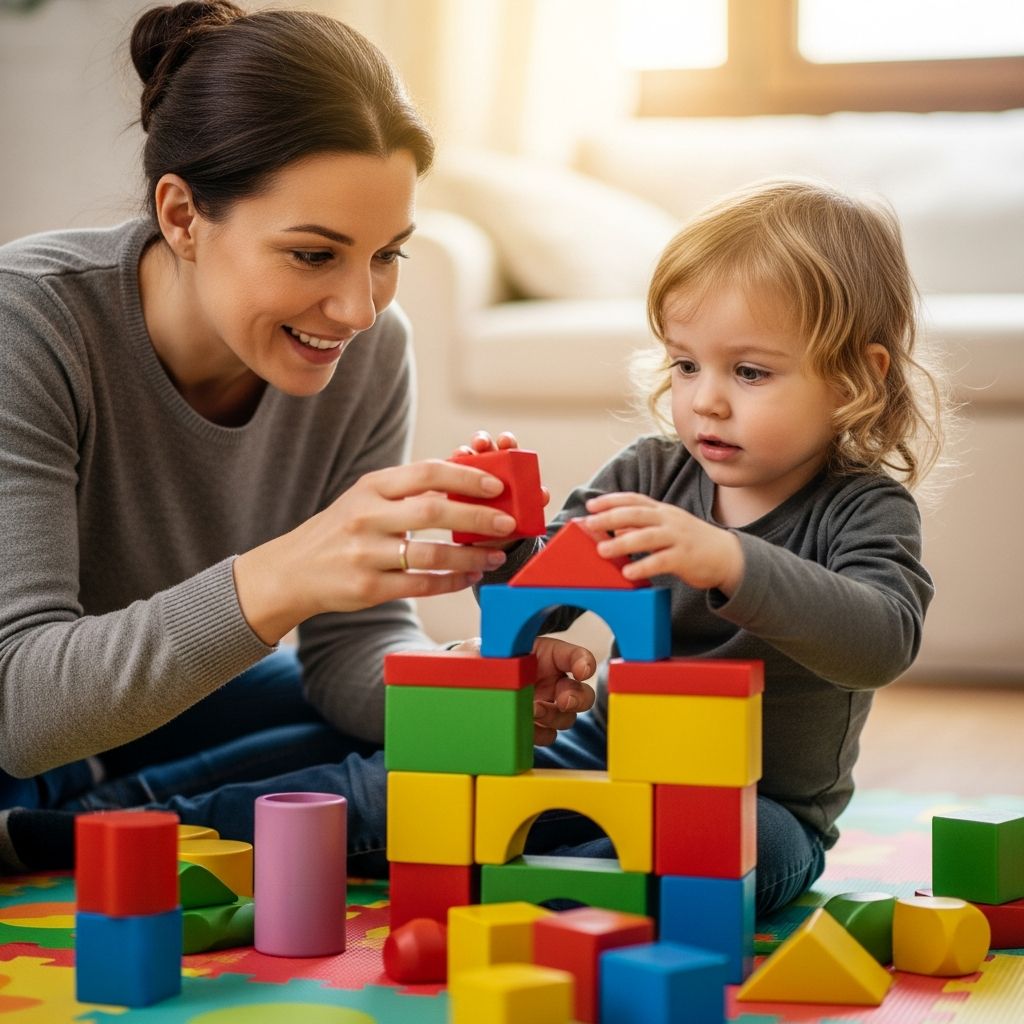
Guiding children toward positive behavior requires intentional strategies rooted in understanding their developmental needs. Parents and caregivers can cultivate environments that promote self-regulation, empathy, and responsibility by focusing on encouragement rather than correction.
Understanding the Foundations of Positive Behavior
Positive child behavior emerges from secure attachments, clear expectations, and opportunities for growth. Research from early childhood experts emphasizes that children who experience consistent warmth and structure are more likely to exhibit cooperative and kind actions. This approach shifts focus from reactive discipline to proactive nurturing, helping kids internalize good habits naturally.
Key principles include building strong relationships, providing predictable environments, and teaching skills for emotional management. These elements create a framework where children feel valued and capable, reducing outbursts and fostering independence.
Cultivating Strong Parent-Child Bonds
A warm, responsive connection is the bedrock of positive behavior. Daily interactions like greeting children by name, listening to their stories, and showing genuine interest build trust. For instance, spending 10-15 minutes of undivided attention playing or reading strengthens emotional security, making children more receptive to guidance.
- Greet each child warmly each morning to affirm their importance.
- Engage in one-on-one conversations about their interests and feelings.
- Celebrate unique traits, such as artwork or skills, to boost self-worth.
These practices, recommended by educational bodies, help children feel they belong, which directly correlates with fewer behavioral challenges.
The Role of Daily Routines in Behavior Stability
Consistent schedules provide children with a sense of security, minimizing anxiety-driven misbehavior. Predictable mealtimes, play periods, and bedtimes signal what’s next, allowing kids to transition smoothly between activities.
Visual aids like schedules or timers enhance this effect, especially for young learners. For example, a picture chart outlining the day prevents frustration during changes, such as cleanup time.
| Time of Day | Activity | Behavior Benefit |
|---|---|---|
| Morning | Breakfast & Dressing | Starts day with calm focus |
| Midday | Structured Play & Learning | Builds concentration and cooperation |
| Afternoon | Snack & Quiet Time | Allows energy reset |
| Evening | Dinner & Bedtime Routine | Promotes relaxation and security |
Incorporating short breaks for active children maintains engagement without overwhelm.
Harnessing Positive Reinforcement Effectively
Praise and rewards amplify desired actions far more than criticism diminishes unwanted ones. Specific, immediate feedback like “Great job sharing your toy—that made your friend happy!” reinforces the behavior precisely.
Use a mix of verbal affirmation, stickers, or privileges sparingly to avoid dependency. Track progress with simple charts where kids add stars for achievements, turning good choices into visible successes.
- Specific praise: Highlight exact actions, e.g., “I love how you used gentle hands.”
- Tangible rewards: Extra storytime for completing chores.
- Social recognition: Share accomplishments during family meals.
This method, supported by behavioral studies, increases repetition of positive actions while building confidence.
Modeling Behavior as a Teaching Tool
Children mirror adults’ actions more than words. Demonstrating patience, kindness, and problem-solving in daily life sets the standard. When parents handle frustration calmly—saying, “I’m feeling upset; let’s take deep breaths together”—kids learn to do the same.
Encourage peer modeling by praising group successes, like “You all worked as a team to build that tower!” This promotes social learning through observation.
Mastering Clear Communication for Better Outcomes
Open dialogue prevents misunderstandings that lead to tantrums. Use positive language: Instead of “Don’t run,” say “Please use walking feet.” Active listening—repeating back what the child says—validates feelings and de-escalates tension.
Teach emotional vocabulary: “Are you feeling frustrated because the puzzle is hard? Let’s try together.” This empowers kids to articulate needs, reducing acting out.
Empowering Kids with Problem-Solving Abilities
Guide children to resolve conflicts independently by brainstorming options. Role-play scenarios like sharing toys: “What could you say to ask for a turn?” Start with two choices, then expand as they mature.
Simple rules like “Kind hands, kind words” provide guardrails. Practice during calm moments so skills transfer to heated ones.
Designing Environments That Encourage Good Habits
A supportive setting minimizes triggers. Arrange spaces for easy access to toys, reducing grabbing. Include diverse materials reflecting family cultures to foster inclusivity.
Schedule ample playtime—about one-third of the day—for self-directed exploration, which hones social-emotional skills naturally.
Partnering with Families and Communities
Consistent strategies across home and school amplify results. Share newsletters or apps highlighting weekly focuses, like “kindness week.” Discuss home routines with caregivers to align approaches.
For challenges, collaborate on plans: “What calms your child at home? We can try that here.” This unified front reinforces positive patterns.
Frequently Asked Questions (FAQs)
What if positive strategies don’t work immediately?
Behavior change takes time—weeks or months. Track small wins and adjust based on your child’s age and temperament. Patience combined with consistency yields results.
How much praise is too much?
Focus on genuine, specific praise 5-10 times daily, prioritizing effort over innate traits to build a growth mindset.
Can routines help children with special needs?
Yes, visual schedules and predictable breaks are particularly effective for neurodiverse kids, aiding transitions and self-regulation.
What’s the best age to start these techniques?
From infancy, but adapt to developmental stages—simple praise for toddlers, complex problem-solving for school-age kids.
How do I handle public meltdowns?
Stay calm, use empathy (“I see you’re upset”), and guide to a quiet spot. Follow up later to problem-solve together.
Overcoming Common Challenges
Sibling rivalry? Facilitate turn-taking games. Screen time battles? Set tech-free zones with engaging alternatives. Tailor strategies to root causes, like hunger or tiredness, for sustainable change.
Monitor for underlying issues; consult pediatricians if persistent.
References
- Practical Strategies for Nurturing Positive Child Behavior — Child Development Institute. 2023. https://childdevelopmentinfo.com/behavior/practical-strategies-for-nurturing-positive-child-behavior/
- Supporting Childhood Behavior: Early Strategies for Success — Behavioral Health News. 2024-05-15. https://behavioralhealthnews.org/supporting-childhood-behavior-early-strategies-for-success/
- Promoting Positive Behavior in Children — The Goddard School. 2023-08-20. https://www.goddardschool.com/blog/promoting-positive-behavior-in-children
- Six Steps to Building Learner-Centered Environments That Foster Positive Behavior in Prekindergarten — New York State Education Department. 2022-09-01. https://www.nysed.gov/sites/default/files/programs/early-learning/six-steps-to-building-learner-centered-environments-that-foster-positive-behavior-in-prekindergarten.pdf
- Encouraging Positive Child Behaviour: Tips — Raising Children Network. 2024. https://raisingchildren.net.au/toddlers/behaviour/encouraging-good-behaviour/good-behaviour-tips
- Guide Children’s Behavior — National Association for the Education of Young Children (NAEYC). 2023-11-10. https://www.naeyc.org/sites/default/files/globally-shared/downloads/PDFs/resources/pubs/pi2e-guide-childrens-behavior.pdf