Understanding Self-Directed Play as a Developmental Milestone
Many parents find themselves in a constant cycle of entertaining their children, providing activities, managing screens, and feeling guilty when they need a break. The challenge becomes more pronounced when children seem unable or unwilling to engage in play without adult involvement. However, this scenario reflects a learnable skill rather than an inherent limitation. Independent play is a developed capability that children acquire gradually through practice, patience, and intentional environmental design.
When children engage in self-directed play, they are simultaneously developing critical cognitive, emotional, and social competencies. The experience of directing their own activities, making decisions about how to spend their time, and resolving challenges independently builds neural pathways associated with executive function, resilience, and self-efficacy. Understanding this connection helps parents shift their perspective from viewing solo play as merely a respite for caregivers to recognizing it as one of the most valuable learning opportunities available to developing minds.
The Cognitive and Emotional Benefits of Playing Alone
Research and developmental psychology emphasize that children who regularly engage in independent play develop stronger creative capacities than their peers who rely on constant adult-directed activities. When a child must generate their own entertainment ideas, they exercise the neural systems responsible for imagination, divergent thinking, and innovation. This differs fundamentally from consuming entertainment or following adult-directed instructions.
Beyond creativity, independent play cultivates problem-solving abilities that transfer across multiple life domains. A child working through a puzzle alone, building with blocks, or constructing an imaginary narrative must troubleshoot obstacles without immediate parental intervention. These moments, while sometimes frustrating, establish neural patterns for persistence and adaptive thinking.
Perhaps most significantly, self-directed play strengthens a child’s emerging sense of identity and competence. By exploring activities of their own choosing and discovering what activities engage them, children develop knowledge about their preferences, strengths, and interests. This internal reference point becomes increasingly important during childhood and adolescence as they navigate peer relationships and educational choices. The confidence gained through autonomous play—”I can figure this out,” “I’m good at this,” “I enjoy this activity”—creates a foundation for healthy self-esteem not dependent on external validation.
Preparing the Physical Environment for Success
Before introducing independent play strategies, parents must establish a physical environment that genuinely supports uninterrupted engagement. This requires more intentional design than simply leaving toys available. The play space should be childproofed to a degree that allows genuine freedom without constant parental monitoring. When caregivers must hover, watching for head bumps, electrical hazards, or choking risks, they inevitably interrupt play with corrections and warnings. This interruption prevents children from achieving the deep focus state sometimes called “flow,” where learning accelerates and engagement deepens.
The toy selection within this space dramatically influences whether children can sustain independent play. This principle contradicts conventional wisdom about toy abundance. Research and practitioner observations consistently show that fewer toys, carefully chosen, result in longer play sessions than extensive toy collections. When faced with too many options, children experience decision paralysis and spend more time transitioning between items than engaging deeply with any single activity.
The toys themselves should possess certain characteristics that facilitate independent engagement:
- Open-ended materials: Blocks, building systems, art supplies, and sensory items that can be used in infinite ways rather than toys with predetermined outcomes
- Age-appropriate challenge: Items slightly below current mastery level to prevent frustration that drives children back to parental assistance
- Accessible organization: Toys stored at child height in clear containers or open baskets so children can independently access and return items
- Minimal rotation: Keeping the same toys available allows children to develop deeper engagement and creative complexity rather than constantly seeking novelty
Creating a separate, defined play space—even if just visually separated by a low partition—helps children feel a sense of autonomy and freedom. This physical boundary psychologically signals that this space belongs to them and is where their ideas matter.
Building Play Capacity Gradually Through Structured Practice
Parents sometimes underestimate how explicitly they must teach independent play. Many children have experienced so much structured activity and adult-led entertainment that sustained solo play feels unfamiliar and uncomfortable. Starting with very short intervals and gradually extending them prevents overwhelming the child while building their capacity.
One practical approach involves using a timer as both a tool and boundary-setter. Rather than vague instructions like “go play,” a parent might say, “I’m setting a timer for 20 minutes. During this time, you’ll need to find activities to do on your own, and then we can spend time together afterward.” For younger children, this explicit structure provides reassurance that alone time is temporary and connection will resume. As children internalize the capability, responsibility can shift to them—asking them to set their own timer and manage the time independently.
The tone surrounding this practice matters significantly. Framing independent play as a privilege rather than punishment, and as an opportunity for the child’s own interests rather than as a break for the parent, influences how children perceive these experiences. When a child detects that independent play exists primarily to relieve parental stress, resentment may develop. However, when presented as a special time for their own ideas and interests, children often embrace it.
Establishing Secure Attachment Within Independent Play
A counterintuitive but essential principle for developing independent play is ensuring the child experiences abundant, high-quality connected time beforehand. Children who feel securely attached to their caregivers and receive regular periods of undivided attention are more capable of comfortable solitude. This occurs because their emotional cup is full; they’ve experienced sufficient connection and validation that they can tolerate separation and self-direction.
The specific type of connection matters. Children benefit most from parents who sit in their play space with genuine interest and minimal distractions, observing and appreciating their play without directing it. This might look like a parent on the floor while the child builds, occasionally commenting on what the child has created (“I notice you’ve made a tall tower”) without suggesting improvements or redirecting the play. Such responsive observation communicates powerfully: “Your ideas are valuable, your choices matter, and you are worthy of my attention.”
Once children have experienced this validating presence regularly, they internalize the experience. They begin to direct play as if that attentive parent remains present—playing for an internal audience that has learned to trust their choices. Paradoxically, abundant connected playtime together is what enables comfortable independent play.
Strategic Motivation Techniques for Resistant Players
Despite optimal environmental setup and secure attachment, some children still resist independent play, particularly those accustomed to constant entertainment or stimulation. In these situations, several techniques can motivate engagement without resorting to screens or excessive parental involvement.
One approach involves offering choices between less appealing alternatives and independent play, making solo play the obviously preferable option. A parent might say, “You can help me fold this laundry and organize these dishes, or you can go outside to play without interrupting me for the next hour. Which sounds better?” This technique, while somewhat manipulative, works because children naturally prefer autonomous play to chores. Importantly, it doesn’t deceive—both options are genuinely available.
Another strategy involves establishing specific, familiar destinations and activities that children can access independently. When a parent has previously visited the library, park, or trail with the child and established safety protocols, suggesting the child “go to the library today and pick out three books you’re interested in” suddenly seems feasible. Children are more willing to attempt independent activities when they’ve been prepared through prior experience and explicit instruction.
The Transformative Role of Mixed-Age Play Communities
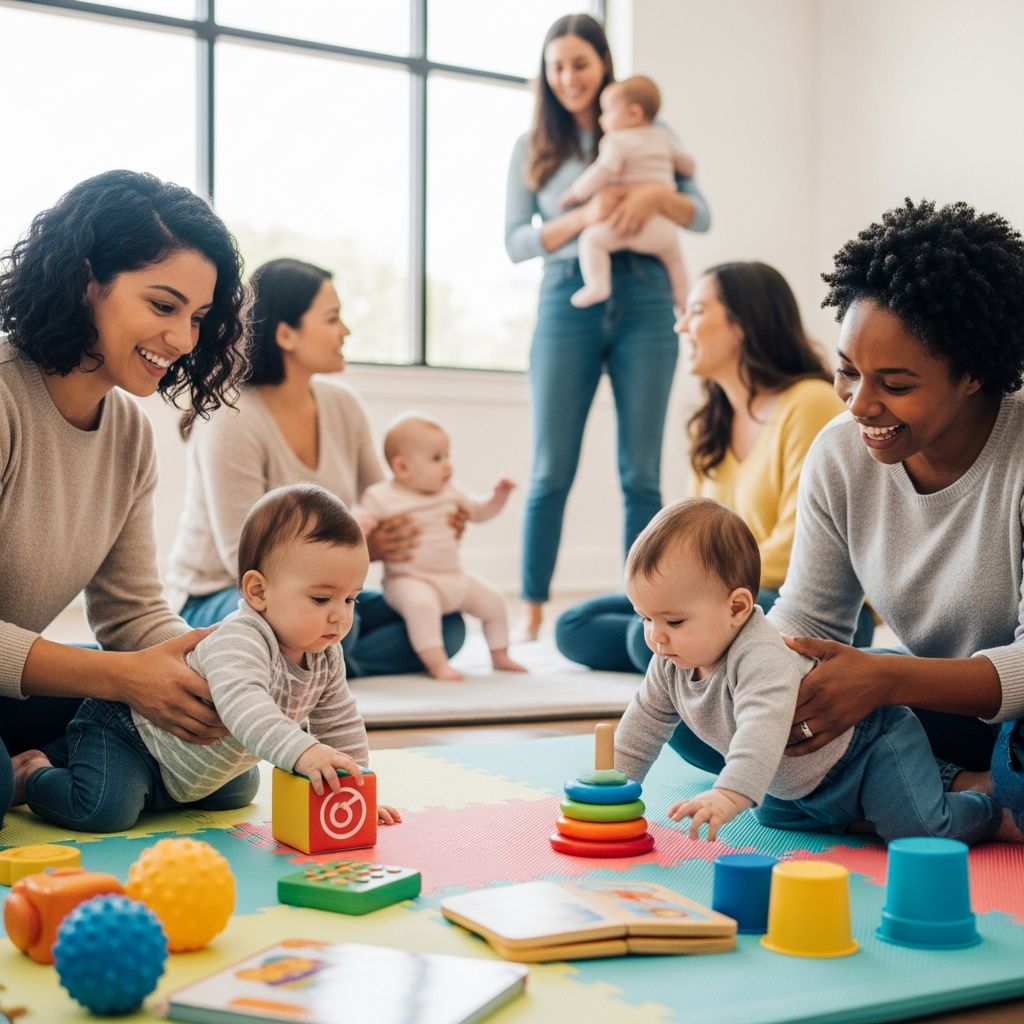
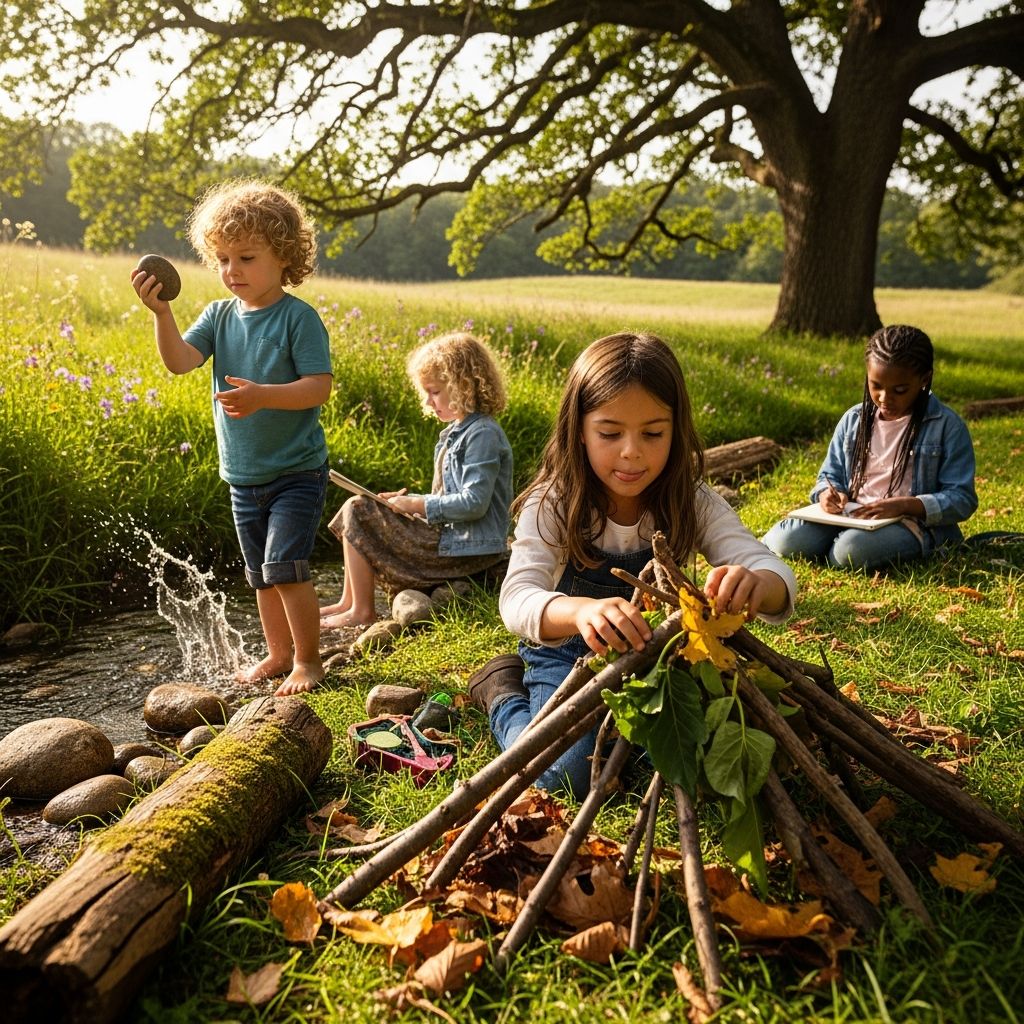
While solo play offers specific developmental benefits, children also flourish through unstructured play with peers of varying ages. Multi-age playgroups create unique learning opportunities unavailable in age-segregated settings. Younger children observe and imitate more advanced play behaviors, stretching their capabilities. Older children refine leadership, patience, and mentoring skills.
Parents can facilitate these experiences through informal neighborhood arrangements or more structured community initiatives. The key is positioning adults as present for safety but removed from directing play. Children allowed to negotiate games, manage disputes, and set their own rules learn far more than those engaged in adult-orchestrated activities. Starting with a simple arrangement—two or three neighborhood children playing together regularly on weekends—requires minimal coordination while yielding substantial benefits.
Avoiding Common Obstacles to Independent Play Development
Several patterns inadvertently undermine parents’ efforts to establish independent play routines:
- Excessive praise and commentary: Constantly narrating or praising a child’s play, while well-intentioned, can interrupt their focus and turn play into a performance for parental approval rather than self-directed exploration
- Premature problem-solving: Jumping in to help when a child faces difficulty prevents them from experiencing the productive struggle that builds competence and perseverance
- Play takeover: Joining solo play and gradually directing it according to parental ideas undermines the child’s sense of ownership and authorship
- Overstimulation alternatives: Replacing independent play with screen time or constant activity offers temporary relief but prevents development of internal motivation and interest generation
- Inconsistent boundaries: Occasionally allowing interruptions to independent play time sends mixed messages and prevents children from trusting that they truly have uninterrupted time
Adjusting Expectations Across Developmental Stages
The capacity for independent play evolves dramatically from infancy through childhood. Infants might sustain solo play for 10-15 minutes with age-appropriate toys. Toddlers might manage 20-30 minutes with optimal setup. Preschoolers can extend to 45-60 minutes, while school-aged children can sustain several hours when sufficiently engaged. Understanding these developmental realities prevents frustration and inappropriate expectations.
Additionally, the type of independent play changes developmentally. Infants explore sensory properties of objects. Toddlers engage in parallel play and early imaginative scenarios. Preschoolers develop more complex imaginative narratives and simple cooperative games. School-aged children engage in more sophisticated problem-solving, skill-building, and creative projects. Activities should align with these developmental capacities rather than forcing children into play styles beyond their current abilities.
Frequently Asked Questions
Q: How long should I wait before introducing independent play to my child?
A: Independent play can begin in infancy through simple observation of toys and textures. By 12-18 months, toddlers can engage in brief solo play periods of 10-15 minutes. Gradually extend duration and complexity as children develop. Even very young children benefit from uninterrupted time to explore their environment.
Q: What should I do if my child constantly interrupts independent play time?
A: Frequent interruptions often indicate insufficient prior connection or underdeveloped independent play capacity. Increase high-quality one-on-one time first, then gradually build independent play duration with shorter intervals initially. Ensure the play space is genuinely engaging and appropriately challenging for their current abilities.
Q: Is it harmful to let my child feel bored during independent play?
A: Boredom, when not chronic, actually facilitates creativity and self-directed problem-solving. Occasional moments of “nothing to do” prompt children to generate their own ideas rather than expecting external entertainment. However, boredom should not become the dominant emotional state during play time.
Q: How can I encourage independent play without screens during bad weather?
A: Maintain a well-stocked collection of indoor play materials including building systems, art supplies, musical instruments, and sensory bins. Designate a comfortable indoor play zone and follow the same independent play principles. Indoor-specific activities like cooking projects or craft creation can be particularly engaging.
Q: Should I participate in my child’s independent play if they ask me to?
A: Occasional participation strengthens attachment and shows interest in their world. However, distinguish between briefly observing and appreciating their play versus taking it over. If you join, follow their lead rather than directing the activity. Gradually help them return to solo play by saying, “This looks wonderful. I’m going to watch from here while you keep building.”
References
- How to Encourage Independent Play — Katherine Martinko. 2024. https://katherinemartinko.substack.com/p/how-to-encourage-independent-play
- 10 Ways To Encourage Independent Play — The Parenting Junkie. 2024. https://www.theparentingjunkie.com/10-ways-to-encourage-independent-play/
- 7 Ways to Support Independent Play — Respectful Mom. 2024. https://respectfulmom.com/blogs/news/7-ways-to-support-independent-play
- Independent Play can Boost Confidence, Creativity, and So Much More — Pathways. 2024. https://pathways.org/independent-play
- Tips to Encourage Your Child’s Solo Play — Maggie Dent, The Good Enough Dad Podcast. 2024. https://www.youtube.com/watch?v=5upDnDXYLFE
- Best Ways to Encourage Independent Play — Janet Lansbury. 2022. https://www.janetlansbury.com/2022/12/best-ways-to-encourage-independent-play/