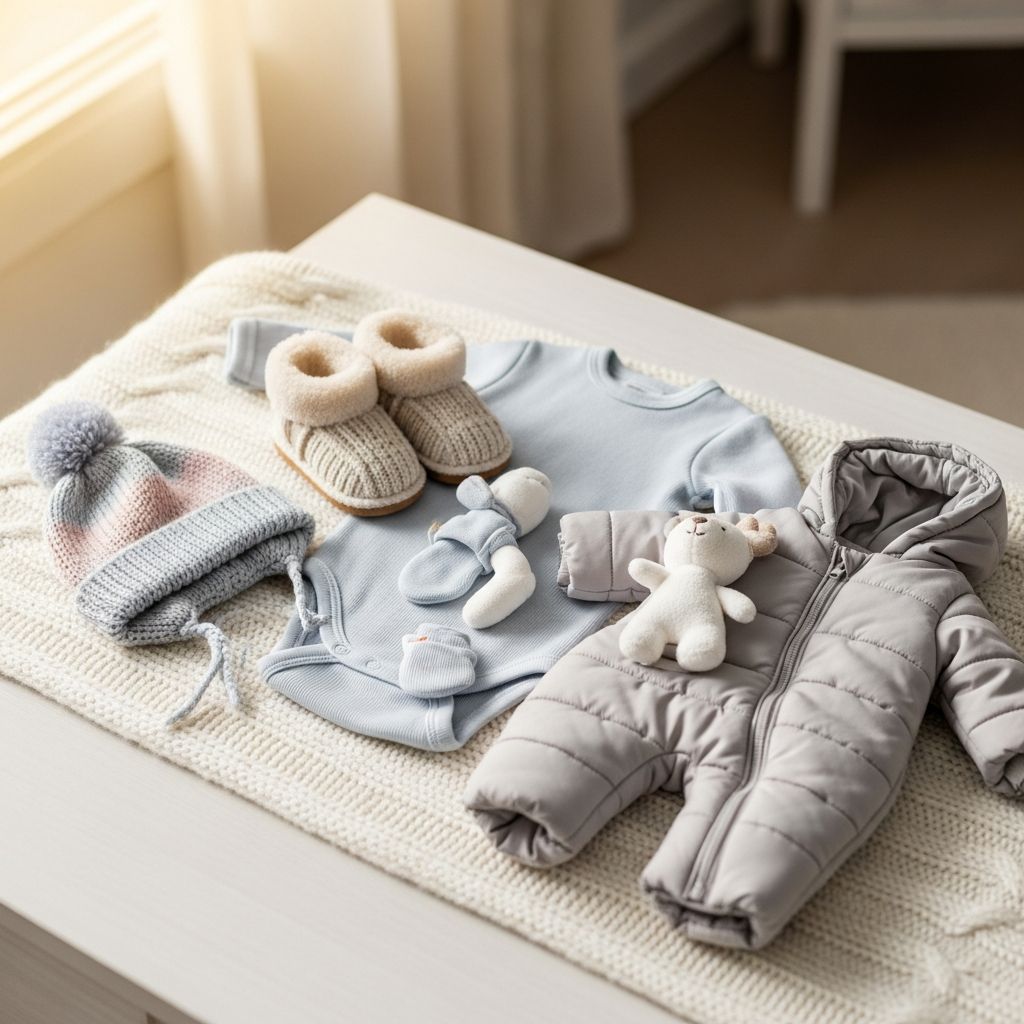
Keeping infants warm during winter requires thoughtful preparation, focusing on breathable fabrics, adjustable layers, and protective accessories to maintain an ideal body temperature. This guide explores effective strategies for indoor comfort, safe sleep, outdoor adventures, and selecting the right materials and gear.
Mastering the Art of Layering for Infants
Layering forms the foundation of winter baby clothing, allowing parents to adapt quickly to changing temperatures. Begin with a moisture-wicking base layer directly against the skin to draw away sweat and prevent chills. Follow with insulating middle layers for trapped warmth, and finish with a windproof outer shell for protection against elements.
Thin, multiple layers outperform bulky single pieces because they offer flexibility—easy to add or remove as needed. For instance, in moderate indoor settings around 68-72°F (20-22°C), one or two layers suffice, while outdoor excursions demand three or more.
- Base Layer: Soft, long-sleeved bodysuits or onesies made from cotton or merino wool to wick moisture.
- Middle Layer: Fleece pullovers, lightweight sweaters, or pants for insulation without bulk.
- Outer Layer: Waterproof snowsuits or jackets to shield from wind and precipitation.
Always check for signs of proper warmth: a neutral neck temperature, even breathing, and relaxed posture indicate balance. Overheating shows as flushed cheeks or damp hair, while coldness appears as cool extremities.
Indoor Clothing Choices for Cozy Days
Inside the home, prioritize comfort and breathability to avoid overheating, especially since babies can’t regulate temperature efficiently. Dress them in one more layer than an adult would wear in the same space. Opt for footed pajamas or bodysuits paired with lightweight cardigans for easy adjustments during play or feeding.
| Indoor Temperature | Recommended Layers | Example Outfit |
|---|---|---|
| 68°F (20°C) or cooler | 2-3 layers | Bodysuit + fleece pants + sweater |
| 72°F (22°C) | 1-2 layers | Long-sleeve onesie + light pants |
| Above 75°F (24°C) | 1 layer | Cotton bodysuit only |
Humidifiers help combat dry winter air, reducing skin irritation and aiding respiration, but pair them with breathable clothing to prevent excess moisture buildup.
Safe Sleep Attire in Chilly Nights
Nighttime dressing emphasizes safety alongside warmth, adhering to guidelines from health authorities like the American Academy of Pediatrics (AAP). Use sleep sacks or wearable blankets instead of loose bedding to minimize suffocation risks while providing consistent insulation.
Select garments with appropriate Thermal Overall Grade (TOG) ratings: 2.0-3.5 TOG for rooms below 68°F (20°C), paired with long-sleeved cotton pajamas. Breathable materials like merino wool or mesh regulate temperature, preventing both hypothermia and overheating.
- Start with a cotton bodysuit for skin contact.
- Add footed pajamas for core and foot coverage.
- Secure with a sleep sack rated for the room’s conditions.
Position babies on their backs in a bare crib, free of pillows or heavy blankets, to promote safe sleep. Monitor room temperature with a thermometer and adjust layers accordingly.
Outdoor Gear for Winter Excursions
Venturing outside in winter demands robust protection for vulnerable areas like the head, hands, and feet, where heat loss occurs rapidly. Cover these zones fully, but ensure face visibility for safe breathing. Limit outings to 15-30 minutes for newborns in extreme cold below 20°F (-7°C).
Essential outerwear includes bunting bags or snowsuits with fleece linings for infants in carriers or strollers. Stroller footmuffs and weather shields add barriers against wind and snow without restricting airflow.
- Hats: Fleece beanies or balaclavas that cover ears without slipping over eyes.
- Mittens/Booties: Waterproof, insulated pairs to protect tiny digits.
- Snowsuits: One-piece suits with hoods for full-body coverage; size up for growth.
For car seats, avoid thick coats—use blankets or car seat-specific covers post-buckling to maintain harness integrity.
Fabric Selection for Optimal Comfort
Choose natural, breathable fibers over synthetics for better temperature regulation. Merino wool excels in wicking moisture, insulating when wet, and resisting odors, making it ideal for active babies. Organic cotton offers softness for sensitive skin, while fleece provides lightweight warmth for mid-layers.
Avoid non-breathable plastics or heavy knits that trap heat and cause sweating. Prioritize flame-resistant, hypoallergenic options certified for infant safety.
| Fabric Type | Best Use | Pros | Cons |
|---|---|---|---|
| Merino Wool | Base/mid-layers, sleepwear | Breathable, moisture-wicking, odor-resistant | Higher cost |
| Organic Cotton | Bodysuits, pajamas | Soft, affordable, skin-friendly | Less insulating alone |
| Fleece | Mid/outer layers | Warm, lightweight, washable | Can pill over time |
Age-Specific Winter Dressing Tips
Newborns (0-3 months) need frequent checks due to immature thermoregulation; use skin-to-skin contact for warmth boosts. For 3-6 month olds gaining mobility, select stretchy layers allowing kicks and rolls. Older infants (6-12 months) benefit from durable, easy-zip outfits for independent play in snow.
In very cold climates below -20°F (-29°C), prioritize indoor activities or brief, well-monitored exposure with full gear.
Common Mistakes and How to Avoid Them
Overbundling leads to overheating, a risk factor for SIDS; underdressing causes hypothermia. Test by feeling the back of the neck—if cool, add a layer; if sweaty, remove one. Skip scarves or neck gaiters that pose choking hazards, opting for snap-on neck warmers instead.
Regular laundry prevents bacterial buildup in reused layers, and sizing up ensures fit through growth spurts without restricting movement.
Frequently Asked Questions
What temperature is too cold for a baby outside?
Health experts recommend avoiding outdoor time below 20°F (-7°C) for infants under 2 months, limiting exposure to short periods with proper layering regardless.
How many layers for baby sleep in winter?
Typically one more layer than adult sleepwear, such as pajamas plus a 2.5 TOG sleep sack for 65-68°F (18-20°C) rooms.
Can I put a hat on my baby for sleep?
No—hats increase overheating risk during sleep; remove them indoors and in sleep spaces.
Are snowsuits safe in car seats?
Not directly; bulky suits compress under straps, reducing security. Layer underneath and add blankets after securing.
What if my baby seems cold at night?
Check neck and chest temperature; increase TOG rating or add a layer, ensuring the sleep environment stays 68-72°F (20-22°C).
References
- 7 Winter Care Tips for Newborns — Happiest Baby. 2023. https://www.happiestbaby.com/blogs/baby/winter-care-newborn-babies
- How to Dress a Baby for Cold Winter Weather — Backwoods Mama. 2024-01-01. https://backwoodsmama.com/2024/01/how-to-dress-a-baby-for-cold-winter-weather.html
- Safe Sleep and Your Baby: Sleep Basics — American Academy of Pediatrics. 2024. https://www.aap.org/en/patient-care/safe-sleep/
- Caring for Your Baby in Winter — Centers for Disease Control and Prevention (CDC). 2023-12-01. https://www.cdc.gov/infant-newborn-health/winter-safety.html
- How to Dress Newborns for Cold Weather — Mayo Clinic. 2024. https://www.mayoclinic.org/healthy-lifestyle/infant-and-toddler-health/expert-answers/infant-cold/faq-20058082