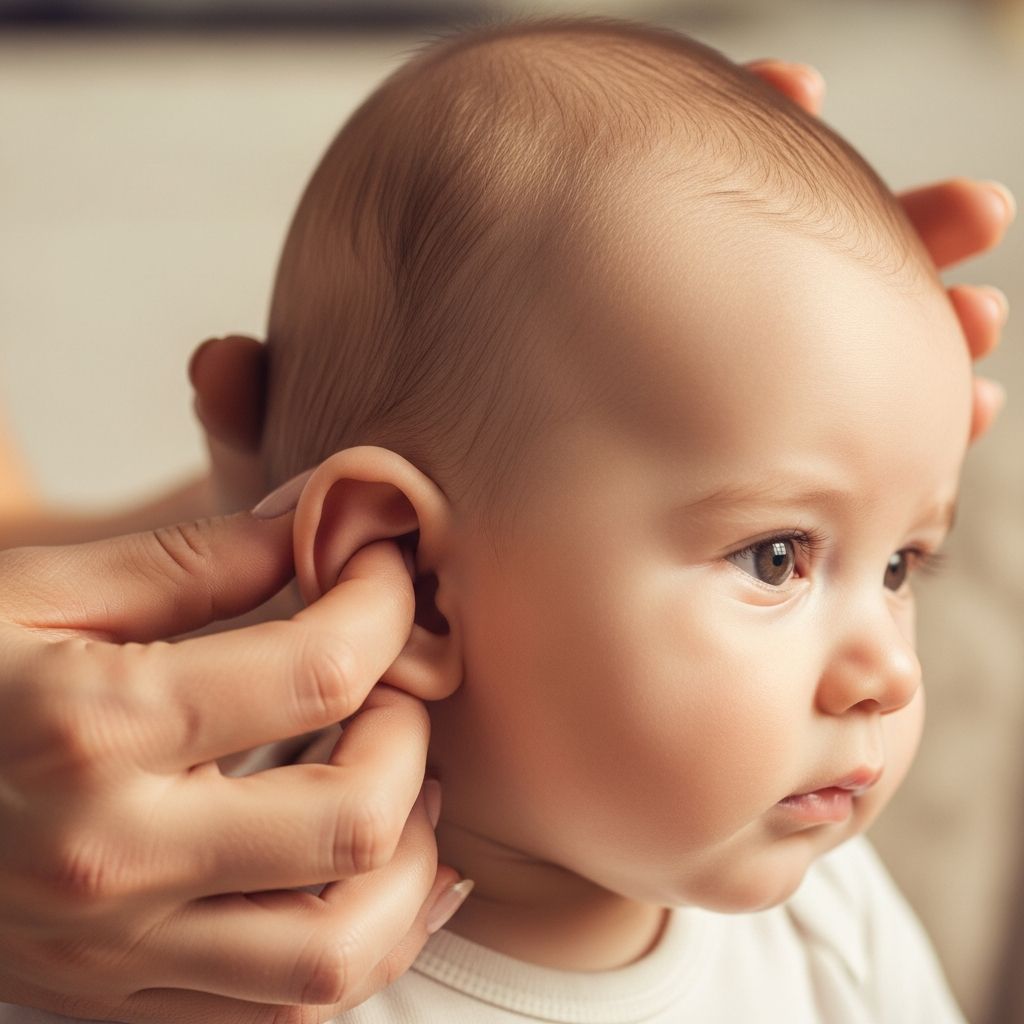
Ear infections represent one of the most frequent health concerns for infants, often striking during the first years of life when their immune systems are still developing. These conditions, medically termed otitis media, occur when bacteria or viruses invade the middle ear, leading to inflammation and fluid buildup. Parents play a crucial role in early detection since babies cannot verbalize their pain. By understanding the subtle cues, caregivers can seek timely medical intervention, reducing discomfort and preventing potential complications like hearing loss or recurrent episodes.
Why Infants Are Prone to Ear Infections
The anatomy of a baby’s ear contributes significantly to their vulnerability. Infants have shorter, more horizontal Eustachian tubes—the passages connecting the middle ear to the throat—making it easier for fluids from colds or allergies to become trapped. This stagnant fluid creates an ideal environment for infections. Additionally, exposure to respiratory viruses in daycare settings or from siblings heightens the risk. According to health authorities, nearly 80% of children experience at least one ear infection by age three, underscoring the prevalence in this age group.
Seasonal factors also play a part, with peaks during winter months when colds are rampant. Breastfeeding offers some protection due to antibodies in mother’s milk, while bottle-feeding in a flat position can increase risk by allowing milk to reflux into the Eustachian tubes.
Primary Behavioral Indicators in Infants
Babies communicate distress through actions rather than words, making behavioral changes the first red flags for ear infections. Watch for patterns that deviate from your child’s norm.
- Intense or Unexplained Crying: Babies may wail more frequently, especially during feeds or when lying down, as pressure shifts exacerbate pain.
- Heightened Irritability: A usually content infant becomes unusually fussy, hard to console, signaling underlying discomfort.
- Ear Tugging or Rubbing: Repeatedly pulling, rubbing, or hitting the ears is a classic self-soothing attempt against pain. Note that isolated tugging might indicate teething or curiosity, but combined with other signs, it’s concerning.
These behaviors often intensify at night, disrupting family sleep and hinting at ear-related issues since lying flat worsens middle ear pressure.
Physical Symptoms to Monitor Closely
Beyond behavior, tangible physical signs provide clearer evidence of an ear infection. Vigilance here can prompt faster action.
- Fever Presence: A temperature of 100.4°F (38°C) or higher often accompanies infections as the body combats invaders. While not universal—about half of cases involve fever—it’s a key alert.
- Ear Discharge: Yellowish, pus-like fluid or blood-tinged drainage indicates a possible eardrum rupture from pressure buildup. This affects 5-10% of cases and requires immediate care, though the perforation usually heals quickly.
- Fluid Retention Signs: Post-infection fluid lingering (otitis media with effusion) can mute sounds, causing temporary hearing dips.
Other clues include runny noses preceding the infection or gastrointestinal upset like diarrhea, linking to the same viral triggers.
Impacts on Daily Functions and Development
Ear infections extend beyond immediate pain, affecting sleep, feeding, balance, and even milestones. Difficulty lying down leads to frequent night wakings, exhausting both baby and parents. Feeding suffers as sucking alters ear pressure, resulting in poor appetite or refusal.
For balance, inner ear involvement disrupts the vestibular system, causing dizziness, clumsiness, or head tilting—particularly alarming in mobile toddlers. Hearing impairment from fluid can delay speech; chronic cases heighten this risk, emphasizing early resolution.
| Symptom | Ear Infection | Teething | Colic |
|---|---|---|---|
| Crying Pattern | Worsens lying down | Constant, drooling | Evening peaks |
| Ear Tugging | Frequent, painful | Rare | Absent |
| Fever | Often present | Low-grade possible | No |
| Discharge | Possible pus/blood | No | No |
This table aids differentiation, as symptoms overlap with teething or colic, guiding parents on when to suspect ears.
Types of Ear Infections Affecting Babies
Not all ear infections are identical; recognizing types informs management. Acute otitis media (AOM) involves sudden inflammation and fluid, causing acute pain. Otitis media with effusion (OME) features persistent fluid sans active infection, often asymptomatic but risky for hearing. Chronic suppurative otitis media recurs, potentially needing surgery like tubes.
Outer ear infections (swimmer’s ear) differ, affecting the canal from water exposure, but middle ear issues dominate pediatrics.
When to Contact a Pediatrician Urgently
Don’t delay if symptoms persist beyond 48 hours, fever exceeds 102°F (38.9°C), pain is severe/nonstop, or discharge appears. Infants under 6 months with any fever warrant immediate evaluation. High-risk kids—those with Down syndrome or cleft palate—need prompt checks.
Diagnosis involves otoscopy: a red, bulging, immobile eardrum confirms infection. Tympanometry measures middle ear pressure for subtle cases.
Treatment Approaches for Infant Ear Infections
Many resolve without antibiotics via pain relief: acetaminophen or ibuprofen (age-appropriate doses), warm compresses, or upright positioning. Antibiotics like amoxicillin target bacterial cases, prescribed for 5-10 days; watch for allergies.
For recurrent infections, ear tubes ventilate the middle ear, drastically cutting episodes. Follow-up ensures clearance. Home remedies like olive oil drops lack evidence and risk irritation—stick to proven methods.
Proven Prevention Strategies for Parents
Reduce risks through hygiene: wash hands, avoid smoke exposure, and limit pacifier use beyond 6 months. Vaccinate against pneumococcus and flu. Feed upright, especially bottles, and manage allergies promptly.
- Breastfeed exclusively for 6 months if possible.
- Avoid secondhand smoke entirely.
- Keep immunizations current.
- Control cold symptoms with saline drops.
Daycare avoidance helps, but if unavoidable, choose smaller groups.
Frequently Asked Questions (FAQs)
Can ear infections resolve without treatment?
Yes, many viral cases clear in 2-3 days with symptom management, but bacterial ones may need antibiotics to prevent spread.
Is ear tugging always an infection sign?
No, it can stem from teething or exploration, but pair it with fever or crying for concern.
How long do baby ear infections last?
Typically 3-7 days with care; fluid may linger weeks, monitored via follow-up.
Do ear infections cause permanent hearing loss?
Rarely, if treated promptly; chronic untreated cases pose higher risk.
Are antibiotics always necessary?
No, guidelines recommend watchful waiting for mild cases in kids over 6 months.
Long-Term Outlook and Parental Tips
Most babies outgrow frequent infections by school age as Eustachian tubes lengthen. Track episodes in a journal for doctor discussions. Promote overall health via balanced diet and sleep routines to bolster immunity. Empowered parents foster resilient kids—stay informed and proactive.
(Word count: 1678)
References
- Top Symptoms of Ear Infection in Babies: Signs & Treatment Tips — ChildrensENT. 2023. https://www.childrensent.com/blog/top-symptoms-of-ear-infection-in-babies-what-parents-need-to-know/
- How to Spot the Signs of an Ear Infection in Baby — UnityPoint Health. 2023. https://www.unitypoint.org/news-and-articles/how-to-spot-the-signs-of-an-ear-infection-in-baby
- Signs of Ear Infection in Newborns: What to Watch For — Northwoods Pediatric. 2025-03-07. https://www.northwoodspediatric.com/2025/03/07/signs-of-ear-infection-in-newborns-what-to-watch-for/
- Ear Infection Questions — Seattle Children’s Hospital. 2023. https://www.seattlechildrens.org/conditions/a-z/ear-infection-questions/
- Ear Infection Basics — Centers for Disease Control and Prevention (CDC). 2024. https://www.cdc.gov/ear-infection/about/index.html
- Ear infections — NHS. 2023. https://www.nhs.uk/conditions/ear-infections/
- Ear Infection Questions — Seattle Children’s Hospital. 2023. https://www.seattlechildrens.org/conditions/a-z/ear-infection-questions/