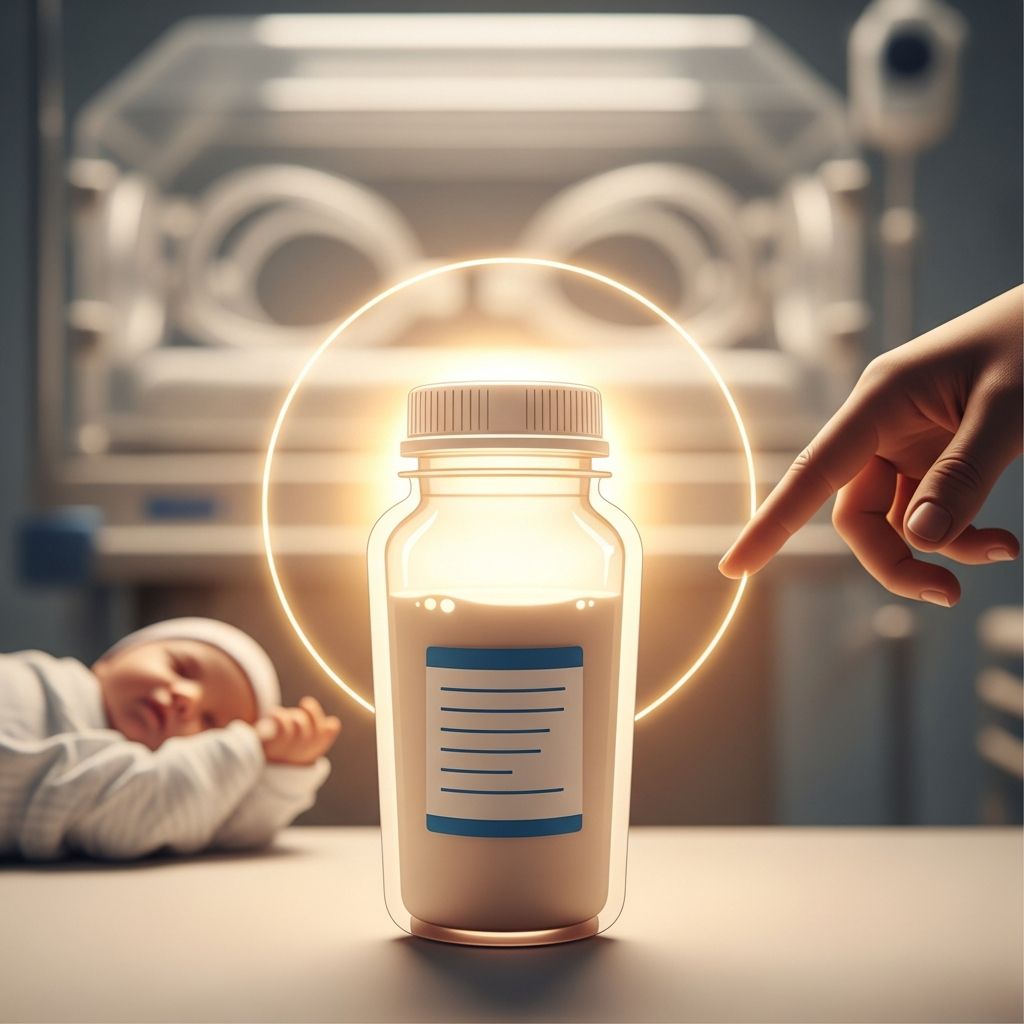
Donating breast milk provides essential nutrition to premature babies, medically fragile infants, and those whose mothers cannot produce enough milk. This act of generosity can significantly improve health outcomes for vulnerable newborns, reducing risks associated with formula feeding in critical cases.
Why Donor Breast Milk Matters for Newborns
Human breast milk contains unique antibodies, enzymes, and nutrients tailored to an infant’s needs, promoting gut health, immune function, and growth. For preterm babies in neonatal intensive care units (NICUs), donor milk serves as a critical bridge until the mother’s supply stabilizes. Studies show it lowers the incidence of necrotizing enterocolitis, a serious intestinal condition, compared to formula. Milk banks process donations through pasteurization to ensure safety while preserving benefits.
Receiving families often access donor milk via prescription from hospitals, particularly for NICU stays. This resource supports not just preemies but also babies with allergies, surgical needs, or adoption scenarios where biological milk is unavailable.
Qualifying as a Breast Milk Donor
To donate, women must meet strict health standards set by accredited organizations like the Human Milk Banking Association of North America (HMBANA). Donors are typically healthy lactating mothers with surplus milk beyond their baby’s needs.
- Age and Timing: Milk must be pumped before the donor’s baby turns 24 months old, and stored frozen for less than 9-12 months depending on bank guidelines.
- Health Exclusions: No tobacco, recreational drugs (including marijuana/CBD), or regular alcohol use. Avoid certain medications, herbs, or supplements unless pre-approved.
- Lifestyle Factors: Limit caffeine; report household illnesses or changes in health promptly.
- Production Capacity: Confidence in excess supply after feeding your own child.
Blood tests screen for HIV, hepatitis B/C, syphilis, and HTLV at the bank’s expense. Physicians verify medical history via consent forms. The process takes 2-3 weeks.
Step-by-Step Donor Application Journey
Becoming a donor involves a structured pathway to ensure compliance and safety.
- Initial Inquiry: Submit an online form or call the milk bank (5-10 minutes).
- Phone Screening: Discuss health history (10-15 minutes).
- Detailed Questionnaire: Complete online medical and lifestyle survey; bank contacts your doctor.
- Blood Testing: Visit a lab; results reviewed for approval.
- Approval and Kit: Receive donor ID, free storage bags, and guidelines.
- First Donation: Deliver 100-200 ounces minimum (varies by bank).
Subsequent donations have no minimum—every ounce aids tiny patients, with one ounce providing up to three feedings. Banks coordinate drop-offs at depots, FedEx shipping, or volunteer pickups at no cost.
Best Practices for Pumping and Storing Milk
Hygiene and proper handling preserve milk quality and safety.
| Step | Guidelines |
|---|---|
| Hand Hygiene | Wash with soap for 20 seconds or use 60%+ alcohol sanitizer before pumping. |
| Pump Cleaning | Wash parts with soap/water after each use; sanitize daily per CDC standards. |
| Breast Prep | Massage breasts, use warm compresses; check for sores or blood (discard if present). |
| Collection | Pump in clean environment; view baby photos to trigger let-down. |
| Storage | Freeze ASAP; fridge up to 4 days max. Same-day pumps only per bag; no temp mixing. |
| Labeling | Include donor name/ID, pump date, volume. |
Avoid scalding or heating before freezing. Donors report medications or illnesses to maintain traceability.
Behind the Scenes: Processing Donor Milk Safely
Milk banks follow HMBANA guidelines for pasteurization, eliminating bacteria while retaining immunoglobulins. Steps include:
- Weighing and logging by donor ID.
- Lab analysis for nutrition and contaminants.
- Pooling from 2-4 donors to balance profiles.
- Pasteurization (heating to 144°F for 30 minutes), cooling, and sterility testing.
- Packaging in sterile bottles with barcodes for tracking.
Dispensed milk nourishes NICU infants under medical supervision, often transitioning to maternal milk.
Options for Receiving Donor Milk
Families receive pasteurized donor milk through hospitals or outpatient prescriptions. NICUs prioritize tiniest preemies; home use suits short-term needs like low supply or relactation. Costs are covered by insurance, nonprofits, or grants in many cases. Contact accredited banks directly for availability.
Frequently Asked Questions
Can I donate if I’ve taken medications?
Yes, if approved by the bank—report all via screening. Common vitamins are fine; others reviewed.
How much milk is needed overall?
First drop: 100-200 oz; ongoing: any amount. Banks need thousands of ounces monthly.
Is donated milk as nutritious as fresh?
Pasteurization preserves most bioactives, providing superior benefits over formula for at-risk babies.
What if I live far from a depot?
Banks arrange free shipping via FedEx or couriers.
Are donors compensated?
No monetary payment—supplies are free. It’s voluntary.
Can adoptive parents use donor milk?
Yes, via prescription for medical necessity.
Benefits and Impact of Your Donation
Donors report emotional fulfillment knowing their milk supports survival rates and development. Banks serve thousands annually, with one donor potentially feeding dozens of infants. Expand your nurturing beyond your family—join a network saving lives.
(Word count: 1672)
References
- The Ultimate Guide for Donating Breastmilk and Impacting Tiny Lives — CentraCare. 2023. https://www.centracare.com/articles-stories/guide-for-donating-breastmilk/
- How to Donate Breast Milk – Mothers Milk Bank WGL — Mothers’ Milk Bank WGL. 2024. https://www.milkbankwgl.org/donate-milk-details/
- Breastmilk Donation Process — Children’s Hospital of Philadelphia. 2023. https://www.chop.edu/centers-programs/breastfeeding-and-lactation-program/breastmilk-donation-process
- Got Milk? 5 Things To Know About Donating Breast Milk — Franciscan Health. 2023. https://www.franciscanhealth.org/community/blog/donating-breast-milk
- A Guide to Pumping and Donating Breast Milk — Mothers’ Milk Bank California. 2024. https://mothersmilk.org/the-milk-hub/pumping-and-donating-breast-milk/
- How to Donate Breast Milk — Rocky Mountain Mother’s Milk Bank. 2024. https://milkbank.rmchildren.org/how-to-donate-breast-milk/
- Donate Milk — The Milk Bank. 2023. https://www.themilkbank.org/donate-milk/
- Use of Donor Human Milk — FDA. 2024-10-24. https://www.fda.gov/science-research/pediatrics/use-donor-human-milk