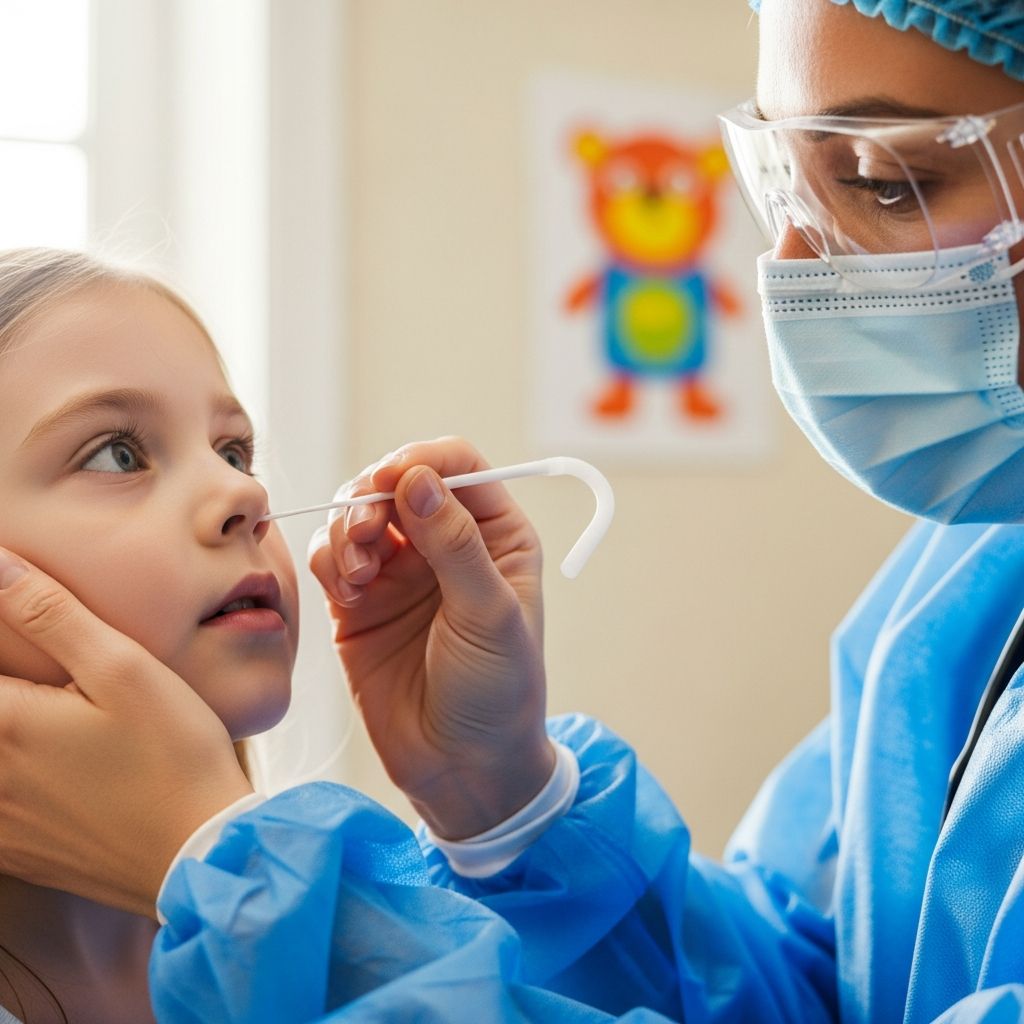
Administering a nasal swab test for COVID-19 to children can be challenging due to their natural discomfort with invasive procedures. Parents often face resistance, tears, and anxiety, but with thoughtful preparation and techniques, the process becomes manageable. This guide draws from health experts to offer original strategies for success.
Understanding the Nasal Swab Process
The nasal swab collects mucus from the upper respiratory tract to detect SARS-CoV-2, the virus causing COVID-19. For children, anterior nasal swabs—inserting the swab about 1/2 to 3/4 inch into each nostril—are standard for at-home tests, minimizing discomfort compared to deeper nasopharyngeal versions. Swab both nostrils five times each with medium pressure, then mix into the test solution. Tests like antigen kits require repeat swabbing within 36 hours for accuracy.
Health authorities recommend sterile swabs and proper hygiene to avoid contamination. For kids under 2, testing is not advised; ages 2-13 need adult assistance. Combined oropharyngeal and nasal swabbing may apply in clinical settings.
Age-Appropriate Preparation Strategies
Tailor your approach to your child’s age for best results. Infants and toddlers respond to physical comfort, while school-age kids benefit from explanations.
- Infants (0-2 years): Swaddling or holding securely prevents movement. Use a calm voice and quick action.
- Toddlers (2-4 years): Simple stories like “brushing the nose tickle monster away” work well.
- Preschoolers (4-6 years): Role-play with toys demonstrating the swab.
- School-age (6+ years): Explain science behind it—”collecting nose detectives to catch germs.”
Preparation starts days ahead: discuss without pressure, watch kid-friendly videos showing the process.
Creating a Calm Testing Environment
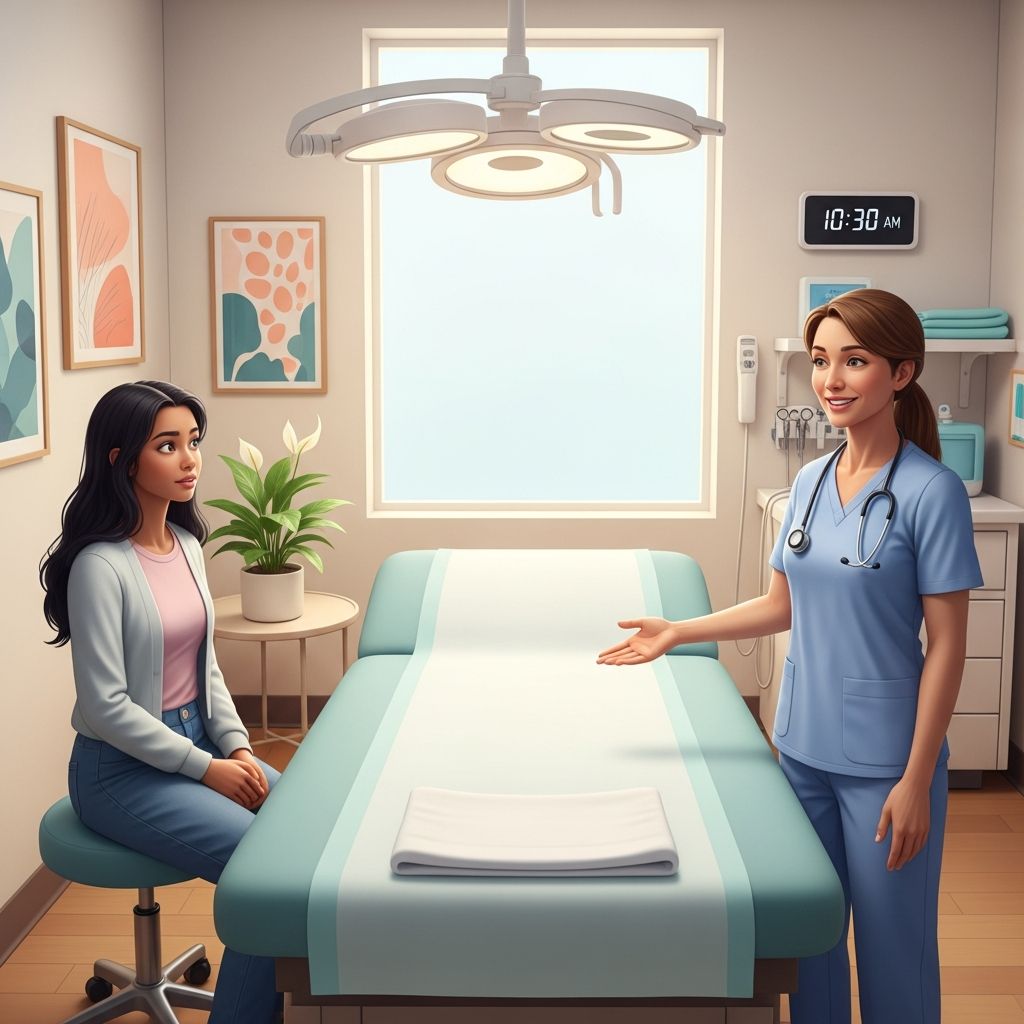
Set up a dedicated space: clean surface, good lighting, timer, gloves, and distractions like stuffed animals or books. Wash hands thoroughly; have child blow nose gently first. Ensure room temperature components for comfort.
| Item | Purpose |
|---|---|
| Gloves | Hygiene protection |
| Timer | Track swabbing (5-15 seconds per nostril) |
| Distraction toy | Hold attention |
| Tissue | Pre-swab nose clearing |
Avoid rushing; if child shows pain, stop and retry later.
Distraction and Comfort Techniques
Distraction diverts focus from discomfort. Pinching the skin between thumb and finger creates a counter-sensation. Counting aloud together—”one, two, three, four, five” per nostril—builds rhythm.
- Breathing exercises: “Blow bubbles” or deep breaths.
- Songs or rhymes during swabbing.
- Visual aids: Show swab size vs. a Q-tip.
- Positioning: Sit child on lap, head tilted back 70 degrees.
For throat swabs if needed, use phone flashlight to locate tonsils, rub 10 seconds. Videos from hospitals demonstrate staying “like a statue.”
Step-by-Step At-Home Testing Guide
Follow these steps precisely for reliable results.
- Prepare kit: Lay out test card, dropper (6 drops), swab, timer. Check blue line on card.
- Hygiene: Wash hands, blow child’s nose.
- Swab collection: Insert swab tip 1-1.5 cm into nostril, rotate 5-15 seconds per side.
- Mix sample: Insert swab into card hole, twist 3 times.
- Wait: 15 minutes for results (two lines = positive).
- Repeat: Test again in 36 hours if initial negative.
If positive, seek PCR confirmation. Discard properly; continue isolation if needed.
Handling Resistance and Anxiety
Common reactions include crying or pulling away. Reassure: “It’s quick, like a tickle.” If unsuccessful, pause, use distractions, retry. Never force; safety first. Post-test praise and reward build positive associations.
For repeated testing during outbreaks, consistency reduces fear over time. Clinical guidelines emphasize minimizing discomfort.
Alternatives When Nasal Swabs Fail
Not all kids tolerate nasal swabs. Options include:
- Anterior nasal only (shallower).
- Throat swab if tonsils accessible.
- Saliva tests (emerging, less invasive).
- Professional collection at clinics.
Consult pediatrician for contraindications like nasal obstructions.[10]
Long-Term Tips for Frequent Testing
During surges, kids may need multiple tests. Normalize with routines: practice swabs with softer items. Track progress in a “brave chart.” Educate on why testing matters—protecting family and friends.
Frequently Asked Questions
How deep should the swab go in a child’s nose?
About 1/2 to 3/4 inch (1-1.5 cm) for anterior nasal; no deeper to avoid discomfort.
Can I test a baby under 2?
No, not recommended; consult a doctor.
What if my child won’t stay still?
Use gentle restraint, distractions, or try later. Stop if painful.
How accurate are at-home kid tests?
Good for antigens but repeat if negative; PCR for confirmation.
Does swabbing hurt?
It may tickle or feel odd, but brief. Preparation eases it.
Expert Insights on Pediatric Testing
Pharmacists and clinicians stress parental confidence. Videos aid preparation. Guidelines evolve; check CDC for updates.
(Word count: 1678)
References
- How to test your child for COVID-19 with an at-home test — Walgreens Blog. 2022. https://blog.walgreens.com/health/covid-19/how-to-test-your-child-for-covid-19-with-an-at-home-test.html
- Testing under 5s Instructions — HSCNI Public Health. 2020-07. https://www.publichealth.hscni.net/sites/default/files/2020-07/Testing-under-5s-Instructions.pdf
- COVID-19 How to give your child an anterior nasal swab test — Manitoba Government. N/A. https://www.gov.mb.ca/asset_library/en/covid/factsheet-child-nasel-swab-test.pdf
- Speedy Swab Rapid COVID-19 Antigen Self-Test — FDA. 2022. https://www.fda.gov/media/159732/download
- Clinical Practice Guidelines: COVID-19 swabbing — Royal Children’s Hospital. 2020-06. https://www.rch.org.au/clinicalguide/guideline_index/COVID-19_swabbing/