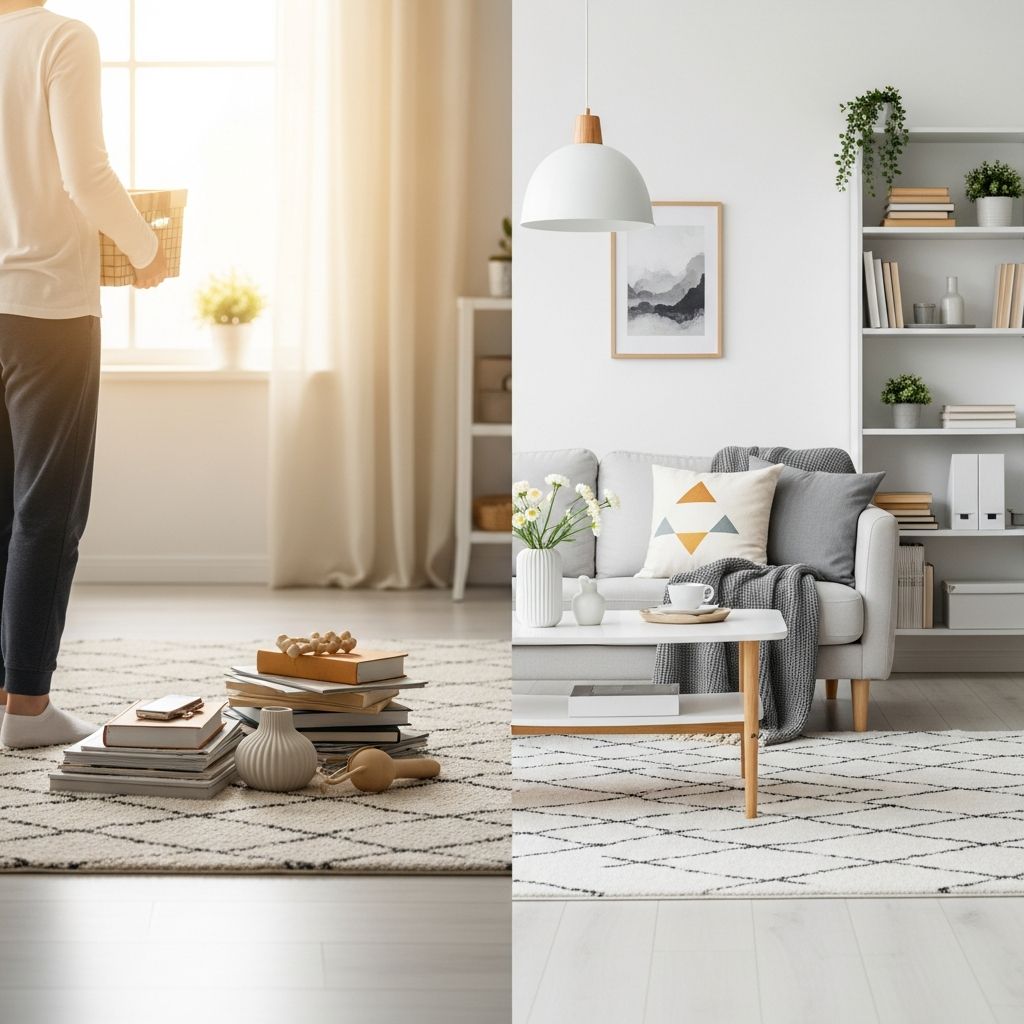
The Science of Fast-Paced Home Organization
Many people struggle with clutter accumulation, yet they postpone decluttering projects because they feel overwhelming and time-consuming. However, research into productivity and behavioral change suggests that concentrated, focused efforts can yield significant results in minimal time. The concept of rapid decluttering leverages this principle by combining time pressure with clear objectives, making the process feel manageable rather than endless. By committing to a single hour of dedicated effort, you can remove numerous items from your living space without the mental fatigue that typically accompanies longer organizing sessions.
The advantage of this approach lies in its psychological framework. Short-term, goal-oriented tasks activate different neural pathways than prolonged, open-ended projects. When you know you have exactly sixty minutes to complete a specific mission, your brain operates more efficiently, decision-making accelerates, and procrastination diminishes. This burst methodology also prevents the decision fatigue that often stops people mid-declutter when they become uncertain about what to keep versus discard.
Preparing Your Space: Essential Supplies and Mental Readiness
Success in rapid decluttering begins before you start removing items. Proper preparation determines whether your effort remains focused or devolves into chaos. Begin by gathering the necessary materials: designate a sturdy container or bag for items destined for the trash, acquire separate boxes or bags for donations, and have additional containers available for items that belong in other rooms.
Beyond physical supplies, consider your environment. Music, podcasts, or audiobooks can enhance focus and motivation throughout the process. Many people find that ambient background audio prevents the task from feeling tedious while maintaining enough mental engagement to stay productive. Select content that energizes you without demanding intense concentration, as you need mental resources available for decision-making about what to discard.
Mental preparation is equally important. Before starting, visualize your desired outcome. Imagine how your spaces will feel less cluttered and more functional. Acknowledge that you’ll make quick decisions and some items might be borderline cases, but the goal is progress, not perfection. Release the perfectionism that often accompanies organizational projects, as it typically slows progress and increases decision paralysis.
Strategic Room Selection and Item Distribution
The effectiveness of this method depends on smart room selection and realistic item estimates. Not all spaces contain equal quantities of removable items, so distributing your hundred items strategically maximizes your results. Begin by identifying which areas of your home most obviously require decluttering, then calculate how many items you can realistically extract from each location within your time frame.
For homes with extensive clutter, prioritize high-traffic areas and spaces that impact daily functioning most directly. These might include kitchen cabinets, bedroom closets, bathroom cabinets, and drawer systems. These areas typically harbor numerous unused or duplicate items that you unconsciously maintain. Conversely, if your home is relatively organized, you might select spaces where clutter accumulates gradually, such as entryway tables, car interiors, or utility closets.
Create a written plan allocating items across your selected areas. This prevents decision fatigue about where to start and maintains momentum throughout your hour. Your allocation might resemble the following framework: bathroom (ten items), bedroom (twenty items), kitchen (twenty items), closets and storage (fifteen items), living areas (fifteen items), office or hobby spaces (fifteen items), and remaining items from miscellaneous locations (five items). Adjust these numbers based on your specific home’s layout and cluttered areas.
Bathroom Purging: Small Spaces, Big Impact
Bathrooms contain numerous items that accumulate beyond necessity, making them ideal starting points for decluttering efforts. Begin in medicine cabinets and under-sink storage. Medications and supplements past their expiration dates pose health risks and should be disposed of safely rather than flushed down drains. Check manufacturing dates on vitamins, as they degrade in potency over time.
Personal care products represent another significant category. Expired makeup, dried-out nail polish, and separated or separated moisturizers serve no purpose yet occupy valuable cabinet space. If you maintain backup supplies of shampoo, conditioner, or body wash “just in case,” honestly assess whether you realistically use these quantities. One or two backup bottles typically suffice; hoarding entire cases creates unnecessary clutter.
Bath textiles and accessories warrant examination too. Old, threadbare towels that you’d never want guests to see deserve removal. Holey washcloths, faded hand towels, and worn bath mats contribute nothing to your space except clutter. Additionally, explore decorative items: broken soap dispensers, unused bath accessories, and duplicated hair tools can all exit your bathroom during this focused session.
Kitchen Transformation: Eliminating Functional Redundancy
Kitchens typically house surprising quantities of unnecessary items masquerading as essentials. Start with duplicate kitchen tools: how many measuring cups, spoon sets, or can openers does your household genuinely need? Most families function perfectly with one set of essential utensils. Excess tools simply consume drawer and cabinet space without providing additional utility.
Examine your small appliances critically. That bread maker gathering dust, the specialty waffle iron used once annually, or the complicated juicer that requires thirty minutes of cleanup—these items consume valuable kitchen real estate. Unless you actively use an appliance within the past month, it likely qualifies for removal.
Food storage and preparation supplies offer substantial decluttering opportunities. Mismatched plastic container lids without corresponding bases clutter cabinets needlessly. Expired spices, old condiments, and mystery sauces from forgotten takeout orders belong in the trash. Expired food items pose health risks and create an unsafe kitchen environment. Additionally, evaluate your dishes and glassware: duplicate sets, chipped plates, and glasses you never use can be donated or discarded, allowing you to keep only what you regularly utilize.
Closet Efficiency: Wardrobe Reality Assessment
Clothing represents one of the easiest categories for identifying items to remove. Most people maintain garments that no longer fit current lifestyles, body types, or personal preferences. This category allows rapid decisions because each item either fits comfortably and flatters your appearance, or it doesn’t.
Begin by removing clothes that physically don’t fit. Wearing uncomfortable, ill-fitting clothing provides no benefit, and keeping these items creates false hope and guilt. Simultaneously, remove anything with visible damage: permanent stains, broken zippers, lost buttons, or unraveling seams. If you wouldn’t confidently wear an item in front of acquaintances, it deserves removal.
Additionally, consider shoes honestly. Shoes causing blisters, pinched feet, or discomfort serve no purpose except guilt. Broken straps, detached soles, or worn heels should exit your closet. Many people also maintain multiple accessories they never wear; examine scarves, belts, jewelry, and bags ruthlessly. If you haven’t worn an accessory in a full season, you likely don’t love it sufficiently to keep it.
Linen and Storage Areas: Hidden Item Goldmines
Linen closets and storage areas often become holding zones for items that don’t belong elsewhere. Start by assessing bedding: do you maintain sheets for bed sizes you no longer own? Old, stained, or thin sheets can be repurposed as cleaning rags or discarded. Worn-out blankets, thin throw pillows, and tattered quilts deserve removal. Backup towels accumulate surprisingly quickly; maintain only enough for your household’s genuine needs plus two backup sets at maximum.
Storage areas frequently contain items “just in case”—old suitcases, extra boxes, unused organizers, and duplicate storage solutions. Unless you regularly travel with a particular suitcase or actively use storage boxes, these items should be evaluated against your actual lifestyle. Ask yourself whether you’ve used each storage item in the past year; if not, it likely represents aspirational clutter rather than practical necessity.
The Decision Framework: Making Rapid Choices
Effective rapid decluttering requires a simplified decision matrix. Rather than agonizing over each item, apply a straightforward evaluation process: Do I use this regularly? Does it function properly? Do I genuinely enjoy having it in my home? If you answer no to any question, the item exits your home.
Eliminate decision paralysis by establishing clear rules for common dilemmas. Sentimental items receive special consideration but shouldn’t consume excessive quantities of space; select a few truly meaningful pieces while releasing the rest. Items you’re “saving for someday” rarely get used; if you haven’t used something for two years, that someday probably isn’t coming. Gifts you don’t love serve nobody by taking up space; the giver’s intent was your happiness, not your burden.
Execution Strategies for Maintaining Momentum
With supplies gathered and rooms selected, execute your plan systematically. Set a visible timer on your phone or kitchen clock, creating accountability and motivation. Begin with your most cluttered room to build initial momentum, experiencing quick wins that energize continued effort. As your timer counts down, decisions become progressively faster as mental fatigue sets in—plan accordingly by tackling easier categories toward the hour’s end.
Maintain physical motion throughout the process. Walk items directly to your trash and donation containers rather than creating piles to sort later. This practice prevents the temptation to reconsider decisions and keeps you moving, which naturally accelerates the pace. If you find yourself spending more than thirty seconds deciding about a single item, make a quick call and move forward rather than reopening the decision.
Post-Decluttering Actions: Completing the Process
When your timer reaches zero, your effort isn’t quite complete. Immediately dispose of trash appropriately and transport donations to your vehicle for delivery to local charities or shelters. Wash and organize any items you’re keeping, ensuring they return to logical locations. This final step reinforces your progress and prevents newly organized spaces from quickly reaccumulating clutter.
Document your efforts by photographing cleared spaces. Visual evidence of accomplishment reinforces the positive feelings associated with decluttering, building motivation for future sessions. Many people find that one successful rapid decluttering session motivates them to schedule additional bursts regularly.
Building Sustainable Decluttering Habits
One session, while beneficial, represents just the beginning of maintaining a clutter-free home. Sustainability requires ongoing habits preventing clutter reaccumulation. Schedule monthly rapid decluttering sessions targeting different areas, maintaining momentum and preventing clutter from rebuilding. Additionally, implement an immediate discard practice: when you acquire new items, simultaneously remove items you no longer use, creating a natural equilibrium.
Examine purchasing habits honestly. Clutter accumulates when new items continuously enter your home without corresponding removals. Before acquiring anything, ask whether it serves an active purpose or truly brings value to your daily life. This preventative approach requires less ongoing decluttering effort than reactive organization sessions.
Frequently Asked Questions
Q: Is one hour truly sufficient for removing 100 items?
A: Yes, when items range in size and you make rapid decisions without second-guessing. One hundred small items like expired medications, duplicate utensils, or worn accessories can be removed in sixty minutes if you stay focused and avoid decision paralysis.
Q: What if I’m emotionally attached to items I should discard?
A: Allow yourself to keep a limited number of genuinely meaningful items, but recognize that most clutter represents guilt or obligation rather than authentic attachment. One special memento holds more value than fifty items kept from obligation.
Q: How frequently should I repeat this decluttering process?
A: Schedule rapid decluttering sessions monthly or quarterly, depending on how quickly clutter reaccumulates in your home. Regular maintenance prevents overwhelming buildup and maintains the organized environment you’ve created.
Q: Should I involve family members in the decluttering process?
A: Absolutely. Involve household members in decluttering decisions affecting shared spaces and allow children to participate in removing items from their own spaces, teaching valuable lessons about intentional possession.
Q: What’s the best way to handle items I’m unsure about discarding?
A: During rapid decluttering, set questionable items aside rather than spending excessive time deciding. After your session, reassess these items when not under time pressure, making more thoughtful decisions about their ultimate fate.
References
- Decluttering Burst: Let Go of 100 Things in Less Than an Hour — Motherly. 2026. https://www.mother.ly/life/decluttering-burst-let-go-of-100-things-in-less-than-an-hour/
- Decluttering Burst — Be More with Less. 2026. https://bemorewithless.com/decluttering-burst/
- How to Declutter 100 Things From Your Home Today — Andrea Dekker. 2026. https://andreadekker.com/quickly-declutter-100-things/
- This Decluttering Challenge Helped Me Get Rid of 100 Things — Apartment Therapy. 2026. https://www.apartmenttherapy.com/decluttering-challenge-get-rid-100-things-37474546
- The Ultimate List of 100+ Things to Declutter from Your Home — The Zero Waste Collective. 2026. https://www.thezerowastecollective.com/post/the-ultimate-list-of-100-things-to-declutter-from-your-home