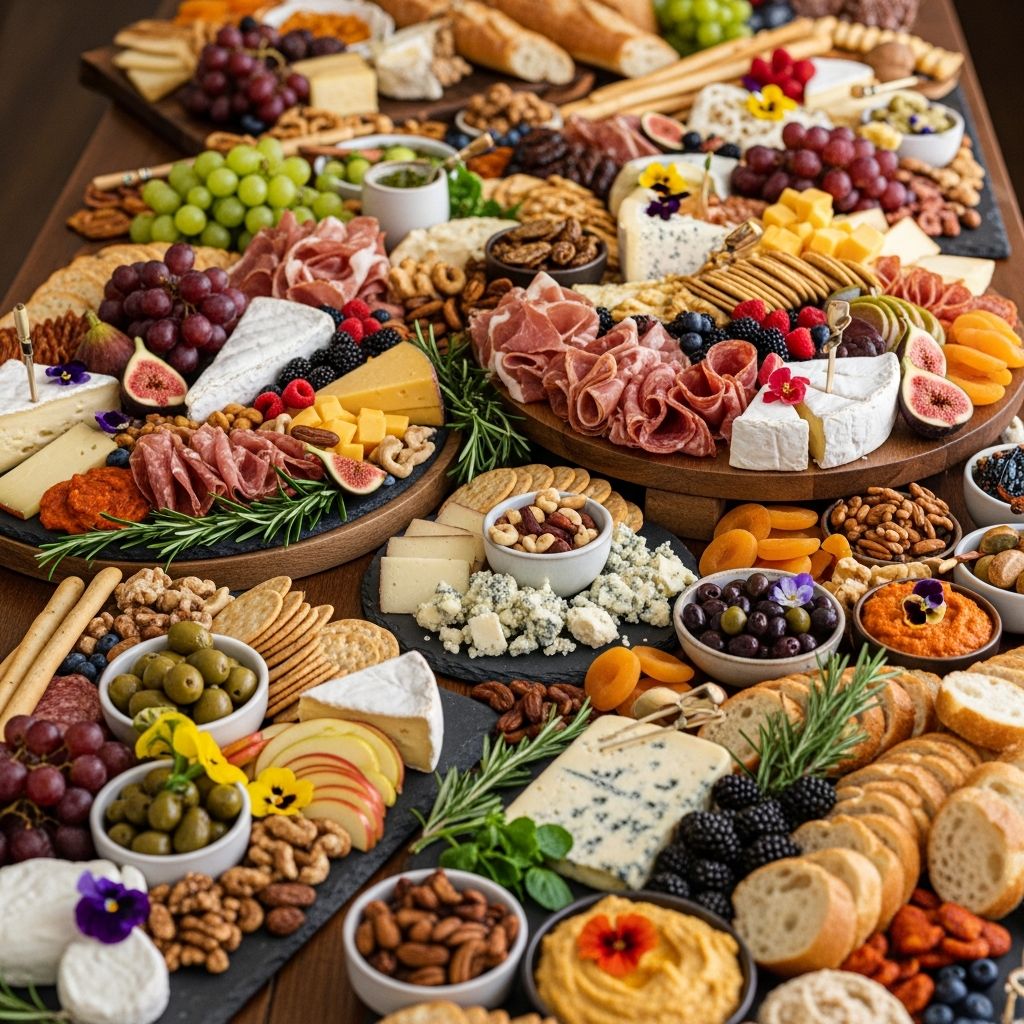
Hosting an event requires careful attention to detail, and few elements capture the essence of gracious entertaining quite like a thoughtfully curated grazing table. Unlike traditional plated meals or buffet lines, a grazing table invites guests to interact with food in a relaxed, social manner. It transforms simple ingredients into an edible work of art that serves as both sustenance and visual centerpiece. Whether you’re planning a wedding reception, corporate gathering, milestone birthday celebration, or intimate holiday party, mastering the art of grazing table design elevates your hosting capabilities and creates lasting impressions.
Understanding the Foundation: What Makes a Grazing Table Special
A grazing table represents more than an assembly of food items arranged on a surface. It embodies the philosophy that presentation, variety, and accessibility work together to create an exceptional dining experience. The beauty of this format lies in its flexibility—it accommodates various dietary preferences, allows guests to customize their selections, and encourages mingling and conversation around the table itself.
The fundamental appeal stems from three core elements: visual abundance, textural diversity, and flavor complexity. When executed properly, a grazing table communicates effort and thoughtfulness without requiring guests to navigate formal place settings or wait for service courses. This informal approach to entertaining has become increasingly popular because it reflects contemporary values around casual elegance and interactive hospitality.
Establishing Your Creative Direction Through Theme Selection
Before purchasing a single ingredient, establish a cohesive vision for your table. The theme serves as your creative blueprint, informing every subsequent decision about colors, ingredient selections, and overall aesthetic. A well-defined theme creates visual harmony and helps guests immediately understand the culinary journey you’ve planned.
Consider these distinctive approaches:
- Rustic Farmhouse Aesthetic: Emphasizes natural textures through rough-hewn wooden boards, burlap accents, and ingredients like crusty breads, aged cheeses, and preserved vegetables. This style pairs beautifully with herbs like rosemary and thyme arranged in natural clusters.
- Sophisticated International: Draws inspiration from Mediterranean, European, or Asian culinary traditions. Features region-specific ingredients such as Spanish jamón, French pâtés, Italian antipasti, or Middle Eastern mezze components.
- Modern Minimalist: Uses a restrained color palette with carefully selected ingredients arranged with intentional spacing. This approach emphasizes quality over quantity and allows individual elements to shine through deliberate composition.
- Festive Celebration: Incorporates seasonal elements and vibrant colors. Holiday versions might feature cranberries, pomegranates, and gold leaf accents, while summer celebrations highlight berries, stone fruits, and bright floral garnishes.
- Brunch-Inspired: Combines sweet and savory elements with bagels, smoked fish, fresh fruits, pastries, and cream cheese spreads, creating an all-in-one morning meal experience.
Your theme should align with the event’s purpose, season, location, and guest preferences. A corporate function demands sophistication, while a backyard garden party welcomes whimsy and seasonal abundance.
Ingredient Selection: Building Layers of Flavor and Texture
Success in grazing table design hinges on thoughtful ingredient curation. Rather than overwhelming guests with excessive options, focus on strategic variety that provides textural contrast and complementary flavors.
The Core Components
Proteins and Preserved Meats: Cured meats form the foundation of most grazing tables. Select 3-4 varieties with different characteristics—perhaps a delicate prosciutto, a robust salami, a smoky bacon, and a game meat option. This variety ensures every guest finds something appealing while allowing for flavor exploration.
Cheese Selection: Offer multiple cheese styles representing different categories: a soft bloomy rind (like chèvre), a creamy washed rind, a firm aged option, and a blue-veined variety. Varying the milk sources (cow, goat, sheep) adds another layer of complexity. Provide small cheese knives and labels so guests understand what they’re sampling.
Bread and Crackers: Include both traditional options and specialty varieties. Sliced baguette, seeded crackers, water crackers, breadsticks, and gluten-free options accommodate different preferences. Toast some bread slices lightly to prevent sogginess and add textural interest.
Fresh Produce: Colorful vegetables and fruits create visual appeal while providing healthful balance. Include both raw vegetables (cucumber ribbons, bell pepper strips, cherry tomatoes) and fruits at various ripeness levels (grapes, berries, apple slices, fig halves). Cut vegetables into manageable sizes and consider using small cups or holders to prevent juices from soaking other ingredients.
Flavor Enhancers: Spreads, dips, and condiments transform simple ingredients into culinary experiences. Include honey, fig jam, whole grain mustard, tapenade, hummus, and harissa. These elements encourage guests to experiment with flavor combinations.
Textural Elements: Nuts, seeds, and crispy elements provide crucial textural contrast. Toasted almonds, candied walnuts, roasted chickpeas, and pomegranate seeds add crunch and visual interest to the table.
Sweet Conclusion Elements: Dark chocolate, chocolate-covered berries, candied nuts, or small pastries provide graceful table closures and satisfy guests with sweet preferences.
Spatial Planning and Physical Organization
The physical layout of your grazing table dramatically affects both functionality and visual impact. Planning the spatial arrangement before assembly prevents scrambling and ensures balanced, attractive presentation.
Sizing Considerations
Calculate appropriate quantities based on event length and type. For cocktail-style gatherings where grazing supplements drinks, plan 6-8 bites per person per hour. For events where the grazing table constitutes the primary meal, increase portions to approximately 12-15 bites per person. This ensures abundance throughout the event without excessive waste.
Height and Dimension Strategy
Flat grazing tables work beautifully for intimate gatherings or small spaces, allowing maximum surface coverage and detailed styling. For larger events, incorporate varying heights through cake stands, risers, and tiered serving pieces. This three-dimensional approach creates visual drama, maximizes surface area, and prevents the table from appearing cluttered despite abundant food.
Position the tallest elements toward the back of the table and progressively lower arrangements toward the front, ensuring all items remain visible and accessible. Never create obstacles that prevent guests from easily reaching desired items.
The Art of Arrangement and Visual Composition
Arrangement transforms ingredients into visual storytelling. The most successful grazing tables balance abundance with intentional spacing, preventing either sparse gaps or overwhelming crowding.
Strategic Placement Principles
- Begin with the largest items—wheels of cheese, whole fruit, bread loaves—establishing anchor points around which smaller items cluster.
- Group complementary items in odd numbers (three or five pieces) rather than even arrangements, creating more natural, organic visual balance.
- Place dips and spreads in small bowls surrounded by their corresponding vehicles (crackers, vegetables), guiding guests toward logical pairings.
- Create color zones alternating between warm tones (reds, oranges, golds) and cool tones (greens, purples, whites), allowing colors to pop through strategic contrast rather than random placement.
- Use height variation intentionally, creating visual rhythm as the eye moves across the table.
- Fill remaining gaps with herbs, edible flowers, and decorative elements rather than forcing additional food items.
Garnishing and Finishing Touches
Fresh herbs serve dual purposes—adding visual interest and suggesting flavor applications. Rosemary sprigs, basil leaves, and microgreens scattered throughout the table create the appearance of freshness and abundance. Edible flowers like nasturtiums, pansies, or violas add unexpected elegance and color. Consider the table’s theme when selecting garnishes; rustic tables benefit from hearty herb sprigs, while refined tables suit delicate floral arrangements.
Protective elements matter too. Use wax paper or parchment liners on wooden boards to protect surfaces while creating subtle color contrast. Small serving cups containing berries, olives, or items with juice prevent sogginess from spreading to adjacent ingredients.
Essential Serving Infrastructure and Guest Experience
Even the most beautifully arranged table requires proper serving tools and support systems for optimal guest experience. Thoughtful infrastructure prevents guests from feeling uncertain about how to proceed and maintains table aesthetics throughout the event.
Provide appropriate serving implements positioned near corresponding ingredients: cheese knives for cheese selections, tongs for cured meats, small spreaders for dips and jams. Offer small plates (6-8 inches) in quantities exceeding expected guest count, allowing guests to graze multiple times without searching for clean dishware. Cloth or paper napkins should be abundantly available and positioned at multiple table locations. Consider placing a small trash receptacle nearby for convenient waste disposal without guests needing to search.
Label items when appropriate, particularly for items with unfamiliar varieties or when accommodating guests with dietary restrictions. A simple card identifying “Manchego Cheese” or “Prosciutto di Parma” encourages exploration and conversation.
Maintaining Quality and Freshness Throughout Your Event
A grazing table’s success depends not only on initial presentation but on maintaining quality as hours progress. Temperature control, strategic refreshment, and thoughtful arrangement prevent the table from appearing picked-over or compromised.
Position your table in a shaded location away from direct sunlight if the event occurs outdoors. Use ice packs beneath serving trays holding cheese and cured meats, refreshing them periodically. Consider placing perishable items on smaller boards that you can replenish from a cooler rather than loading the entire table at once.
Proactively refresh diminishing items before gaps become obvious. Reorganize and fill in empty spaces with fresh herbs or flowers, maintaining visual abundance even if fewer food items remain. Remove any items showing signs of deterioration rather than allowing them to detract from the overall presentation.
Dietary Accommodations and Inclusive Planning
Modern entertaining requires thoughtful consideration of various dietary preferences and restrictions. Design your table to naturally accommodate diverse needs rather than forcing compromises.
Dedicate zones to vegetarian options, naturally gluten-free items, and dairy-light alternatives. Include vegetables, fruits, nuts, and seeds as substantial options rather than mere garnishes. Offer gluten-free crackers and breads alongside traditional varieties. Provide dairy-free spreads like hummus or olive tapenade alongside cheese-based dips. When guests see their dietary needs reflected in the table’s basic design rather than offered as afterthoughts, they feel genuinely welcomed.
Frequently Asked Questions
Q: How far in advance should I prepare a grazing table?
A: Assemble the table no more than 2-3 hours before guests arrive. Prepare components earlier—cutting vegetables, arranging items in serving vessels, organizing tools—but delay final assembly until closer to service time. This maintains ingredient freshness and visual appeal throughout the event.
Q: What’s the ideal table size for a given guest count?
A: Allow approximately 18-24 inches of linear table space per guest for comfortable grazing access. A 6-foot table comfortably serves 15-20 people for a full meal; 25-30 for a cocktail-style event. Smaller gatherings work beautifully on kitchen islands or side tables.
Q: Can grazing tables work for dietary-restricted events?
A: Absolutely. Design vegetarian, vegan, gluten-free, or allergen-conscious tables by building them around naturally compliant ingredients. These tables often showcase beautiful produce, nuts, and specialty items that create stunning visual presentations.
Q: How do I prevent food from drying out on a grazing table?
A: Cover items not being actively consumed with food-grade plastic wrap during downtime. Use small boards or trays that you rotate, keeping backup items refrigerated. Position the table away from heating sources and direct sunlight.
Q: What’s the budget range for grazing tables?
A: Budget varies dramatically based on ingredient quality and guest count. Budget 8-15 dollars per person for straightforward options, 15-25 dollars for upscale selections featuring specialty cheeses and cured meats, and 25+ dollars for premium events featuring rare or imported ingredients.
References
- How to Build the Ultimate Grazing Table for Your Event — Blind Tiger Mobile Bar. 2024. https://www.blindtigermobilebar.com/blog/how-to-build-the-ultimate-grazing-table-for-your-event
- 30-Minute Grazing Table for 40! – This Vivacious Life — This Vivacious Life. 2024. https://www.thisvivaciouslife.com/grazing-table-easy-delicious/
- Grazing Table Styles & How to Spot the Differences — Platter Girl. 2024. https://www.plattergirl.com/post/grazing-table-styles-how-to-spot-the-differences-bonus-instacart-grazing-table-shopping-lists
- The Ultimate Guide to Grazing Tables and When to Choose One — Platters & Co. 2024. https://plattersandco.com/blogs/news/the-ultimate-guide-to-grazing-tables-and-when-to-choose-one
- The Ultimate Grazing Table Grocery List — Shannon Shipman. 2024. https://shannonshipman.com/grazing-table-grocery-list/
- How to Build Your Own Grazing Table for an Event (Step-by-Step) — Char-Cute-Rie NYC. 2024. https://char-cute-rienyc.com/blog/f/how-to-build-your-own-grazing-table-for-an-event-step-by-step?blogcategory=Charcuterie