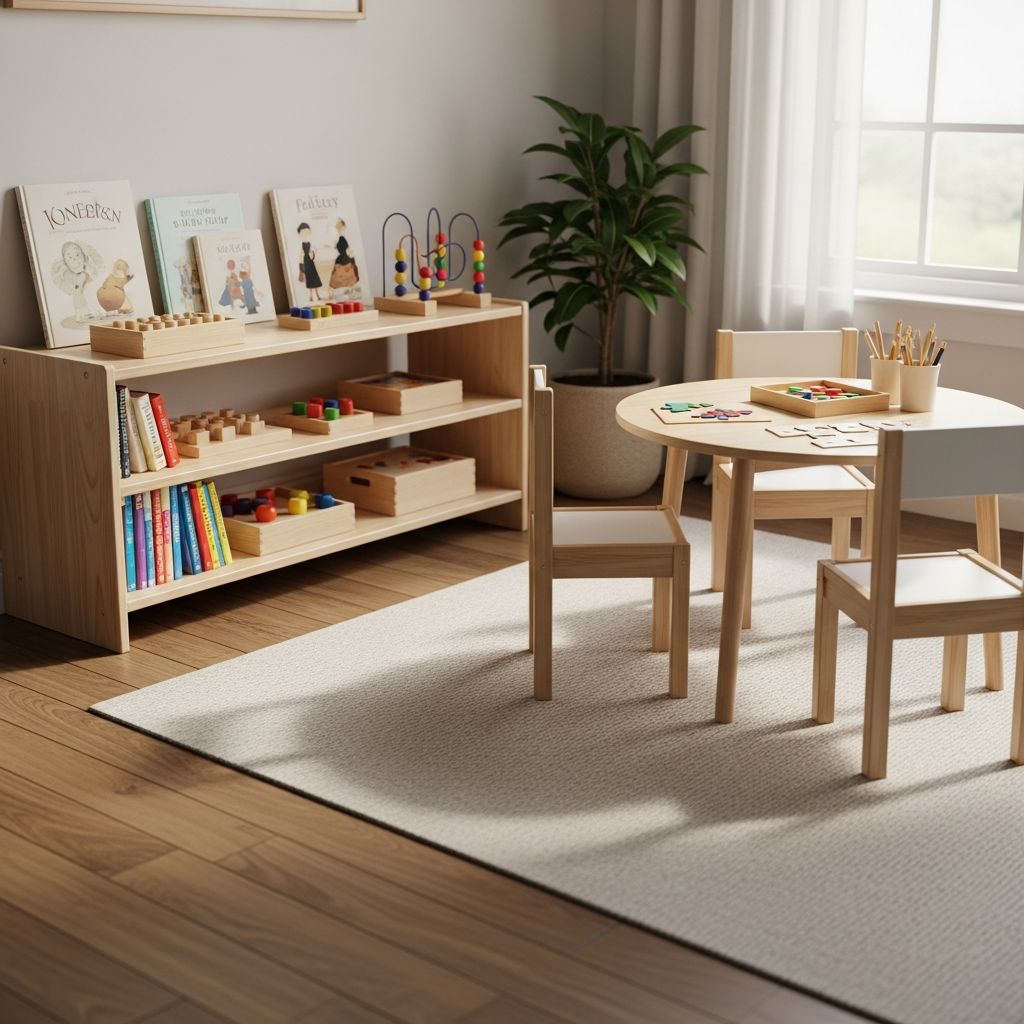
Montessori principles emphasize environments tailored to a child’s size, needs, and developmental stage, allowing them to explore freely, build confidence, and engage in self-directed learning. By adapting common home areas with low furniture, limited toys, and natural elements, parents can cultivate spaces that support gross motor skills, practical life activities, and sensory experiences without major renovations.
Core Principles of Montessori Home Design
At its heart, a Montessori-inspired home prioritizes accessibility, order, and simplicity. Children thrive when everything is within reach, encouraging independence from infancy. Key elements include child-height shelving for easy access to materials, open floor space for movement, and a curated selection of high-quality, open-ended toys that spark prolonged engagement rather than fleeting entertainment. Natural materials like wood, fabric, and plants connect kids to the world around them, while minimizing plastic promotes sensory richness. Safety is paramount—rounded edges, secure anchors, and baby-proofing ensure freedom without risk.
Designing the Perfect Toddler Bedroom
The bedroom serves as a sanctuary for rest, dressing, and quiet play. Start with a floor bed: a simple mattress directly on the rug allows toddlers to climb in and out independently, fostering body awareness and sleep autonomy. Pair it with a low dresser where drawers hold folded clothes, reachable hooks for outfits, and a child-sized mirror for self-recognition during grooming.
Incorporate a small workspace with a low table and chairs for drawing or puzzles, keeping it clutter-free to invite focused play. Walls at eye level can display simple art prints or family photos to instill a sense of belonging. Dim, child-controllable lighting, like a soft flashlight, supports nighttime security without constant illumination.
Bedroom Essentials Checklist
- Floor mattress with protective bedding rails if needed
- Low mirror (full-length, unbreakable)
- Accessible clothing storage
- Step stool for bathroom access
- Cozy rug for floor play
Building an Inviting Play and Activity Zone
Play areas should blend seamlessly into living spaces, using low shelves stocked with just 6-8 rotating toys or materials. Trays organize sensorial items like nesting cups or bead strings, teaching containment and cleanup skills. A defined workspace—a woven mat or low table—signals where messy activities like painting occur, containing chaos.
Integrate movement opportunities: a climbing triangle, balance beam, or soft cushions for tumbling builds coordination and strength. Practical life stations with a child broom, sponge, or pouring set mimic real tasks, empowering kids to contribute.
| Age Group | Recommended Play Items | Benefits |
|---|---|---|
| 0-12 months | Soft mirrors, grasping toys, textured balls | Motor skills, visual tracking |
| 1-2 years | Wooden blocks, shape sorters, baskets | Problem-solving, fine motor |
| 2-3 years | Nesting dolls, simple puzzles, nature objects | Concentration, classification |
Transforming Living Areas into Learning Hubs
No need for a dedicated playroom—adapt kitchens, hallways, and living rooms. In the kitchen, install a low shelf with safe utensils, a step stool for counter access, and a wiping station for spills. Entryways gain hooks and benches at child height for self-dressing, promoting routine ownership.
Living rooms benefit from a reading nook: floor cushions, forward-facing books on low ledges, and a soft lamp create a retreat for language development. Limit toys here to 3-4, rotating seasonally to maintain novelty and focus.
Incorporating Nature and Sensory Elements
Nature bridges indoor life to the outdoors. Display pinecones, shells, or live plants on accessible trays to stimulate touch and observation. Wooden toys in earth tones provide calming contrast to bright plastics, aligning with Montessori’s sensorial curriculum. Fabric tents or pillow forts offer cozy hideaways, enhancing imaginative rest.
Safety and Sustainability in Montessori Setups
Anchor all furniture to walls, choose non-toxic materials, and ensure floors are slip-resistant. Opt for eco-friendly woods and cottons to model environmental care. Regular decluttering prevents overwhelm, rotating items based on your child’s interests keeps spaces fresh.
Adapting for Small Homes or Apartments
Space constraints? Use vertical wall shelves, under-bed storage, or multi-functional furniture like ottomans with toy bins. Baby gates define zones without isolation. A single shelf in the corner suffices for play, expandable as needed.
Frequently Asked Questions
What age is best to start a Montessori setup?
From birth—infants benefit from floor time and mobiles, evolving to toddler activities.
Do I need expensive furniture?
No; DIY with crates or affordable options like basic shelves works effectively.
How do I rotate toys without overwhelming my child?
Store extras out of sight, swap 1-2 weekly based on engagement.
Is a floor bed safe for active toddlers?
Yes, in a prepared environment with gates and supervision initially.
Can Montessori principles work with siblings sharing space?
Absolutely—personalized trays and zones prevent conflicts.
References
- 7 Steps to Setting Up a Montessori Playroom That Truly Works — Guidepost Montessori. 2023-05-15. https://guidepostmontessori.com/blog/montessori-playroom-ideas/
- Setting up a Montessori-Based Space at Home — Toth Montessori. 2022-11-10. https://www.tothmontessori.org/setting-up-a-montessori-based-space-at-home
- 10 Ways to Montessori at Home in a Small Apartment — Parenting Style Blog. 2024-03-20. https://www.parentingstyleblog.com/blog/10-ways-to-montessori-at-home-in-a-small-apartment
- How to Set Up Montessori Bedroom for a One-Year-Old — Montessori Generation. 2023-08-12. https://montessorigeneration.com/blogs/montessori/how-to-set-up-montessori-bedroom-for-a-one-year-old
- 8 Tips to Create a Montessori Bedroom — Wood and Hearts. 2023-02-28. https://woodandhearts.com/blogs/news/montessori-bedroom-ideas
- Creating a Montessori Bedroom for Your Two-Year-Old — Lovevery Blog. 2022-09-05. https://blog.lovevery.com/child-development/how-to-montessori-your-two-year-olds-bedroom-by-howwemontessori/