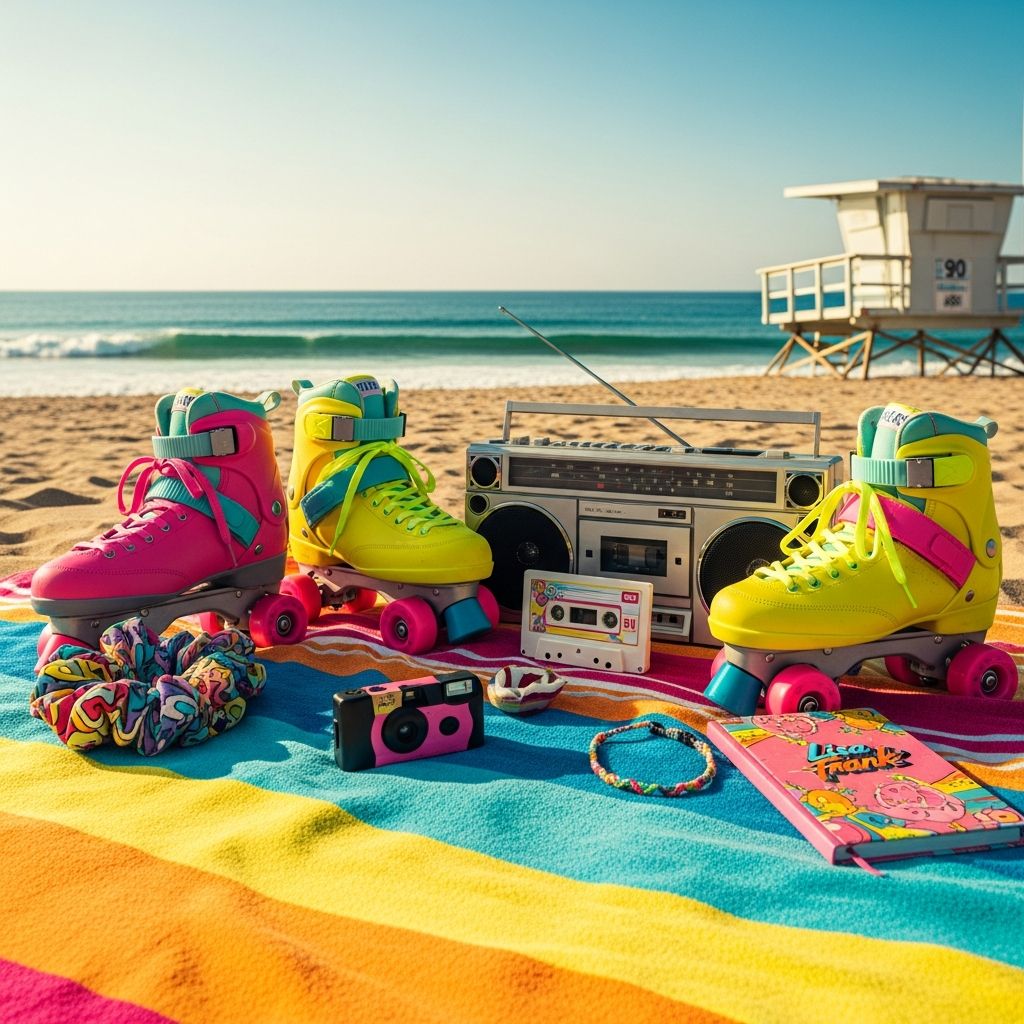
Childhood summers in the 1990s offered a unique blend of freedom, imagination, and outdoor exploration that many parents today yearn to recreate for their own children. With limited technology and unstructured days, kids roamed neighborhoods, built forts, and chased fireflies until dusk. This article examines the advantages and drawbacks of that era’s approach, drawing on nostalgic reflections to provide actionable strategies for modern families seeking similar experiences.
Why 90s Summers Captured Hearts
The 1990s marked a pre-digital golden age for play, where summers stretched endlessly without schedules dictating every hour. Children biked to playgrounds, organized impromptu games, and invented adventures using whatever was at hand—sticks for forts, sprinklers for cooling off, or chalk for driveway masterpieces. This era emphasized self-directed fun, fostering resilience and social bonds through real-world interactions rather than apps or organized camps.
Parents often recall the simplicity: no constant check-ins via GPS trackers, just the universal call of ‘streetlights on’ signaling bedtime. These memories highlight a time when boredom sparked creativity, leading to games like flashlight tag or neighborhood kickball tournaments. Reviving this vibe today means prioritizing outdoor time and low-tech joys, even amid busy lives.
Key Advantages of Unstructured 90s-Style Play
Embracing 90s summer elements brings proven benefits backed by child development insights. Here’s a breakdown:
- Boosted Physical Health: Hours of running, biking, and climbing built strong bodies naturally. Modern studies affirm that unstructured outdoor play reduces obesity risks and improves motor skills in children.
- Enhanced Creativity and Problem-Solving: Without screens, kids turned boredom into invention—crafting mud pies or obstacle courses. This mirrors research showing free play develops executive function and innovation.
- Stronger Social Connections: Neighborhood games like hide-and-seek or freeze tag taught negotiation and teamwork organically, contrasting today’s scheduled playdates.
- Improved Mental Well-Being: Fresh air and daylight exposure regulated sleep and moods, with less anxiety from constant stimulation. Parents note kids slept soundly after active days.
- Parental Stress Relief: Laid-back oversight allowed adults downtime, like reading while kids played independently nearby.
| Benefit | 90s Example | Modern Impact |
|---|---|---|
| Physical Activity | Bike ramps and sprinkler runs | Meets daily exercise needs without gyms |
| Imagination | Backyard forts from branches | Fosters lifelong creativity |
| Social Skills | Flashlight tag with neighbors | Builds real friendships |
Potential Downsides and Realities
While idyllic in hindsight, 90s summers had challenges that modern parents must navigate carefully. Not every aspect translates seamlessly to today.
- Safety Concerns: Roaming freely exposed kids to traffic, strangers, or minor injuries like scraped knees from tree-climbing—risks heightened in denser urban areas now.
- Boredom Battles: Without instant entertainment, whining ensued on rainy days, testing parental patience before low-tech alternatives like board games kicked in.
- Unequal Access: Rural kids had woods to explore, but urban ones faced limited green spaces, exacerbating divides in play opportunities.
- Heat and Weather Extremes: Long outdoor days meant sunburns or dehydration without today’s sunscreen ubiquity or AC escapes.
- Missed Structure for Some: Highly scheduled kids thrived on routine; total freedom overwhelmed introverts or those needing guidance.
Balancing these requires vigilance: set boundaries like ‘visible range’ play, stock indoor backups, and monitor weather apps.
Practical Ways to Recreate 90s Magic Today
Transform ordinary weeks into nostalgic adventures with these original strategies, adapted for 2020s realities.
Outdoor Escapades
- Host weekly neighborhood bike parades with streamers and bells for that carefree cruise feel.
- Install a backyard slip-n-slide or sprinkler zone for instant splash battles.
- Organize twilight games: capture the flag or ghost in the graveyard under stars.
- Visit public pools or splash pads, echoing community swim meets.
- Catch fireflies in jars (release after!) or skip stones at nearby creeks.
Creative Indoor Alternatives
Rainy days? Pivot to 90s-inspired crafts:
- Tie-dye old tees using kits for vibrant, wearable art.
- Build blanket forts as epic hideouts with flashlights and snacks.
- Play classic board games like Twister, Uno, or Mad Libs for laughs.
- Set up a lemonade stand or popsicle porch hangs.
Retro Entertainment Without Screens
Limit devices to spark joy:
- Dust off cassettes or CDs for dance parties to 90s hits.
- Read aloud from series like Goosebumps or Babysitter’s Club.
- Trade collectibles—stickers, cards, or DIY beanie baby swaps.
- Journal summer highlights or fold paper fortune tellers.
Daily Schedules: Structured Nostalgia
Blend freedom with light guidance. Sample week:
| Day | Morning | Afternoon | Evening |
|---|---|---|---|
| Monday | Bike to park | Chalk art driveways | Backyard campout |
| Tuesday | Sprinkler fun | Lemonade stand | Stargazing |
| Wednesday | Pool swim | Tie-dye crafts | Game night |
| Thursday | Fort building | Neighborhood tag | Firefly hunt |
| Friday | Hike or picnic | Water balloons | Storytime |
Adjust for ages: Toddlers need proximity; tweens crave independence.
Expert Tips for Success
Pediatric guidelines emphasize 60 minutes of daily active play. Start small: one screen-free day weekly builds momentum. Communicate rules clearly—’adventure zone’ maps define safe roaming. Track wins in a family journal to sustain motivation. For working parents, partner with neighbors for group playdates mimicking old-school freedom.
Frequently Asked Questions (FAQs)
Is a 90s summer safe for young kids today?
Yes, with adaptations like visible supervision and helmets for biking. Focus on low-risk zones like fenced yards or familiar parks.
What if my child gets bored?
Boredom is the spark! Provide prompts like ‘build something epic’ but let them lead. Rotate toys like hula hoops or frisbees.
How do I cut screen time without fights?
Announce ’90s challenges’ as fun experiments. Replace with rituals like porch popsicles. Consistency pays off in weeks.
Can introverted kids enjoy this?
Absolutely—solo pursuits like journaling or daisy chains fit perfectly, easing into group fun gradually.
What’s the budget for 90s activities?
Minimal: chalk ($2), water balloons ($5), library books (free). Splurge on a kiddie pool if needed.
Long-Term Wins for Families
Implementing 90s elements yields lasting bonds. Kids gain confidence from self-led play; parents reclaim joy in simplicity. Nostalgia bridges generations—share your tales during evening picnics. Over summer, watch independence bloom, mirroring how 90s youth turned out resilient amid tech-free days.
Ultimately, it’s about presence over perfection. Ditch the over-scheduling; embrace scraped knees as badges of adventure. Your family could craft memories echoing those timeless 90s sunsets.
References
- Recreate A Magical 90’s Summer With These 100 Ideas — Our Days Outside. 2025-07-02. https://ourdaysoutside.com/100-ideas-to-recreate-a-magical-90s-summer/
- Recreating the Nostalgic 90’s Summer: Building Cherished Memories for Your Kids — Bob and Sheri. N/A. https://bobandsheri.com/recreating-the-nostalgic-90s-summer-building-cherished-memories-for-your-kids/
- I’m Giving My Child a ’90s Summer — Business Insider. 2024-07. https://www.businessinsider.com/mom-brings-back-nineties-summers-no-technology-structure-2024-7
- 90s Kid Summer: Perfect Itineraries For Nostalgia And Self-Care — Her Agenda. N/A. https://heragenda.com/p/90s-kid-summer-perfect-itineraries-for-nostalgia-and-self-care/