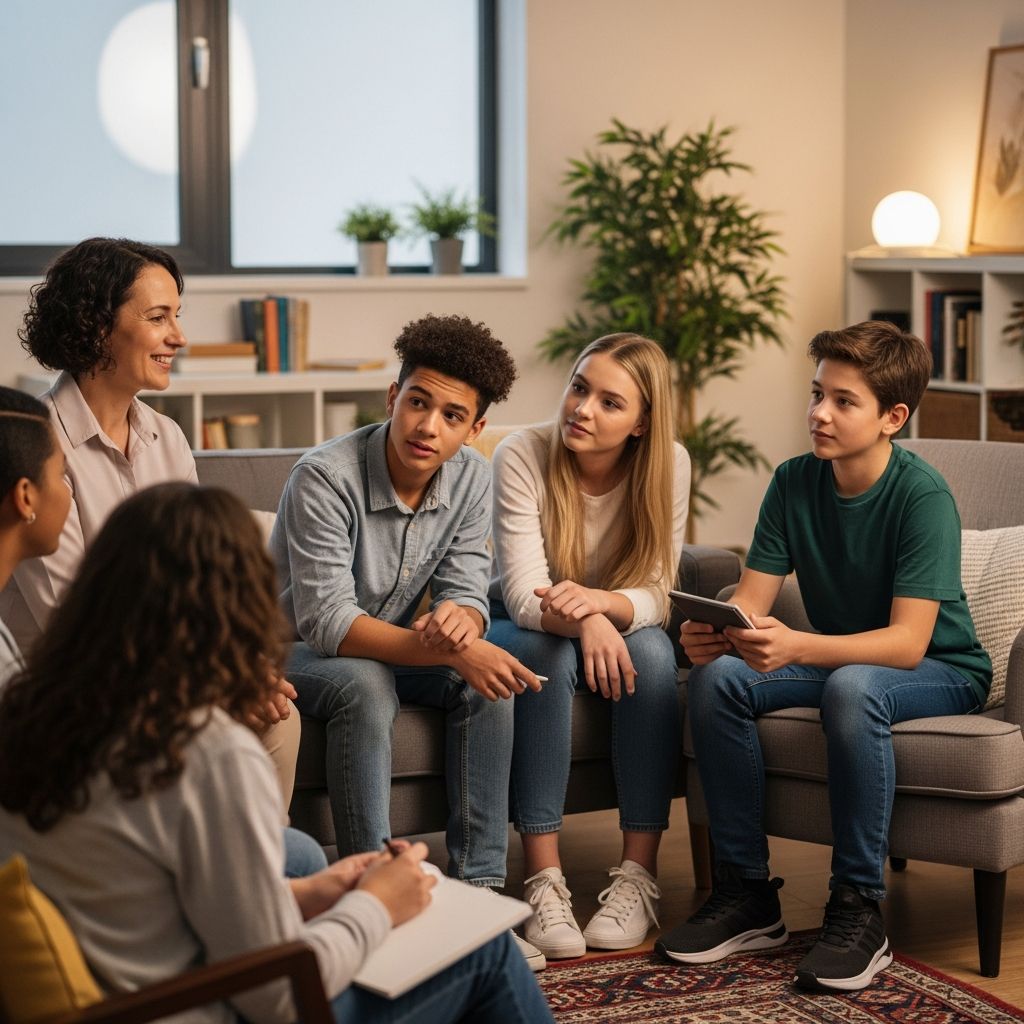
Communicating effectively with teenagers can transform family dynamics, turning potential conflicts into opportunities for growth and connection. As adolescents navigate identity, independence, and peer pressures, parents play a crucial role in guiding them through open, respectful dialogue. This article explores actionable strategies drawn from health authorities to help you engage your teen meaningfully, ensuring they feel heard and valued.
Understanding the Teenage Communication Landscape
Teenagers often appear distant or defiant, but this stems from their developmental stage where brain regions for impulse control and decision-making are still maturing. According to health guidelines, recognizing their unique worldview is essential—teens process emotions differently and crave autonomy while needing parental support. Building rapport starts with appreciating these changes rather than viewing them as rebellion.
Key challenges include busy schedules, digital distractions, and emotional volatility. Parents report frustration when teens shut down or argue, but evidence shows that consistent, empathetic approaches yield better outcomes. Prioritizing quality interactions over quantity helps bridge generational gaps.
Mastering Active Listening Skills
Active listening forms the cornerstone of teen communication, involving full attention without interruption or judgment. Stop activities, maintain eye contact, and use affirming nods to signal engagement. This technique validates their feelings, encouraging them to share more freely.
- Eliminate distractions: Put away phones and focus solely on the conversation.
- Reflect back: Paraphrase what they say, e.g., “It sounds like you’re frustrated because…” to confirm understanding.
- Avoid body language pitfalls: No eye-rolling, sighing, or crossing arms, which convey impatience.
Research from youth health resources emphasizes that teens confide more when they sense genuine interest, fostering trust over time. Practice this during casual moments like car rides to normalize openness.
Harnessing the Power of ‘I’ Statements
Shifting from accusatory “you” phrases to “I” statements reduces defensiveness. Instead of “You’re always late,” say “I feel worried when you’re not home on time because I care about your safety”. This owns your emotions while inviting dialogue.
| Problematic Phrase | Improved ‘I’ Statement | Benefit |
|---|---|---|
| You never listen to me! | I feel unheard when I share my day. | Expresses feeling without blame. |
| You’re so messy! | I get stressed seeing clutter in shared spaces. | Focuses on impact, opens negotiation. |
| You don’t care about school! | I’m concerned about your grades and want to support you. | Shows care, invites collaboration. |
Communication experts note that “I” statements promote assertiveness, helping both parties express needs respectfully. Teens learn this model, improving their interactions with peers too.
Creating Dedicated Time for Connection
Teens’ packed lives demand intentional family time. Share meals, attend events, or drive them to activities—these low-pressure settings spark natural conversations. Demonstrate interest in their hobbies, like music or sports, to signal relevance.
- Schedule weekly check-ins without agendas.
- Respect privacy: Knock before entering rooms.
- Express love verbally and through comfortable affection, boosting self-esteem.
Positive shared experiences build resilience, as affirmed by parenting resources. Fun activities counteract stress, enhancing receptivity.
Transforming Conflicts into Constructive Talks
Disagreements are inevitable; the key is de-escalation. Stay calm, acknowledge achievements before critiques, and apologize when wrong—modeling accountability. Negotiate rules together, prioritizing safety over minor issues like room tidiness.
Use open-ended questions: “What happened today that excited you?” or “How can we handle this better?”. This empowers teens, reducing power struggles.
Promoting Assertive and Respectful Expression
Teach teens assertive communication: Clear, honest, and respectful. Encourage “whole messages” outlining thoughts, feelings, needs, and requests. For instance, “I’m nervous about my test and need practice drives—can we schedule some?”
Balance understanding others’ views without agreeing, practicing empathy. Admit errors to build mutual respect, avoiding over-apologizing that undermines confidence.
Navigating Sensitive Topics with Care
Discuss safety, mental health, or relationships factually. Share resources together, explaining boundaries clearly. Model vulnerability by discussing your challenges first, easing their openness.
Building Long-Term Communication Habits
Consistency reinforces habits. Celebrate progress, forgive slip-ups, and track improvements via family journals. Over time, these yield deeper bonds and better emotional regulation.
Frequently Asked Questions (FAQs)
What if my teen ignores me during talks?
Persist gently with active listening; choose better times and show interest in their world first. Patience builds openness.
How do I handle eye-rolling or sarcasm?
Address calmly with ‘I’ statements, modeling respect. Avoid retaliation to prevent escalation.
Can shared activities really improve communication?
Yes, low-stakes fun fosters trust and natural dialogue, per health experts.
What role does technology play?
Limit distractions during talks; use it to bond over shared interests.
How soon will I see results?
Changes take weeks of practice, but early trust gains motivate continuation.
References
- Teenagers and communication — Better Health Channel, Victoria Government. 2023-05-15. https://www.betterhealth.vic.gov.au/health/healthyliving/teenagers-and-communication
- Tips for Teens: Building Healthy Communication Skills — Thrive Training Consulting. 2024-02-10. https://www.thrivetrainingconsulting.com/tips-for-teens-building-healthy-communication-skills/
- Effective Communication Strategies with Teens — Nature’s Plus. 2023-11-20. https://naturesplus.com/blogs/family/effective-communication-strategies-with-teens
- Effective communication and teenagers — ReachOut Parents. 2024-01-05. https://parents.au.reachout.com/parenting-skills/effective-communication
- Effective Communication — Youth Empowerment. 2022-08-12. https://youthempowerment.com/effective-communication/