Understanding the Hidden Dangers in Bath Toys
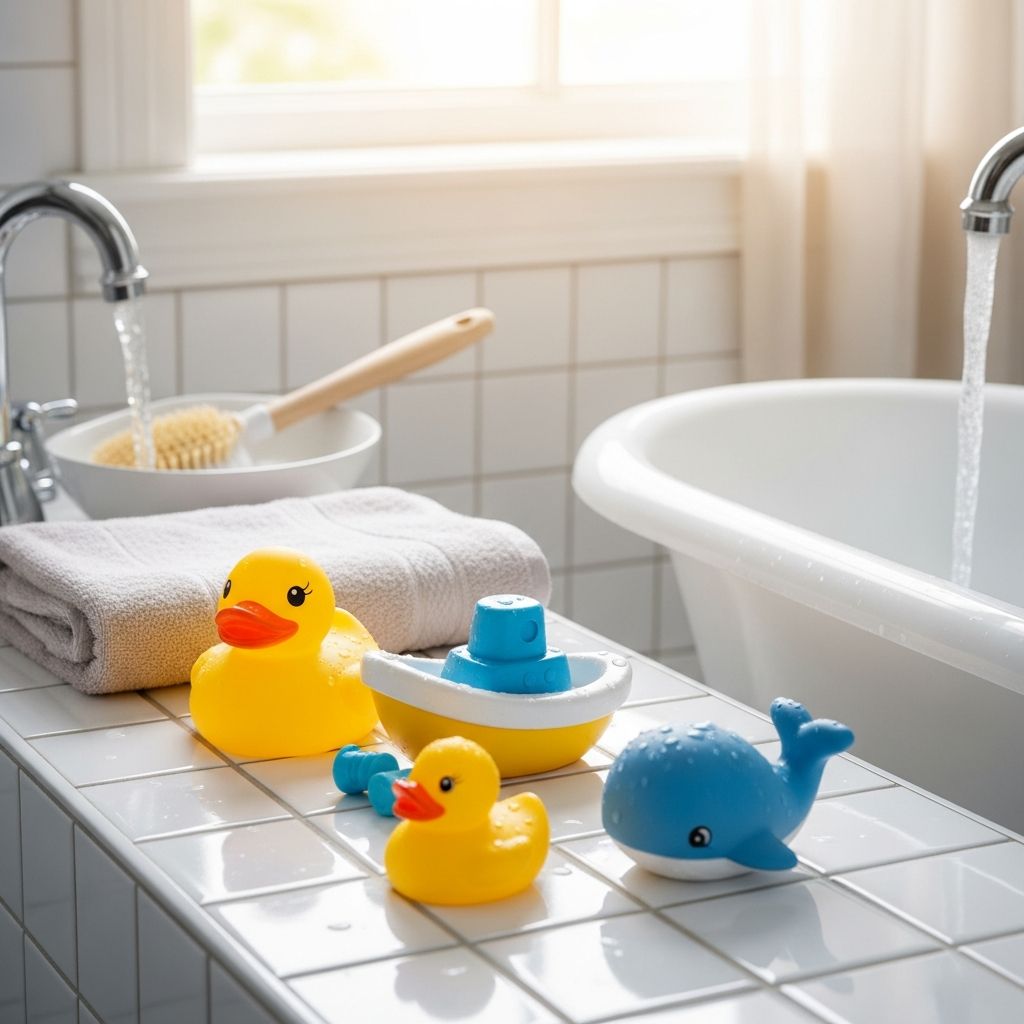
Bath toys are a staple of childhood fun, but they can harbor more than just soapy water. These seemingly innocent playthings become breeding grounds for harmful microorganisms when moisture becomes trapped inside their hollow structures. Parents often fail to realize that the warm, wet environment of bath toys creates ideal conditions for bacterial and fungal proliferation.
Mold and bacteria accumulation in bath toys poses genuine health risks to developing infants and toddlers. Research has identified serious pathogens capable of causing significant infections in young children. Listeriosis and Legionnaires’ disease represent two documented conditions that have emerged from contaminated bath toys, though these cases remain relatively rare. More commonly, children develop infections affecting their eyes, ears, gastrointestinal tract, and urinary system when exposed to dirty bath toys. Additionally, bacteria can develop antibiotic resistance over time, making infections more difficult to treat with standard medical interventions.
The structural design of most bath toys makes them particularly susceptible to contamination. Toys with small openings, squirting mechanisms, and hollow interiors trap water that cannot be easily expelled through normal drying methods. This stagnant moisture becomes a perfect incubator for microbial growth, creating an invisible hazard during innocent playtime in the bathtub.
The Bleach Solution Method: Most Powerful Disinfection
For parents seeking maximum disinfection power, the bleach solution method delivers the most effective results for eliminating bacteria and mold from bath toys. Bleach’s potent antimicrobial properties make it particularly valuable when toys show visible signs of mold or when children have weakened immune systems requiring extra precautions.
Preparing to use bleach requires attention to safety protocols. The chemical’s harsh nature demands protective measures before beginning the cleaning process. Proper ventilation stands as the first priority—open bathroom windows and activate exhaust fans to ensure adequate air circulation. This prevents inhalation of bleach fumes and protects respiratory health during the cleaning procedure.
Essential supplies for bleach disinfection include:
- ½ cup of bleach
- 1 gallon of water
- Heavy-duty gloves to protect skin
- Goggles (optional but recommended)
- Face mask (optional but recommended)
- A large basin or bucket for soaking
The cleaning procedure requires methodical execution. Combine one-half cup of bleach with one gallon of water in your designated soaking container. Submerge the bath toys completely in this solution, squeezing each toy to allow the bleach mixture to penetrate hollow interiors. Allow toys to soak for approximately ten minutes—sufficient time for bleach to eliminate harmful microorganisms without causing excessive material degradation. After soaking, remove toys and squeeze out the bleach solution from their interiors. The rinsing stage proves crucial: refill toys with tap water multiple times, squeezing thoroughly each time to eliminate all traces of bleach. This step cannot be rushed, as residual bleach poses a direct ingestion risk during future bath play.
Alternative bleach concentrations exist depending on contamination severity. For standard maintenance cleaning rather than mold remediation, a weaker solution of one tablespoon of bleach per gallon of water suffices, requiring approximately ten minutes of soaking. This lighter concentration still provides effective disinfection while minimizing potential toy damage from chemical exposure.
Natural Cleaning: The Vinegar Approach
Parents seeking gentler cleaning alternatives can turn to vinegar, a natural substance that offers antimicrobial properties without the harshness of chemical bleach. Vinegar’s acidity effectively dissolves soap residue and breaks down mineral deposits while remaining safe for children even if trace amounts remain on toys after rinsing.
The vinegar method requires minimal preparation and no special safety equipment. Simply combine equal parts white vinegar and water in a large container—the specific ratio matters less than achieving an acidic environment sufficient to inhibit microbial growth. For enhanced antimicrobial action, optional additions of tea tree oil or lemon oil can be incorporated, though these additions remain optional.
Submerge bath toys completely in the vinegar solution and allow them to soak for at least fifteen minutes. Unlike bleach, vinegar tolerance improves with extended contact time. Parents willing to plan ahead can leave toys soaking for a full twenty-four hours, allowing the acidic solution to penetrate stubborn mold and deeply embedded bacteria. After soaking, remove toys and squeeze out the vinegar mixture, then rinse thoroughly with tap water until vinegar odor dissipates. The vinegar method proves particularly valuable for wooden toys, which cannot withstand harsher chemical treatments.
Hot Water and Dishwashing Soap: The Accessible Method
Heat provides a natural sterilization mechanism that kills many microorganisms without chemical additives. This approach represents perhaps the most accessible cleaning method for parents without specialized equipment or comfort using harsh chemicals.
For families with dishwashers, simply placing bath toys on the top rack with biodegradable dishwashing detergent provides effective sterilization through hot water exposure. The dishwasher’s high heat combined with mechanical action and detergent creates an optimal cleaning environment.
Manual hot water cleaning works equally well for those without dishwashers. Fill a basin with the hottest water available—boiling water from the stove provides maximum sterilization potential. Add several drops of biodegradable dish soap to the hot water, creating a cleansing solution. Wearing kitchen gloves to protect hands from heat, submerge toys completely and allow them to soak for fifteen minutes. During soaking, periodically move toys around to ensure all surfaces contact the hot soapy water. After soaking, use a clean sponge or cloth to gently wipe toy surfaces, paying special attention to crevices and textured areas. Rinse thoroughly with warm water until soap residue completely disappears, then place toys on a clean towel to air dry completely.
Establishing an Effective Cleaning Schedule
Maintaining clean bath toys requires implementing both immediate post-bath routines and deeper weekly cleaning protocols. This two-tiered approach prevents mold accumulation while minimizing excessive wear on toys from over-cleaning.
Daily Post-Bath Maintenance
Immediately after bathing, take several quick steps to prevent moisture accumulation:
- Squeeze all toys thoroughly to expel trapped water from interiors
- Rinse each toy with soapy water, using hands or a cloth to remove bath residue
- Place toys in a well-ventilated bathroom area to air dry completely
- For immunocompromised children, wipe toys with disinfectant wipes after each bath
This daily routine represents the foundation of toy hygiene maintenance. The squeezing step particularly matters—water trapped inside toys cannot evaporate, creating perpetual moisture that breeds mold regardless of external cleanliness.
Weekly Deep Cleaning Sessions
Once weekly, conduct more thorough cleaning using one of the three primary methods described earlier. Select your preferred approach based on available time, comfort with chemicals, and toy condition. During weekly cleaning sessions:
- Scrub external toy surfaces with a toothbrush or sponge and soapy water
- Apply your chosen disinfection method (bleach, vinegar, or hot water)
- Pay special attention to hollow interiors and squirting toy mechanisms
- Ensure complete drying before returning toys to the bathroom
Addressing Specific Toy Types and Materials
Different toy materials respond differently to various cleaning methods, requiring adjusted approaches based on toy composition. Understanding these distinctions prevents damage while ensuring effective disinfection.
Standard Plastic Toys
Most conventional bath toys consist of durable plastic capable of withstanding all three primary cleaning methods. For plastic toys, any approach—bleach, vinegar, or hot water—works effectively without material degradation concerns.
Wooden Toys and Natural Materials
Wooden bath toys require gentler handling to prevent water absorption and material warping. The vinegar method suits wooden toys best, as the natural acidity cleans effectively without prolonged water immersion that causes swelling. Alternatively, wash wooden toys with warm soapy water and allow them to air dry promptly, avoiding extended submersion in any solution.
Toys with Electrical Components
Bath toys containing batteries, lights, or electronic sound mechanisms cannot be submerged in any liquid. Instead, dampen a cloth with your chosen cleaning solution and wipe toy surfaces thoroughly. For bleach, use the diluted solution and wipe carefully, ensuring no liquid enters electronic compartments. Wipe dry immediately after cleaning to prevent moisture damage.
Preventive Measures Beyond Cleaning
Effective toy hygiene extends beyond periodic cleaning sessions. Several preventive strategies reduce mold and bacterial growth between cleanings.
Storage and Drainage
Store bath toys in a well-ventilated container that allows air circulation. Avoid sealed plastic bins that trap moisture and humidity. Some parents prefer open mesh bags hung from shower rods, allowing complete air exposure that prevents dampness accumulation. Consider replacing toys’ storage location if the bathroom remains persistently humid due to poor ventilation.
Toy Rotation
Rotating bath toys—using different toys on alternating days—provides extended drying periods between uses. This strategy particularly helps toys requiring more drying time and reduces overall microbial growth by allowing moisture to dissipate completely.
Regular Inspection
Examine toys weekly for visible mold, discoloration, or unusual odors. Small black or green spots inside toys indicate mold presence. Musty smells suggest bacterial or fungal colonies developing internally. Severely contaminated toys may warrant replacement rather than remediation, especially if mold appears throughout hollow interiors.
When to Replace Rather Than Clean
Some bath toys reach a point where cleaning becomes impractical or ineffective. Toys with extensive internal mold, permanent discoloration, or persistent odors despite repeated cleaning efforts should be discarded and replaced. Additionally, toys showing cracks, peeling surfaces, or deteriorating materials allow bacteria to colonize areas cleaning cannot reach. Investment in replacement toys costs considerably less than potential medical expenses from infections caused by severely contaminated toys.
Frequently Asked Questions
Q: How often should I deep clean bath toys?
A: Implement weekly deep cleaning using bleach, vinegar, or hot water methods combined with daily post-bath rinsing and squeezing to maintain optimal toy hygiene and prevent mold accumulation.
Q: Is bleach safe to use around babies and toddlers?
A: Diluted bleach solutions are safe when properly rinsed away. Complete rinsing eliminates residual bleach, and proper ventilation prevents inhalation exposure. For infants under one year or children with sensitivities, vinegar or hot water methods offer equally effective alternatives.
Q: Can I use regular dishwashing liquid instead of biodegradable varieties?
A: Standard dishwashing liquids work for cleaning, but biodegradable formulations prove safer for toys that contact children’s mouths and skin, as they break down more completely and leave fewer residues.
Q: What should I do if toys smell musty even after cleaning?
A: Persistent odors indicate deep-seated mold or bacterial colonies. Try extended vinegar soaking (24 hours) or soak the toys overnight in a bleach solution. If odor persists after repeated cleaning, replacement becomes the safer choice.
Q: Are expensive bath toys worth the investment?
A: Price does not guarantee better hygiene properties. Focus instead on toys with designs that minimize water trapping, such as solid rubber toys without hollows or toys with drain holes for water expulsion.
References
- How To Clean Bathtub Toys — WebMD. 2024. https://www.webmd.com/parenting/how-to-clean-bathtub-toys
- How to Clean Bath Toys & Keep Mold Out — Molly Maid. 2017. https://www.mollymaid.com/practically-spotless/2017/december/how-to-clean-bath-toys-keep-mold-out/