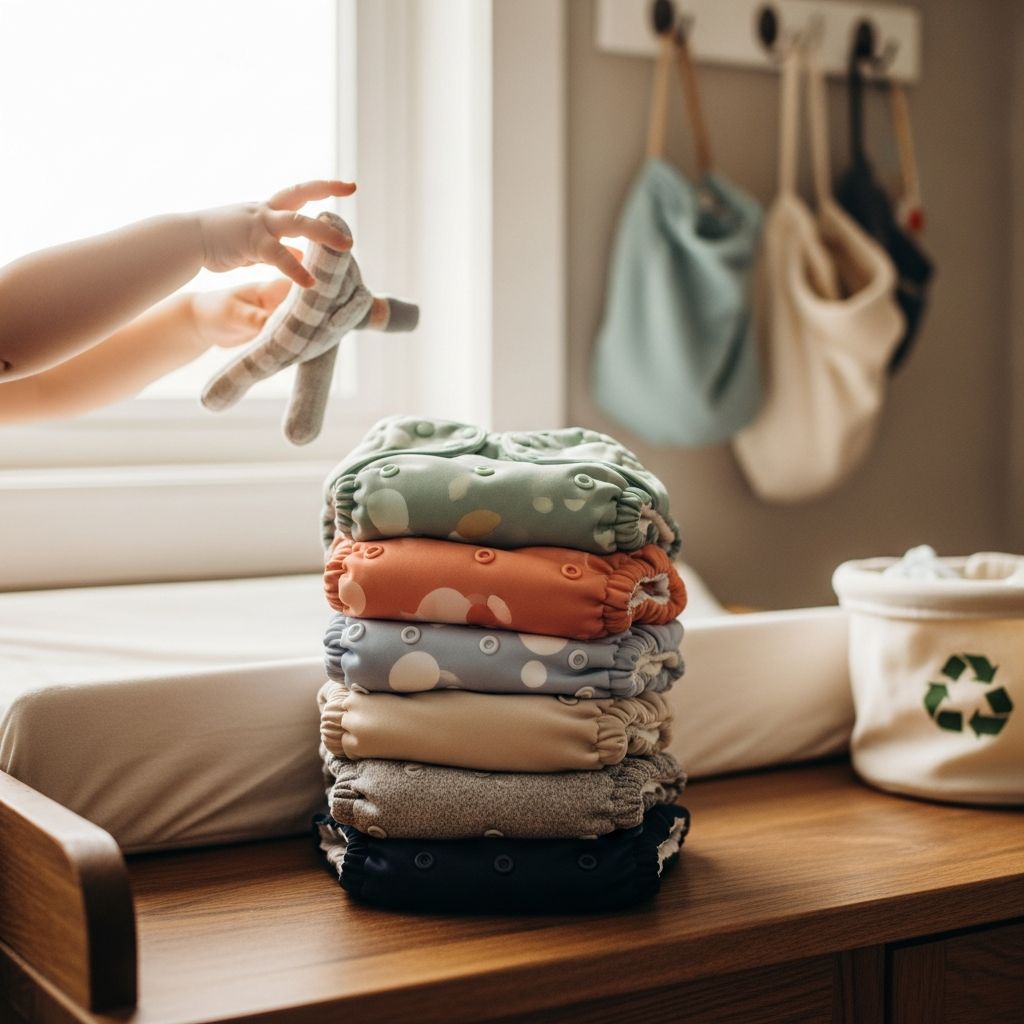
Cloth diapers are often marketed as a long-term, money-saving solution, but their lifespan is not unlimited. Parents quickly discover that elastic loosens, fabric thins, and waterproof layers eventually fail. Understanding how long cloth diapers typically last—and what you can do to extend their life—helps you build a realistic budget and avoid mid-diapering surprises.
Why Cloth Diaper Lifespan Matters
The lifespan of your cloth diapers affects more than just how many loads of laundry you do. It also influences your total cost per child, your environmental footprint, and how smoothly your diapering journey goes as your baby grows.
- Financial planning: Knowing how long various styles last helps you decide how large a stash to buy and whether you can reasonably expect to reuse diapers for a second child.
- Daily convenience: Diapers that are nearing the end of their life often leak, fit poorly, or develop persistent odors, which adds stress at exactly the wrong moment—usually when you are short on sleep.
- Sustainability goals: Parents who choose cloth to reduce waste need to know when repairs, replacement parts, or new diapers become the more sustainable choice.
What Parts of a Cloth Diaper Wear Out?
Every cloth diaper is a combination of several components, and each one ages differently over time. Instead of thinking of a single “lifespan” for the entire diaper, it helps to understand which part fails first.
| Component | Main Function | Typical Wear Pattern |
|---|---|---|
| Absorbent fabric (inserts, prefolds, fitteds) | Soaks up urine and contains moisture | Gradual thinning, loss of softness, small holes, slower absorption |
| Waterproof layer (PUL/TPU shells) | Prevents leaks onto clothing | Cracking, peeling, or delamination; dampness or leaks through fabric |
| Elastic (legs, back) | Creates a snug seal around legs and waist | Stretching, loss of rebound, sagging gaps, red marks when uneven |
| Closures (snaps, hook-and-loop) | Secures diaper on baby | Snaps can loosen or break; hook-and-loop can curl, collect lint, lose grip |
| Inner lining (fleece, suedecloth, cotton) | Sits against baby’s skin and keeps it feeling drier | Pilling, staining, developing a rough feel, retaining odors |
Average Lifespan by Diaper Style
How long a cloth diaper lasts depends heavily on its design. Some styles concentrate all the wear into a single unit, while others allow you to replace only what wears out.
All-in-One (AIO) diapers
All-in-one diapers combine absorbent layers and a waterproof outer into one piece. They are convenient and simple to use, but when one part fails, the entire diaper is usually retired.
- Typical use pattern: Great for daycare, babysitters, and quick changes because there are no separate pieces to assemble.
- Lifespan expectations: With regular rotation and proper washing, many AIOs reasonably last through one child in full-time use, though individual experiences vary widely.
- Common failure points: Relaxed leg elastic and delaminated waterproofing are frequent reasons parents replace AIOs.
All-in-Two (AI2) and hybrid systems
All-in-two systems separate the waterproof cover from the insert. The cover can often be reused for multiple changes while only the absorbent insert goes into the wash after each use.
- Typical use pattern: Covers are washed less frequently than inserts, which significantly reduces wear on the waterproof material.
- Lifespan expectations: Quality covers can last several years with careful care, especially when rotated in a larger stash, while inserts may need replacing sooner.
- Common failure points: For covers, cracking or peeling waterproof layers and worn elastic; for inserts, compression leaks and fabric thinning.
Pocket diapers
Pocket diapers use a waterproof shell with a fabric inner layer that forms a pocket for absorbent inserts. The shell can be reused as long as the waterproofing and elastic hold up, while inserts are easily replaced.
- Typical use pattern: Very popular with families who want a trim fit and faster drying times than AIOs.
- Lifespan expectations: Higher-quality pocket shells, especially when line-dried, can often last through at least one child, while inserts frequently outlive the shells.
- Common failure points: Worn inner lining that traps odors or repels moisture, and shells that eventually lose waterproof integrity.
Prefolds, flats, and fitteds with covers
Traditional systems use simple absorbent pieces (flats or prefolds) secured under a separate waterproof cover; fitted diapers add elastic around the legs and waist.
- Typical use pattern: Prefolds and flats are often made of sturdy woven cotton or similar fibers that tolerate frequent washing.
- Lifespan expectations: Absorbent pieces may last through multiple children when washed and dried carefully, while covers usually wear out sooner than the cotton.
- Common failure points: For covers, elastic and waterproofing; for fitteds, elastic and snaps if heavily used.
How Often You Wash vs. How Long Diapers Last
Diaper lifespan is closely tied to how many times each item goes through the wash, not just how many months you own it. A diaper washed every other day ages more than one washed twice a week, even over the same calendar period.
| Stash Size (per child) | Wash Frequency | Typical Impact on Wear |
|---|---|---|
| 12–16 diapers | Daily or every 1.5 days | Heavy wear; components may show aging within the first year of full-time use |
| 18–24 diapers | Every 2–3 days | Balanced wear; many families find this sustainable over the toddler years |
| 30+ diapers | Every 3 days (rotated) | Lighter wear per diaper; better odds of reusing for siblings |
A larger stash means fewer wash cycles per diaper, which usually translates into longer life. However, extremely infrequent washing can introduce other issues, like lingering stains and smells, so balance is key.
Fabric Types and Durability
The fabric blend in your diapers strongly shapes how they age. Some materials are workhorses that tolerate years of washing, while others offer luxury softness at the expense of longevity.
Natural fibers
Natural fibers include cotton, hemp, bamboo-derived fabrics, and blends of these. They are prized for absorbency and skin friendliness.
- Cotton: Durable and predictable, but will gradually thin and soften with repeated washing, especially at high temperatures.
- Hemp blends: Very absorbent and trim, but can become stiff if not washed with sufficient detergent or if dried too hot.
- Bamboo-derived fabrics: Typically soft and absorbent, but certain constructions can be more fragile and prone to stretching or holes over time.
Synthetic fibers
Synthetics such as microfiber, polyester fleece, and suedecloth are commonly used for inserts and stay-dry linings. They behave differently from natural fibers as they age.
- Microfiber: Often holds its structure for a long time, but can become less effective if detergent buildup or fabric softeners cause repelling.
- Fleece/suedecloth linings: Provide a stay-dry feel but may pill, hold onto stink, or start repelling if not rinsed thoroughly.
- Blends: Combining synthetic and natural fibers can balance durability with absorbency, but care instructions become especially important.
Washing and Drying: Extending or Shortening Lifespan
How you care for your diapers can either protect your investment or dramatically shorten their usable life. Harsh routines may solve short-term odor problems but create long-term damage.
Washing practices that protect your diapers
- Moderate water temperature: Warm or moderately hot water is usually enough to clean diapers while being gentle on elastic and waterproof layers.
- Appropriate detergent use: Using enough detergent to clean without leaving residue helps prevent stink and repelling without weakening fibers.
- Rinse thoroughly: Detergent left behind can cause irritation and fabric breakdown, so a good rinse cycle is essential.
Washing habits that can cause damage
- Frequent use of bleach or strong additives: While occasional disinfecting may be necessary, repeated use can weaken elastic, fade colors, and thin fabrics.
- Extreme temperatures and shock: Repeatedly moving diapers from very hot washes to very cold rinses, or drying on high heat, stresses waterproof laminates and elastic.
- Overloading the machine: A packed washer prevents proper agitation and rinsing, leading to buildup and more aggressive routines later.
Drying Methods and Their Impact
Drying is where many diapers experience the harshest conditions. High heat may be convenient but can quietly eat away at your stash’s lifespan.
- Line drying outdoors: Gentle on elastic and waterproofing and can help naturally bleach stains, though long-term UV exposure may eventually fade prints.
- Indoor air drying: Very protective but slower, especially for multilayer AIOs; some parents use a fan or drying rack to speed things up.
- Machine drying on low or medium: A compromise between convenience and longevity; many families reserve high heat only for occasional sanitizing when truly needed.
Can Cloth Diapers Last for Multiple Children?
Many parents hope that one stash will work from the first baby through to the last. Whether that is realistic depends on the quality of the diapers, the size of your rotation, and how hard they were used the first time.
- Light to moderate use: A generously sized stash, washed with gentle routines, may still be in good condition for a second child, especially for prefolds, flats, and inserts.
- Heavy use: A minimal stash washed very frequently, especially on hot with heavy dryer use, often shows clear wear by the end of potty training.
- Repairability: Even if diapers show age, replacing elastic, redoing hook-and-loop, or pairing older inserts with fresh covers can make them functional again.
Signs Your Cloth Diapers Are Nearing the End
Rather than relying on a fixed number of months or years, watch for specific changes that tell you a particular diaper is approaching retirement.
- Frequent unexplained leaks: If fit is correct and absorbency is adequate but clothing is damp, the waterproof layer or leg seal may be failing.
- Elastic that does not rebound: If stretched elastic does not snap back or legs look baggy, replacing the elastic or retiring the diaper may be necessary.
- Visible damage: Cracked laminate, peeling layers, or large holes in absorbent fabric are clear indicators that the end is near.
- Persistent odors: Stink that remains even after adjusting wash routine can signal deeply embedded buildup or fiber breakdown.
Strategies to Make Your Diapers Last Longer
Small changes early on can add months or even years to the useful life of your diapers. Think of these as maintenance steps for an item you use every single day.
- Build a realistic stash size: Having enough diapers to wash every two to three days spreads wear more evenly and prevents any single diaper from being overused.
- Rotate evenly: Avoid using a handful of favorite prints over and over while others sit unused; this creates uneven aging across your stash.
- Choose replaceable systems: Consider covers plus inserts or pocket diapers where you can replace only the worn components rather than the entire unit.
- Be gentle with closures: Fasten hook-and-loop onto its laundry tabs, avoid yanking on snaps at an angle, and open diapers with two hands to reduce stress.
- Store between children: If you plan to reuse diapers later, make sure they are fully clean and completely dry before putting them away in a cool, dry space.
Budgeting for Replacement and Repairs
Even when well cared for, cloth diapers eventually need repairs or replacement. Planning for this from the beginning makes the process less frustrating and easier on your wallet.
- Set aside a small repair fund: Allocating a modest annual amount for new elastic, fresh inserts, or replacement covers keeps your system functional.
- Learn simple fixes: Many parents successfully replace leg elastic or worn hook-and-loop at home with basic sewing skills, dramatically extending diaper life.
- Repurpose worn diapers: Retired diapers can often be used as cleaning cloths, car rags, or pet bedding, which further reduces waste.
Quick Reference: How Long Do Cloth Diapers Last?
Because every family’s routine and water conditions differ, there is no universal expiration date for cloth diapers. However, general ranges can help set expectations.
| Item | Used in Full-Time Rotation | Common Outcome |
|---|---|---|
| All-in-One diaper | From infancy to toddlerhood | Often lasts through one child with proper care; may need repair for elastic or closures |
| PUL/TPU cover or pocket shell | Regular use, line-dried when possible | May serve at least one child; condition for reuse depends on waterproofing integrity |
| Cotton prefold or flat | Heavy but gentle use | Can often be reused for multiple children, gradually becoming softer and thinner |
| Elastic in legs and back | Frequent washing and drying | Usually needs replacement earlier than absorbent fabric, especially with high-heat drying |
| Hook-and-loop closure | Daily fastening and unfastening | May curl or lose grip over time; replacing with new hook-and-loop or snaps can refresh the diaper |
Frequently Asked Questions About Cloth Diaper Lifespan
Do cloth diapers expire if they are not used?
Cloth diapers that are fully washed, dried, and stored in a cool, dry place typically do not “expire” just from sitting unused. However, elastic and certain waterproof materials can slowly age even in storage, so a stash that has been put away for many years may need new elastic or careful inspection before reuse.
Is it worth buying used cloth diapers?
Buying used diapers can be a smart way to save money and reduce waste, as long as you carefully check condition. Look for strong elastic, intact waterproof layers, and closures that still function well. Absorbent layers showing moderate cosmetic wear can still work fine, but severe thinning, holes, or delamination are red flags.
Can I fix diapers that are leaking?
Sometimes, leaks are a fit or absorbency issue rather than a lifespan issue. Adjusting rise snaps, adding a booster insert, or tweaking your wash routine may solve the problem. If the waterproof layer is cracked or peeling, or the elastic no longer seals around the legs, repairs or replacement parts may be needed to restore performance.
How do I know if it is time to retire a diaper?
Consistent leaks despite good fit, visible damage to the waterproof layer, and elastic that no longer rebounds are strong indicators that a diaper has reached the end of its useful life. At that point, consider repairing the parts you can, retiring it to household duty, or responsibly recycling whatever materials are still usable.
Will a more expensive diaper always last longer?
Higher-priced diapers often use better-quality fabrics and components, which can lead to longer life, but price alone is not a guarantee. How you wash, dry, and rotate your diapers plays a major role. A modestly priced diaper that is gently cared for may easily outlast a premium brand that is exposed to harsh routines.
Making Peace with the Realistic Lifespan of Cloth Diapers
Cloth diapers are durable, but they are not indestructible. Every wash, dry, and fastening gradually wears away at the materials. The goal is not to keep every diaper perfect forever, but to understand how and why they age so you can get dependable performance, minimize waste, and stay prepared for the moment when repairs or replacements become necessary.
By choosing sturdy designs, rotating a well-sized stash, following a balanced wash routine, and learning small repair skills, parents can confidently rely on cloth diapers throughout their child’s diapering years—often with enough life left over to help the next little one as well.