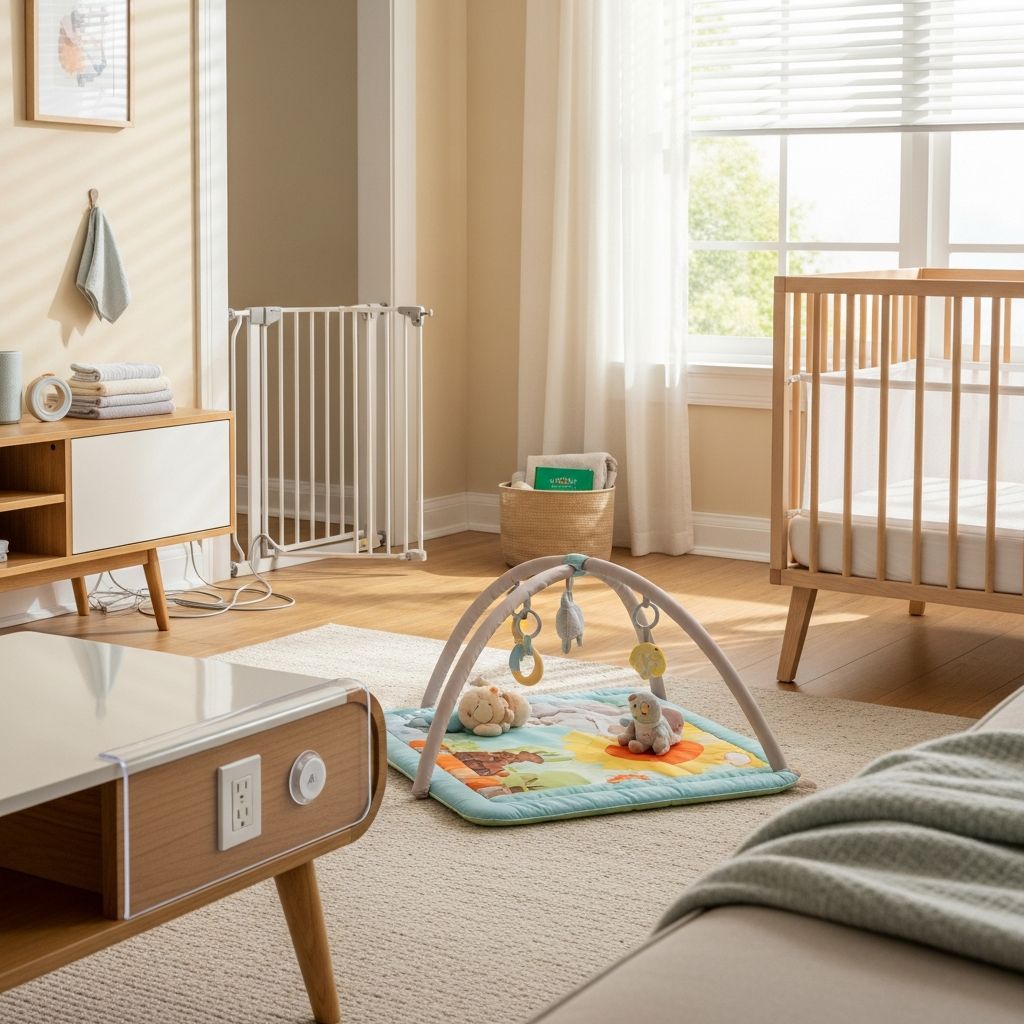
Leaving a child in someone else’s care can feel overwhelming, especially the first few times. Yet with a clear process and thoughtful preparation, parents can find a babysitter who is not only responsible and kind, but also a genuinely positive influence in their child’s life.
Why Choosing the Right Babysitter Matters
A great babysitter does far more than make sure children are fed and entertained. They help children feel safe, respected, and heard while supporting the routines that keep a household running smoothly. The right match can reduce parental stress, make date nights possible, and provide children with a familiar, trusted adult when parents are away.
On the other hand, choosing a sitter without careful thought can lead to miscommunication, unsafe situations, or simply ongoing discomfort for both parents and children. That is why approaching the search like any important hiring decision is essential.
Clarify Your Family’s Needs First
Before asking for recommendations or browsing profiles, spend time defining what you actually need. This clarity makes it easier to identify suitable candidates and say no to options that are not a good match.
- Child details: ages, personalities, medical needs, allergies, and any special considerations.
- Schedule: occasional evenings, regular weekly care, overnights, or backup/emergency help.
- Tasks: basic supervision only, homework help, driving to activities, meal prep, or bedtime routines.
- Experience level: comfort with teens versus a requirement for infant or special-needs experience.
- Budget range: realistic hourly rate in your area plus any extras (meals, transportation, holidays).
Where to Look for Babysitters
Once you know what you are looking for, you can look in the right places. Each source has strengths and possible drawbacks, so consider using more than one.
| Source | Advantages | Possible Drawbacks |
|---|---|---|
| Friends & family recommendations | Pre-screened by people you trust; easier to ask candid questions. | Limited pool; may feel awkward if sitter does not work out. |
| Neighbors & local community | Nearby, familiar with the area; children may already recognize them. | Blurred boundaries if expectations are not clear. |
| Child’s school or daycare staff | Professionally experienced; already know your child and routines. | Availability may be limited; rates may be higher for off-hours. |
| Youth groups, clubs, faith communities | Built-in references; often known to several families you can ask. | Age and training levels can vary widely. |
| Babysitting apps and websites | Large pool, filters for qualifications, reviews, and background checks. | Can feel less personal; quality still varies by individual sitter. |
Creating a Clear Babysitter Profile
Treat the search like a job process by writing a brief description of what you want. This helps potential sitters self-select and saves everyone time.
Include details such as number and ages of children, typical hours, main responsibilities, necessary skills (like infant care or comfort with pets), and your approximate pay range. You can share this profile when you post online, text potential sitters, or talk to other parents.
Evaluating Potential Sitters: First Impressions and Facts
When you gather names, aim to learn both factual information and your emotional response to each candidate. Facts tell you whether someone meets basic requirements; your instincts often tell you whether they are the right fit for your home.
- Check age and experience: Are they old enough and experienced enough for your children’s ages?
- Ask about formal training: Classes in babysitting, first aid, or CPR are strong pluses.
- Review availability: Do their hours, school schedule, or other jobs align with your needs?
- Notice communication: Are they clear, timely, and respectful in messages or calls?
Key Interview Questions to Ask
Plan a structured interview, either in person or by video, to go beyond surface-level information. Aim for open-ended questions that reveal judgment, attitude, and problem-solving skills.
Possible areas to cover include:
- Background: “Tell me about your previous babysitting or childcare experience.”
- Safety: “What would you do if my child had a fever or minor injury while I was out?”
- Discipline: “How do you handle tantrums, sibling conflict, or a child refusing bedtime?”
- Engagement: “What kinds of activities would you plan for a rainy evening?”
- Judgment: “Share a time something unexpected happened while you were caring for a child and how you handled it.”
Pay attention not just to the content of answers, but also to tone. Confident, calm, and thoughtful responses are usually a promising sign. Vague or dismissive answers about safety or rules may signal an unreliable sitter.
Non-Negotiable Safety Checks
Every family’s comfort level is different, but some safety steps are worth treating as non-negotiable. These help protect both children and sitter while giving parents peace of mind.
- References: Speak directly with at least one or two families, coaches, or employers.
- Online reputation: If the sitter uses a platform, read reviews and check how long they have been active.
- Background checks: For regular or frequent care, consider a formal check through a reputable service.
- Driving record: If the sitter will drive children, confirm license status and comfort with car seats.
Planning a Trial Visit
Before trusting someone with a full evening, consider a short trial session. Parents can stay at home but out of the way, or run a brief errand nearby.
During this visit, observe how the sitter greets the children, responds to questions, sets boundaries, and manages small upsets. Later, ask children (if they are old enough) how they felt and what they did together.
Preparing Your Home and Your Child
Even the best sitter will struggle without clear information. A little preparation reduces confusion and shows respect for the sitter’s time and effort.
- Write down key contacts: cell numbers for parents, a neighbor, pediatrician, and emergency services instructions.
- Provide health details: allergies, medications, bedtime routines, comfort objects, and any behavioral triggers.
- Walk through the house: show where first-aid supplies, flashlights, diapers, pajamas, and cleaning products are.
- Clarify rules: screen time limits, snacks, visitors (usually none), and areas of the house that are off-limits.
Setting Expectations About Duties and Boundaries
Misunderstandings often happen not because a sitter is careless, but because no one explained what was expected. A short, written guideline can prevent frustration on both sides.
Consider addressing:
- Daily tasks: meals, dishes used during the visit, tidying up toys, homework help, or bath time.
- Communication: how often to text updates, what counts as an emergency, and when to call.
- Household rules: food restrictions, bedtime windows, roughhousing rules, and pet guidelines.
- Privacy: no posting photos of your child or home on social media without explicit permission.
Talking About Pay with Confidence
Money conversations can feel awkward, but they are crucial for a fair and respectful relationship. Knowing the typical rate in your area is a good starting point.
- Pick a range: base this on number of children, ages, and responsibilities (driving, bedtime, special needs).
- Clarify when you pay: at the end of each visit, weekly for regular care, or via digital payments.
- Address extras: holidays, late nights, last-minute calls, or extra children visiting for playdates.
- Review raises: for long-term sitters, consider small increases as skills and responsibilities grow.
Red Flags to Take Seriously
Not every sitter who seems fine on paper will feel right in person. It is appropriate—and necessary—to say no if something feels off, even if you cannot fully explain it.
- Inconsistent stories about experience, jobs, or references.
- Dismissive attitude toward safety rules, allergies, or your parenting choices.
- Reluctance to provide references or allow you to speak to past families.
- Constant phone use, distractions, or requests to bring friends or partners during jobs.
- Your child strongly resists future visits after a reasonable trial period.
Building a Positive Long-Term Relationship
Once you find a sitter you love, treat the relationship as a valuable partnership. Reliability goes both ways; children benefit from continuity, and sitters appreciate respect and predictability.
- Give notice whenever possible if plans change or you need to cancel.
- Offer feedback gently: share what went well and what you would like done differently next time.
- Express appreciation, whether with kind words, small bonuses for holidays, or flexibility when they have exams or major life events.
- Keep communication lines open so the sitter feels comfortable raising questions or concerns.
Helping Children Adjust to a New Babysitter
Some children embrace sitters right away, while others need more time. Preparing them emotionally can make the transition smoother.
- Introduce the sitter when you are still at home, so children associate them with a safe environment.
- Explain in simple language where you are going, when you will be back, and what they will do with the sitter.
- Allow a comforting routine, such as a special game or story the sitter does each time you leave.
- Check in after visits and listen carefully to what children share, both directly and between the lines.
Frequently Asked Questions About Babysitters
How young is too young for a babysitter?
Appropriate age depends on your child’s needs and the sitter’s maturity rather than a specific number. Many families feel comfortable with older teens for school-age children but prefer adults or very experienced sitters for infants and toddlers. Look for a history of responsible behavior, strong references, and genuine comfort with children your child’s age.
Should my babysitter be certified in first aid or CPR?
Formal training in basic first aid and child or infant CPR is a significant advantage, especially for very young children or families with specific medical concerns. While it might not be mandatory for every short visit, it often becomes a deciding factor when choosing between two similar candidates.
How many trial visits are reasonable?
Some families feel ready after a single short trial, while others prefer two or three brief sessions before a longer evening. If either you or your child still feels uneasy after several visits, it may be a sign that this sitter is not the right fit, even if nothing obviously “wrong” has happened.
What if my child says they do not like the babysitter?
Listen carefully and ask gentle, open questions, especially if your child is old enough to describe experiences. Distinguish between normal separation anxiety and specific concerns about how the sitter behaves. Any mention of feeling scared, unsafe, or disrespected should be taken seriously and prompt further questions and, if needed, a decision to stop using that sitter.
How many rules should I give the babysitter?
Too few rules can create confusion, but a long rulebook is hard to remember. Focus on essentials: safety, health, sleep routines, technology use, and any unique family values that matter most to you. Over time, you can add or adjust details as you build trust and see how the sitter handles different situations.
Final Thoughts for Confident Parents
Finding a trustworthy babysitter takes effort, but it is an investment in your family’s well-being. With clear expectations, honest conversations, and a willingness to listen to both your instincts and your children, you can build a support system that allows everyone to thrive—parents, children, and sitter alike.
Approach the process step by step, keep communication open, and remember that it is always acceptable to pause, reassess, and try again until the fit truly feels right.